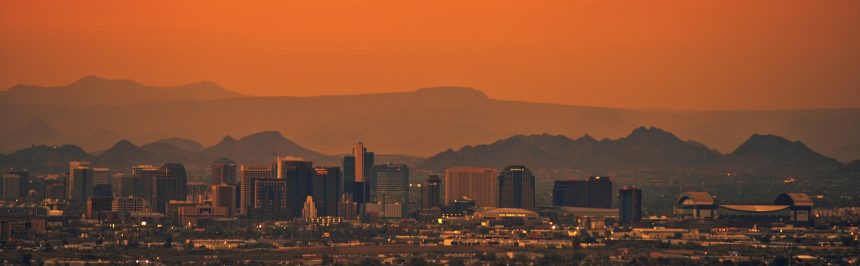
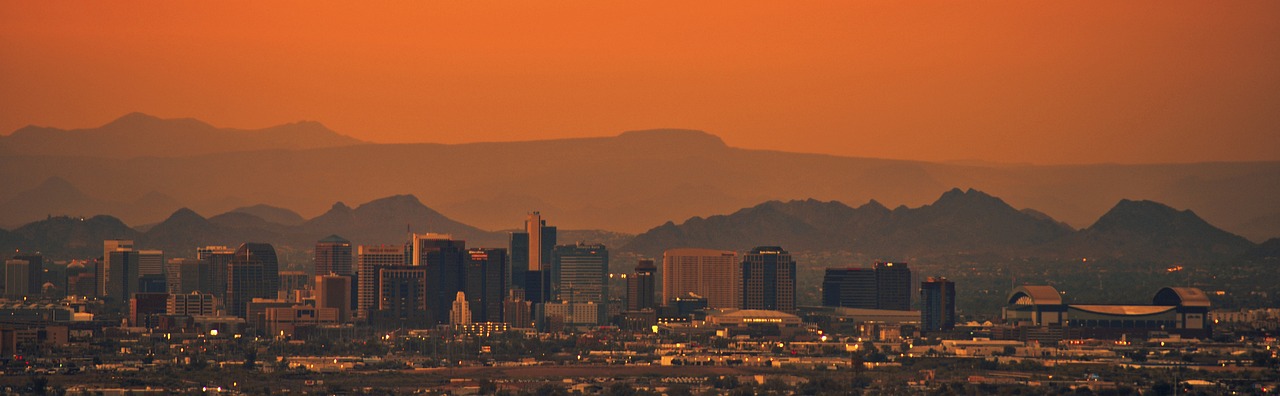

The Desert’s Daring New Record (Image Credits: Pixabay)
Southwestern Arizona – Temperatures soared to 110 degrees Fahrenheit near Martinez Lake on Thursday, March 19, establishing a new benchmark for the hottest March day ever recorded in the United States.[1][2] This desert enclave in the Yuma Desert, roughly 45 minutes north of Yuma along the Arizona-California border, felt the peak of an intense regional heatwave.[3] The reading surpassed the longstanding mark of 108 degrees set in Texas seven decades ago.[1]
The Desert’s Daring New Record
Officials from the National Weather Service confirmed the 110-degree Fahrenheit measurement (43.3 degrees Celsius) just outside Martinez Lake, a recreational spot popular for boating and fishing.[3] This topped the prior United States record of 108 degrees, first achieved in Rio Grande City, Texas, back in 1954 – a mark matched just days earlier by North Shore, California.[1] The anomaly arrived on the final day of winter, amplifying its significance.
Martinez Lake’s remote location amplified the heat’s isolation. Clear skies and minimal cloud cover allowed unrelenting sunshine to bake the sandy terrain. Residents and visitors alike navigated the blaze, where normal March highs hover far below triple digits.
Cascade of Records Across the Southwest
The heatwave extended far beyond one pinpoint. Phoenix clocked 105 degrees that same Thursday, eclipsing its March benchmark of 102 degrees from the day before and marking the city’s earliest such extreme on record.[3] Las Vegas reached 95 degrees, topping its previous daily high by one degree.[3] Flagstaff even hit 84 degrees, the first time in March it entered the 80s.
Dozens of cities fell victim to the surge. San Diego, Los Angeles, and San Francisco logged new March highs. In Southern California, spots like Thermal and Cathedral City matched 108 degrees, while Palm Springs tied its own record at 104 degrees.[3]
| Location | Temperature (°F) | Record Type |
|---|---|---|
| Near Martinez Lake, AZ | 110 | U.S. all-time March high |
| Phoenix, AZ | 105 | Earliest 105°; new March high |
| Las Vegas, NV | 95 | New daily March record |
| North Shore, CA | 108 | Tied U.S. March high (prev. record) |
High-Pressure Dome Fuels the Fire
A stubborn high-pressure system dominated the West, trapping heat beneath a vast dome of compressed air. This setup pushed temperatures 20 to 30 degrees above seasonal norms across Arizona, Nevada, and California.[2] Sunny conditions and low humidity exacerbated the drying effect on the landscape.
Partner offer

Meteorologists noted the rarity. Phoenix’s typical first 105-degree day falls on May 22, yet this arrived months early. Such deviations highlight shifting patterns in regional weather.
- High-pressure ridge locks in hot air from Mexico.
- Minimal wind prevents cooling breezes.
- Clear skies maximize solar heating on desert surfaces.
- Urban areas like Phoenix amplify heat through concrete and asphalt.
Safety Alerts and Real-World Ripples
Authorities issued Extreme Heat Warnings for elevations below 4,000 feet, spanning southern Arizona and the Phoenix Valley. Hiking trails around the city closed to curb heat-related illnesses.[1] Officials urged hydration and avoidance of strenuous outdoor activity from 10 a.m. to 6 p.m.
Everyday life adapted swiftly. Outdoor weddings in Phoenix rescheduled at the last minute. In nearby Thermal, California, locals like Ruben Pantaleon downed electrolyte drinks to cope: “I drank three of those so far. It’s the desert. It gets real hot. I’m not worried about it.”[3]
Heatwave’s Next Chapter
Forecasts predict persistence through the weekend, with Phoenix eyeing 106 degrees Friday and Saturday. Alerts remain in place until Sunday, when a modest cooldown begins.[1] Millions across 18 states brace for lingering effects.
This episode serves as a stark reminder of the Southwest’s volatile climate. As records tumble earlier each year, communities refine resilience strategies. What steps will regions take next?
Key Takeaways
- 110°F near Martinez Lake resets U.S. March record, beating 1954 mark.
- Southwest heat dome drives 20-30°F anomalies; warnings affect millions.
- Phoenix, Las Vegas log earliest extremes; trails close, events shift.
The Martinez Lake milestone underscores accelerating extremes in late winter. Residents ponder long-term adaptations amid these previews of summer. What do you think about this heatwave’s implications? Tell us in the comments.
Partner offer
Planning a trip to Vegas?
Compare hotel rates and show tickets on VEGAS.com.