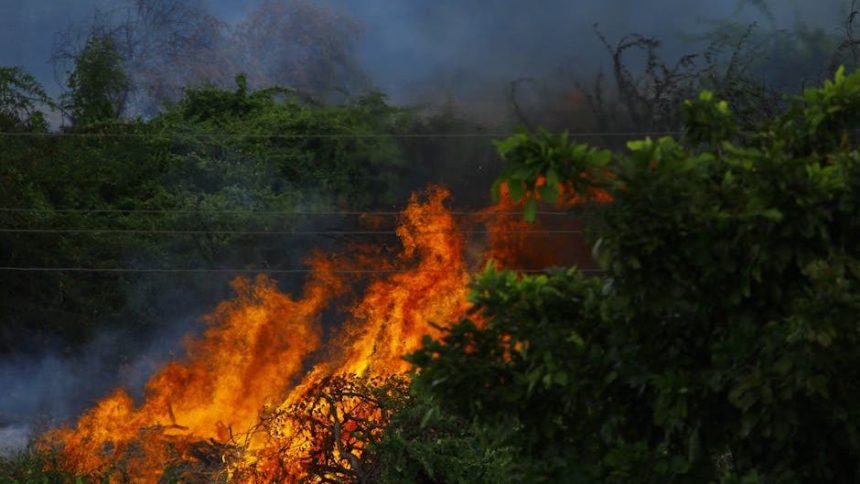
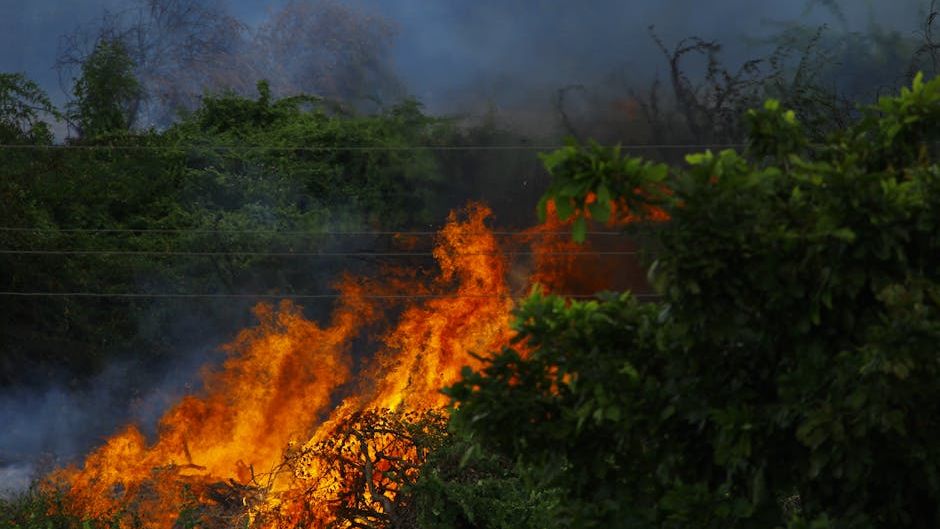

The long shadow of Maui’s wildfires – Image for illustrative purposes only (Image credits: Pexels)
Maui – Three years after the wildfires swept through the island, the visible scars on the landscape have begun to fade in places, yet the invisible ones remain raw for many residents. A local therapist reports that a significant portion of his patients continue to experience anxiety, grief, and other mental health difficulties that show little sign of easing. The disaster’s reach extends far beyond the initial destruction, touching daily routines and long-term well-being in ways that surprise even those who lived through it.
Quiet Signs of Ongoing Strain
Daily life on the island carries reminders that keep the trauma close. Survivors describe sudden waves of unease triggered by wind, smoke, or even the sight of charred hillsides still visible from certain vantage points. These reactions persist even as rebuilding efforts advance in some neighborhoods and vegetation slowly returns in others.
The therapist’s observations point to a pattern seen in other large-scale disasters: the acute phase passes, but the psychological effects linger. Patients report trouble sleeping, difficulty concentrating at work, and strained relationships that trace back to the loss of homes, belongings, and a sense of security. What began as immediate shock has settled into a quieter, more persistent form of distress.
Why Recovery Takes Longer Than Expected
Mental health professionals note that the scale of the event plays a central role in the extended timeline. When entire communities lose not just property but also the familiar rhythms of daily life, the brain’s stress response can remain elevated for years. This prolonged activation makes it harder for people to regain a baseline sense of safety.
Support systems on the island have expanded since the fires, yet gaps remain. Access to consistent care varies by neighborhood and income level, leaving some residents to manage symptoms largely on their own. The therapist emphasizes that many of his patients only began seeking help well after the immediate crisis, once the full weight of their losses became clear in quieter moments.
Community Efforts to Move Forward
Local organizations have introduced programs aimed at collective healing, from group counseling sessions to informal gatherings where residents share experiences. These initiatives recognize that individual therapy alone cannot address the shared nature of the trauma. Participation has grown steadily, though some residents still hesitate to speak openly about their struggles.
Schools and workplaces have also adjusted routines to accommodate lingering effects. Teachers report students who remain more easily startled or withdrawn, while employers note occasional drops in productivity tied to emotional fatigue. These adjustments reflect a broader understanding that recovery cannot be rushed or confined to clinical settings.
What Matters Now
The therapist’s account underscores a simple reality: the mental health consequences of the wildfires have not followed a predictable calendar. Three years on, the focus has shifted from emergency response to sustained support that meets people where they are. Continued attention to these needs will determine how fully the island can reclaim its sense of stability in the years ahead.