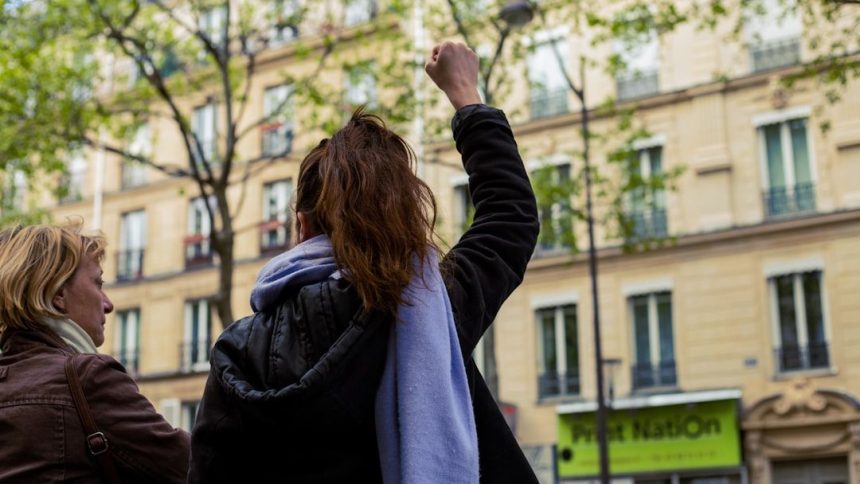

What to know about May Day demonstrations as workers face rising energy costs due to Iran war – Image for illustrative purposes only (Image credits: Unsplash)
Street protests echoed through cities from Manila to Paris on May Day, where labor unions rallied against the pinch of higher energy bills and eroded buying power. The gatherings drew attention to how the Iran war had driven up oil prices, inflating everyday expenses for millions of workers. Organizers framed the demonstrations as a stand against policies that burdened ordinary people while conflicts raged abroad.
Energy Costs Ignite Worker Frustrations
Rising fuel and living expenses dominated the message at many rallies, as participants linked their hardships directly to the Middle East conflict. In Manila, crowds surged toward the U.S. Embassy, demanding wage hikes and tax cuts amid clashes with police. Indonesia saw President Prabowo Subianto address tens of thousands in Jakarta, where laborers pressed for safeguards against price spikes and supply shortages in vital sectors.
Pakistan observed the holiday with rallies, though daily wage workers like construction laborer Mohammad Maskeen near Islamabad often skipped them to earn a living. Inflation hovered around 16 percent there, fueled by oil shocks in a nation dependent on international aid. Morocco’s Casablanca featured taxi and bus drivers halting traffic to decry unchanged wages against climbing fuel tabs, with union member Akherraz Lhachimi noting how all costs had risen without relief.
Protests Clash with Authorities in Europe and Beyond
European demonstrations tied local grievances to global tensions, including those in Ukraine alongside the Iran war. France’s unions marched under banners proclaiming “bread, peace and freedom,” filling Paris streets despite minor police scuffles. Italy’s government rolled out nearly 1 billion euros in hiring incentives just before the holiday, targeting youth and women while tackling gig economy exploitation; critics called it election-season posturing.
Portugal’s labor disputes lingered from a prior general strike over proposed laws that unions viewed as eroding overtime protections and benefits. Negotiations dragged on for nine months without resolution. Turkey restricted marches to off-limits zones like Istanbul’s Taksim Square, leading to hundreds of detentions in familiar patterns of unrest. Africa’s observances, particularly in South Africa, highlighted suffocating costs for food, power, and health, as voiced by trade union leader Zingiswa Losi.
Partner offer

France Defends Its Unique Labor Tradition
The holiday held particular weight in France this year, where lawmakers debated easing restrictions on work during the nation’s most guarded day off. Nearly all shops and businesses shuttered, save for essentials like hospitals and transit, underscoring May Day’s status as a mandatory paid break. Unions issued a unified plea: “Don’t touch May Day,” after a proposal sparked backlash from labor groups and left-wing figures.
The government countered with a narrower bill allowing bakers and florists to operate, nodding to the custom of exchanging lily of the valley for luck. Small and Medium-sized Businesses Minister Serge Papin emphasized its symbolism, calling it a marker of a century’s social progress embedded in the labor code. Tens of thousands still joined nationwide marches, blending economic pleas with historical reverence.
U.S. Actions Echo Deep Labor Roots
America lacked a federal holiday for the occasion, yet coalitions like May Day Strong coordinated widespread protests and boycotts under the cry of “workers over billionaires.” Organizers targeted President Donald Trump’s Middle East policies, immigration measures, and calls to tax the wealthy, urging no school, work, or shopping blackouts. The European Trade Union Confederation echoed this sentiment, declaring that working people refused to bear the cost of the conflict.
May Day’s origins traced to 1880s Chicago strikes for an eight-hour day, culminating in the deadly Haymarket riot of 1886. A bomb blast and police gunfire led to executions of immigrant activists, prompting global unions to adopt May 1 in their honor. A Haymarket monument today bears the dedication to workers everywhere. These roots intertwined labor rights with immigrant struggles, a thread revived in U.S. rallies since massive 2006 marches against felony penalties for undocumented living.
As echoes of the rallies faded, the demonstrations underscored a persistent divide: workers confronting war’s ripple effects on their wallets, from fuel pumps to factory floors. Labor leaders worldwide signaled readiness for sustained pressure, betting that unified voices could sway policies on wages and peace alike.
Partner offer
Planning a trip to Vegas?
Compare hotel rates and show tickets on VEGAS.com.