You’ve looked up at the night sky. Maybe you’ve wondered how much you don’t know. Turns out, the scale of our ignorance about the cosmos is staggering. Recent findings are challenging what we thought we understood, from the sheer size of existence to the bizarre phenomena hiding in deep space.
We’re living through a golden age of discovery. New telescopes are peering deeper into time than ever before. Let’s be real, has no shortage of secrets to reveal.
Is Far Larger Than Its Age Suggests
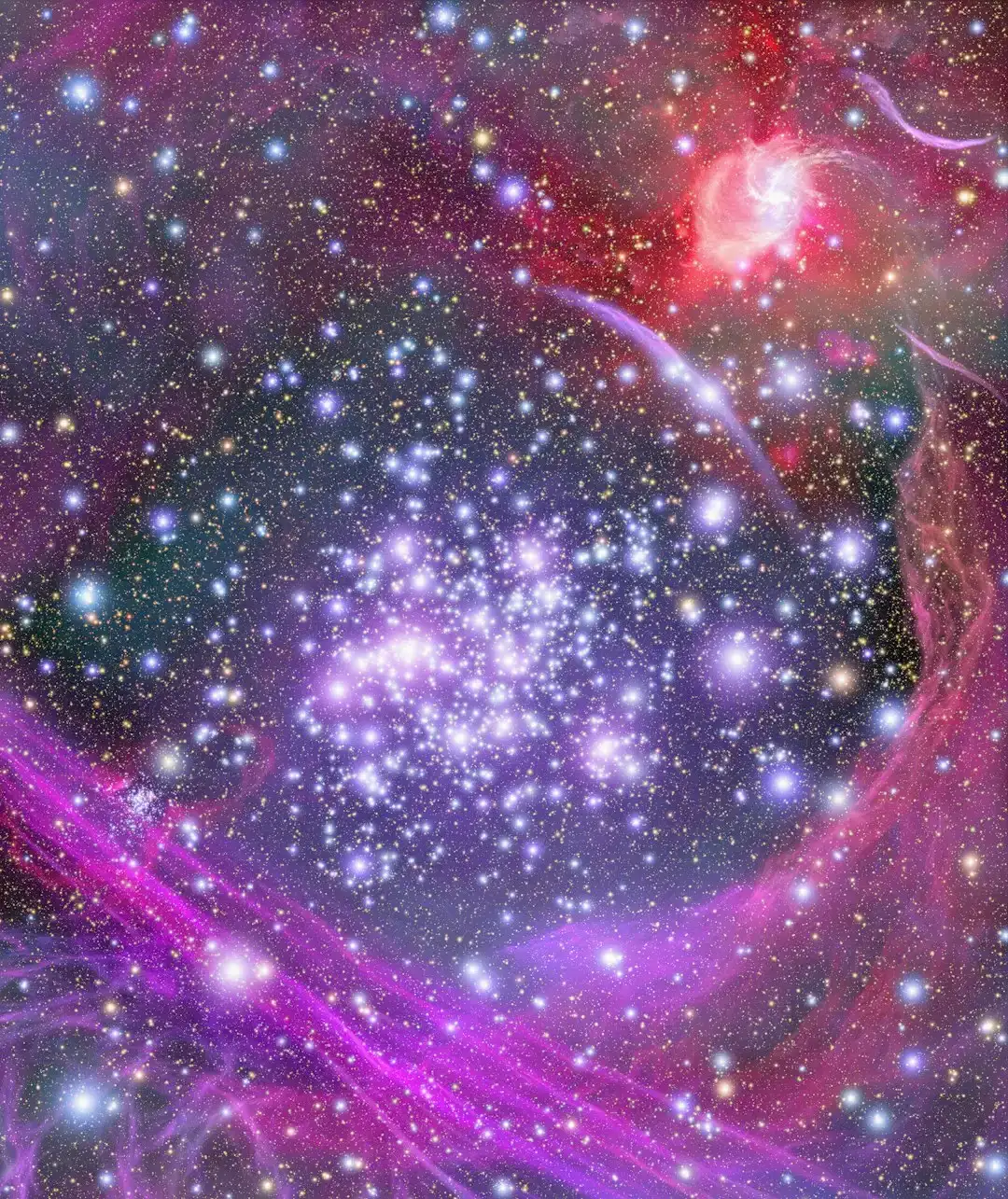
Here’s something that doesn’t make sense at first. The observable universe stretches roughly 93 billion light-years in diameter, even though it’s only about 13.8 billion years old. Wait, how can be wider than the time light has had to travel?
The answer lies in cosmic expansion. Space itself has been stretching ever since the Big Bang, carrying galaxies along with it. This isn’t galaxies racing through static space; it’s the fabric of reality inflating. These measurements come from cosmic microwave background data analyzed by NASA and ESA missions like Planck and WMAP.
That measurement is mind-bending because it shows expanding faster than light could ever hope to travel. The light from the most distant regions has been journeying toward us for billions of years while the source itself moved even farther away.
James Webb Found Molecules That Could Signal Life Beyond Earth

Something remarkable happened between 2023 and 2024. The James Webb Space Telescope detected carbon dioxide and methane in the atmosphere of exoplanet K2-18 b, an alien world sitting 120 light-years from us. This isn’t just any detection. It’s the strongest evidence yet of complex atmospheric chemistry beyond our solar system.
Carbon-bearing molecules including methane and carbon dioxide have been discovered in the atmosphere of the habitable zone exoplanet K2-18 b. This planet orbits a cool dwarf star in what astronomers call the Goldilocks zone, where conditions might allow liquid water to exist.
What makes this even more intriguing is that researchers also detected possible traces of dimethyl sulfide. On Earth, that molecule is only produced by life. Honestly, the implications are massive, though scientists remain cautious until they can confirm the finding with additional observations.
More Than Six Thousand Worlds Beyond Our Solar System
The exoplanet count has exploded. As of December 2025, there are 6,065 confirmed exoplanets in 4,518 planetary systems. The NASA Exoplanet Archive now serves data for more than 6,000 planets, with thousands more candidates waiting to be confirmed.
This wasn’t always the case. The first planet around a sun-like star was only discovered back in 1995. Missions like TESS and the James Webb telescope continue to add to this tally almost weekly. Each new world tells a story about planetary formation, atmospheres, and the diversity of cosmic environments.
Some of these planets are gas giants swirling close to their stars. Others are rocky super-Earths or ice-covered ocean worlds. The variety is staggering, and it reframes how we think about our place in the galaxy.
Black Holes Merge and Send Ripples Across Spacetime
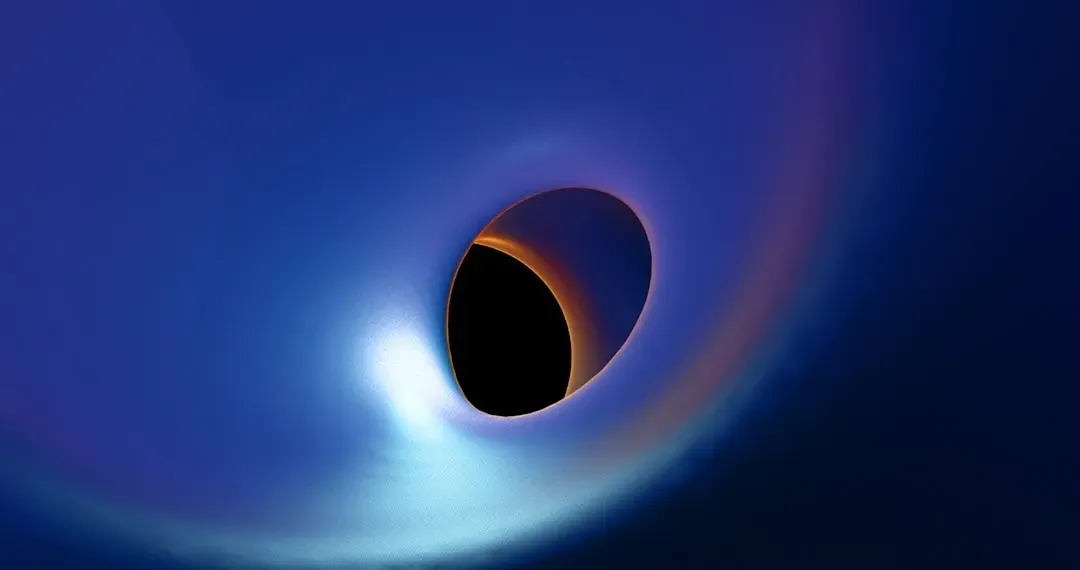
Gravitational waves are no longer theoretical. To date, approximately 300 black hole mergers have been observed through gravitational waves, including dozens detected since the 2023 upgrade of LIGO and Virgo observatories.
These collisions are violent beyond comprehension. When black holes spiral into each other, they release energy equivalent to several solar masses in mere seconds. A pair of distant cosmic black hole mergers measured just one month apart in late 2024 is improving how scientists understand the nature and evolution of the most violent deep-space collisions, validating fundamental laws of physics predicted more than 100 years ago by Einstein.
The most massive merger detected so far, designated GW231123, produced a final black hole approximately 225 times the mass of our Sun. These discoveries are testing Einstein’s theory of general relativity under the most extreme conditions imaginable.
Our Galaxy Contains Hundreds of Billions of Stars
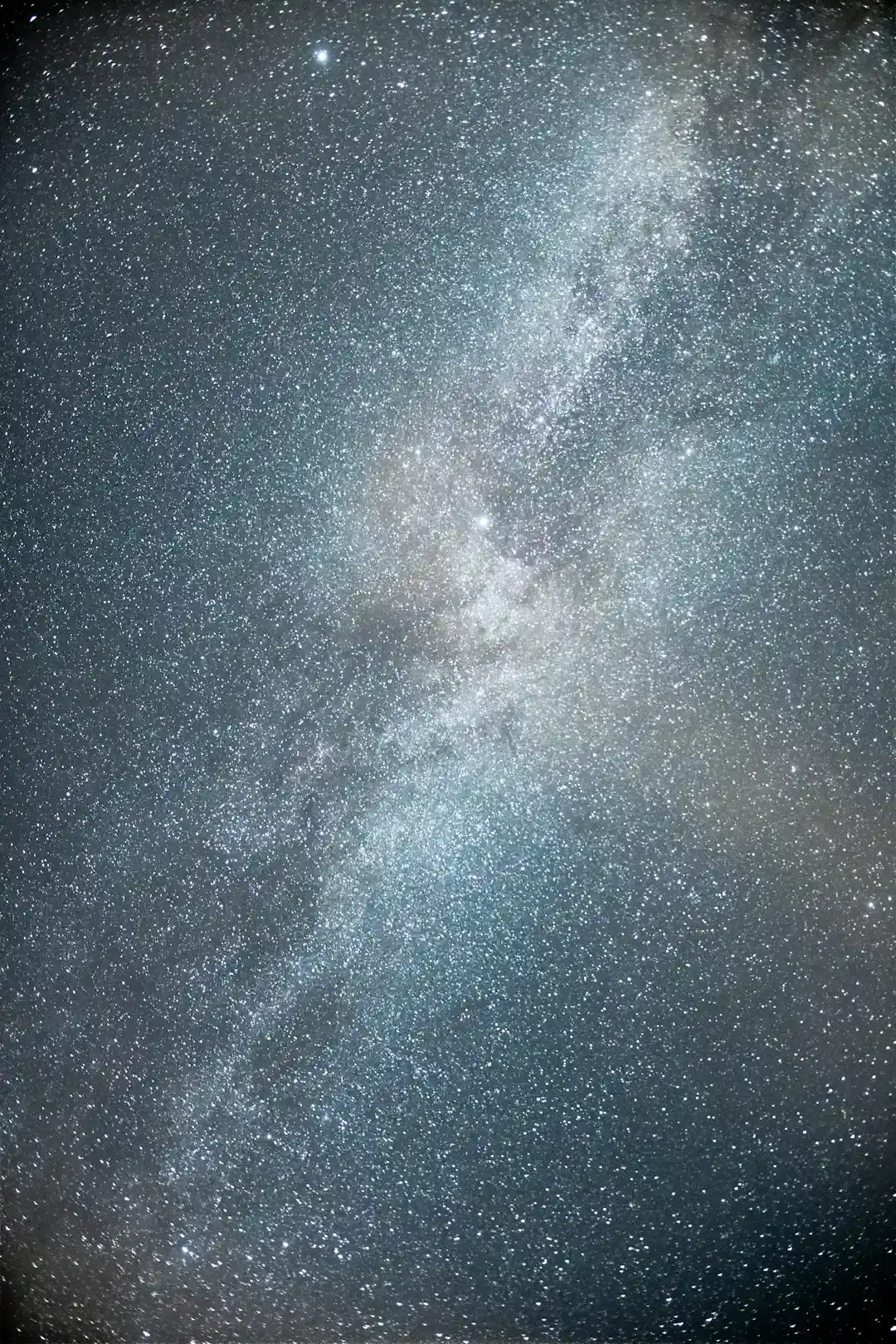
How many stars twinkle in the Milky Way? The answer keeps changing as our measurements improve. According to updated modeling from ESA’s Gaia mission, which refined stellar population estimates using precise parallax data through 2024, the Milky Way contains an estimated 100 to 400 billion stars.
That’s an almost incomprehensible range. Even at the lower estimate, if you tried counting one star per second, it would take over three thousand years to finish. The Gaia mission has been mapping the positions and movements of over a billion stars with unprecedented accuracy.
Each of those stars is a potential sun for planetary systems. Some host rocky worlds. Others might have gas giants or asteroid belts. It’s hard to say for sure, but the sheer number suggests countless worlds waiting to be discovered.
Dark Energy Makes Up Most of
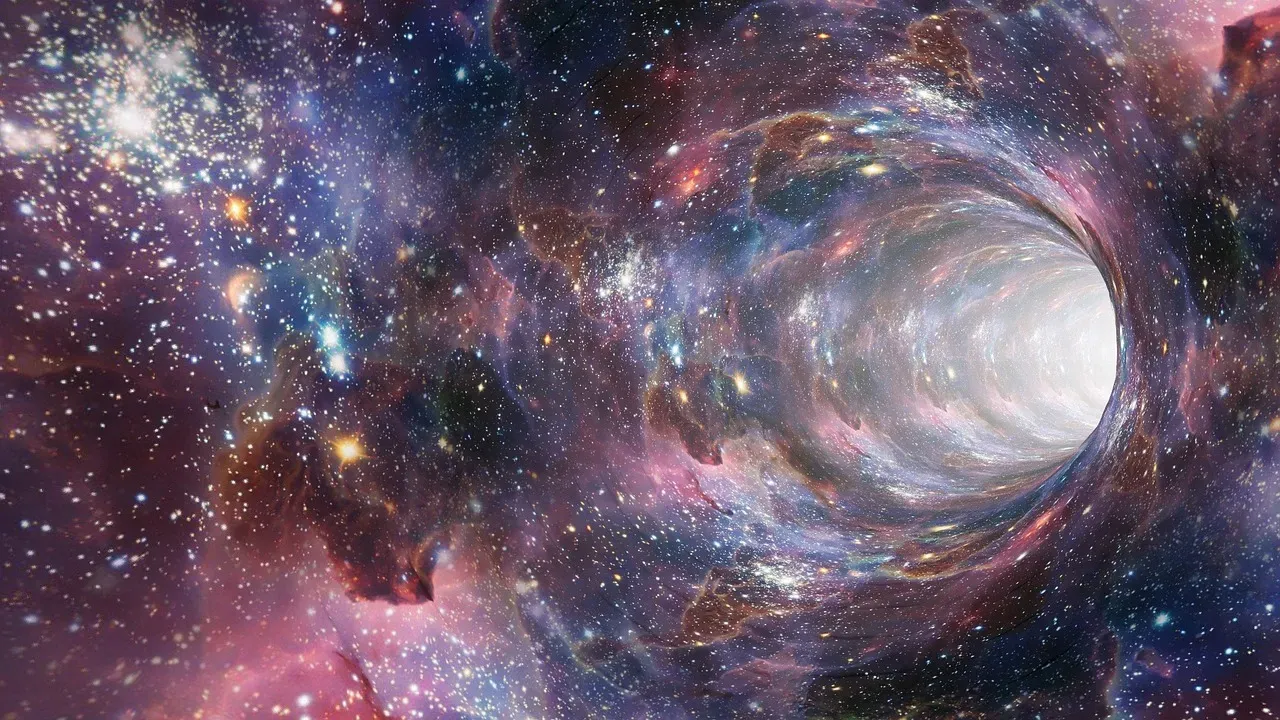
Here’s a weird truth: we have no idea what most of is made of. Roughly 68 percent of is dark energy, a mysterious force driving accelerated expansion. This figure has been reaffirmed by combined data from Planck, the Dark Energy Survey, and newer 2024 cosmological analyses.
Dark energy doesn’t emit light. It doesn’t interact with matter in ways we can easily detect. Yet it’s pushing galaxies apart faster and faster. isn’t just expanding; the expansion itself is speeding up.
Scientists have measured this acceleration by studying distant supernovae and the cosmic microwave background. The results are consistent, but they raise more questions than they answer. What is dark energy, really? Nobody knows yet, and that’s deeply unsettling.
Webb Spotted Galaxies From Just 300 Million Years After the Big Bang
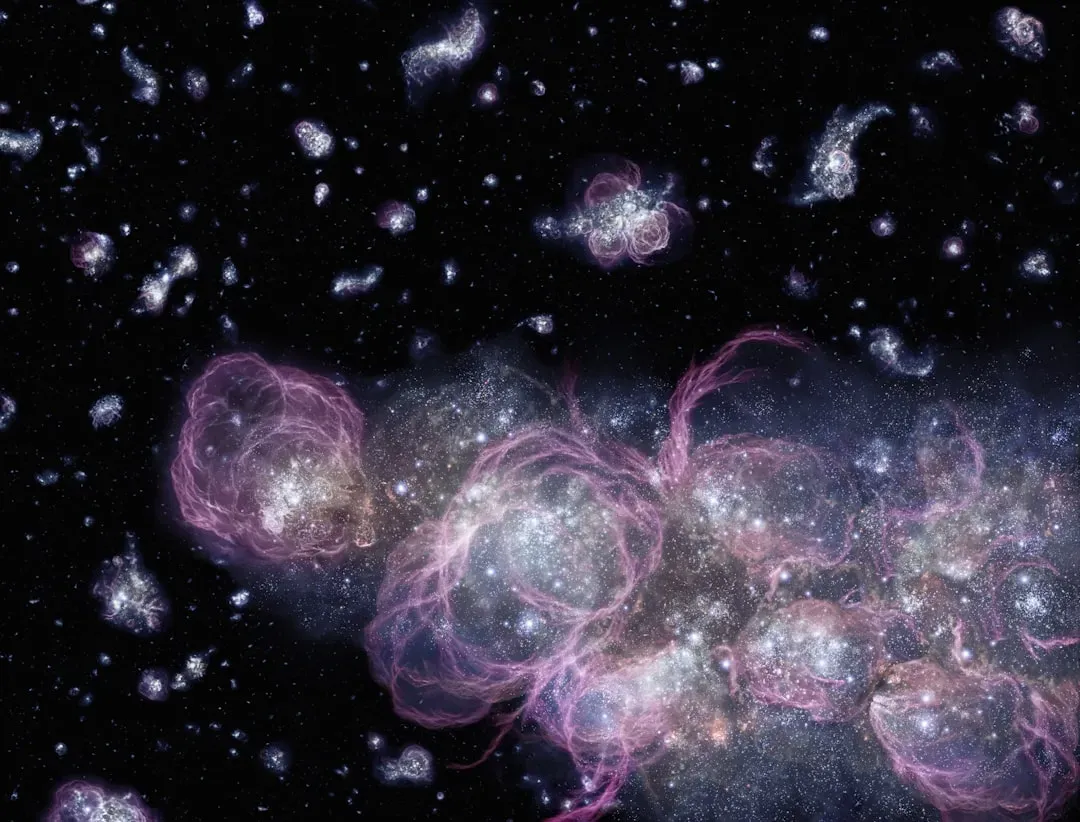
The James Webb Space Telescope has discovered the two earliest and most distant galaxies yet confirmed, dating back to only 300 million years after the Big Bang. These ancient galaxies are incredibly young by cosmic standards.
One galaxy, JADES-GS-z14-0, was determined to be at a redshift of 14.32, observed only 290 million years after the Big Bang. This discovery is challenging earlier models of galaxy formation. Astronomers didn’t expect galaxies to form this quickly.
These findings force scientists to revise timelines for early cosmic structure. It’s stunning that could assemble such complex systems in such a short span of time. The implications ripple through cosmology, suggesting our models of the infant universe need serious adjustments.
Neutron Stars Are Incomprehensibly Dense
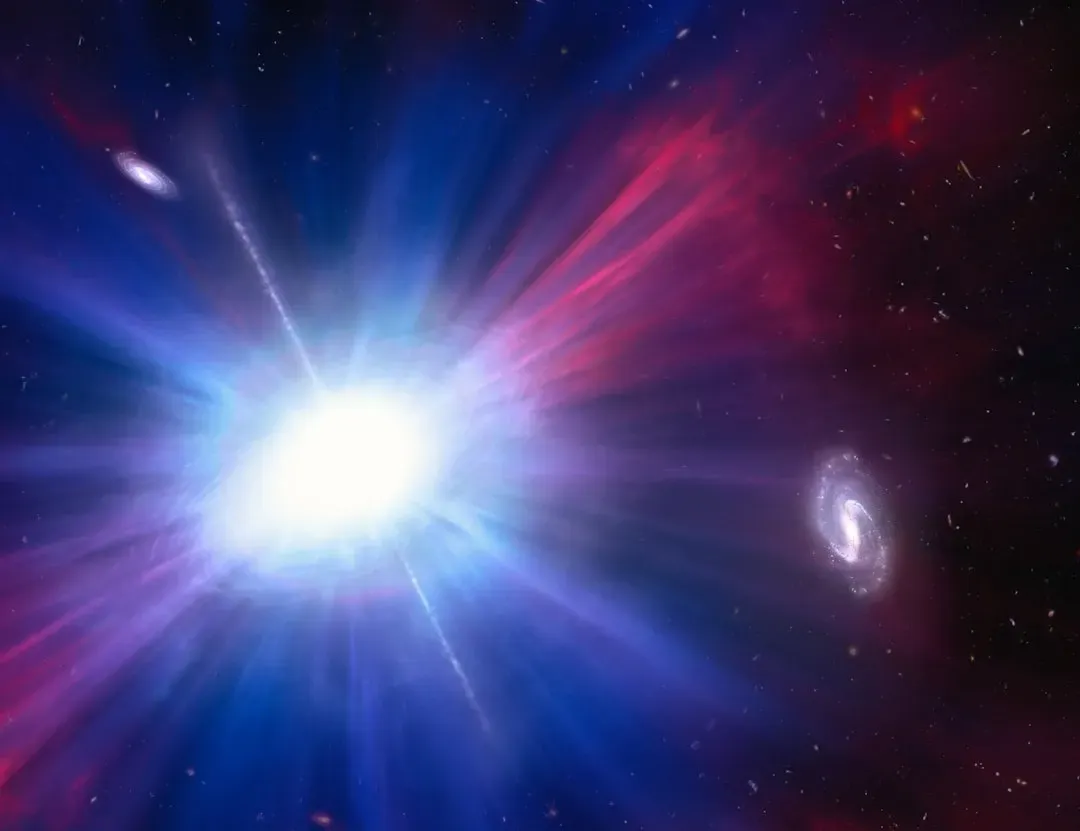
Imagine scooping up a teaspoon of material. Now imagine it weighing about a billion tons. That’s the density of a neutron star. These objects are so dense that a single teaspoon of their material would weigh about a billion tons on Earth, a figure supported by relativistic density calculations published in astrophysics journals through 2023 to 2025.
Neutron stars form when massive stars collapse at the end of their lives. The core gets squeezed so tightly that protons and electrons combine into neutrons. What remains is a ball of pure neutron matter, spinning wildly and generating intense magnetic fields.
These objects can spin hundreds of times per second. Some, called pulsars, emit beams of radiation that sweep across space like cosmic lighthouses. The physics inside a neutron star is extreme, and honestly, we’re still trying to fully understand it.
Fast Radio Bursts Now Linked to Magnetars
Recent studies using the CHIME and ASKAP telescopes in 2024 have confirmed magnetars as a major source of Fast Radio Bursts. These bursts are millisecond-long flashes of radio energy from billions of light-years away.
In 2020, the CHIME telescope detected an extremely intense radio burst from the Galactic magnetar SGR 1935+2154, providing the first direct evidence linking FRBs to magnetars. Magnetars are neutron stars with magnetic fields trillions of times stronger than Earth’s.
For years, the origin of FRBs was a complete mystery. Now we know at least some of them come from these ultra-magnetic stellar remnants. The magnetic fields on magnetars can snap and reconfigure, releasing tremendous bursts of energy in the process.
Isn’t Cooling Uniformly
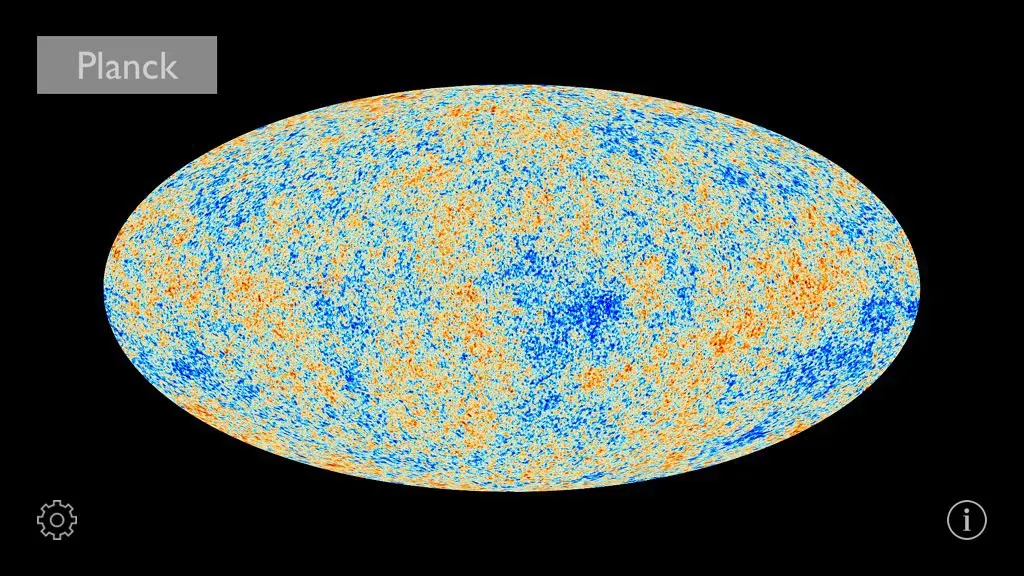
You’d think would cool down evenly as it expands. Turns out, that’s not quite true. Large-scale surveys conducted in 2023 and 2024 have revealed temperature fluctuations in the cosmic background radiation that show subtle variations in early matter distribution.
These fluctuations are tiny, but they matter. They tell us that matter wasn’t distributed perfectly after the Big Bang. Some regions were slightly denser, others slightly less so. Those tiny differences seeded the formation of galaxies, stars, and everything we see today.
Measuring these variations helps cosmologists refine models of the early universe. It’s like looking at the blueprint of cosmic structure, frozen in time when was just 380,000 years old.
What did you think? keeps surprising us, doesn’t it? Every new observation challenges what we thought we knew and opens up fresh mysteries. Which of these facts caught your attention the most?