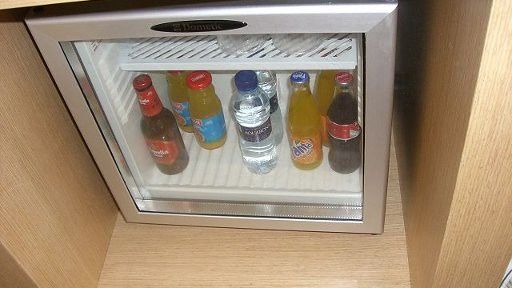
You step into your freshly cleaned Las Vegas hotel room, kick off your shoes, and toss your bag onto the bed. The minibar glitters in the corner like a little treasure chest. You reach over, casually pick up a water bottle just to check the price, and then put it right back down. Harmless, right? Wrong.
What you just did might have already cost you money. In 2026, Vegas hotel rooms have become some of the most automated, sensor-laden billing environments on the planet, and that tiny fridge is the trap most travelers never see coming. Let’s dive in.
The Sensor Technology That Has Been Quietly Charging Guests for Decades
Here’s the thing most guests don’t realize: this isn’t new. Amanda Belarmino, an associate professor at UNLV’s Harrah College of Hospitality, has noted that the sensor technology in hotel minibars dates back to the late 1990s and early 2000s. The technology has simply gotten faster, more accurate, and more deeply integrated with hotel billing systems over the years.
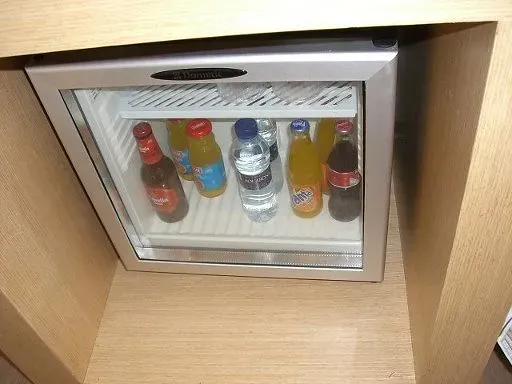
Sometimes hotel staff stock minibars and manually track the items taken, but increasingly common are sensor-equipped minibars that automatically alert staff when items are taken. The moment you touch something, a clock starts ticking. The minibar is equipped with sensors that detect which items have been removed – once an item has been removed, a timer begins, and a guest typically has 60 seconds, or whatever time the hotel specifies, to put the item back or they will be charged.
The $50 Sign That Went Viral for All the Right Reasons
A Reddit post from September 2025 caused widespread outrage when a traveler photographed a sign taped directly to a Vegas hotel minibar. The sign read: “This minibar is not for personal use and is sensory activated. A $50 per stay service fee will be applied for storing personal items or altering existing items within the minibar.” That one small sign summed up what millions of travelers had quietly experienced for years.
As controversial as the policy may have seemed to online readers, hospitality experts confirmed that restrictions like this are not unusual in major hotels, and a professor of hospitality operations and technology at UNLV stated the fees are “very common in the lodging industry” and not unique to Las Vegas properties. Still, the backlash was ferocious. People were furious, and honestly, it’s hard to blame them.
The Paris Las Vegas Cord-Unplugging Fee That Nobody Saw Coming
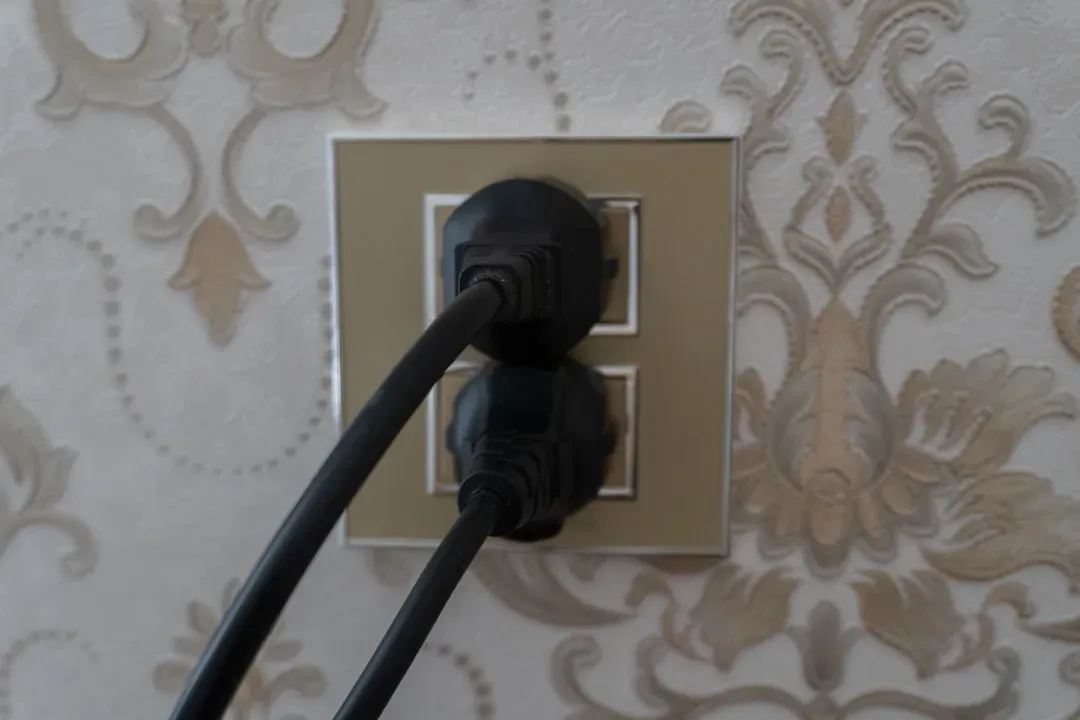
If you thought simply moving a water bottle was bad, wait until you hear about the outlet trap. At Paris Las Vegas, a guest was hit with a $50 “cord-unplugging fee” after unplugging a minibar tray to charge a laptop, and a small sign warned of the fee but it was not placed near the outlet. The charge was not for the snacks. It was for disrupting the sensor tray’s power connection.
One traveler staying at Paris Hotel Las Vegas received a bill for $224 after her son unplugged a tray used for minibar snacks and drinks, with the policy written on a small card stating there is a $56 charge for every day the tray remains unplugged. The logic from the hotel’s perspective is operational: the tray loses power, inventory goes blind, and the system flags tampering. From a guest perspective, the line between reasonable control and revenue tripwire is almost invisible – it’s a user experience failure that treats curiosity like misconduct.
How Accurate Are These Sensors? The Answer Is Unsettling
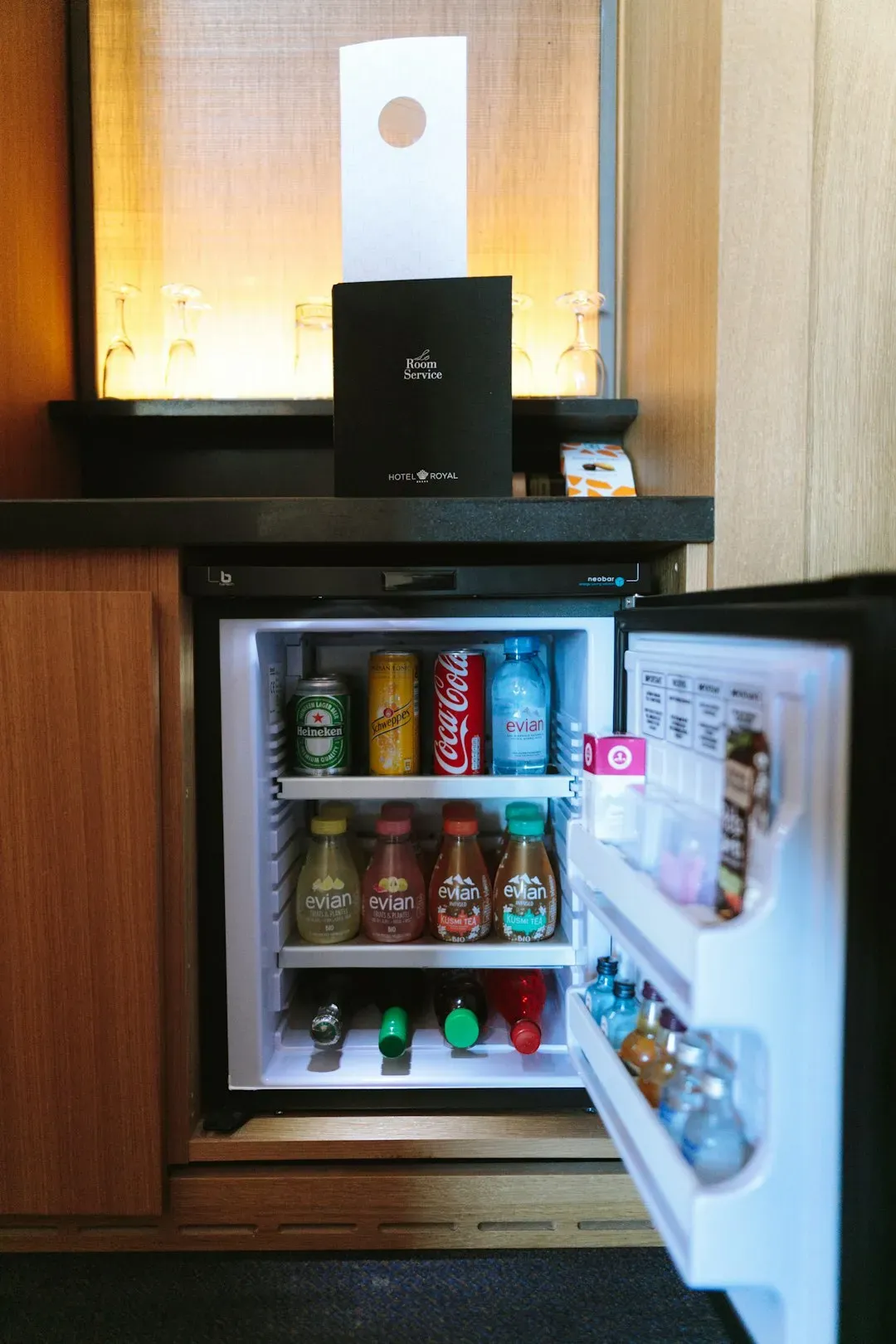
Think those sensors are forgiving? Think again. Modern minibar technology has outpaced most home security systems, and at Caesars Palace, weight sensors accurate to 0.1 grams reportedly mean that even removing a very small item can trigger a charge. That is not a typo. We’re talking about sensors so sensitive, they can detect the weight shift of a single small item leaving a shelf.
The Cosmopolitan has been reported to use RFID tags that bill guests if an item moves more than two inches from its designated spot. You don’t even need to remove something from the fridge. Moving it slightly, maybe to read a label or shift it aside to make room, can be enough. In some hotels, guests are automatically charged for minibar items when minibar sensors detect anything has been moved for more than 60 seconds, meaning even innocently browsing items or examining labels could leave you with an unexpected charge on your final bill.
The Ancillary Revenue Machine Behind the Minibar

Let’s be real: none of this is accidental. The minibar exists because hotels have made a calculated business decision. In 2025, rising labor costs, unpredictable demand, and relentless online travel agency commissions mean that even a fully booked property can feel like it’s barely profitable. The room rate pays the bills, but it rarely builds serious profit, and that’s where ancillary revenue comes in – it’s the “hidden engine” behind a hotel’s bottom line.
Ancillary revenue is becoming a game-changer, often making up 20 to 30% of a hotel’s total income. The minibar is one of the oldest tools in that toolkit. A Skift report found that 85% of hoteliers expect ancillary services to become a primary revenue driver by 2025. That pressure filters straight down to the little fridge in your room, the one you’re not supposed to touch.
Partner offer
When the System Gets It Wrong: The False Charge Problem
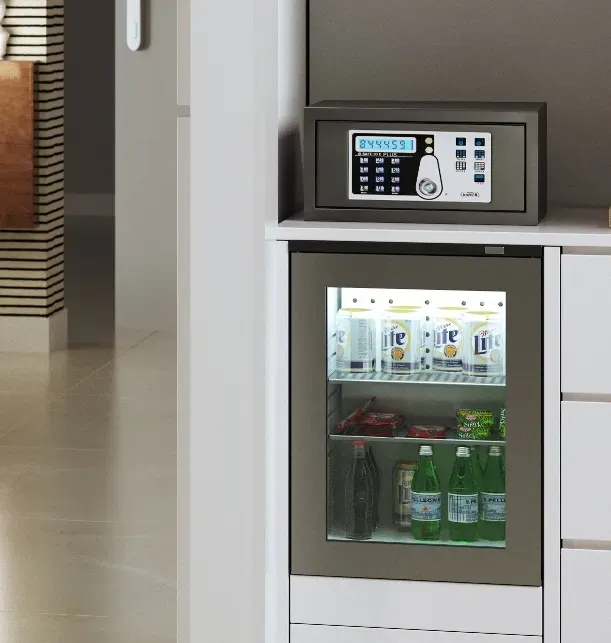
Here is something that should genuinely alarm every traveler: the sensors are not perfect. According to one account referencing a manager at Caesars Palace Hotel in Las Vegas, up to 90% of the minibar’s automatic charges can be erroneous. Nine out of ten. That is a staggering error rate for a system that is still actively billing guests.
Incorrect charges can occur when guests inadvertently trigger sensors, and friction often occurs due to guests missing the signage and removing items. The burden then falls on the guest to dispute the charge, usually after checkout. Because it’s unlikely that you or the hotel have proof of whether you actually consumed something from the minibar, settling false minibar charges can feel deeply unsettling, and even if your charge gets refunded, the time you spent disputing it is likely worth more than the charge itself.
Resort Fees, Minibar Traps, and a City Feeling the Consequences
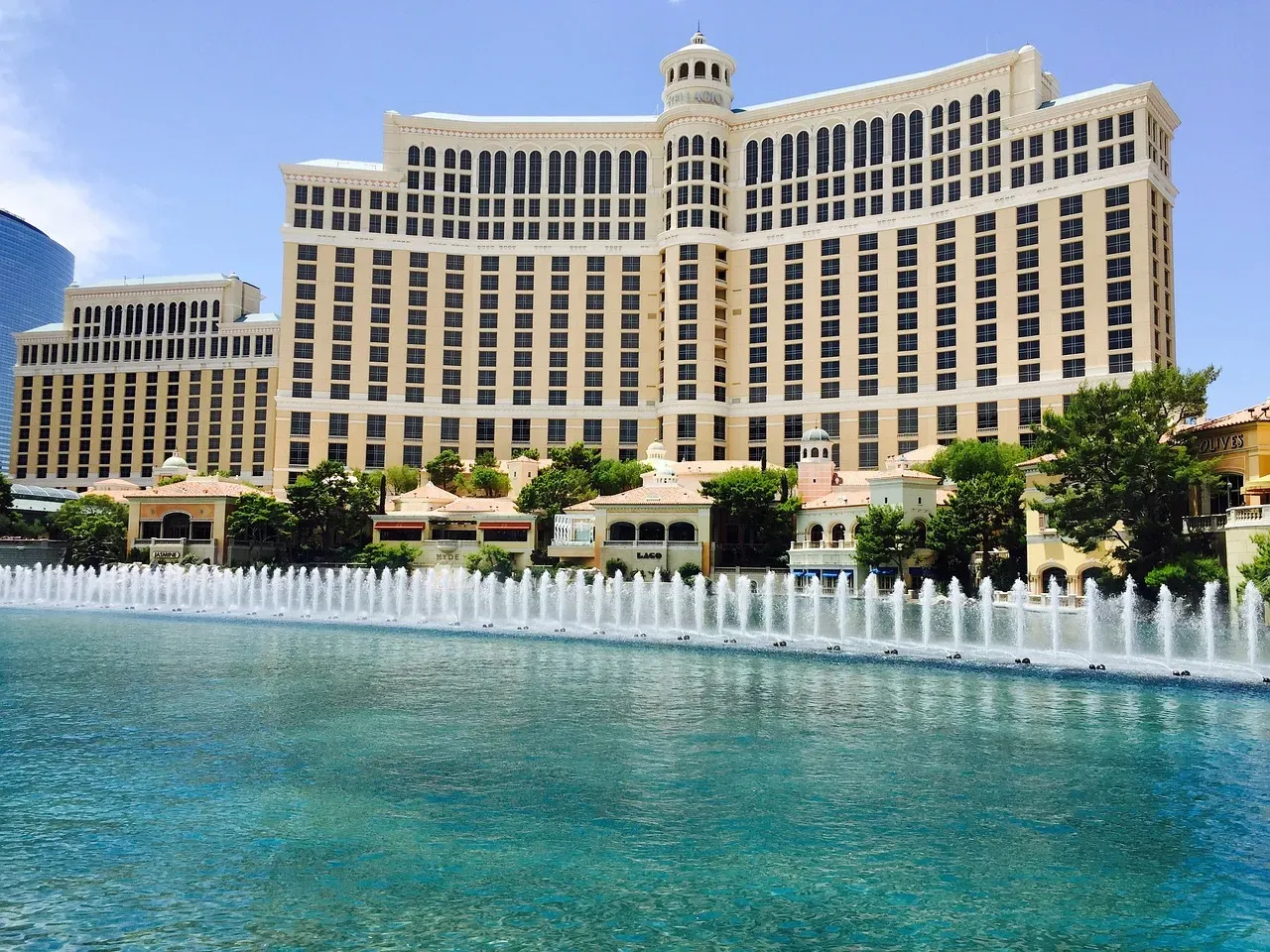
The minibar problem doesn’t exist in isolation. It’s part of a much wider fee culture that has started to genuinely hurt Las Vegas tourism. In 2025, visitor numbers dropped about 7.4% to approximately 35.4 million, the lowest since the early 2000s and the sharpest decline since the pandemic, with tourists and industry insiders alike pointing to the city simply becoming too expensive. That is a serious wake-up call.
A poll of over 15,500 people delivered a brutal verdict, with nearly nine in ten respondents saying Las Vegas has become too expensive for tourists. Out of the 90 hotels tracked in 2025, 62 increased their resort fees in recent months, averaging over $40 per hotel per night, representing an 11% increase over the previous year. Add minibar sensor fees on top of that, and a “budget” Vegas trip evaporates fast.
The FTC Stepped In, But Here’s What It Actually Changed
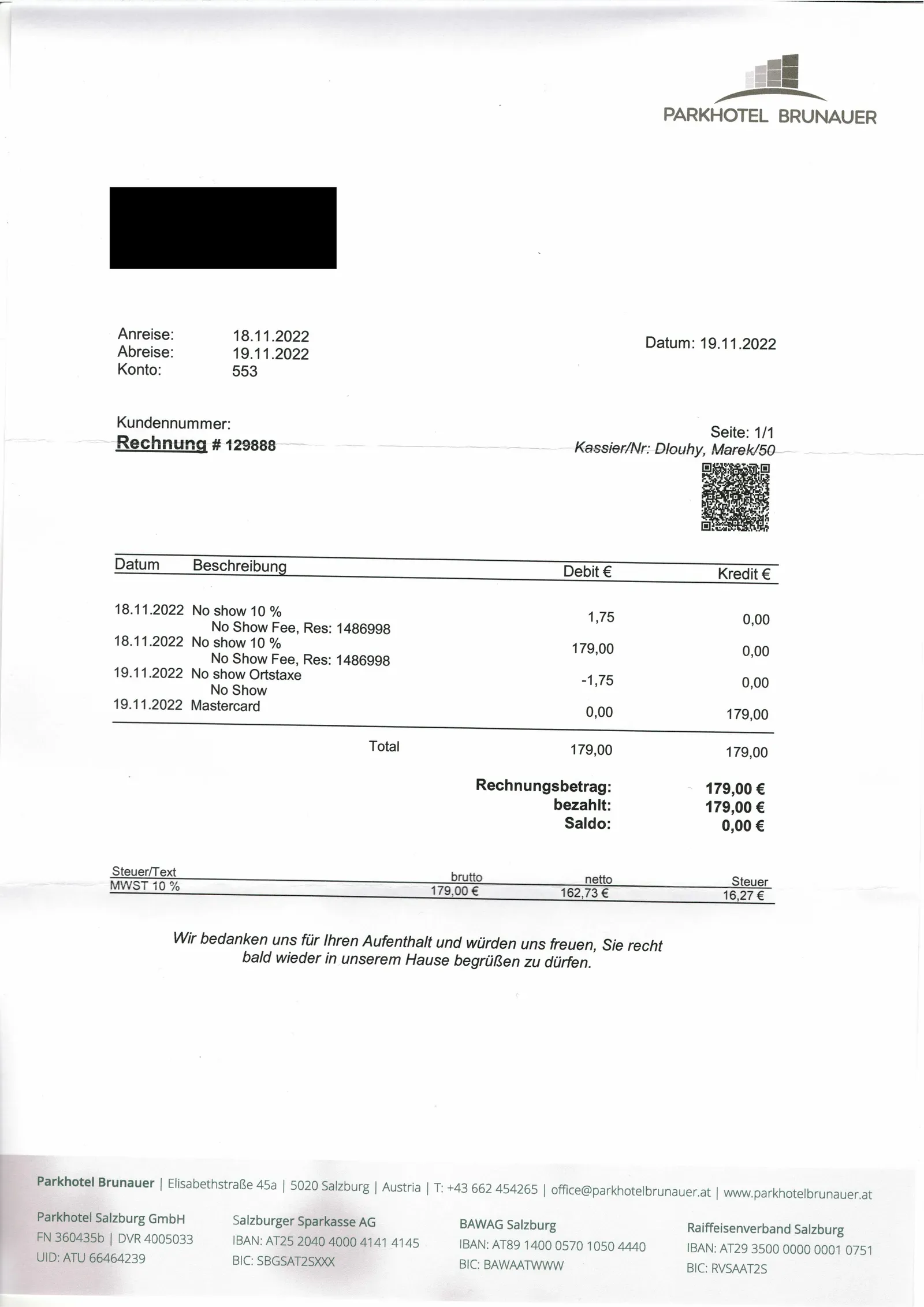
Consumer frustration eventually reached the regulators. The Federal Trade Commission voted to finalize a rule that will ban lodging companies and resellers from hiding mandatory and junk fees when they are advertising or displaying pricing. On paper, that sounds like a victory for travelers. In practice, it’s more complicated.
The FTC’s junk fee rule took effect in May 2025, requiring hotels to display total prices including all mandatory fees before the booking button appears. The rule ended bait-and-switch pricing but did not ban resort fees or limit how much hotels can charge. Casinos simply show the higher total upfront now. Minibar sensor charges, being conditional and usage-based, remain in a grey zone that the rule doesn’t fully address. It’s a step forward. It’s not a solution.
How to Actually Protect Yourself in 2026
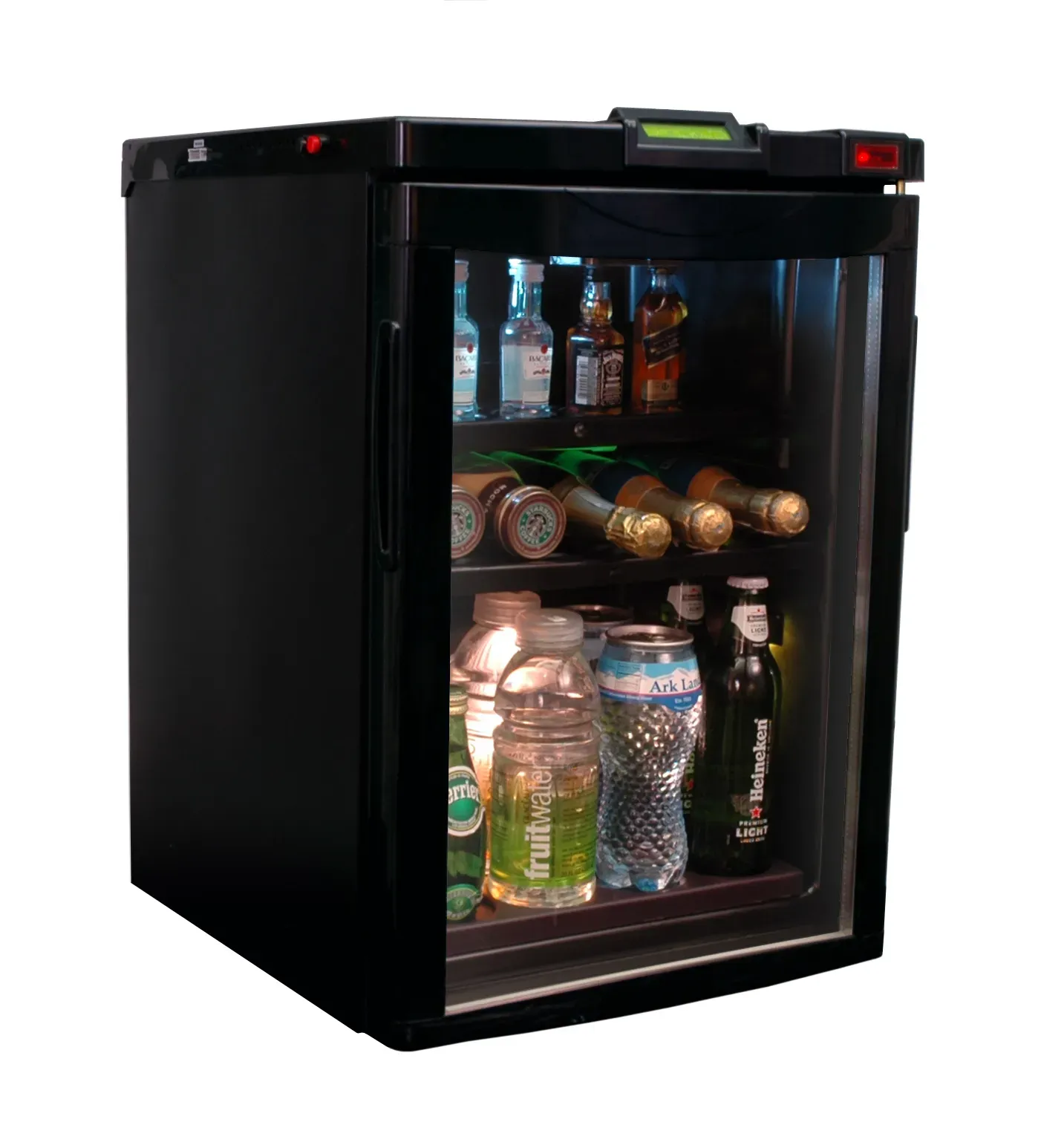
So what can you do? First and most importantly: the best practice is to avoid touching items in sensor-equipped minibars entirely. Full stop. Treat that minibar like a display case in a museum. Look, but don’t touch, and honestly, don’t even think about rearranging anything to make space for your own groceries.
Most hotels will provide a fridge free of charge for medical needs such as medication like insulin or for breast milk and baby formula. For everyone else, ask at check-in whether a non-sensor fridge can be provided for a small fee. Guests who have tripped sensors have successfully disputed charges at checkout by reviewing their bills carefully, and warnings are typically given verbally at check-in, in fine print, and often on the minibar itself. Read everything. Dispute early. Never just accept a charge you don’t recognize.
The Bigger Picture: Automation, Trust, and the Future of In-Room Tech

Here’s where this all gets genuinely fascinating. The global hotel ancillary revenue platform market was valued at approximately $2.73 billion in 2024 and is experiencing robust expansion at a compound annual growth rate of 13.2%, with projections pointing to nearly $8 billion by 2033. Minibar sensor systems are just one small piece of a vastly growing automated hospitality machine.
Dynamic pricing strategies now extend beyond room rates to include personalized packages, upselling opportunities, and exclusive add-ons. The minibar of 2026 is not just a fridge. It’s a data point, a revenue trigger, and a behavioral monitor all at once. Experts say the viral controversies of recent years underscore one thing above all: communication, clear signage, honest explanations, and upfront options can make all the difference between a frustrating stay and a seamless one. Until that transparency becomes standard, your safest bet in Vegas is simple: admire the minibar from a distance, pack your own snacks, and always, always review your bill before you hand over that key card.
The next time you check into a Vegas hotel, ask yourself before you reach for that overpriced bottle of water: is a $26 sip really worth the risk? What do you think? Have you ever been hit with a surprise minibar charge? Tell us in the comments below.
Partner offer
Planning a trip to Vegas?
Compare hotel rates and show tickets on VEGAS.com.