


There’s something uniquely unforgiving about nighttime motorcycle riding in Las Vegas. The neon glow creates an illusion of visibility, but the reality on the highways is far less forgiving than it looks from a casino window. Reduced visibility, impaired drivers moving through a city that never closes, and high-speed corridors all converge to create conditions that demand full attention from everyone on the road.
Las Vegas is not just a tourist destination. It’s a 24-hour city where highway traffic patterns don’t follow the natural rhythms of most American cities. For motorcyclists navigating those roads after dark, the stakes are measurably higher.
The Numbers Behind the Risk

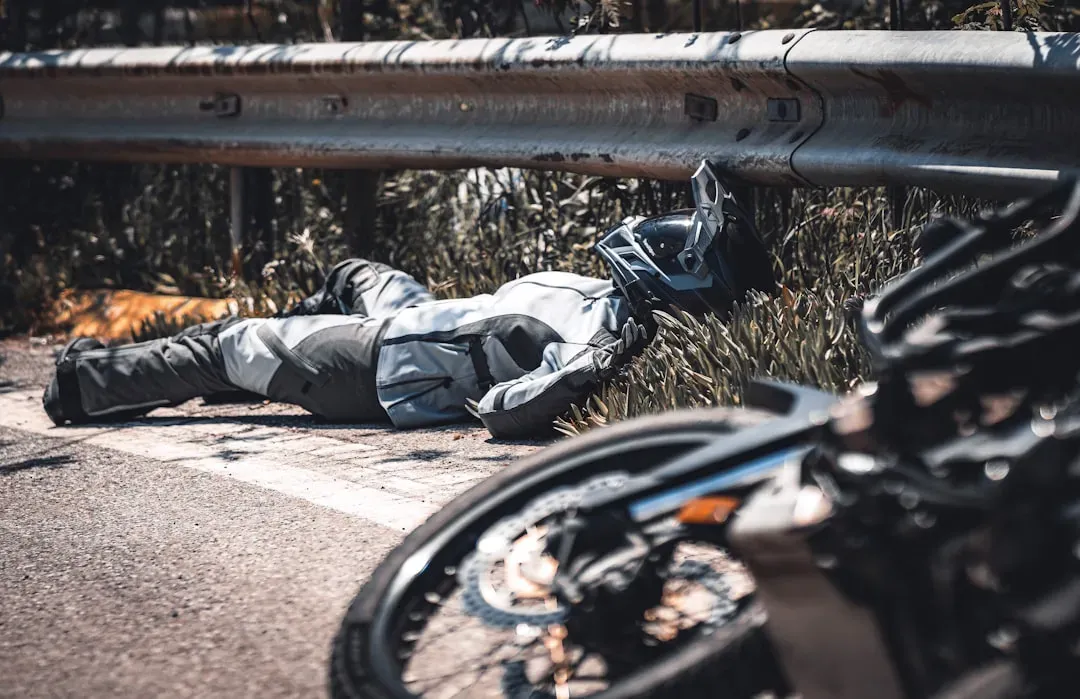
The raw statistics tell a story that goes well beyond general motorcycle safety messaging. Motorcycle fatalities in Nevada rose sharply, with 82 riders losing their lives in 2024, representing a 28% increase from the previous year. That figure tracks a disturbing upward trend that safety advocates have been monitoring closely since 2023.
In 2023, roughly 5,900 motorcyclists died in traffic crashes nationwide, representing 14% of all traffic fatalities despite motorcycles making up only 3% of registered vehicles. That proportion alone captures the disproportionate vulnerability riders carry simply by choosing two wheels over four. The exposure gap between motorcyclists and other road users remains wide, and Las Vegas sits at a particularly sharp edge of it.
Nationally, 2023 saw the highest number of motorcycle fatalities ever recorded according to the Insurance Institute for Highway Safety. Context matters here: more people are riding, but infrastructure and driver awareness haven’t kept pace.
Clark County Bears the Heaviest Burden

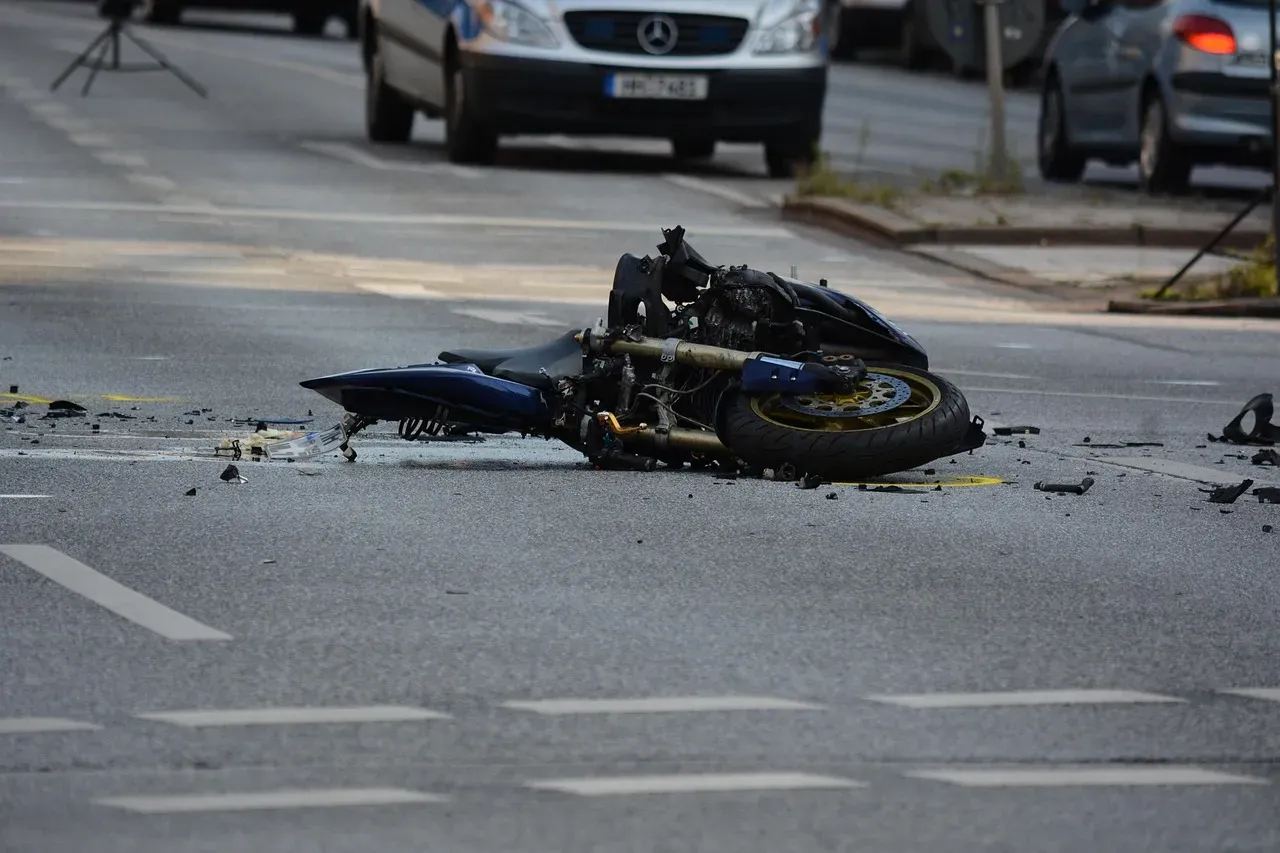
Clark County, which includes Las Vegas, consistently bears the heaviest burden of Nevada’s motorcycle fatalities, accounting for over 70% of such incidents statewide. That concentration isn’t random. It reflects the density of traffic, the volume of unfamiliar drivers, and the sheer number of hours during which nighttime riding occurs in a city with no actual closing time.
Motorcyclists accounted for more than 23% of all roadway fatalities in Nevada from 2018 to 2022, and Clark County had the highest number of motorcycle accident deaths, 78% of which occurred in urban areas like Las Vegas. The urban environment introduces its own particular hazards. Complex intersections, sudden stops, and dense cross-traffic all demand a level of awareness that most car drivers don’t fully extend to motorcycles sharing their lanes.
Interstate 15, which cuts through Las Vegas, sees a disproportionate number of motorcycle accidents. The highway’s heavy traffic volume, combined with tourist drivers unfamiliar with local conditions, creates challenging conditions for motorcyclists.
The Nighttime Multiplier

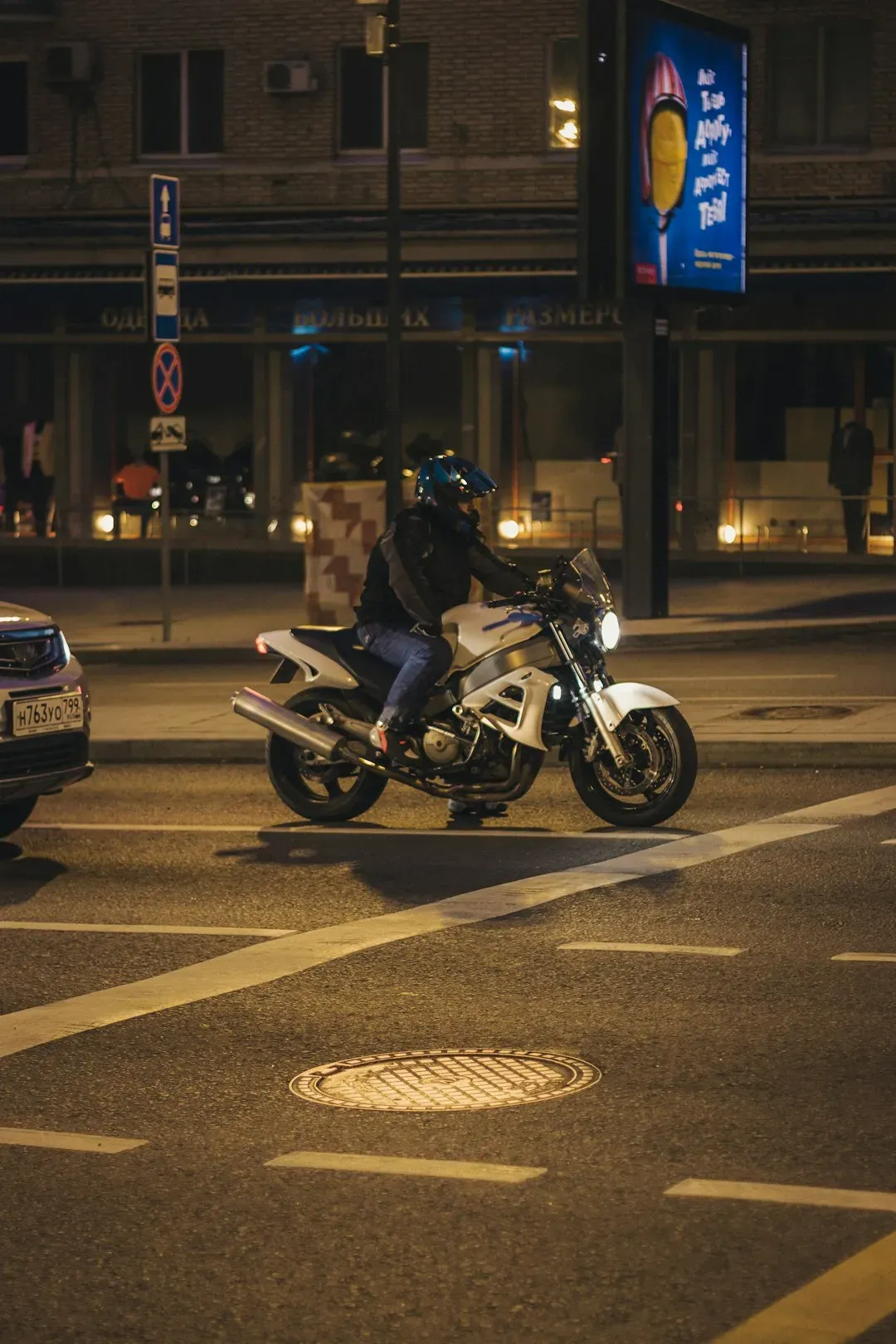
Darkness changes the equation on any road. NHTSA data indicates that fatal crash rates are roughly three times higher at night compared to daytime driving per mile traveled, according to Federal Highway Administration figures. That multiplier doesn’t care how experienced a rider is. It’s a function of visibility, reaction time, and the behavior of everyone else on the road.
Nevada law requires motorcycles to run headlights at all times, day and night, specifically to address this visibility gap. Even so, the combination of ambient lighting from the Strip and the absence of contrast between a motorcycle and surrounding traffic creates a perceptual challenge for drivers, particularly those encountering the roads for the first time.
Most pedestrian and cyclist incidents in Las Vegas occur at night, worsened by poor lighting or distracted driving, a pattern that applies equally to motorcyclists on those same high-speed corridors.
Impairment and a City That Never Closes

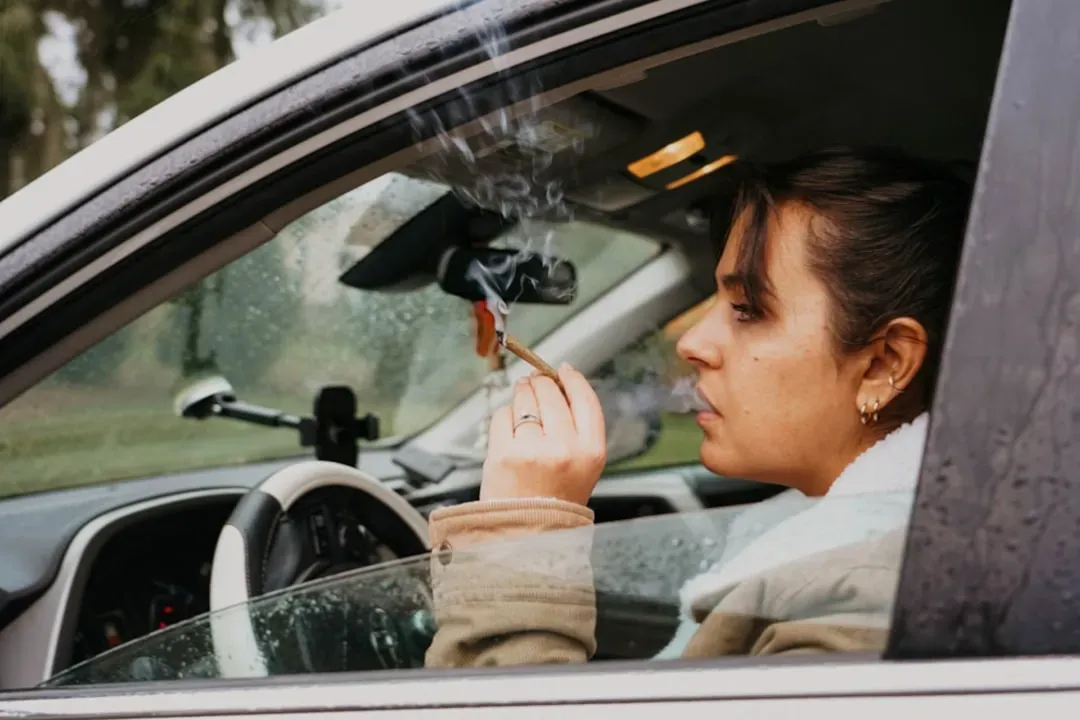
The Nevada Department of Transportation has stated that impaired driving is the leading cause of motor vehicle crashes, injuries, and fatalities in the state. This is especially true in Clark County, with many people coming to Las Vegas to enjoy alcoholic beverages and partake in recreational marijuana. The tourism model that drives the Las Vegas economy also consistently introduces impaired drivers onto its highways at every hour.
Las Vegas’s 24-hour entertainment industry means impaired drivers are on the road at all hours, not just late at night. The Nevada Department of Transportation reports that alcohol involvement in motorcycle fatalities occurs in approximately 30% of cases. That figure aligns closely with national NHTSA data showing roughly 28% of motorcycle riders involved in fatal crashes had a blood alcohol concentration at or above the legal limit.
Impairment isn’t always in the rider. Often, it’s the driver of the vehicle that fails to see the motorcycle at all. On a Friday night on the I-15, both possibilities are very much in play simultaneously.
Speeding: The Silent Amplifier

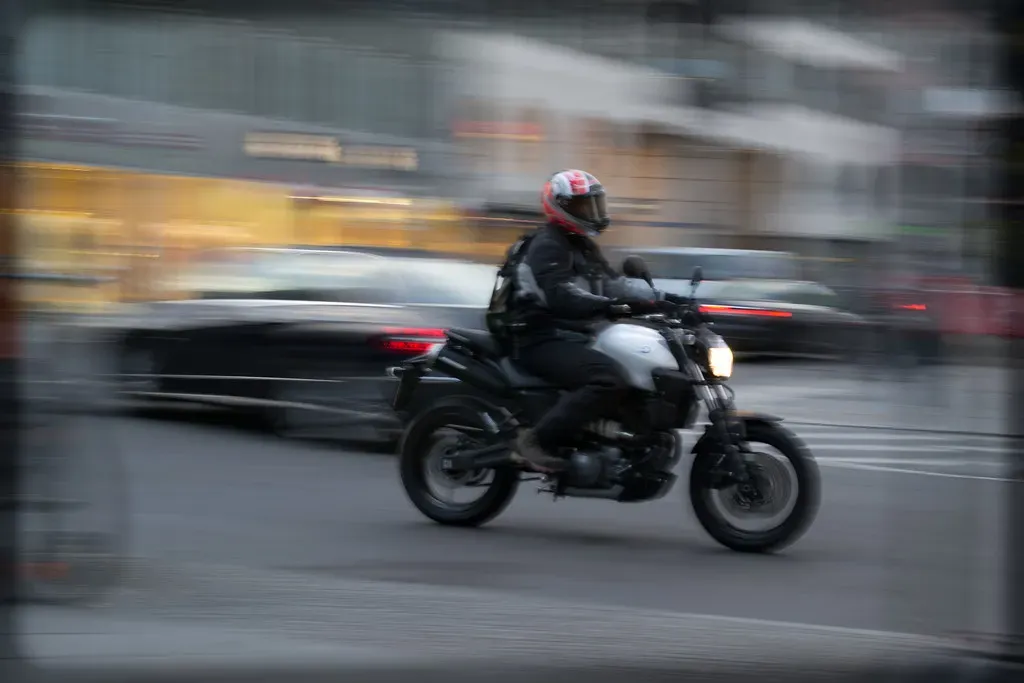
Speeding was identified in nearly one third of drivers involved in fatal motorcycle crashes in Nevada, the highest proportion among high-risk states analyzed. Speed reduces stopping distance, shrinks the window for corrective action, and dramatically increases the severity of impact. For motorcyclists, there is no crumple zone absorbing that energy.
The increase in motorcycle fatalities has been attributed by authorities to reckless driving behaviors along with speeding. LVMPD Traffic Bureau Captain Jeff Coday made it clear that motorcyclists should reduce their speed and follow traffic laws to avoid future accidents. On a Las Vegas highway at night, the temptation to open up the throttle on an open stretch is real. So is the consequence.
Any driver who exceeds the speed limit reduces the time and distance they have to react to a sudden change in the road. Accidents are not only more likely to occur at higher speeds but are also more likely to result in severe or fatal injuries. That principle applies to cars and motorcycles alike, but motorcycles have no safety shell to fall back on.
The Visibility Problem Is Structural

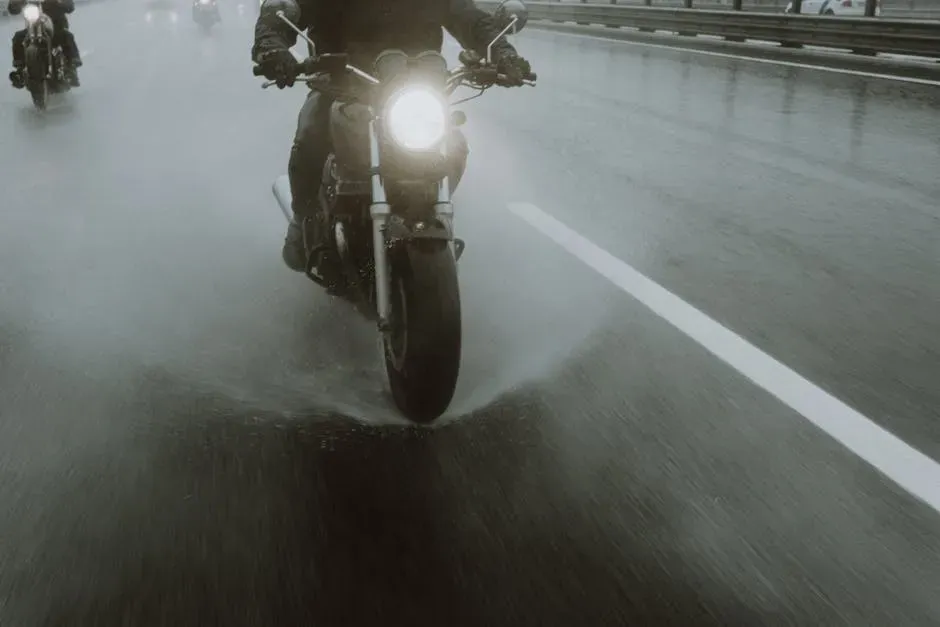
NHTSA research consistently identifies driver failure to detect motorcycles as a leading cause of multi-vehicle crashes, particularly in low-light conditions. Motorcycles are narrower, have a smaller frontal profile, and are visually underrepresented in the mental models many drivers hold when scanning traffic. The problem isn’t simply inattention. It’s the way human visual processing prioritizes the unexpected.
NHTSA claims a majority of motorcycle crashes nationally are caused by car drivers who do not see the motorcyclist they make contact with. On a Las Vegas highway at night, where a rental car driver may be navigating from a phone while processing directions to a hotel, that failure of detection has especially sharp consequences.
The city’s tourism and nightlife activities result in more traffic and higher risks of driving under the influence, compounding the visibility problem with driver impairment. The two risks stack, and motorcyclists absorb the result.
Helmet Laws and the Lifesaving Gap

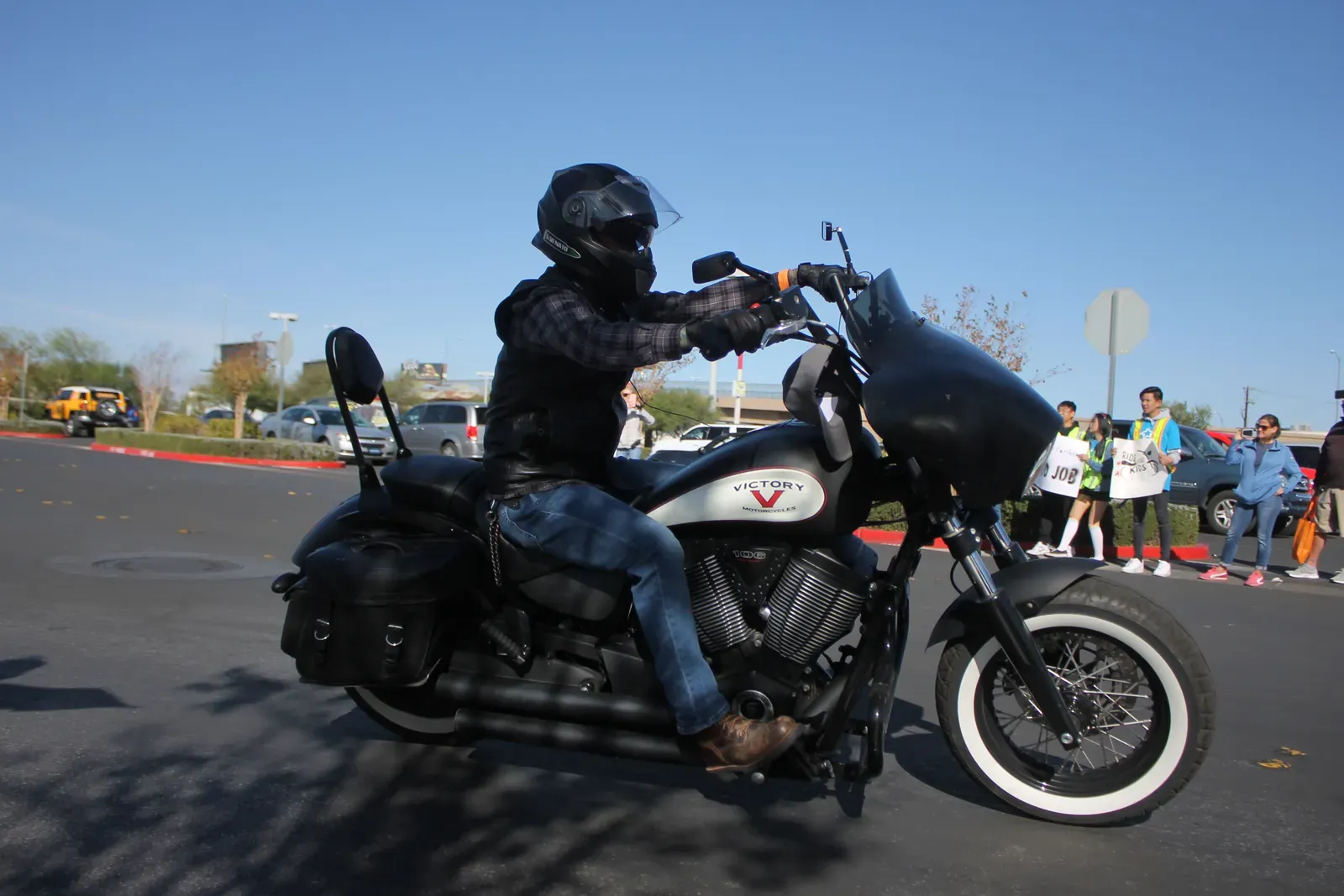
Nevada enforces a universal helmet law requiring DOT-standard helmets for all riders regardless of age. That policy places Nevada among the more protective states in the country when it comes to mandatory helmet use. The CDC estimates that helmets reduce the risk of death by 37% and head injury by 69%, which is especially critical during high-speed nighttime crashes.
Even properly worn helmets cannot fully prevent fatal outcomes in high-impact collisions, highlighting the need for additional safety measures beyond protective gear. Helmets are essential, but they operate within limits. At freeway speeds on a Las Vegas highway, a helmet is the last line of defense, not the first.
The gap between what helmets can do and what crashes demand is a reminder that protective gear works best when paired with speed management, visibility strategies, and genuine awareness from all road users.
Rider Experience, Training, and the Licensing Reality

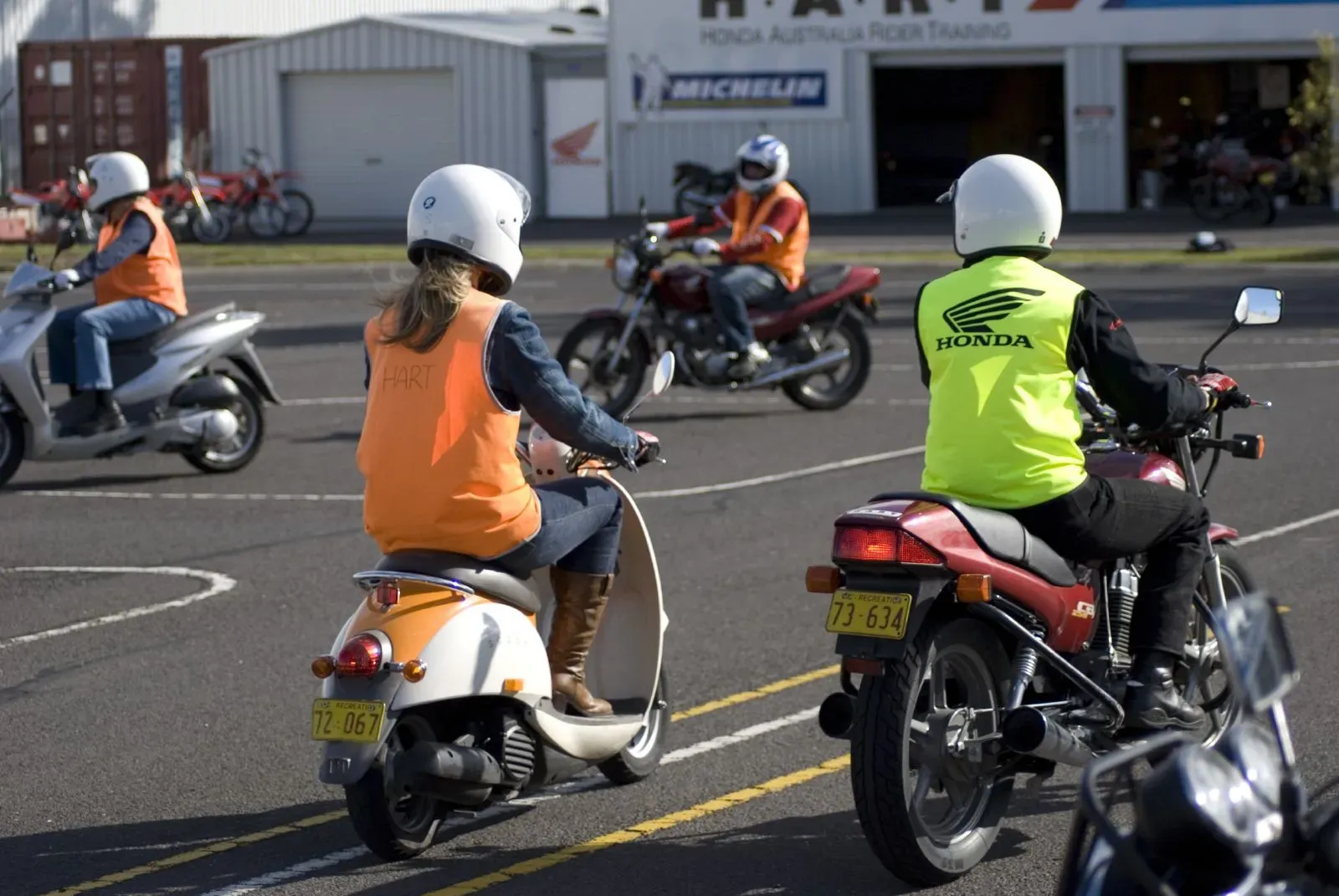
With over 86,000 registered motorcycles on Nevada roads, awareness of accident statistics, contributing factors, and safety laws has never been more important. LVMPD confirmed in media interviews that rider inexperience is a causal factor in the majority of fatalities. Experience matters enormously on a motorcycle in ways that don’t translate from cars. Countersteering, emergency braking, and reading road surfaces at night are skills that require deliberate practice.
Nationally, roughly one third of fatally injured motorcyclists had no valid motorcycle license in 2023 according to NHTSA data. Riding without proper licensure means riding without formal training. On a busy Las Vegas highway after midnight, surrounded by tourists and impaired drivers, that gap in preparation carries real weight.
Nevada has implemented various initiatives to address motorcycle safety concerns, with strict enforcement of helmet and DUI laws remaining a priority throughout the state. Complementing enforcement efforts, statewide and local campaigns focus on raising awareness, improving road safety, and enhancing rider education. These programs help, but they reach people who are already engaged with the safety system. The riders most at risk are often the ones not paying attention to the campaigns.
Conclusion: Awareness Has to Come From Both Directions
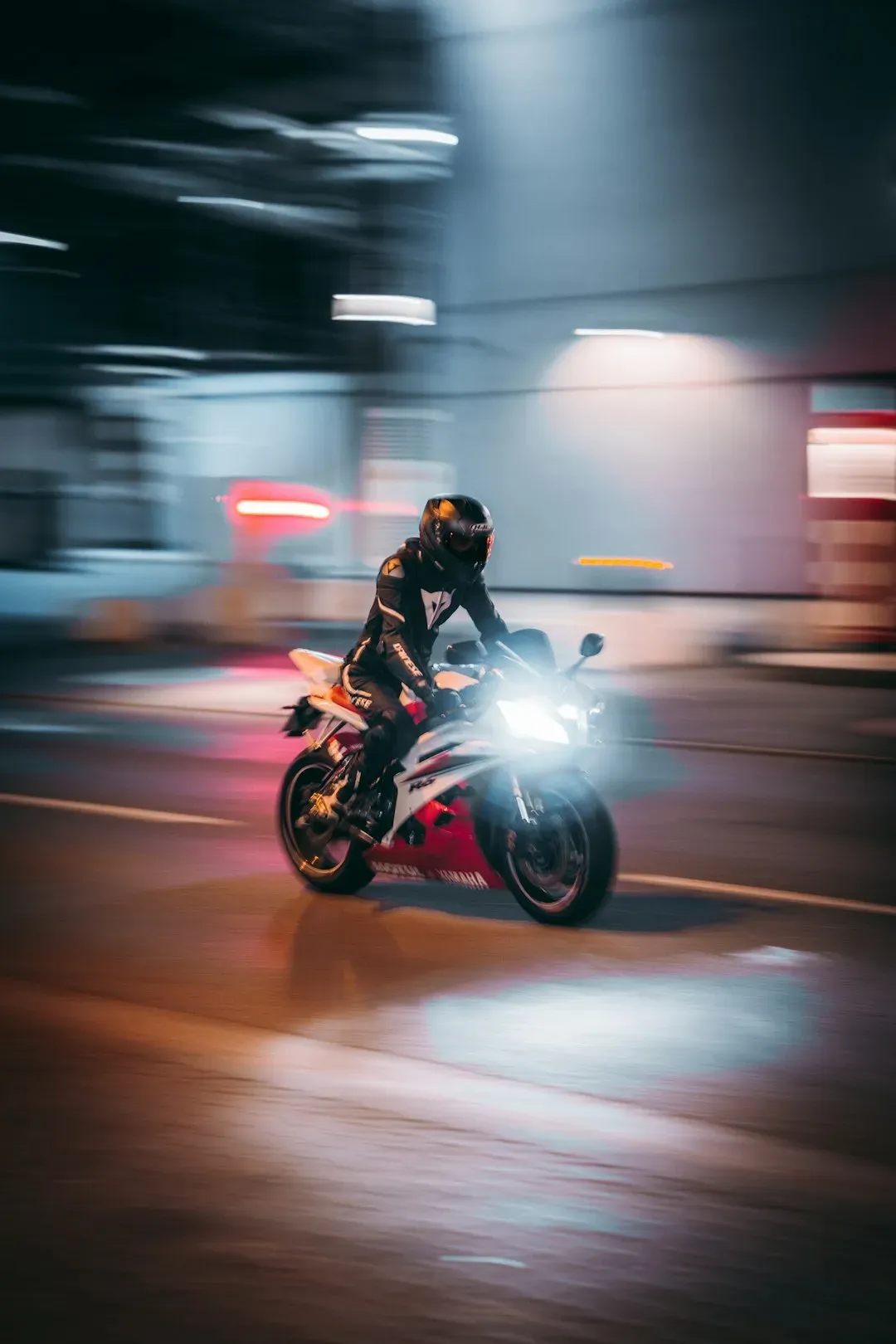
The data from 2023 and 2024 points clearly in one direction. Motorcyclist fatalities in Nevada jumped 28%, from 64 in 2023 to 82 in 2024. Behind every number is a rider who shared the road with drivers who may not have been looking, or a rider who pushed harder than the conditions allowed. Often it’s both at once.
Las Vegas highways at night are not inherently more dangerous than other urban roads, but they combine an unusual set of pressures: heavy tourist traffic, constant impairment risk, high speeds, and a visual environment that can create false confidence. Motorcycle awareness can’t be one-sided. It requires riders who respect the conditions and drivers who genuinely look for the vehicles they least expect to see.
The Strip looks manageable from the sidewalk. From the seat of a motorcycle at 70 miles per hour on the I-15, it looks very different. That gap in perspective is exactly where the problem lives.


