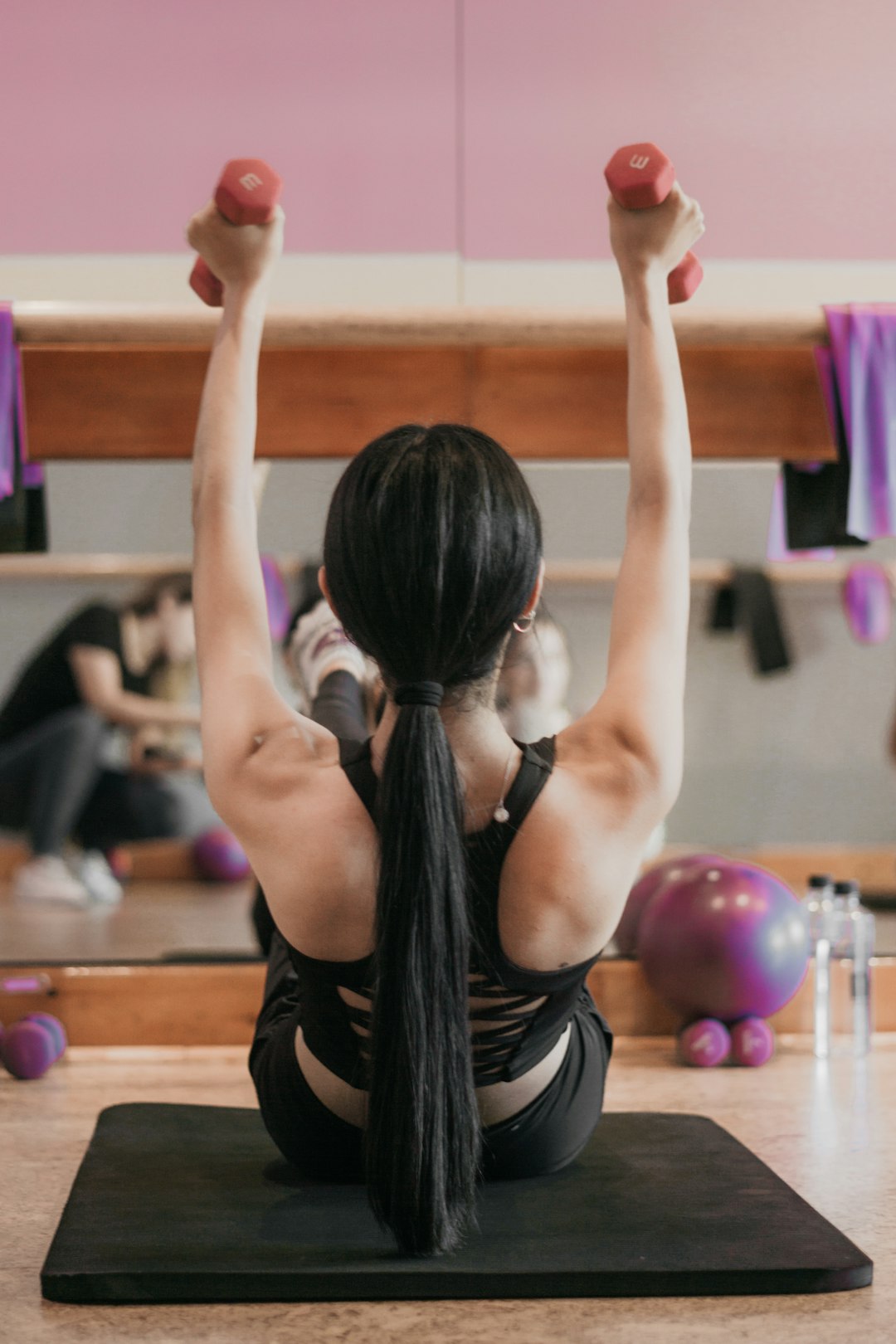
A Landmark Study Reveals Surprising Links to Longevity (Image Credits: Unsplash)
Las Vegas – New findings from a large-scale study of older women underscore a straightforward truth: preserving muscle strength significantly extends life expectancy and enhances quality of life.[1][2] Researchers tracked thousands of participants over eight years and discovered that simple measures of muscular power outperformed traditional fitness markers in predicting survival. This insight challenges long-held views on exercise priorities for aging gracefully.
A Landmark Study Reveals Surprising Links to Longevity
Scientists analyzed data from 5,472 women aged 63 to 99, drawn from the Women’s Health Initiative cohort.[3] Over an average follow-up of 8.3 years, 1,964 deaths occurred, allowing researchers to pinpoint factors tied to lower mortality. The study, published in JAMA Network Open, adjusted for variables like age, race, body weight, comorbidities, physical activity, and inflammation markers such as C-reactive protein.
Michael LaMonte, a research professor at the University at Buffalo, led the effort. He noted that muscular strength remained a strong predictor of survival even among women who fell short of federal aerobic exercise guidelines – 150 minutes of moderate activity per week.[4] This held true across subgroups, including different ages, ethnicities, and body sizes.
Grip and Balance Tests Signal More Than Fitness
Grip strength, measured with a hand dynamometer, emerged as a reliable indicator. Women in the highest grip strength quartile faced a 33% lower risk of death compared to the lowest group.[3] Each additional 7 kilograms of grip force correlated with a 12% reduction in mortality.[1]
Chair stand performance – timing five unassisted sit-to-stands – yielded similar results. Faster completion times linked to a 37% lower death risk in the top performers.[3] Progressing from slowest to fastest in 6-second increments cut mortality by 4% per step.[1] These tests reflect overall muscle function, especially upper body strength often neglected in daily routines.
Strength Trumps Cardio Alone for Healthy Aging
Traditional advice emphasized aerobic exercise like walking, yet this research showed muscle strength’s independent role. Associations persisted after accounting for gait speed, sedentary time via wearables, and inflammation.[4] LaMonte explained, “Muscular strength, in many ways, enables one to move their body from one point to another, particularly when moving against gravity.”[1]
Women not meeting aerobic benchmarks still benefited from higher strength levels. This suggests strength training fills critical gaps, combating sarcopenia – the age-related muscle loss that accelerates after 60. Stronger muscles support metabolism, immunity, bone density, and mobility, reducing falls and chronic disease risks.
| Test | Top vs. Bottom Performers | Mortality Risk Reduction |
|---|---|---|
| Grip Strength | Highest vs. Lowest Quartile | 33%[3] |
| Chair Stands | Fastest vs. Slowest | 37%[3] |
Accessible Ways to Build and Maintain Strength
No gym membership required. Federal guidelines recommend muscle-strengthening activities targeting major groups one to two days weekly.[4] Start with bodyweight moves or household items like soup cans and resistance bands.
- Modified push-ups or wall presses for upper body.
- Squats or knee bends for legs.
- Chair stands for lower body power.
- Grip exercises with towels or light weights.
- Full-body routines twice weekly, progressing gradually.
Consult a doctor before beginning, especially with health conditions. Consistency matters more than intensity – aim to challenge muscles safely. Pairing strength work with cardio and protein-rich diets amplifies benefits, though the study focused primarily on exercise.
Key Takeaways
- Higher muscle strength cuts mortality risk by up to 37%, independent of aerobic fitness.[3]
- Grip and chair stand tests offer quick health snapshots for older women.
- Simple home exercises suffice; start now for lifelong gains.
As women over 80 become America’s fastest-growing group, prioritizing muscle strength promises broader independence and lower healthcare burdens. LaMonte warned, “When we no longer can get out of the chair and move around, we are in trouble.”[1] Small investments in strength today yield decades of vitality. What steps will you take to stay strong? Share in the comments.