There’s something electric about standing in a crowd of thousands, feeling the bass vibrate through your chest, sharing a moment with complete strangers who somehow feel like old friends. Music festivals have become cultural phenomena over the past few decades, drawing millions of people annually to fields, parks, and fairgrounds. Yet beneath the Instagram-worthy moments and viral performances lies something far more significant than entertainment alone.
While we’ve long understood that these gatherings offer joy and escapism, emerging research from the past few years reveals a deeper story. Scientists, mental health professionals, and festival organizers are uncovering evidence that these multi-day music events might actually serve as unexpected sanctuaries for psychological wellbeing. Let’s be real, nobody buys a festival ticket thinking they’re investing in their mental health, right? Still, the benefits are undeniable and increasingly documented.
The Science Behind the Soundtrack
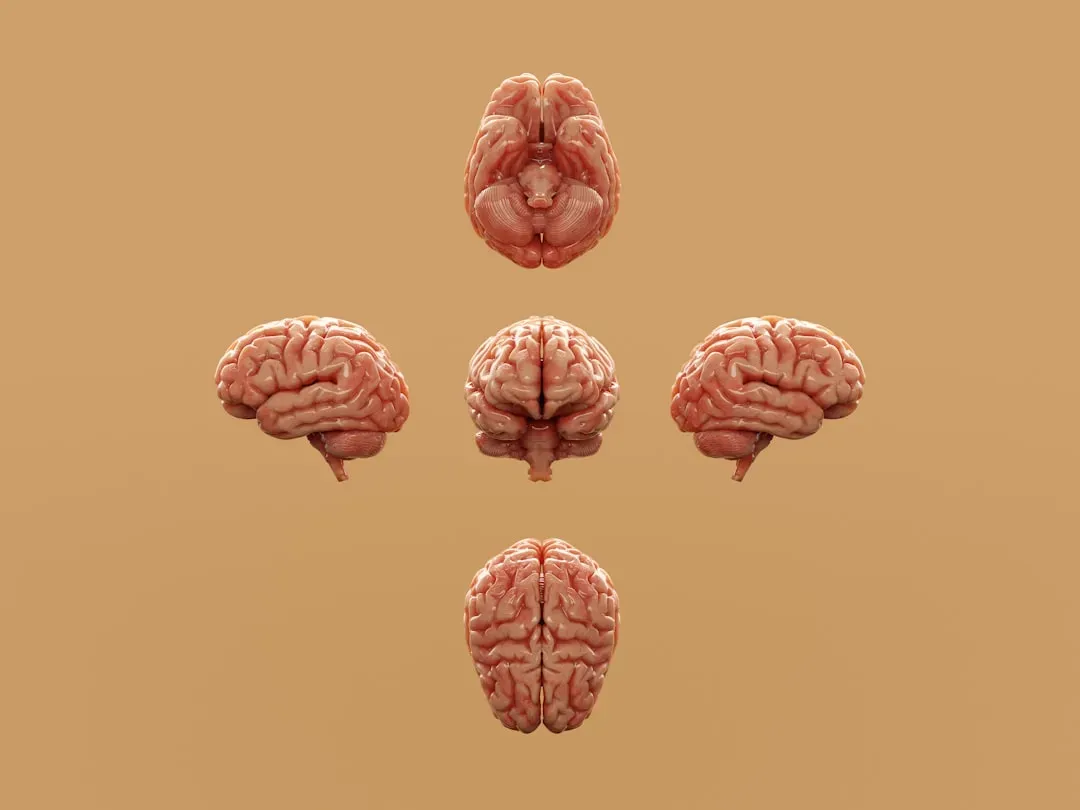
Research confirms that music training can bring about structural and functional changes in the brain, with studies showing that listening to preferred music triggers dopamine release in the dorsal and ventral striatum, and that dopamine receptor inhibition impairs the ability to experience pleasure when listening to music while dopamine precursors enhance it. Think about that for a moment. Pharmacological manipulation of dopamine modulates musical responses in both positive and negative directions, demonstrating that dopamine causally mediates musical reward experience. The brain doesn’t distinguish much between the pleasure circuits activated by music and those triggered by more primal rewards.
Listening to music increases blood flow to brain regions that generate and control emotions, with the limbic system lighting up when our ears perceive music, and the chills felt during particularly moving pieces may result from dopamine triggering sensations of pleasure and wellbeing. This isn’t just poetic language. When we engage with music, the nucleus accumbens responds to its pleasurable aspects by triggering dopamine release through the dopamine reward pathway, which is critical for experiencing and reinforcing positive emotions such as happiness, joy or excitement that music can bring.
Building Bridges in the Crowd
The U.S. Surgeon General declared that the country is experiencing a loneliness epidemic, with his 2023 advisory prioritizing social connection and community on a nationwide scale, noting that social relationships create a sense of meaning and purpose in people’s lives and that social connection can act as a buffer against stress. Here’s the thing: festivals directly combat this epidemic. Social interaction and community integration at music festivals create social connections where people with similar passions create positive social wellbeing, and attending a music festival leads to increased life satisfaction and emotions such as happiness, joy, excitement, relaxation and stress relief.
Sociologists describe the shared energy felt during communal rituals as collective effervescence, and a metal festival exemplifies this as thousands share synchronized emotional and physical experiences, fostering an instant sense of belonging that is a powerful antidote to modern feelings of isolation. The intimacy paradox of festivals is remarkable. You’re surrounded by strangers, yet the shared experience creates instant community. Research shows that loneliness is one of the most growing issues among young people, with the World Health Organisation declaring it a pressing health threat and warning that people who are lonely or feel isolated are 30 per cent more likely to die early.
Safe Spaces Within the Chaos
At Glastonbury Festival, Worthy Rest tents are situated in Silver Hayes and The Park as places where anyone can go if they need time away from it all, with multiple welfare centres offering professional help and advice for practical and personal problems. Major festivals have significantly expanded their mental health infrastructure between 2023 and 2025. It’s honestly impressive how much effort goes into creating these protective environments.
One of the biggest shifts in festival culture is the emphasis on open discussions about mental health, with social media campaigns and on-site awareness initiatives encouraging attendees to check in on friends, and some festivals incorporating mental health workshops offering sessions on stress management, emotional resilience and coping strategies. Many festival organizers are bringing in organizations like DanceSafe which tests drugs at festivals and offers nonjudgmental information, also offering naloxone strips approved by the FDA in 2023 for overdose reversal, which has helped with reversals both on festival grounds and the next day.
From Temporary High to Lasting Shift
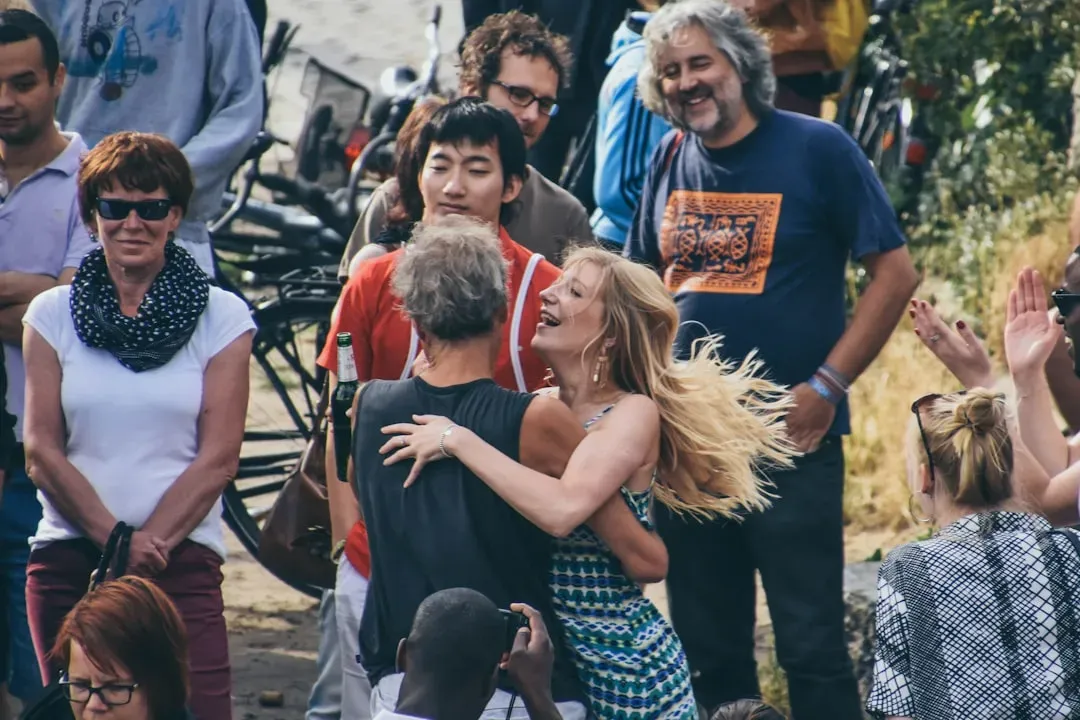
Research identifies the mediating effect of festival participation between social capital with family and relatives and happiness, indicating that individuals who participate in community festivals with kinship groups are likely to enjoy festive atmospheres and feel happiness. The impact extends beyond the weekend itself. While a single event won’t solve chronic problems, the positive emotions, strong social connections, and significant stress relief experienced at a metal festival contribute to improved wellbeing and happiness that can often last for weeks, reinforcing positive neural pathways.
Studies published in academic journal Psychology of Music show that experiencing a concert can lead to an overall sense of wellbeing, and a 2018 white paper commissioned by Live Nation notes that concertgoers self-reported feeling five times better after experiencing a concert than before attending it. Five times better. That’s a statistic worth repeating. Honestly, I think most of us have felt that shift without fully understanding the mechanisms behind it.
The Stress Relief Laboratory
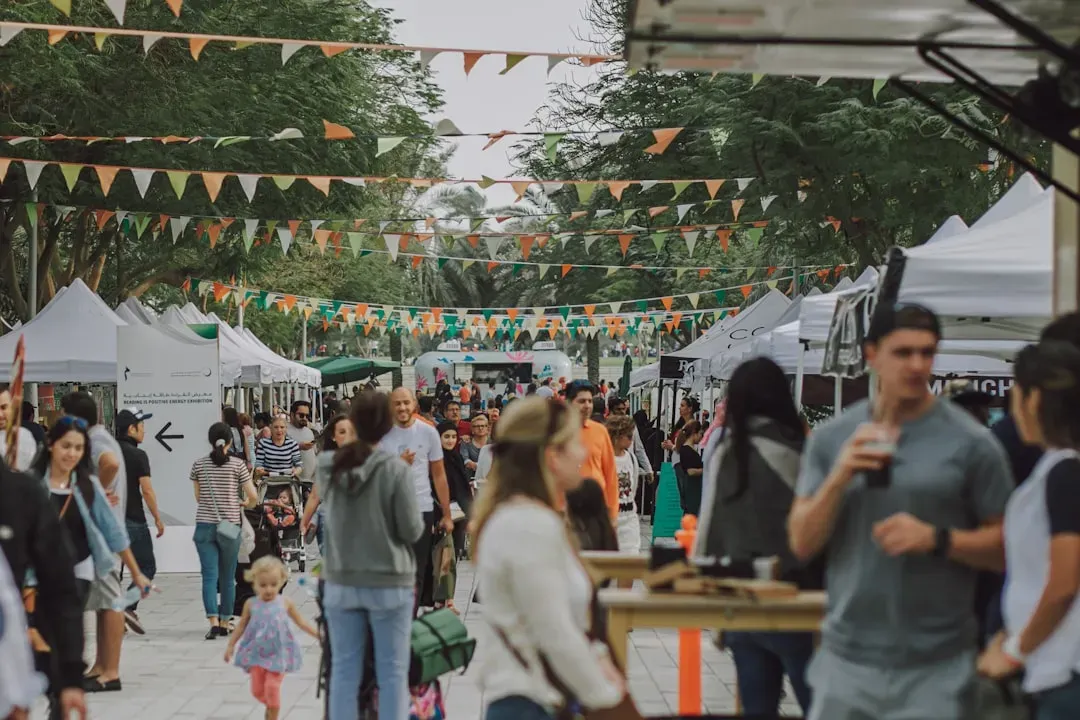
Festivals provide an excellent opportunity for stress reduction and relaxation, as people often immerse themselves in the experience leaving everyday concerns behind, with the festive atmosphere filled with music, laughter and vibrant colors serving as a powerful distraction from stressors. Many festivals are held outdoors allowing attendees to connect with nature which has a calming effect, and the combination of outdoor settings and celebratory spirit can significantly reduce stress levels, with activities like dancing and singing triggering the release of endorphins.
Exposure to natural sunlight boosts vitamin D production which is crucial for maintaining a healthy immune system and has been linked to improved mood and mental wellbeing, while spending time outdoors allows individuals to disconnect from everyday stresses, with fresh air, green surroundings and sounds of nature helping reduce feelings of anxiety and depression. The environmental factor can’t be overlooked. Nature itself becomes part of the therapeutic equation.
Expression Without Judgment
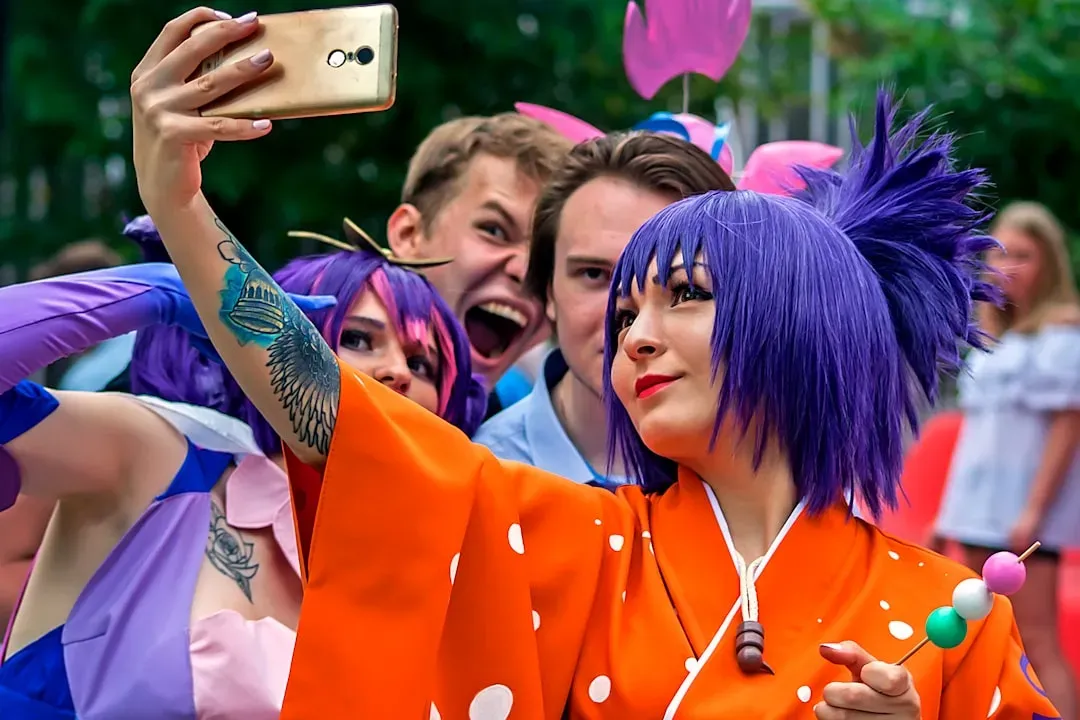
Festivals often provide a platform for creativity and selfexpression through artistic displays, costumes or performances, with engaging in creative activities and selfexpression having profound mental health benefits, and when individuals express themselves freely it can boost selfesteem and selfconfidence. There’s a liberation that happens when you’re wearing glitter at noon on a Tuesday, dancing without caring who’s watching. For many, festivals are a time to don unique costumes, create intricate artworks or participate in creative performances, unleashing a sense of liberation and selfdiscovery, and expressing oneself in these ways can be therapeutic, allowing individuals to explore their identity and escape everyday constraints.
Festivals provide a crucial space for selfexpression, identity development and identity reinforcement, and being surrounded by thousands of likeminded individuals who share an intense passion creates an instant tribe, with seeing others who share your interests and aesthetics providing deep affirmation, reducing loneliness and strengthening personal identity. This aspect of festival culture deserves more recognition. It’s not frivolous or superficial to seek spaces where you can be authentically yourself without explanation or apology.
Mindfulness Through Music

Festivals are unique in that they encourage attendees to be fully present in the moment, with engaging in festivities from savoring festival food to losing oneself in music and dance promoting mindfulness, which is a practice of being fully engaged in the present moment that has been shown to reduce stress and enhance mental wellbeing. Let’s be honest, how often do we truly disconnect from our phones and worries? While many struggle with worries about the past or anxieties about the future, festivals provide an escape from these concerns, with this focus on the here and now leading to peace and contentment, and the temporary suspension of daily worries serving as a mental reset allowing festivalgoers to return with a refreshed perspective.
For people concerned about their mental health during festivals, practicing mindfulness may result in less stress, heightened awareness and improved performance, with mindfulness being the capacity to be completely immersed in the present moment without being overwhelmed, and it can be practiced through meditation, yoga and breathing exercises. The festival environment naturally encourages this state, though attendees can enhance it through intentional practices.
The Post-Pandemic Recovery Tool
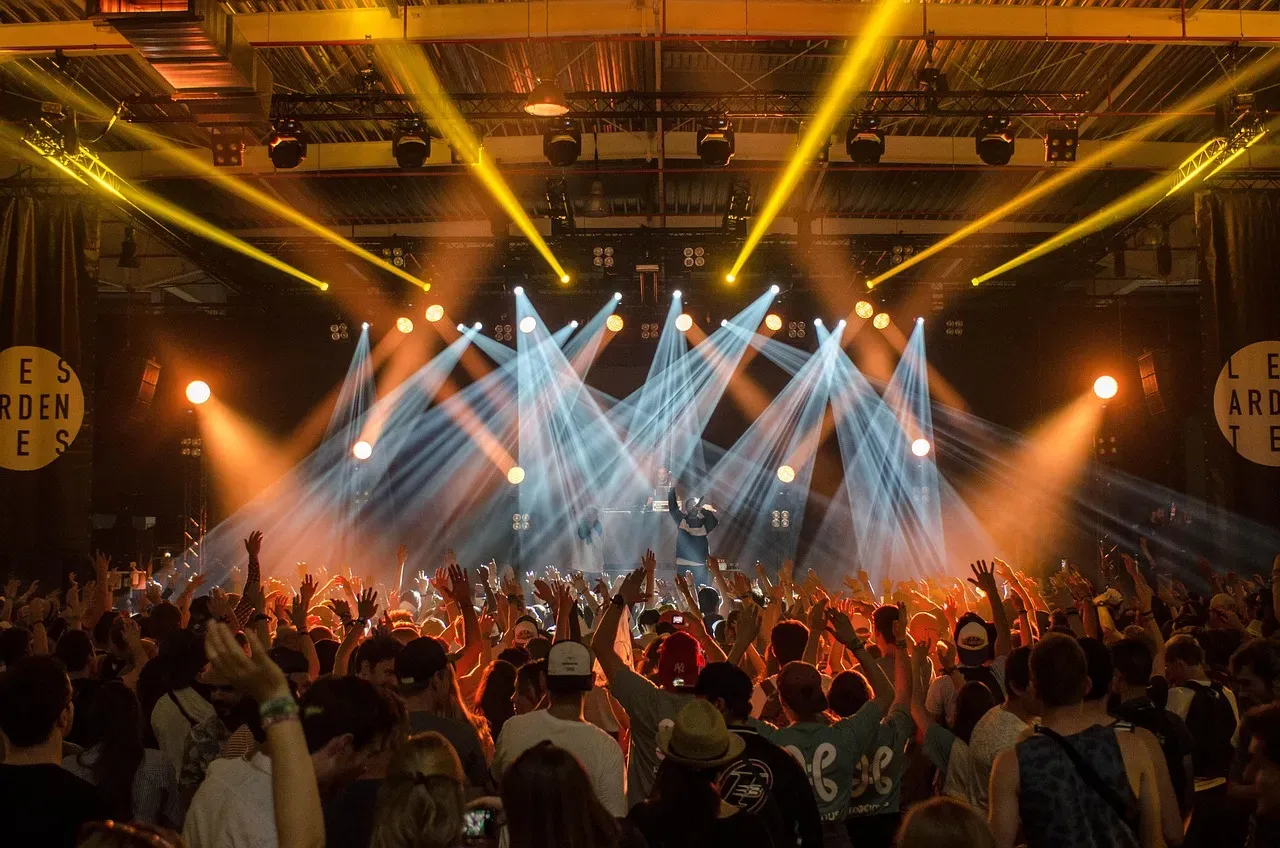
Following years of isolation during COVID-19, the return to live music events became particularly significant. A collaborative project between Mercer and Northeastern universities revealed that attendees of Furnace Fest showed a surprising commonality of life trauma, and the research team plans to use its data to help connect mental health agencies with musical communities in need of services. The key demographic for Furnace Fest is people from rural, Rust Belt, Midwest and Appalachian areas, which are some areas with the least access to mental health care and financial support for those services.
Festivals and events can be a platform for interactions and social connections, and more recently events have been linked to social wellbeing, assisting in reducing loneliness and increasing social connectedness, with survey results revealing the significant relationship between facetoface event attendance and social connectedness. The data suggests that virtual alternatives simply can’t replicate the mental health benefits of physical presence. There’s something irreplaceable about sharing physical space with others during live performances.
The Dark Side and Balance
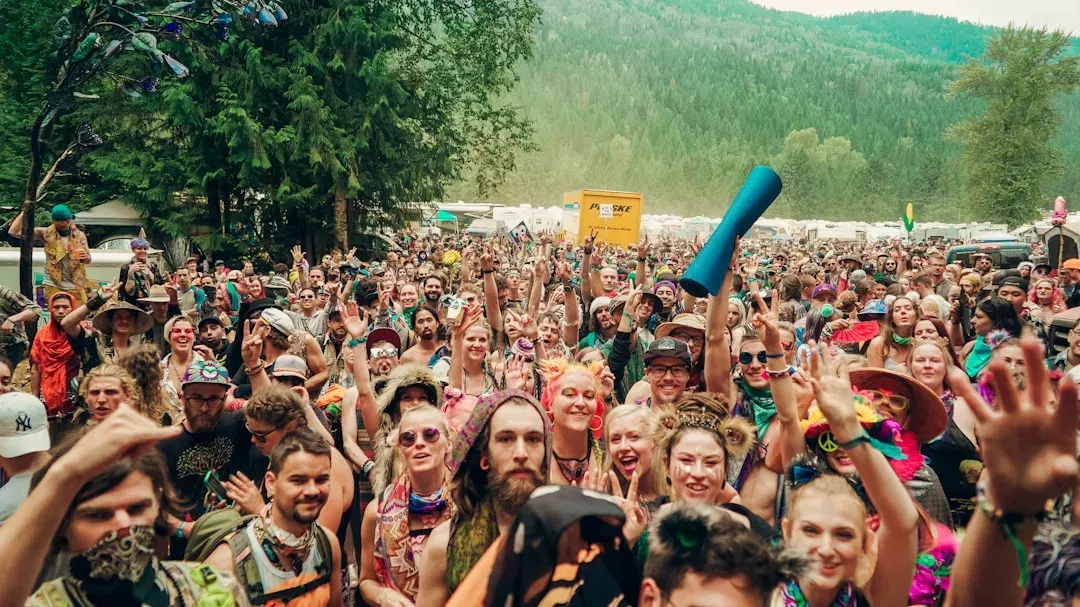
Music festivals create an immersive experience that can have both positive and negative effects on mental health, with dancing, music and socializing boosting mood and providing belonging, but overstimulation, lack of sleep and excessive substance use can lead to anxiety, depression or emotional crashes after the event, a phenomenon called postfestival blues. It’s hard to say for sure, but I suspect most regular festivalgoers have experienced this comedown. Some organizations now provide aftercare resources such as online support groups and mental health checkins to help attendees transition back to daily life.
If you have a mental health illness and are interested in going to a cultural event, it is critical to take precautions to avoid recurrence, including getting sufficient rest, refraining from excessive substance use, and creating a strategy to cope with stress. The mental health benefits are real, yet they require conscious participation and self-awareness. A 2024 MusiCares survey revealed that over 8 percent of respondents within the music industry had serious thoughts of suicide, notably higher than the 5 percent rate among the general population, reminding us that the industry itself faces significant challenges.
The Future of Festival Wellbeing
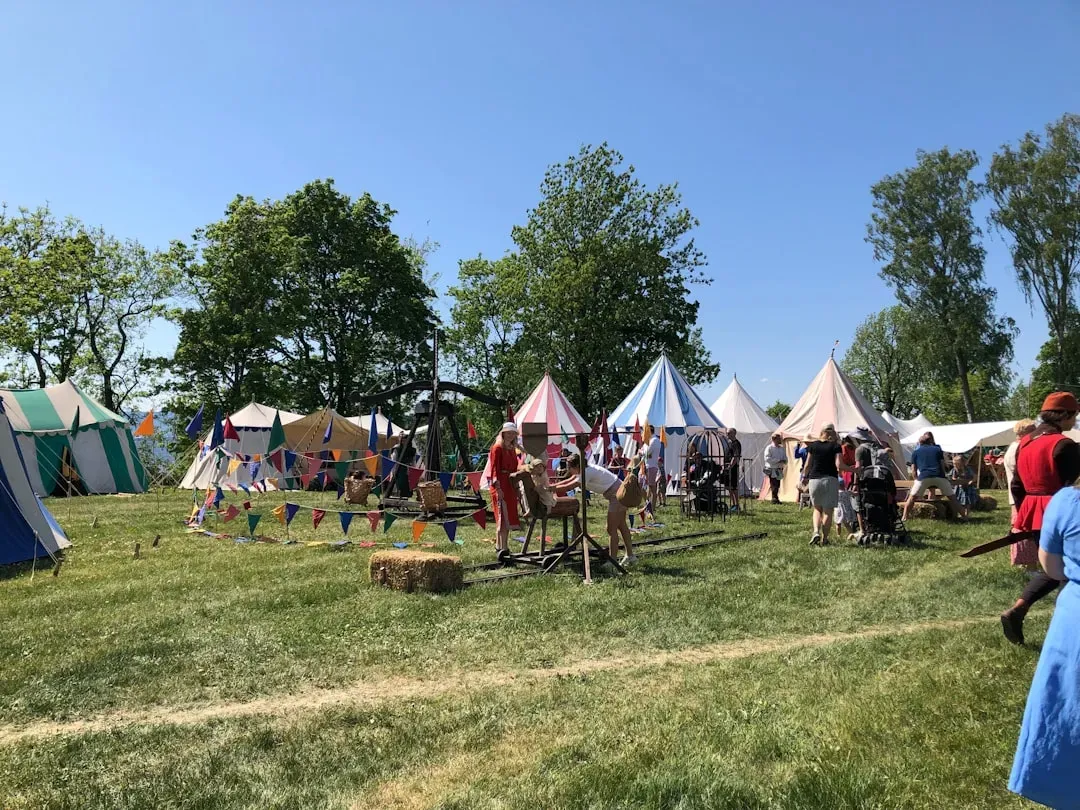
Festival organizers can make wellness initiatives more effective by ensuring they are accessible, welladvertised and staffed by trained professionals, providing a range of services from quiet spaces to mental health first aid can cater to different needs, and gathering attendee feedback can help improve these programs over time. The evolution we’re witnessing represents a fundamental shift in how these events understand their role. The arts can change stigma by constructing shared meanings and engaging audiences on an emotional level, and carefully programmed, collaborative, communitybased arts festivals should form an integral part of national programmes to address stigma and promote mental health and wellbeing.
Dance music festivals have evolved from pure escapist experiences into platforms for healing and mental health advocacy, and while they still offer highenergy joy and freedom, organizers are now prioritizing wellness by creating sober spaces, partnering with peer support groups and promoting harm reduction education. This integration of mental health support into festival infrastructure marks a maturation of the industry, recognizing that the wellbeing of attendees extends beyond physical safety to encompass psychological health.
Music festivals aren’t therapy sessions, and nobody’s suggesting they replace professional mental health care. Yet the evidence continues mounting that these gatherings serve functions far beyond entertainment. They create temporary communities where isolation dissolves, where self-expression flourishes, where dopamine flows and stress diminishes, where people remember what it feels like to be fully present and alive. In an era of documented loneliness epidemics and rising mental health concerns, perhaps these muddy fields and crowded stages offer something our society desperately needs. Have you noticed how differently you feel during and after a festival experience? What role do you think these spaces play in your own mental health journey?