Most people pick a music festival based on the headliners. They scan the lineup, buy a ticket, and pack a bag. But somewhere between the main stage and the after-party, something else is quietly stealing the show: the food. Over the past few years, festivals have turned their culinary offerings into a full-blown attraction, rivaling the music itself. The global music festival market was valued at USD 3.05 billion in 2024 and is projected to reach USD 3.76 billion in 2025, and a big part of that growth is being fueled by attendees who want more than just a burger and a warm beer. The festival food experience has become a destination in its own right, and these six events prove exactly why.
Glastonbury Festival: A World Food Market Hidden in a Field
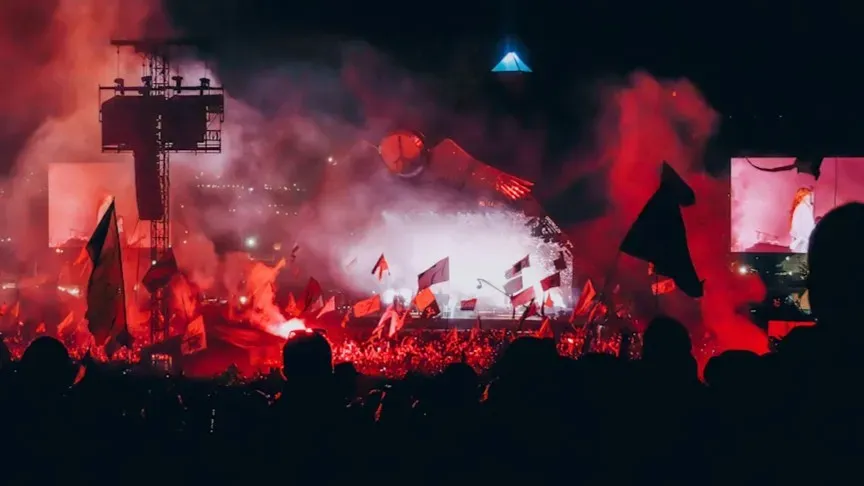
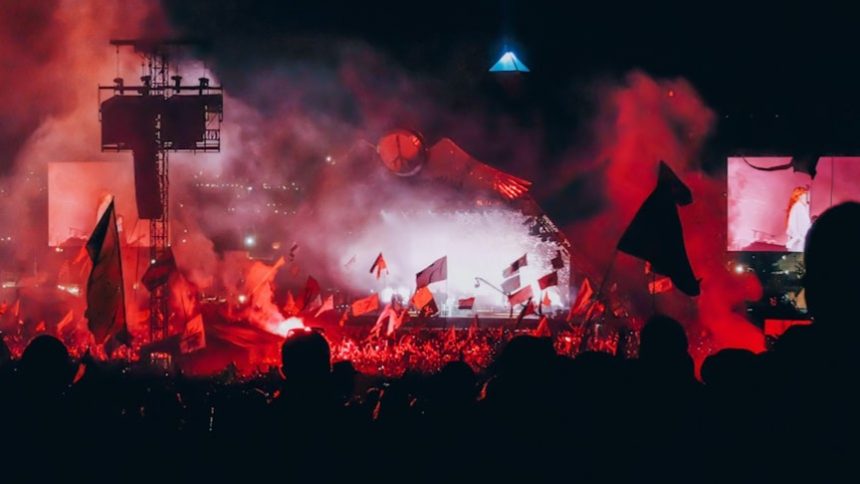
Glastonbury is famous for its mud, its legends, and its lineups. What most people overlook is that it runs one of the most ambitious outdoor food programs on the planet. As well as being an arts festival, Glastonbury is a food festival offering over 400 food traders across an array of culinary choices, with a wide variety of exciting eats and world and local cuisine. That is not a typo. Over 400 traders, scattered across a site that hosts over 200,000 people at its busiest, means there is almost no cuisine left uncovered.
The culinary range at Glastonbury in recent years has been genuinely impressive. Glastonbury’s food stalls embody the festival’s vibrant diversity, offering a mouthwatering array of global cuisines – from classic British comfort food and zesty Thai street dishes to rich Italian pastas, fragrant Indian curries, fiery Mexican tacos, fresh Vietnamese rolls, and savoury Greek specialities. Standout vendors have included Michelin-trained chefs serving ramen and Japanese street food, where chefs have served chicken shoyu ramen and vegan togaroshi cauliflower katsu since their debut. The festival even offers a budget-conscious £6 Meal Deal at stalls like Calamari Canteen, which offers loaded boxes like halloumi bites or fried calamari and chips.
BottleRock Napa Valley: Where Star Chefs Meet Rock Stars
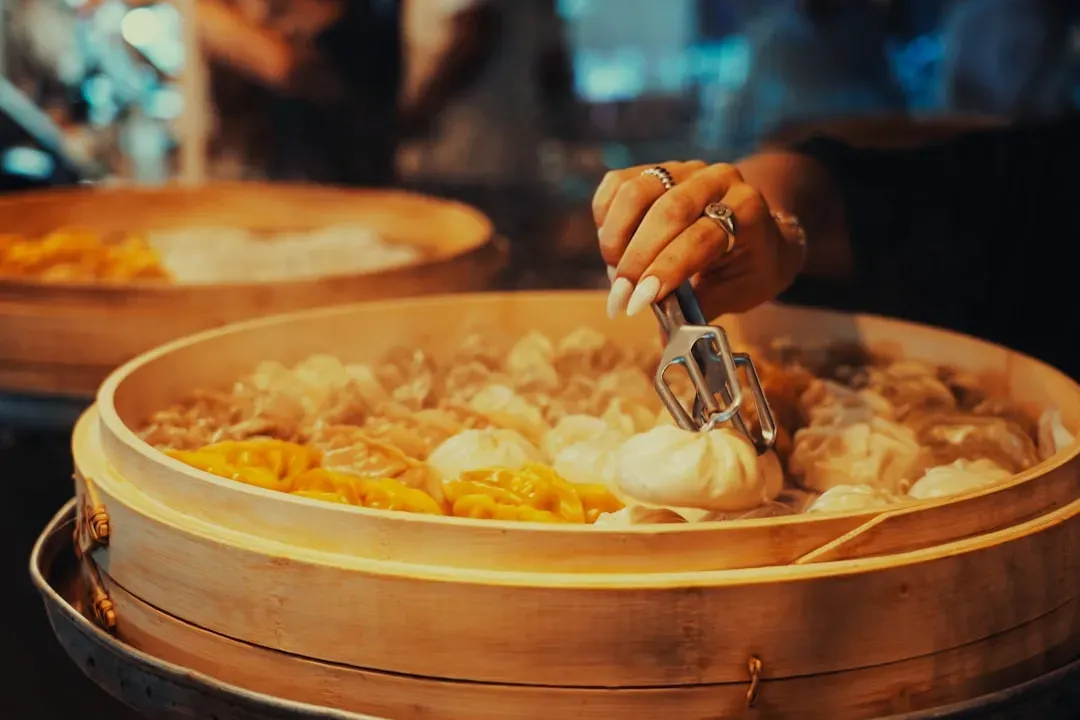
BottleRock Napa Valley is the festival that figured out a genuinely brilliant formula: take world-class music, drop it into the middle of California’s wine country, and wrap the whole thing in serious culinary credibility. The three-day music extravaganza, now in its 12th year, has always been known for its gourmet food stalls, wine tents, craft beer and top-notch artists and bands. The 2024 edition drew over 120,000 attendees and sold out by January, which tells you everything about its reputation. Attendees had access to gourmet food from Napa Valley’s finest chefs and restaurateurs, many of whom boast Michelin stars.
The real magic happens at the Williams Sonoma Culinary Stage, where food and music collide in a way few festivals have managed to replicate. The 2025 Culinary Stage included live mashups of food and fame, with celebrity chefs like Bobby Flay, Kristen Kish, Trisha Yearwood, Marcus Samuelsson, and Andrew Zimmern teaming up with surprise musical guests including Noah Kahan and Tré Cool of Green Day. Attendees can indulge in incredible food and drink by Napa Valley’s world famous wine makers, chefs and restaurants from a variety of local vendors. It is a place where getting a plate of food genuinely feels like an event in itself.
New Orleans Jazz & Heritage Festival: Cuisine as Deep as the Music
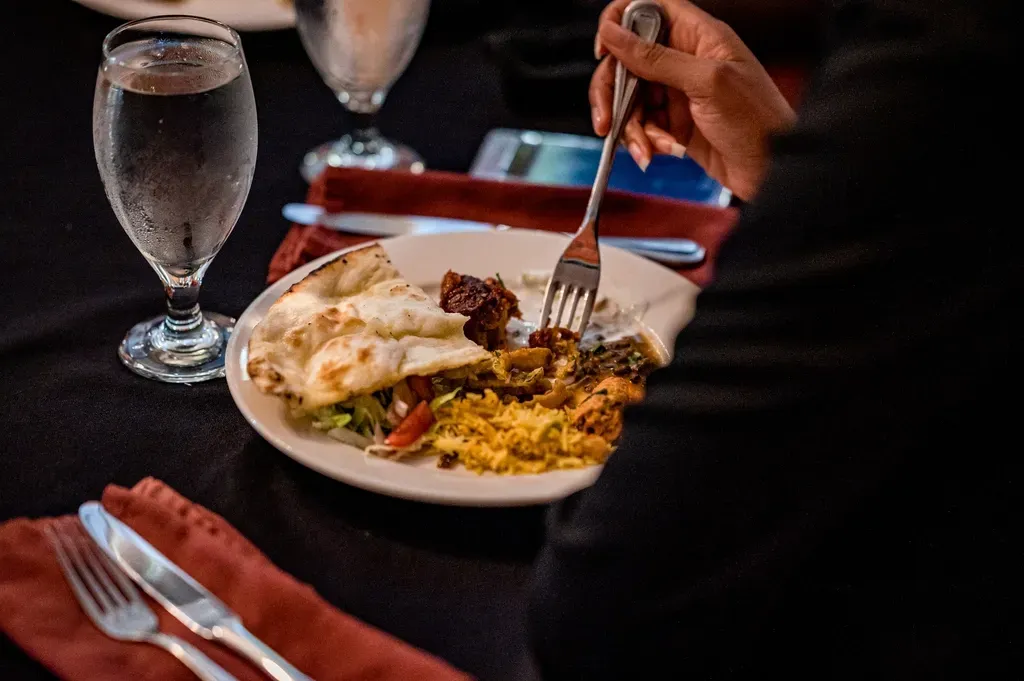
There are festivals that serve food, and then there is Jazz Fest. In New Orleans, the food is not a side note – it is as culturally essential as the jazz itself. This festival is a cultural extravaganza of food and jazz music that features cuisine with the centuries-old traditions of Louisiana cooking with modern classics. Every dish on the grounds carries a story, and many carry recipes that have been passed down through generations of Louisiana families. Dishes like crawfish po-boy, shrimp bread, and Cajun jambalaya are served while visitors listen to the sounds of jazz under the Louisiana sunshine.
What makes Jazz Fest different is that the food vendors are curated with the same care as the musical lineup. Local restaurants and family operations earn their spots on the grounds, creating a food culture that is authentically tied to the city itself. The result is something you simply cannot replicate at a chain stand or a food court. The festival has become one of those rare places where eating and listening are equally moving experiences, and where first-time visitors routinely say the food surprised them just as much as the music did.
Windy City Smokeout: The BBQ Festival That Happens to Have Country Music
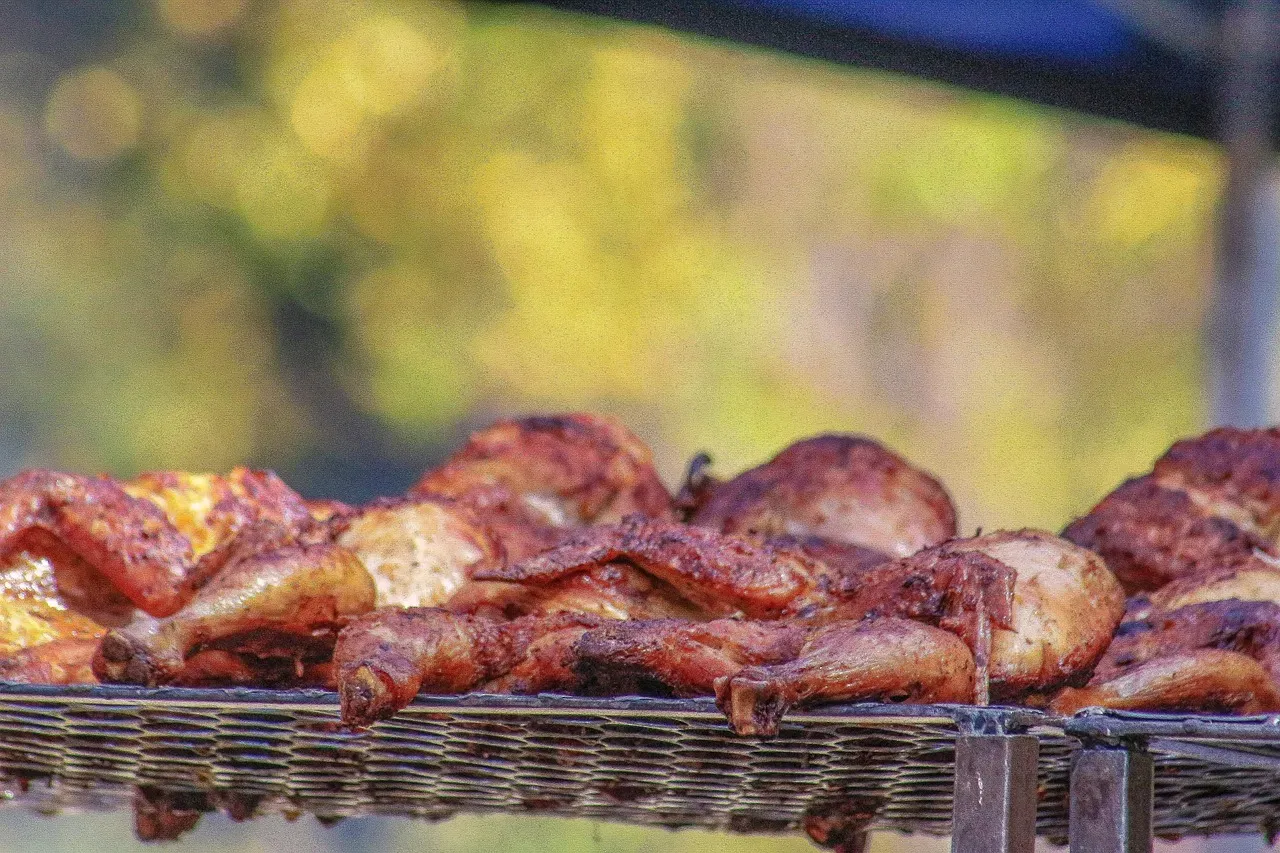
Chicago’s Windy City Smokeout has quietly built one of the best reputations in the festival food world, and it deserves far more attention than it gets outside barbecue circles. This premier country music and barbecue festival draws over 50,000 attendees to the United Center parking lot each summer, featuring more than 25 pitmasters and BBQ vendors from across the nation, including acclaimed spots like Lewis Barbecue from Charleston, Hometown Bar-B-Que from Brooklyn, and Chicago’s own Green Street Smoked Meats. That is not a typical festival food lineup – that is a who’s who of American barbecue royalty assembled in one parking lot.
Festival-goers can sample regional BBQ styles while sipping craft beers from a rotating selection of 20 breweries and enjoying bourbon tastings in dedicated whiskey lounges. The Smokeout also does something genuinely educational that most festivals skip entirely. The festival offers unique experiences including hands-on pitmaster demonstrations where guests can learn smoking techniques. For anyone who has ever wanted to understand the difference between Texas brisket and Carolina pulled pork from the people who make it best, this is the festival to attend.
Music City Food & Wine Festival: Nashville’s Rising Culinary Star
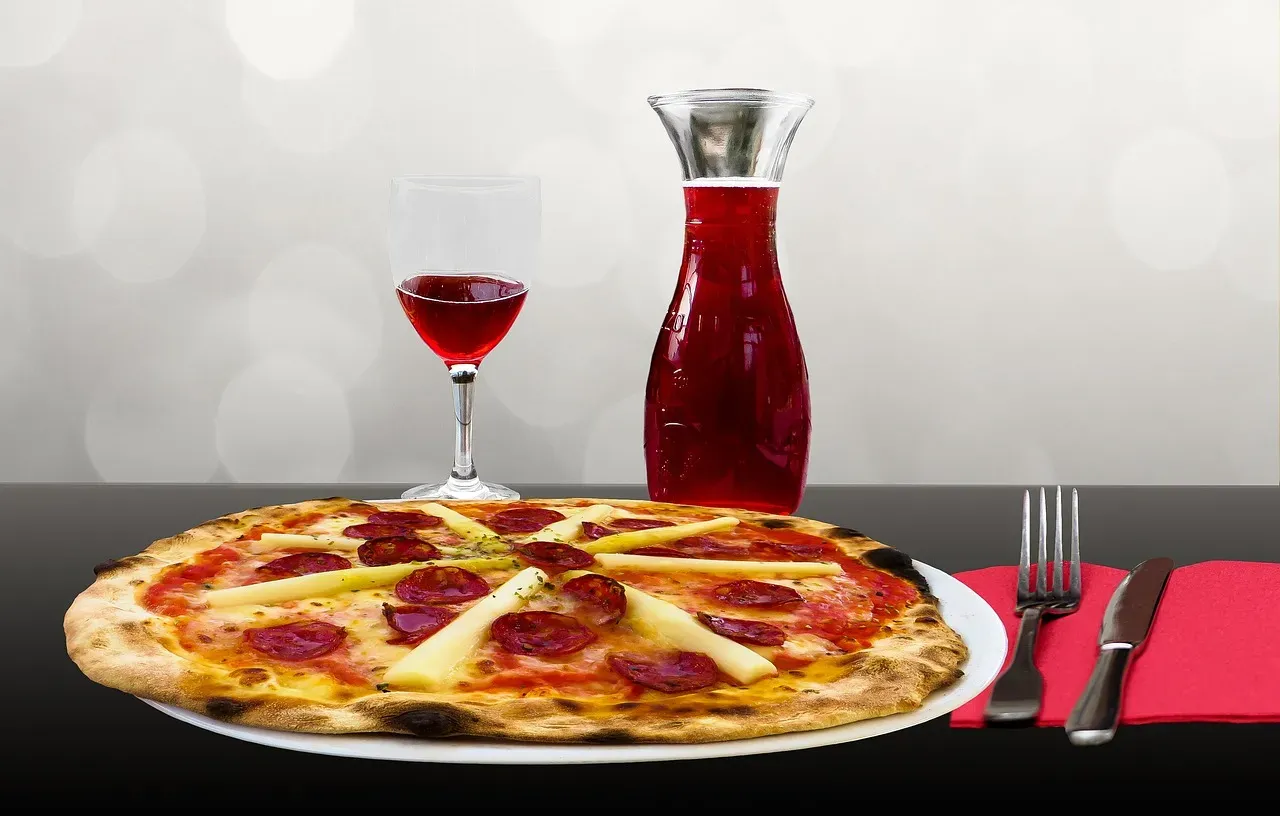
Nashville is best known for hot chicken and country music, but its food scene has quietly grown into something much more sophisticated. The Music City Food & Wine Festival, which launched in 2025, made an immediate statement. With a sold-out inaugural year that brought thousands together at Centennial Park and across the city, MCFW quickly became a staple Nashville experience for locals and visitors alike. Selling out in its very first year is a remarkable achievement, and it signals that the appetite for this kind of event in Nashville was already waiting to be met.
From chef and mixology competitions to curated dinners, brunches, tastings, and a bustling vendor market, the festival showcases the best of Nashville’s food, drink, music, and creative communities. What makes this festival genuinely interesting is its community-first approach. Organizers are passionate about giving back to local nonprofits and creating real-world opportunities for students, dedicated volunteers, and aspiring hospitality industry professionals, with a mission to elevate local talent and celebrate the people and businesses that make the city sing. It feels less like a commercial event and more like a celebration of a city finding its culinary voice.
The Spending Shift: Why Festival Food Has Become a Serious Business
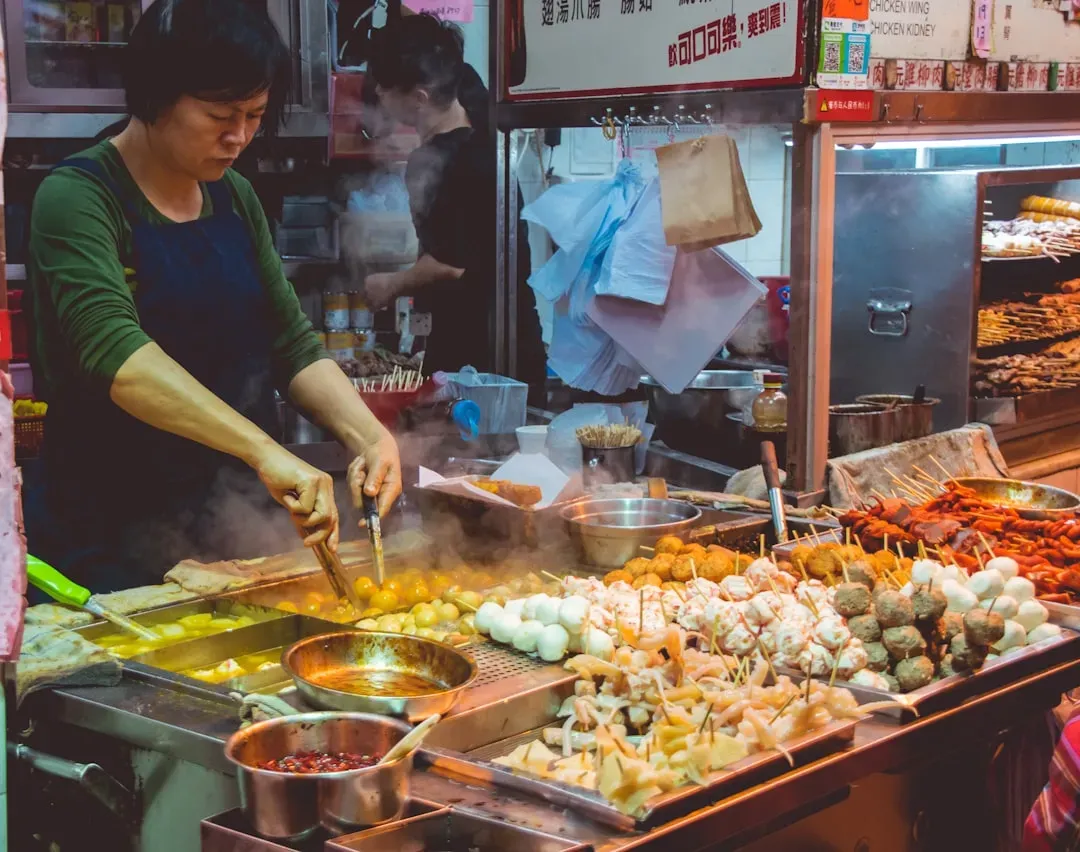
The growing quality of festival food is not accidental. It is a response to hard data and shifting attendee expectations. With 35% of the average festival basket spent on drinks and food, these items represent a major revenue lever for festivals. Organizers have caught on, and the investment in culinary experiences has risen accordingly. The US music festival market generated $3.4 billion in 2025, with over 800 major festivals held annually and 32 million Americans attending at least one, with average total spending per person at a multi-day festival reaching $1,200.
Consumer preferences are also reshaping what ends up on the festival menu. In 2024, 11% of the dishes consumed at analyzed festivals were vegetarian or vegan, reflecting a shift in eating behavior with a significant portion of audiences opting for more sustainable and environmentally friendly options. At the same time, festivals raising food prices over 10% are seeing year-over-year declines in average daily fan spend on food, which means the smartest festivals are investing in quality rather than simply charging more. The ones that get that balance right – like Glastonbury, BottleRock, and Jazz Fest – are the ones that keep people coming back year after year, often as much for the food as for the music itself. Food trucks at festivals typically see a 10 to 20% increase in sales compared to other events, underscoring just how hungry festival-goers really are when the lineup is done right.