Venice’s Cultural Clash: Musicians Rally Against Politically Charged Appointment at La Fenice
Artists Mobilize in Venice to Challenge La Fenice’s New Music Director Selection
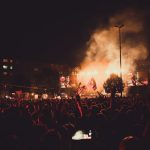
In an extraordinary display of solidarity, hundreds of musicians converged on Venice’s historic streets to protest the recent appointment of a new music director at the esteemed Teatro La Fenice. The controversy centers on the director’s alleged political connections to Giorgia Meloni, Italy’s right-wing prime minister, which many in the artistic community view as an encroachment of politics into cultural leadership. Demonstrators insist that artistic institutions must remain free from political interference to preserve creative integrity and independence.
Supported by local unions and international artist coalitions, the protestors presented a formal petition demanding:
- A thorough reassessment of the appointment procedure
- Full disclosure of the director’s political affiliations
- Formation of an oversight committee including musicians, critics, and cultural scholars to guide future appointments
- A firm commitment to uphold artistic autonomy in all programming and administrative decisions
| Individual | Position | Viewpoint |
|---|---|---|
| Elena Ferri | Principal Violinist | Advocates for depoliticization |
| Marco De Luca | Cellist & Union Leader | Demands transparency |
| Alessandro Conti | Conductor | Supports independent review panel |
Examining the Political Ramifications of La Fenice’s Leadership Choice
The decision to appoint a music director with close political ties to Prime Minister Meloni has stirred a broader debate about the intersection of governance and culture in Italy. Critics warn that this appointment risks steering La Fenice’s artistic direction toward nationalist narratives, potentially marginalizing diverse and global musical expressions. Conversely, proponents argue that the director’s artistic credentials and vision should be the primary criteria, irrespective of political background.
This controversy has sparked widespread concern among musicians and cultural advocates, who fear:
- Cultural partiality: Programming may increasingly reflect partisan ideologies rather than artistic diversity.
- Compromised independence: Political influence could undermine the opera house’s autonomy.
- Declining public confidence: Funding and audience support might be swayed by political loyalty instead of artistic excellence.
| Group | Primary Concern | Potential Consequence |
|---|---|---|
| Performers | Restrictions on creative freedom | Reduced variety in repertoire |
| Patrons | Biased programming | Lower attendance rates |
| Government | Use of culture for political gain | Public perception of manipulation |
Community Reactions and Cultural Dialogue in Response to La Fenice’s New Direction
The streets of Venice have become a stage for cultural expression and dissent as musicians from diverse ensembles marched to voice their apprehensions about the new leadership at La Fenice. While some view the appointment as a catalyst for rejuvenation, many locals worry about the implications of political entanglement. The protests have extended beyond physical demonstrations, sparking vibrant social media campaigns advocating for leadership that truly reflects Venice’s multifaceted cultural heritage.
Musicians donned a mix of traditional Venetian costumes and contemporary attire during the march, symbolizing the city’s rich artistic legacy juxtaposed with present-day challenges. In response, cultural organizations have initiated public forums designed to foster open communication between La Fenice’s administration and the community. These discussions focus on:
- Ensuring transparency in leadership appointments
- Guaranteeing politically neutral and inclusive programming
- Preserving Venice’s unique musical traditions amid evolving political climates
| Group | Action | Main Concern |
|---|---|---|
| Local Musicians | Street Protests | Artistic independence |
| Cultural Organizations | Community Forums | Dialogue and inclusion |
| Audience Members | Online Campaigns | Maintaining diversity |
Strategies for La Fenice to Enhance Inclusivity and Rebuild Public Confidence
To mend its reputation and cultivate a more inclusive atmosphere, La Fenice must embrace transparent communication and proactive community involvement. Organizing regular open forums where artists, staff, and the public can express their views and collaborate on solutions is essential. Establishing a diverse advisory board-comprising local musicians, cultural experts, and social advocates-would provide continuous oversight and ensure that decisions resonate with the community’s values.
Moreover, programming should spotlight underrepresented composers and performers, reflecting Venice’s rich cultural mosaic and global influences. Key recommendations include:
- Implementing clear ethical standards for leadership appointments and affiliations
- Launching outreach programs targeting youth and marginalized groups
- Publishing regular transparency reports detailing governance and artistic decisions
| Initiative | Anticipated Benefit |
|---|---|
| Diverse Advisory Board | Inclusive governance and strengthened community trust |
| Ethical Leadership Policies | Enhanced transparency and accountability |
| Community Outreach | Expanded audience engagement and participation |
| Transparency Reporting | Ongoing public confidence and clarity |
Final Thoughts: Navigating the Intersection of Art and Politics in Venice
As the reverberations of protest echo through Venice’s iconic canals and piazzas, the appointment of La Fenice’s new music director remains a flashpoint for debate. The unfolding situation underscores the delicate balance between artistic freedom, political influence, and public trust in one of Italy’s most treasured cultural institutions. The coming months will be pivotal in determining how La Fenice navigates these challenges and whether it can reaffirm its role as a beacon of artistic excellence and inclusivity in the heart of Venice.