
Picture this: you’ve been listening to the same artist for years, know every lyric, every guitar riff, every signature sound. Then suddenly, without warning, they flip the script entirely. What happens next? Sometimes controversy. Sometimes confusion. Often brilliance.
Music history is littered with artists who refused to stay in their lane. Some did it out of necessity. Others out of pure creative restlessness. A few simply got bored. Whatever the reason, these transformations left fans stunned, critics scrambling, and the industry wondering what just happened. Let’s dive into the most jaw-dropping musical makeovers that nobody saw coming.
David Bowie: The Chameleon Who Made Reinvention an Art Form

If there’s a patron saint of musical reinvention, it’s David Bowie. The man didn’t just change styles. He created entire personas, then killed them off when he got bored.
From the androgynous alien Ziggy Stardust to the plastic soul of the Thin White Duke, Bowie shapeshifted through the decades like he was trying on different lives. Each transformation felt complete, from the music to the fashion to the philosophy behind it. When he moved from glam rock to experimental electronic music with the Berlin Trilogy, fans didn’t know whether to applaud or protest.
What made it work? Bowie never apologized for changing. He embraced the discomfort of not fitting into a single box. That fearlessness turned him into a legend instead of a one-hit wonder trapped in 1972.
Taylor Swift: From Country Sweetheart to Pop Powerhouse

Remember when Taylor Swift showed up at the CMAs with a sparkly guitar? Fast forward a few years, and she’s dominating pop charts with synth-heavy anthems that would make any country purist clutch their pearls.
Her shift from country to pop with the album “1989” wasn’t subtle. No acoustic guitars. No fiddles. Just pure, unapologetic pop production. Critics predicted disaster. Instead, she sold millions and proved she could thrive outside the genre that made her famous.
The backlash was real, though. Some country fans felt betrayed. Radio stations debated whether to keep playing her music. Swift’s response? She doubled down, kept evolving, and never looked back. Now she experiments with indie folk, alternative rock, and whatever else strikes her fancy.
Bob Dylan Goes Electric: The Scandal That Shook Folk Music
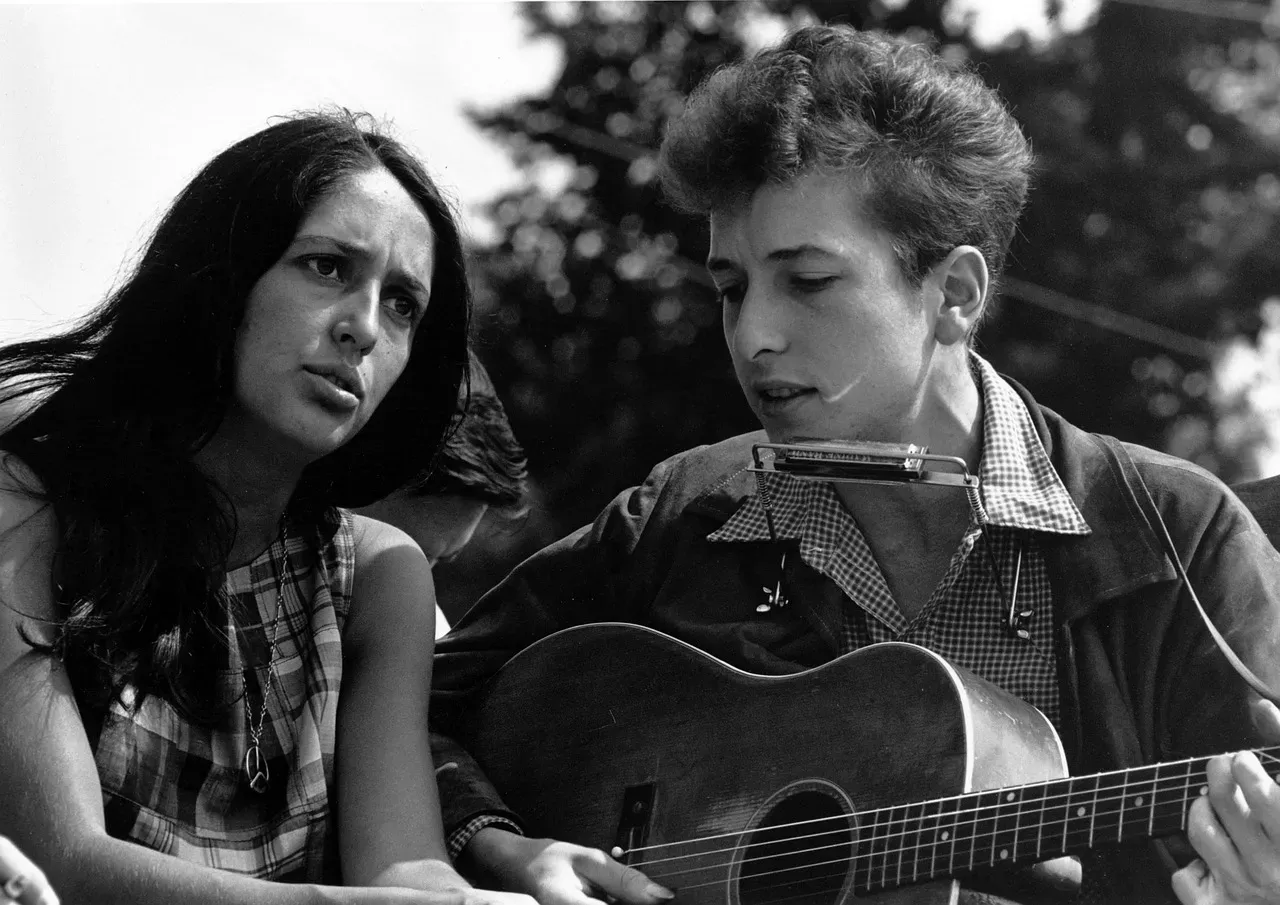
It’s hard to imagine now, but Bob Dylan plugging in an electric guitar at the 1965 Newport Folk Festival sparked genuine outrage. People booed. Some walked out. Folk purists acted like he’d committed musical treason.
Dylan had been the voice of acoustic folk protest music. Then he decided that sound was too limiting. The electric albums that followed, like “Highway 61 Revisited,” are now considered masterpieces. At the time? Heresy.
Looking back, the controversy seems almost quaint. Dylan was simply refusing to be boxed in by expectations. He wanted to rock, so he rocked. The fans who stuck around got to witness one of music’s greatest creative evolutions. Those who left missed out entirely.
Madonna: The Queen of Constant Evolution
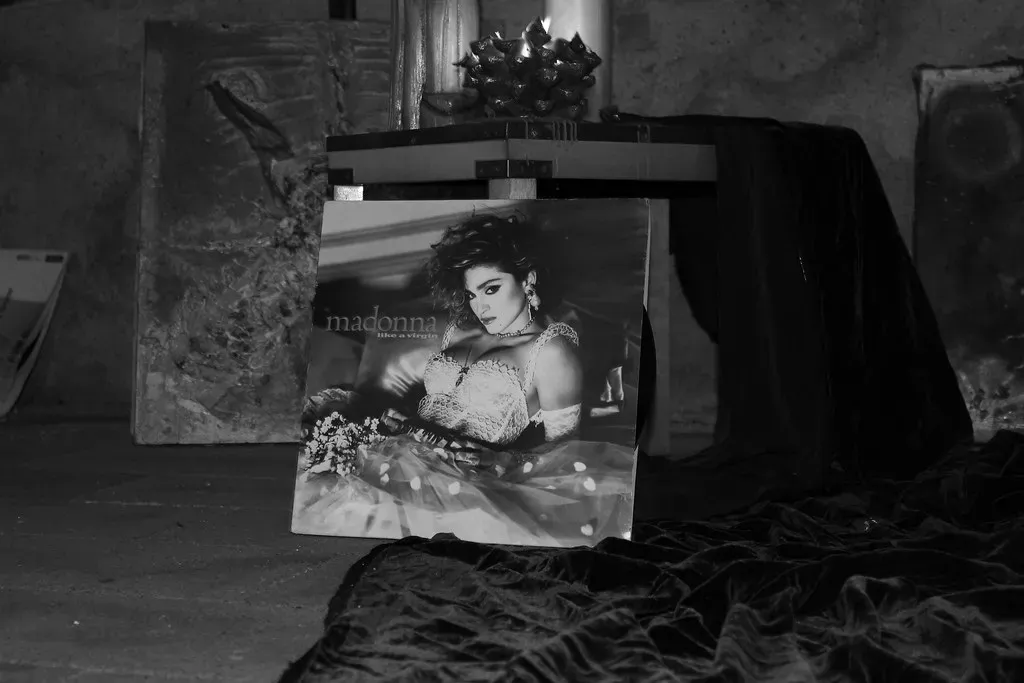
Madonna built her entire career on reinvention. Just when you thought you had her figured out, she’d emerge with a completely new image, sound, and attitude.
From the “Like a Virgin” pop princess to the spiritual seeker of “Ray of Light,” Madonna refused to age gracefully or predictably. Each era brought new controversies, new aesthetics, new reasons for people to either worship or criticize her. She cycled through dozens of looks and sounds, somehow staying relevant for four decades.
Her secret? Understanding that reinvention wasn’t just about the music. It was about creating a complete cultural moment each time. Whether you loved or hated her latest phase, you couldn’t ignore it. That’s real staying power.
Johnny Cash: From Country Star to Dark American Icon
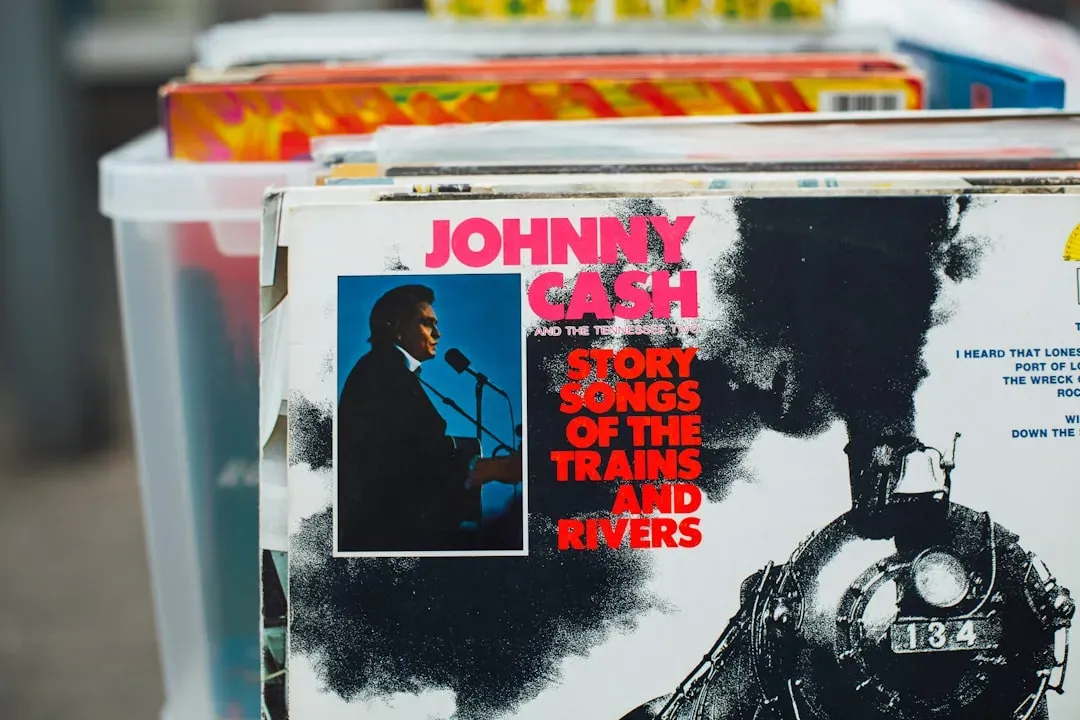
By the 1990s, Johnny Cash’s career seemed finished. He was a country legend, sure, but relegated to oldies stations and nostalgia tours. Then producer Rick Rubin had a wild idea.
The “American Recordings” series stripped Cash down to basics: just his weathered voice and an acoustic guitar. He covered Nine Inch Nails, Soundgarden, Depeche Mode. Songs nobody expected from a country icon. The result? A complete creative rebirth at an age when most artists are coasting on past glory.
Cash transformed from a has-been into a dark, brooding figure of raw authenticity. His cover of “Hurt” became more famous than the original. Younger generations discovered him for the first time. It proved that reinvention doesn’t have an age limit.
Radiohead: Abandoning Rock for Electronic Experimentation
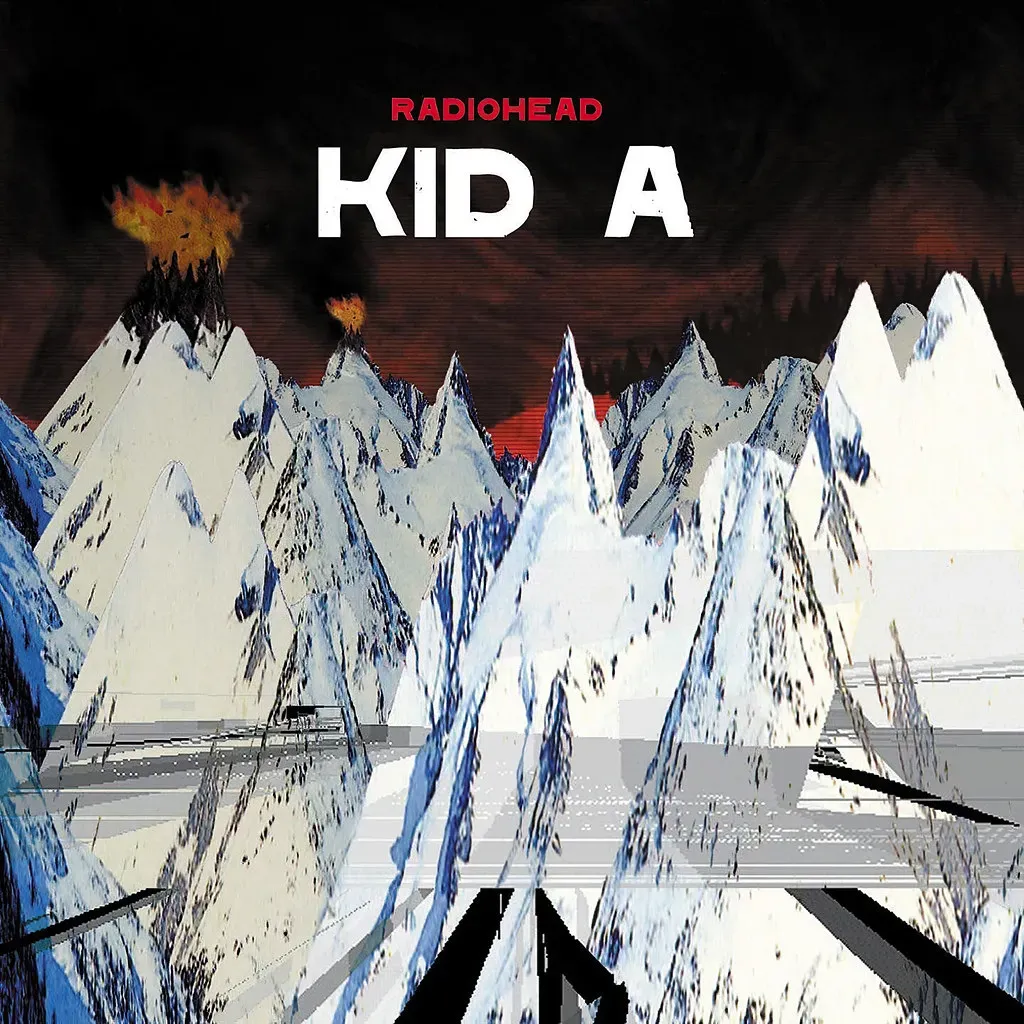
After “OK Computer” made them the biggest alternative rock band on the planet, Radiohead could have coasted on guitar-driven anthems forever. Instead, they released “Kid A,” an album that confused and divided their fanbase.
No more big guitar solos. No traditional song structures. Just atmospheric electronic soundscapes and Thom Yorke’s haunting vocals filtered through layers of effects. Fans expecting “Creep Part Two” were thoroughly disappointed. Critics didn’t know what to make of it initially.
Years later, “Kid A” is considered groundbreaking. But at the time, it felt like artistic suicide. Radiohead took a massive commercial risk to follow their creative impulses. That courage set them apart from bands content to repeat themselves endlessly.
Katy Perry: Leaving Gospel Behind for Pop Stardom

Before “I Kissed a Girl” shocked the pop world, Katy Perry was Katy Hudson, a Christian gospel singer. Not many people remember that version of her career. She’s made sure of that.
The transformation was dramatic. From singing about faith to celebrating hedonistic pop culture, Perry completely abandoned her religious roots. The controversy was immediate. Her parents, both pastors, publicly struggled with her new direction.
Perry never apologized for the change. She leaned into the provocative imagery and party-anthem persona, building a massive pop empire in the process. Whether you see it as authentic evolution or calculated image makeover depends on your perspective. Either way, it worked.
Conclusion: The Risk That Defines Legends

Reinvention takes guts. It’s easier to keep delivering what worked before, to give fans exactly what they expect. These artists risked everything to follow their creative instincts, even when it meant alienating audiences who loved them for specific reasons.
Some transformations felt calculated. Others seemed desperate. A few appeared completely spontaneous. But they all shared one thing: the courage to evolve, even when evolution meant losing some fans along the way. The ones who succeed become legends. The ones who fail become cautionary tales.
What do you think makes a reinvention work versus crash and burn? Have any of these transformations changed how you see these artists?