Vegas is a city that sells you on the dream – neon lights, big wins, and the feeling that anything is possible. But underneath the spectacle, millions of ordinary people are just trying to afford a roof over their heads. For a lot of them, including me, that roof turned out to be a manufactured home. It was one of the most practical decisions I ever made, and honestly, one of the most complicated ones too.
Living in a manufactured home in Las Vegas is not what the glossy brochures would have you believe, and it’s also not the dusty trailer park stereotype either. The reality sits somewhere in between, full of genuine value, surprising trade-offs, and a few costs that nobody tells you about upfront. So let’s get into all of it.
Why I Chose a Manufactured Home in the First Place

In late 2025, Las Vegas homes were listed at a median price of around $475,000, meaning you’d need a yearly income close to $90,000 just to comfortably cover the mortgage payments. That number hit me like a bucket of cold water. I was not in that income bracket, and I suspect a lot of people reading this aren’t either.
Manufactured homes offered a way out of that impossible math. Prices for manufactured and modular homes in Nevada start at around $80,000, excluding land and site improvements, compared to a starting cost of approximately $440,000 for a stick-built home in the state. That gap is enormous, and for a first-time buyer without a trust fund, it changes everything.
Manufactured homes in Las Vegas grew in popularity because of the demand for affordable housing. I was just one of many people who did the math and landed on the same answer. The city had priced too many of us out of the traditional market, and factory-built housing was quietly filling that gap.
The True Cost of Purchase: Where Manufactured Homes Win

Here’s the thing about manufactured homes that surprises almost everyone when they first look into it. The price per square foot is dramatically lower than anything site-built. According to federal housing data, the average price per square foot for a manufactured home is around $87 in 2024, compared to roughly $166 for a site-built home. That’s nearly half the cost for basically the same livable space.
The average new factory-built home in Nevada costs about $120,800, while modular homes average around $135,900. When you compare those numbers to the median Las Vegas home sale, you start to understand why so many people are making the switch. It’s not about settling. It’s about being smart with limited resources.
According to Fannie Mae reports, the average price of new manufactured homes rose from $82,400 in 2018 to $123,200 in 2024, reflecting strong demand and rising values. So yes, even manufactured home prices are climbing. The window of affordability is still open, but it’s narrowing, and that’s worth keeping in mind.
Lot Rent: The Monthly Bill Nobody Talks About Enough

This is where things get real, and honestly a little uncomfortable. When I moved into my manufactured home community in Vegas, the monthly lot rent felt manageable at first. Residents in manufactured home communities often pay lot rent or land lease fees that can range from a few hundred to over $1,000 per month depending on location and amenities. In Las Vegas, that number tends to lean toward the higher end.
Some communities in Las Vegas, like Villa Borega, list homes for rent at around $1,299 per month, while newer 2024 models in other communities like Sand Creek run around $1,429 per month. Those figures include the home rental, but separate lot rent in owner-occupied communities adds another layer of expense on top of your home payment. It’s a bill that never goes away.
Think of lot rent like a subscription you can never cancel. You own the structure but not the ground beneath it, and that ground gets more expensive every year. Nevada law does require landlords to provide at least 90 days’ written notice before increasing rent, which gives residents some breathing room but does not stop the increases from coming.
What Nevada Law Actually Says to Protect You

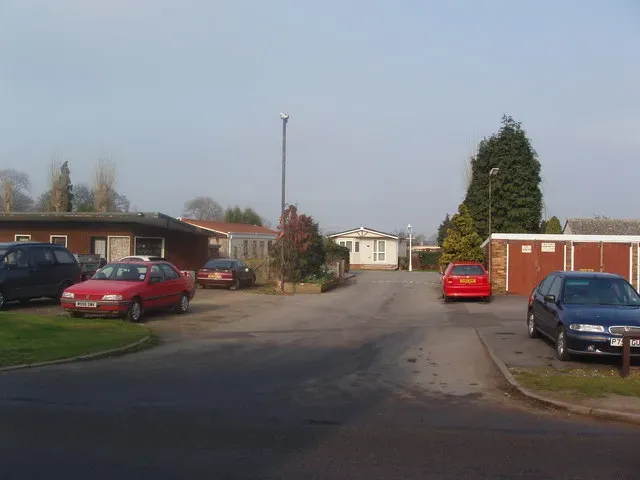
Nevada law provides strong protections for mobile home park tenants, and under NRS 118B.200, tenants have the right to peacefully enjoy their leased lot without interference, provided they follow park rules and lease terms. That sounds reassuring, and in practice, it does matter. Knowing your rights is one of the most underrated tools a manufactured home resident can have.
The relationship between mobile home park owners and tenants is generally governed by Chapter 118B of the Nevada Revised Statutes, and the state agency in charge of protecting manufactured home owners is the Nevada Manufactured Housing Division, which licenses parks, titles and inspects homes, and investigates complaints against park owners and managers. This structure gives residents somewhere to go when things go wrong.
Retaliatory actions by landlords are prohibited under NRS 118B.210, meaning if a tenant files a complaint or joins a tenant association, landlords cannot increase rent, reduce services, or threaten eviction in response. I’ll be honest, knowing that law existed made me feel more secure than I expected when I first moved in.
Financing a Manufactured Home: The Hidden Rate Problem

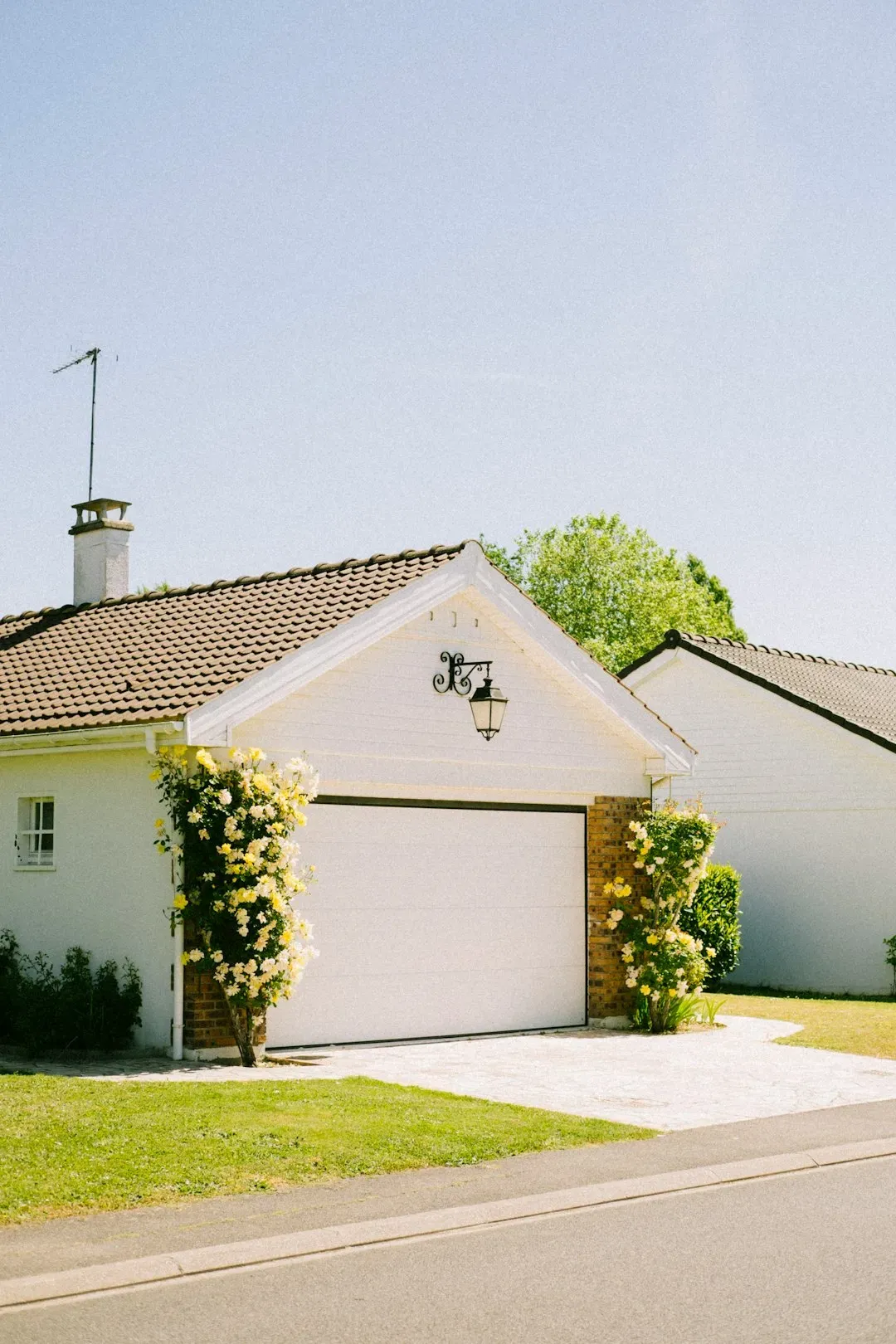
Getting a mortgage for a manufactured home is not the same as buying a traditional house, and the difference in cost is something I wish someone had explained to me before I signed anything. A 2023 Consumer Financial Protection Bureau report highlighted that financing for manufactured homes often carries higher interest rates than traditional mortgages, which quietly increases the total long-term cost of owning one.
Homes on rented land often use chattel loans with higher rates, while homes on owned land can qualify for traditional mortgages with better terms. That distinction sounds technical, but it translates directly into thousands of extra dollars paid over the life of a loan. It’s one of those costs that hides in plain sight.
Loan types available for manufactured homes can include chattel loans, FHA, VA, and USDA financing, so there are options. The key is doing the homework early and not just accepting the first financing offer that comes your way. Shopping around matters more in this space than almost any other part of the process.
Energy Efficiency: Older Homes vs. What’s Available Now

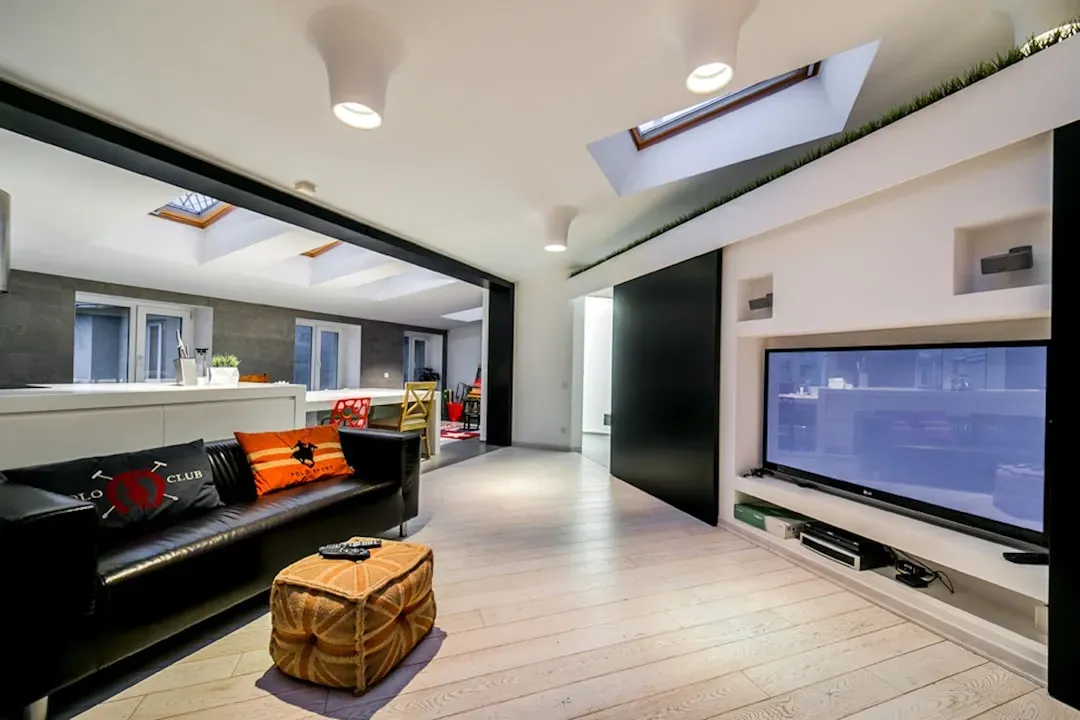
One of the most valid complaints about manufactured homes has always been energy efficiency, especially in a desert city where summer cooling bills can be brutal. Homes built before modern efficiency standards can use noticeably more energy for heating and cooling, and in Las Vegas, that’s a painful reality when temperatures regularly exceed 110 degrees in July.
The HUD Code’s energy efficiency standards have led to innovations such as double-pane windows and higher insulation R-values, and a study by the American Council for an Energy Efficient Economy found that modern manufactured homes use 35% less energy per year, on average, than site-built homes. That’s a remarkable turnaround from the reputation the industry used to carry.
In September 2024, HUD announced the most comprehensive update to manufactured home construction and safety standards in nearly three decades, with 87 changes including the expansion of the HUD code to cover multi-residential structures like duplexes, triplexes, and quadplexes. Newer homes are genuinely better built. The gap between a 1990 manufactured home and a 2024 model is surprisingly wide.
The Appreciation Question: Will Your Home Hold Its Value?


This is the question that kept me up at night before I bought, and I think it’s fair to say it’s complicated. The old assumption that manufactured homes automatically lose value like a used car has not aged well. Between 2000 and 2024, manufactured homes appreciated by 211.8 percent, nearly identical to site-built homes, which saw 212.6 percent appreciation over the same period, working out to roughly 5% annual appreciation for both types.
Here’s the catch, though. Land ownership gives a manufactured home its best chance to appreciate. Homes on owned lots are considered real property by appraisers and lenders. In contrast, homes on rented land are often classified as personal property and are less likely to appreciate in value. In Las Vegas, where most manufactured home communities are land-lease situations, this matters a lot.
Manufactured homes located in mobile home parks often face steeper depreciation because the land is leased rather than owned, limiting the homeowner’s investment to the home itself. That’s the hard truth. You can own a beautiful, well-maintained home and still watch its market value stagnate simply because you don’t own the ground underneath it. It’s a bit like polishing a rental car.
Insurance Costs and Risk Factors in the Desert

Insurance for a manufactured home in Las Vegas is available but it comes with its own set of quirks. Coverage typically costs more per dollar of value compared to site-built homes, largely because of perceived risk factors including vulnerability to high winds and, increasingly in the American Southwest, wildfire exposure. Nevada’s climate adds an extra layer of concern that insurers are very aware of.
The good news is that newer manufactured homes built to updated HUD code standards are increasingly seen as lower-risk. Homes built under these standards are not only safer and more durable but also more cost-effective over time due to their energy efficiency and lower maintenance requirements. That certification matters when you’re negotiating with an insurance company.
Shopping for manufactured home insurance requires more effort than most people expect. Not all standard homeowners’ insurance providers cover them, and the policies that do exist vary enormously in what they actually protect. Getting at least three quotes and reading every line of the exclusion clauses is not optional. It’s necessary.
Community Life: The Upside Nobody Mentions


Let me be honest, one of the biggest surprises about living in a Vegas manufactured home community was how much I actually liked the people around me. There’s a real neighborhood feel to these communities that you don’t always find in apartment complexes or generic subdivisions. People look out for each other. There are shared amenities, regular community events, and a genuine sense of belonging.
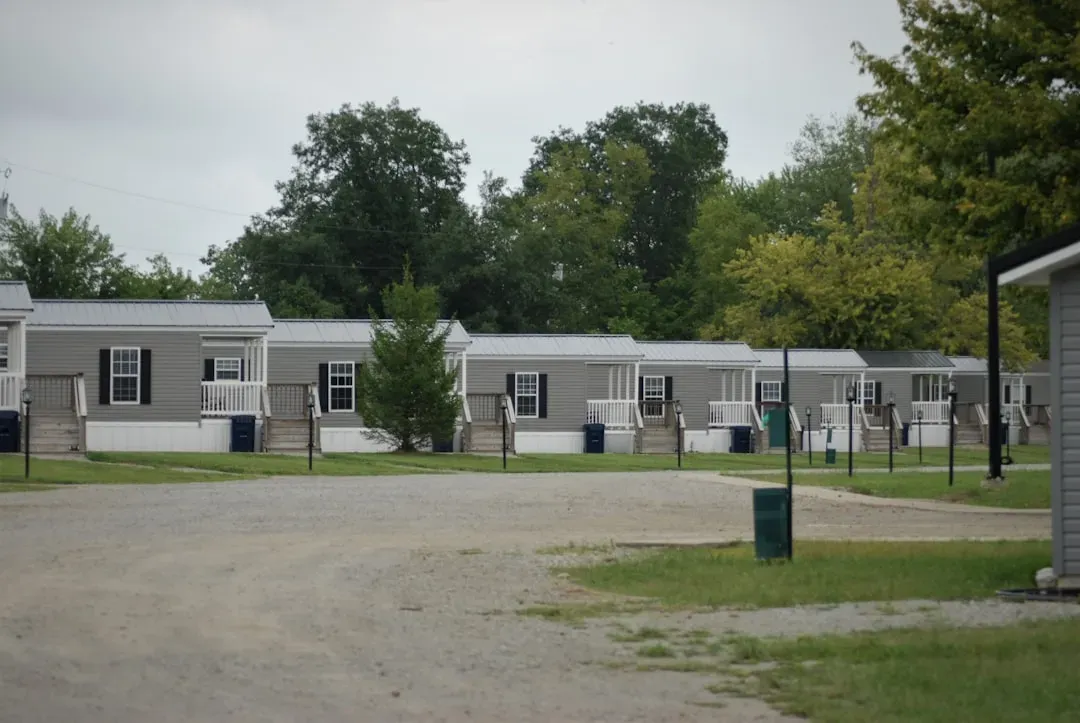
There are many options available in Vegas communities that can be customized, and the homes can have porches, garages, balconies, and decks, with many models offering different exterior aesthetics. Walking through some of the better-maintained communities, you’d honestly have a hard time distinguishing them from standard suburban neighborhoods at a glance.
Gated 55+ communities in particular, like the ones listed around Shadow Mountain Village and Villa Borega, offer features like gated access, proximity to shopping, public transportation, and easy freeway access. For retirees on fixed incomes, the combination of affordability and community amenities is genuinely hard to beat in a city with Vegas-level housing costs.
The Long-Term Verdict: Is It Worth It?

After weighing all of it, my honest conclusion is this: a manufactured home in Las Vegas makes strong financial sense as an entry to homeownership, but you need to go in with your eyes wide open about the hidden costs. The savings on purchase price are real. The lot rent pressure is real. The appreciation potential depends almost entirely on whether you own the land or not.
Roughly 22 million Americans now live in manufactured homes, which tells you this is not a fringe or desperate choice. It’s a mainstream housing solution that works for millions of families, retirees, and first-time buyers who simply cannot compete in the conventional market. As the nation navigates an affordable housing shortage, manufactured housing offers quality and affordability to Americans who need and deserve both.
According to Coherent Market Insights, the U.S. manufactured housing market is projected to grow from $25.7 billion in 2025 to $37.1 billion by 2032, which suggests the industry is only going to get bigger and more competitive. Vegas, with its persistent affordability challenge, will keep pushing buyers toward this option for years to come.
Would I do it again? Absolutely, but I would spend far more time researching the land ownership question before signing anything. That single decision makes more financial difference than almost everything else combined. What about you – did any of these hidden costs catch you off guard? Let us know in the comments.