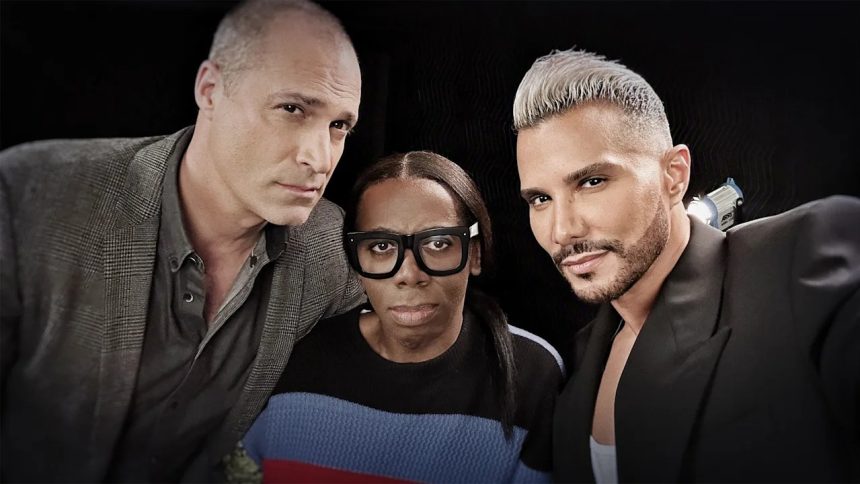

2020’s TikTok Backlash Sparks a Deeper Dive (Image Credits: Images.fastcompany.com)
A Netflix docuseries has thrust the long-running reality competition ‘America’s Next Top Model’ back into the spotlight, blending fond memories with unflinching critiques of its troubled past.
2020’s TikTok Backlash Sparks a Deeper Dive
Pandemic lockdowns in 2020 drove viewers to rediscover early 2000s reality television, including ‘America’s Next Top Model,’ but this time with sharp social media commentary that exposed its flaws.
Platforms like TikTok buzzed with dissections of the show’s outdated practices, setting the stage for a more structured examination. The resulting docuseries, ‘Reality Check: Inside America’s Next Top Model,’ picked up on this momentum. It traced the program’s journey from its 2003 debut through 24 cycles filled with drama. Interviews with former contestants, producers, and host Tyra Banks provided intimate insights. Production teams captured the era’s unfiltered energy, yet the series highlighted how modern sensibilities clashed with those depictions.
Unpacking the Show’s Most Infamous Moments
Established controversies took center stage, revealing patterns that defined the series’ reputation. Body shaming emerged as a recurring theme, with contestants facing intense scrutiny over their appearances.
One notorious challenge involved a race-swapping photo shoot, which drew immediate backlash and resurfaced years later in a sequel. The docuseries detailed how these elements played out on screen, often prioritizing shock value over sensitivity. Judges and mentors enforced rigid beauty standards that clashed with evolving industry norms. Still, the show maintained massive viewership, blending aspiration with entertainment. ‘Reality Check’ methodically cataloged these incidents, allowing viewers to reassess their impact.
Partner offer
Shocking New Claims Surface
Cycle 2 contestant Shandi Sullivan shared a harrowing account of an alleged on-camera sexual assault, claiming production failed to intervene. Instead, cameras rolled as the incident framed her as unfaithful to her boyfriend, even capturing her emotional call home.
Banks addressed some issues but sidestepped broader responsibility, while hinting at a potential 25th cycle revival. These revelations painted a starker picture of behind-the-scenes dynamics. The docuseries contrasted the glamour of runway walks with the personal toll on participants. Sullivan’s story underscored vulnerabilities in reality TV production during that era.
A Growing Wave of Reality TV Exposés
‘Reality Check’ joined a surge of documentaries reevaluating childhood favorites through adult perspectives. In 2024, ‘Quiet on Set: The Dark Side of Kids TV’ exposed issues at Nickelodeon, building on Jennette McCurdy‘s memoir about her experiences on ‘iCarly’ and ‘Sam & Cat.’
Vice TV’s ‘Dark Side of Reality TV’ devoted episodes to shows like ‘Toddlers & Tiaras,’ ‘Hell’s Kitchen,’ ‘Survivor,’ and ‘America’s Next Top Model.’ This trend reflected a cultural pivot: audiences craved the aesthetics of past decades but demanded accountability for their flaws. Here are key examples in this genre:
- ‘Quiet on Set’ focused on producer Dan Schneider’s influence and child actor mistreatment.
- ‘Dark Side of Reality TV’ unpacked manipulation tactics across multiple formats.
- McCurdy’s ‘I’m Glad My Mom Died’ offered a personal lens on Nickelodeon pressures.
- ‘Reality Check’ zeroed in on modeling industry pressures and ethical lapses.
Key Takeaways
- Modern viewers blend binge-watching with critique, fueling anti-nostalgia docs.
- ANTM’s scandals, from shaming to assaults, highlight unchecked reality TV power.
- Banks’ reflections tease revival amid calls for reform.
As society grapples with media legacies, ‘Reality Check’ reminds us that nostalgia often hides hard truths – prompting a healthier way to revisit the past. What are your memories of ‘America’s Next Top Model,’ and does this docuseries change them? Share in the comments.
Partner offer
Planning a trip to Vegas?
Compare hotel rates and show tickets on VEGAS.com.