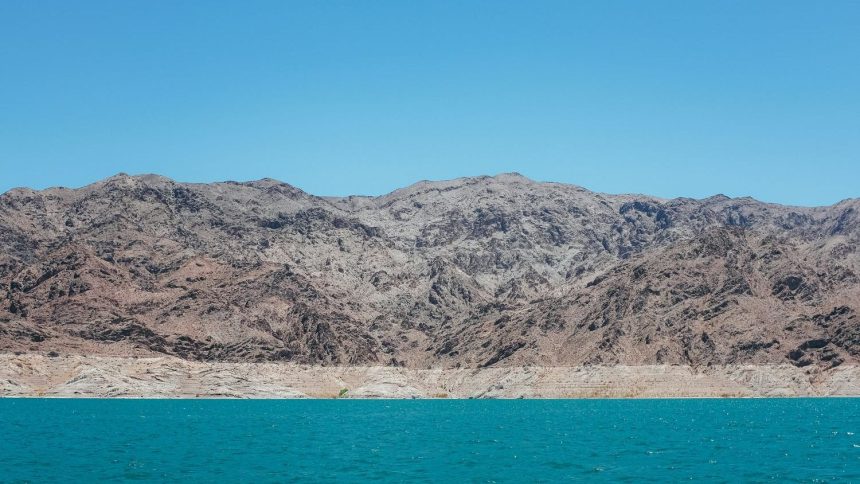
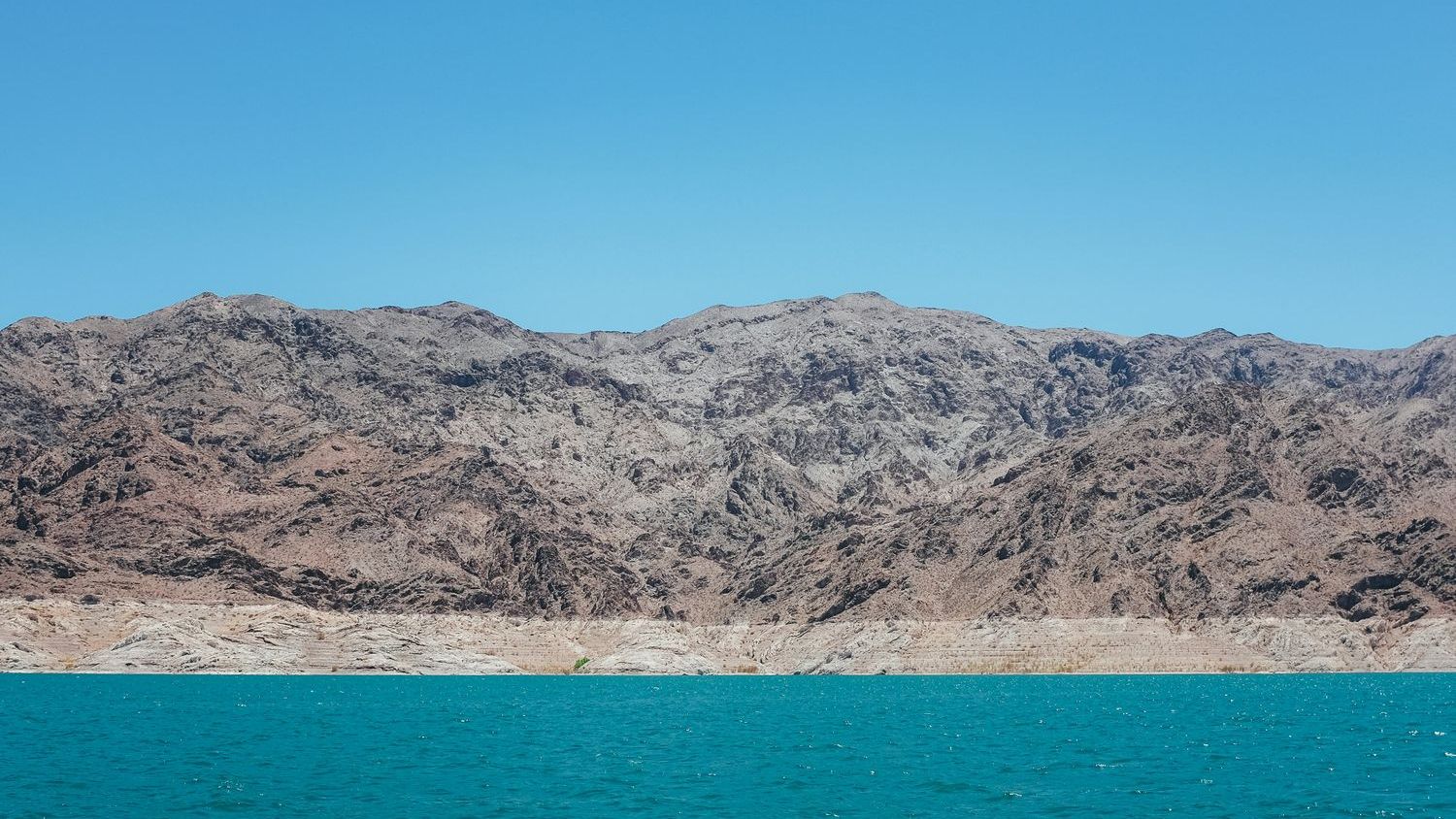

Nevada, California and Arizona announce new water-saving plan for dwindling Colorado River – Image for illustrative purposes only (Image credits: Unsplash)
Las Vegas — Officials from Nevada, Arizona, and California revealed a short-term water conservation strategy on Friday to address the Colorado River’s deepening crisis. The plan commits the three Lower Basin states to more than 3.2 million acre-feet in savings through 2028, amid reservoirs approaching perilously low elevations.[1][2] Lake Mead stands at 31% capacity near Las Vegas, while Lake Powell lingers at just 24% full.[1] This initiative builds on prior pledges and seeks federal backing to avert immediate shortages.
Breaking Down the Proposed Cuts
The agreement outlines specific reductions for 2027 and 2028, tailored to each state’s allocation under longstanding water rights. Arizona pledged the largest share at 760,000 acre-feet annually, followed by California at 440,000 acre-feet per year. Nevada committed to trimming 50,000 acre-feet each year from its modest 300,000 acre-foot allotment.[2]
Negotiators also eyed an additional 700,000 acre-feet in savings, with minimum targets of 100,000 from Nevada, 300,000 from Arizona, and 300,000 from California. These steps hinge on federal funding and partnerships, including incentives for farmers to idle fields and urban efficiency upgrades. The states emphasized that the cuts form a unified package, blending voluntary reductions with adjusted reservoir operations.[3]
| State | Annual Allocation (acre-feet) | Proposed Annual Cuts (2027-2028) |
|---|---|---|
| Nevada | 300,000 | 50,000 |
| Arizona | 2,850,000 | 760,000 |
| California | 4,400,000 | 440,000 |
One acre-foot supplies roughly two households for a year, underscoring the scale of these commitments. Details require approval from local boards, legislatures, and the U.S. Bureau of Reclamation by August.[2]
Reservoirs in Peril After Record-Dry Winter
A snowpack measuring just 22% of average — the lowest on record — has intensified fears for the river system. Runoff projections signal minimal replenishment for the giant reservoirs this year, exacerbating a three-decade megadrought worsened by climate change.[1] Lake Powell risks falling so low that hydropower generation at Glen Canyon Dam could halt, while Lake Mead faces similar threats at Hoover Dam.
Partner offer

Federal managers already slashed releases from Lake Powell by 20% this year to prioritize storage. The Lower Basin states positioned their plan as urgent action amid stalled talks with upstream counterparts in Colorado, Utah, Wyoming, and New Mexico. "Quick and decisive action is urgently required," the negotiators wrote to Interior Department officials.[3]
Lake Mead: 31% full
Lake Powell: 24% full
Risk: Potential hydropower loss and delivery disruptions
Nevada’s Proactive Stance and Local Implications
Nevada, with the smallest share, has led urban conservation efforts. The Las Vegas Valley cut usage despite population booms through turf removal, recycling, and strict rules, earning praise as America’s most efficient metro area. Southern Nevada Water Authority General Manager John Entsminger noted, "This isn’t a situation that’s snuck up on Las Vegas. We spent 25 years driving down our water usage."[1]
The 50,000 acre-foot annual reduction represents about 17% of Nevada’s allocation but aligns with ongoing efficiencies. Residents may see reinforced measures on landscaping and leaks, though no immediate rationing looms. The plan safeguards Lake Mead, critical for Las Vegas’s supply and Hoover Dam power.[2]
"This proposal is about moving from ideas to implementation," Entsminger added, urging basin-wide efforts.[2] Agriculture bears much of the burden, as farms consume three-quarters of the river’s flow.
Toward a Sustainable Path Forward
Implementation awaits federal support, including funds for tribes and infrastructure. The states urged the Trump administration for aid, following a joint governors’ letter. While buying time through 2028, the deal pressures Upper Basin states to contribute in long-term guidelines expiring later this year.[1]
California’s Colorado River Board Chairman JB Hamby called it a "leadership position to protect the system for another two years."[1] Success depends on collaboration, as the river sustains 40 million people across seven states and Mexico. For now, these cuts offer a vital buffer against collapse.
Partner offer
Planning a trip to Vegas?
Compare hotel rates and show tickets on VEGAS.com.