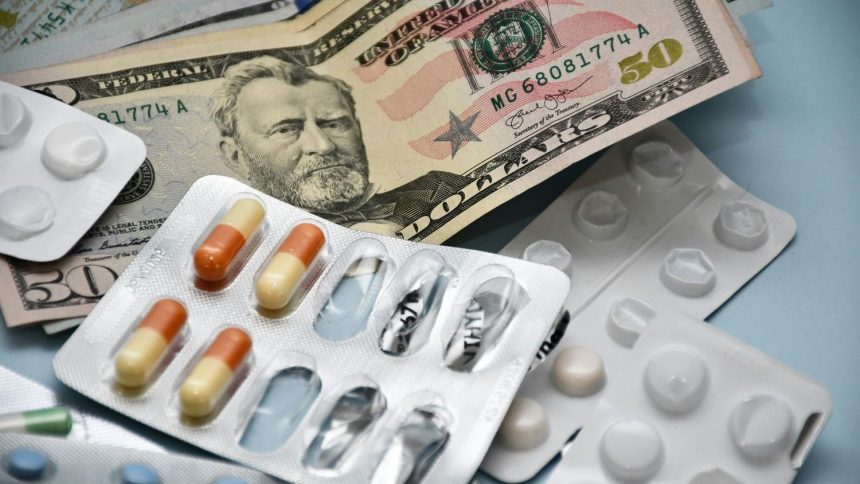


Patients are paying the price of America’s drug cost crisis – Image for illustrative purposes only (Image credits: Unsplash)
Las Vegas — Nearly 30 percent of Nevada adults failed to fill prescriptions, cut pills in half, or skipped doses in the past year due to unaffordable prices.[1] Many residents now report spending thousands of dollars out of pocket annually on essential medications, forcing tough choices between health and basic needs. This local strain reflects a broader national crisis where drug manufacturers raised prices on more than 300 brand-name drugs at the start of 2026 alone.[2]
Everyday Trade-Offs Hit Home
Families across Nevada grappled with escalating medication expenses that disrupted daily life. In one Las Vegas case, a mother with Type 2 diabetes skipped insulin pickups to cover food for her three children while her husband was abroad. Harry Mex, who founded an insurance assistance firm after witnessing his parents’ struggles, recounted the ordeal: “At the time, my dad wasn’t in the country, so my mom had three children, and sometimes she had to go without picking up her prescription just to feed us.”[3]
Surveys revealed widespread worry, with 55 percent of Nevada respondents expressing concern over affording prescriptions. Lower-income households bore the heaviest burden, as 65 percent earning under $50,000 reported high anxiety levels. Even middle-income groups faced similar pressures, prompting actions like pill splitting or outright avoidance of care. These patterns echoed national trends, where patients stretched supplies or borrowed funds to manage bills.[1][4]
National Drivers Fuel Local Pain
Pharmaceutical companies cited inflation and research needs when they hiked prices on hundreds of treatments early this year, including antivirals, vaccines, diabetes drugs, and migraine remedies. The U.S. system amplified these increases through high administrative overhead and profits, with drug makers pocketing $128 billion last year while spending $50 billion on advertising. Private insurers collected $369 billion more in premiums than they disbursed for care, adding to patient burdens.[2][5]
Americans devoted $1.77 trillion to hospital care alone last year, one-quarter of which went to executives and paperwork rather than treatment. Compared to other nations, U.S. health spending ran 40 percent higher, yet outcomes lagged due to unregulated pricing and fragmented coverage. In Nevada, these dynamics translated to residents navigating confusing insurance portals and assistance programs just to access basics like insulin.[5]
Partner offer

Federal Reforms Offer Partial Relief
The Inflation Reduction Act delivered targeted savings for Nevada’s Medicare population. Around 11,000 insulin users saved an average of $439 annually with a $35 monthly cap, while over 65,000 beneficiaries on negotiated drugs like Eliquis, Xarelto, Jardiance, and Januvia saw reduced costs. An out-of-pocket limit of about $3,500 in 2024 dropped to $2,000 the following year, yielding $31 million in collective relief for roughly 117,000 enrollees.[6]
Additional measures included free Part D vaccines for 433,000 enrollees and inflation rebates. Marketplace plans, however, saw premiums and deductibles rise for 80 percent of users after subsidy changes, pushing one in 10 to drop coverage. High-deductible shifts left many vulnerable to emergencies, underscoring gaps in broader reforms.[4]
| Reform | Nevada Impact | Savings Example |
|---|---|---|
| Insulin Cap | 11,000 enrollees | $439/year average |
| Out-of-Pocket Limit | 117,000 enrollees | $31 million total |
| Negotiated Drugs | 65,000+ enrollees | Lower prices on 10 drugs |
Strategies to Ease the Strain
Local experts urged proactive steps amid persistent hikes. Pharmacists recommended comparing prices across outlets, as costs varied significantly. Tools like GoodRx provided estimates, while bulk purchases suited some needs. Patient assistance programs and prior authorizations offered further avenues, though Medicare Part D users faced coupon restrictions.[2]
- Verify insurance coverage and request prior authorizations directly from pharmacies.
- Use discount sites like GoodRx for cash-pay comparisons.
- Explore income-based assistance starting as low as $55 monthly for select drugs.
- Consult firms like Stratford Oak for navigation help, amid hundreds of daily inquiries.[3]
Despite these options, systemic changes remained essential. Nevada fined manufacturers $17.4 million for unexplained diabetes drug hikes, signaling state-level pushback. As prices continued upward, patients weighed immediate relief against long-term fixes.[7]
The drug cost crisis persisted, testing families’ resilience while reforms slowly took hold. For countless Nevadans, affordable access to vital treatments hung in a fragile balance, demanding vigilance from both individuals and policymakers.
Partner offer
Planning a trip to Vegas?
Compare hotel rates and show tickets on VEGAS.com.