
Kalshi’s Rise Challenges Nevada’s Gaming Landscape (Image Credits: Pexels)
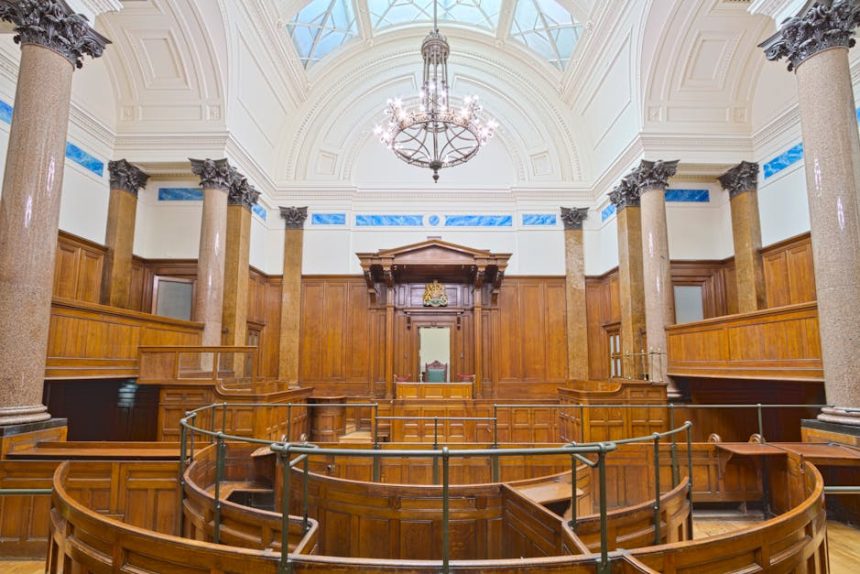
Carson City – A pivotal court hearing looms in Nevada’s capital, where regulators aim to permanently halt operations of the prediction market platform Kalshi. Traders across the state, including Las Vegas resident Richard Lee, watch closely as the outcome could disrupt their access to a platform they view as a fair alternative to traditional sportsbooks.[1][2] The case highlights growing tensions between federal oversight and state gaming laws in the rapidly expanding world of event-based trading.
Kalshi’s Rise Challenges Nevada’s Gaming Landscape
The New York-based company launched in 2018 and gained traction last year by introducing markets on sporting events. Users buy and sell contracts predicting outcomes, from NFL games to elections, under federal regulation by the Commodity Futures Trading Commission.[1] Unlike sportsbooks that act as the house, Kalshi charges only transaction fees, creating what some call a more balanced ecosystem.
Nevada authorities classify these activities as unlicensed sports wagering. The state argues that platforms like Kalshi evade local taxes and safeguards against problem gambling or underage access.[3] This clash has drawn national attention, with similar disputes in states like Arizona and Massachusetts.
Timeline of a Heated Legal Fight
The Nevada Gaming Control Board first issued a cease-and-desist order in March 2025. Kalshi responded by securing a federal injunction that April, only for it to dissolve months later.[4] Appeals reached the Ninth Circuit, which remanded the case to state court, paving the way for today’s proceedings.
On March 20, District Judge Jason Woodbury granted a 14-day temporary restraining order, blocking Kalshi from certain event contracts in Nevada. The upcoming hearing before the same judge will decide on a preliminary injunction that could extend restrictions indefinitely.[1]
- March 2025: Cease-and-desist letter sent to Kalshi.
- April 2025: Federal court issues injunction favoring Kalshi.
- November 2025: Injunction lifted.
- February 2026: Ninth Circuit denies Kalshi’s appeal.
- March 20, 2026: Temporary restraining order issued.
- April 4, 2026: Preliminary injunction hearing scheduled.
Real Impact on Everyday Traders
Richard Lee, a Las Vegas cryptocurrency startup operator, exemplifies the users at stake. He shifted from sportsbooks to Kalshi after limits curbed his winning bets on NFL games. Now generating six-figure income there, Lee praises its fairness.[1]
“I find the prediction market ecosystem much healthier,” Lee stated. “Sportsbooks only want the losers. With Kalshi, it’s a much more fair ecosystem where they just take a transaction fee on each trade.”[1] Thousands like him await workarounds if access ends, such as VPNs or out-of-state proxies, though legal risks remain.
Lee, an economics graduate, sees Kalshi as a disruptor akin to Uber challenging taxis. He supports its federal regulation strategy for nationwide reach but acknowledges states’ tax concerns.
Stakes Extend Beyond Nevada
A ruling against Kalshi could embolden other states pursuing state-court strategies. Massachusetts has refiled similarly, while Arizona leveled criminal charges.[5] Analysts predict appeals, potentially to the U.S. Supreme Court.
The dispute underscores divides over CFTC preemption. Nevada emphasizes protecting its gaming industry, vital to the economy, and ensuring integrity.[3] Prediction markets’ growth, fueled by election and sports interest, amplifies the pressure.
| Aspect | Kalshi Prediction Markets | Traditional Nevada Sportsbooks |
|---|---|---|
| Regulation | Federal CFTC | State Gaming Control Board |
| Revenue Model | Transaction fees | House edge |
| Taxes Paid | None to states | State gaming taxes |
| Safeguards | Age 18+, federal rules | State-specific, age 21+ |
Key Takeaways
- Nevada seeks to classify Kalshi’s contracts as illegal sports pools, prioritizing state licensing.
- A preliminary injunction could bar sports, election, and entertainment markets statewide.
- Federal vs. state jurisdiction remains the core battle, with broader implications for prediction platforms.
As Judge Woodbury weighs arguments, the decision will shape Nevada’s gaming future and test prediction markets’ resilience. Will federal oversight prevail, or will states reclaim control? What do you think about the balance between innovation and regulation? Tell us in the comments.