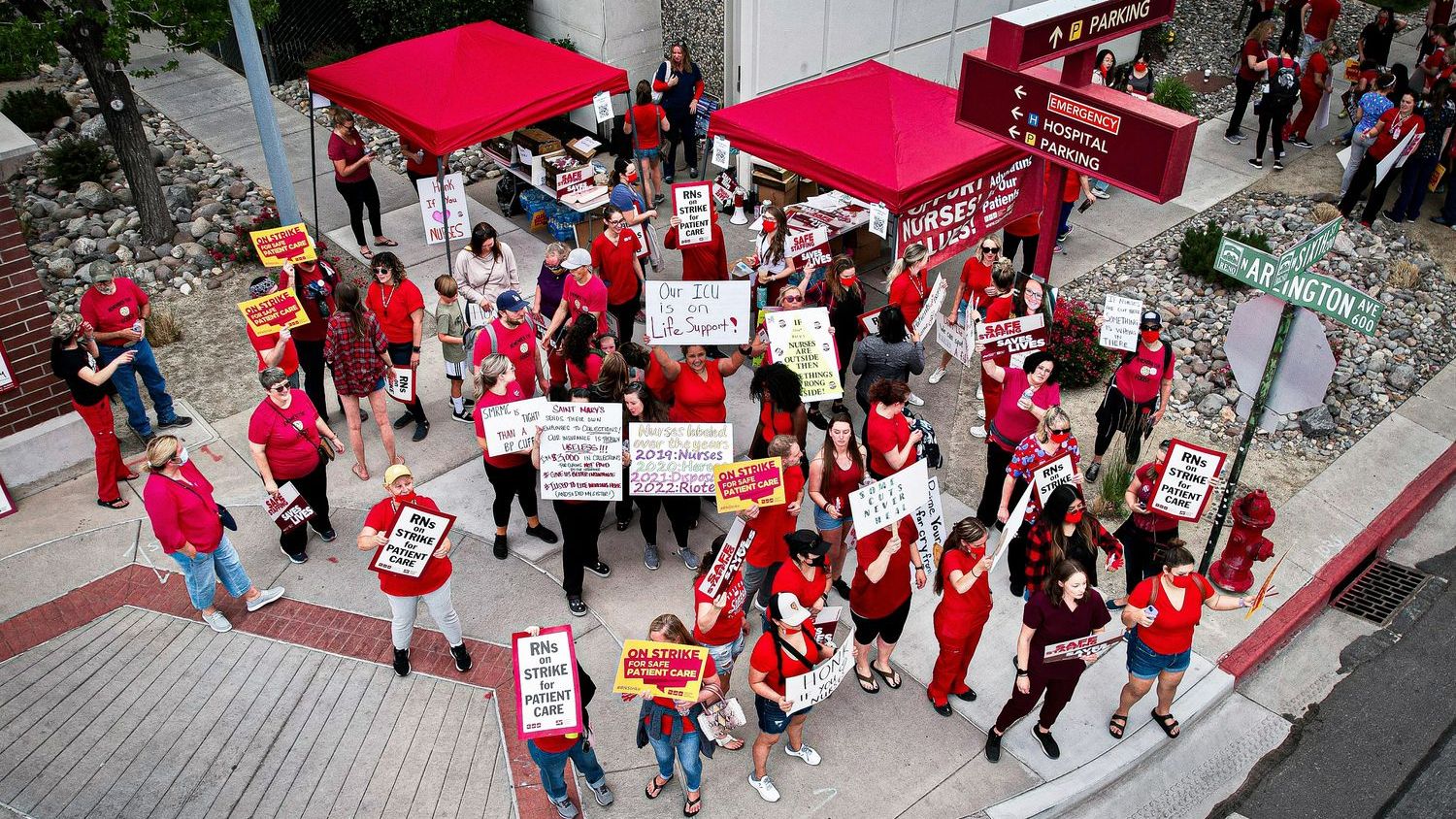

Vote against a big labor priority? Nevada unions want to make it hurt. – Image for illustrative purposes only (Image credits: Unsplash)
Las Vegas – Nevada labor organizations are actively reshaping several Democratic primary contests this year after lawmakers rejected a major film tax credits proposal last fall. The effort centers on holding elected officials responsible for the bill’s failure, which unions had backed as a way to generate thousands of construction jobs and expand early education access in Clark County. With union membership in the state running higher than the national average, these groups are deploying endorsements, donations and direct outreach to influence outcomes.
Origins of the Dispute
The film tax credits measure, known as AB5, came within a single vote of passage during a special legislative session in November. Proponents estimated it would support 19,000 new construction positions and fund more than 1,000 free pre-kindergarten seats. A coalition of 20 unions had formed the Nevada Jobs Now PAC and spent roughly $1 million promoting the plan ahead of the session.
Opponents, including some progressive and conservative lawmakers, argued the incentives would strain state finances and potentially create budget shortfalls within a few years. After the bill collapsed, several unions moved quickly to withdraw support from incumbents who had voted against it. Labor leaders described the outcome as a direct loss of promised employment opportunities in the construction sector.
Primary Challenges and Endorsement Changes
At least six Democratic candidates running in legislative races this cycle belong to building trades unions, while another 11 are affiliated with other labor groups, a level organizers describe as a record. Laborers Local 872, a key backer of the film proposal, has rescinded endorsements for several sitting lawmakers and is backing challengers instead.
The affected races include:
Partner offer

- Senate District 2, where North Las Vegas City Councilman Isaac Barron is challenging Sen. Edgar Flores.
- Assembly District 6, where carpenter Douglas Candido is running against Assm. Jovan Jackson.
- Assembly District 15, where urban planner Miguel Dávila is taking on Assm. Howard Watts.
Union officials have visited job sites to inform workers about lawmakers’ voting records. They have also contributed to challengers’ campaigns, with more than a quarter of one candidate’s early fundraising coming from two unions that supported the film bill.
Strategic Risks and Broader Goals
Political observers note that withdrawing endorsements carries both potential costs and benefits for the unions involved. A loss by a union-backed challenger could weaken labor’s influence, yet a victory would signal to future legislators that crossing major priorities carries consequences. Union representatives emphasize that their actions reflect ongoing concerns beyond the film bill, including issues such as automation, prevailing wage standards and the use of non-union labor on public projects.
Some incumbents have defended their votes by pointing to past support for other labor measures and warning that the tax credits could have jeopardized the state budget. Not every union that backed the original proposal has shifted its endorsements, and a few progressive candidates are instead challenging lawmakers who voted in favor of the incentives.
Key developments in the 2026 cycle
- Multiple building trades members running for office.
- Rescinded endorsements leading to primary contests.
- Continued focus on job creation and worker protections.
Looking Ahead in Nevada Politics
Labor leaders say they remain committed to supporting individual candidates who align with union priorities rather than backing the Democratic Party as a whole. Past efforts, such as the 2024 challenge involving the Culinary Workers Union, produced mixed results but did not deter further action. Organizers maintain that repeated engagement, even after setbacks, has kept labor a durable force in state elections.
The current push underscores how unions intend to use their fundraising networks and member mobilization to shape the legislature that convenes after November.
Partner offer
Planning a trip to Vegas?
Compare hotel rates and show tickets on VEGAS.com.