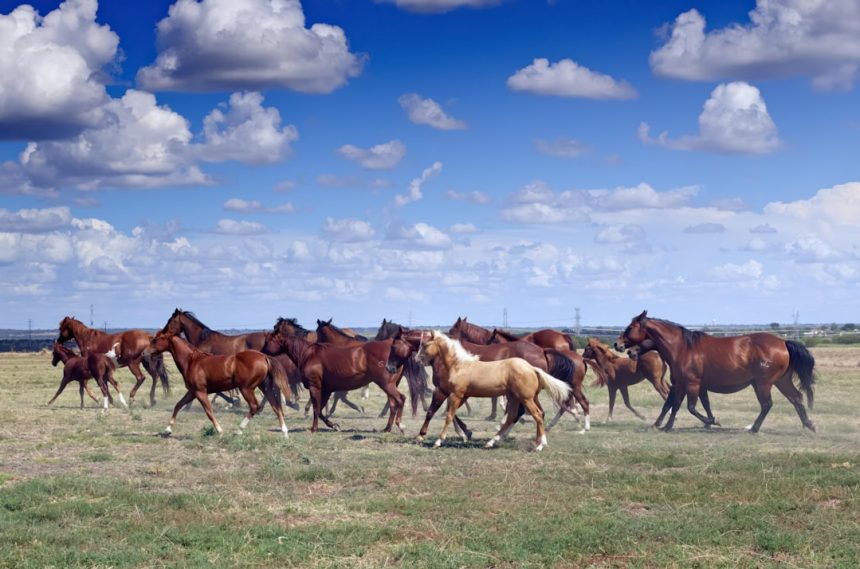
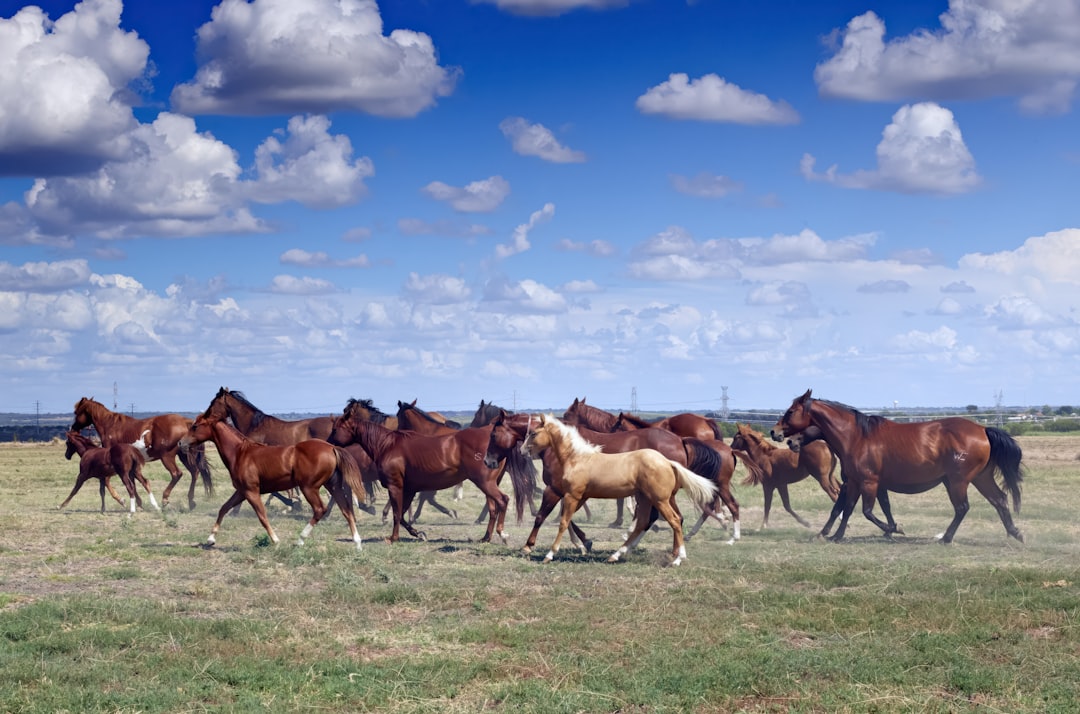
Recent Gathers Reveal High Fatality Rates (Image Credits: Unsplash)
Nevada — The Bureau of Land Management’s wild horse roundups have long managed overpopulated herds on public lands, yet mounting evidence points to significant animal welfare challenges.[1][2] Operations near Las Vegas and across the state aim to curb rangeland degradation and ensure ecological balance, but critics highlight injuries, fatalities, and post-capture hardships for the animals. Recent announcements signal thousands more removals amid ongoing debates over humane alternatives.
Recent Gathers Reveal High Fatality Rates
The Blue Wing Complex roundup in northern Nevada concluded with stark losses that drew sharp scrutiny. Bureau of Land Management records showed 42 horse deaths out of 1,305 captured, including nine acute cases from roundup injuries like broken necks and fractured legs.[3] Advocacy groups reported a fatality rate five times higher than comparable operations elsewhere.
Heat exacerbated the toll during the July 2024 event, with exhausted mares collapsing after prolonged chases. Wild Horse Education documented instances of wranglers mishandling animals, prompting a contractor suspension. Such outcomes underscore vulnerabilities in helicopter-driven gathers, even as the agency posts daily reports online.
Capture and Transport Pose Dire Threats to Vulnerable Herds
Foaling season amplifies dangers in Nevada’s trap-based roundups, now underway in areas like the Spring Mountains and Caliente complexes. Newborn foals and pregnant mares face crushing risks during sorting, loading, and long hauls to holding facilities.[4] A viral video from the Pancake Complex captured a young colt suffering a broken leg in a trap.
Exclusion of independent observers from these sites limits accountability, violating precedents like Ninth Circuit rulings on public access to government actions on public lands. The BLM’s Comprehensive Animal Welfare Program remains under fire for unfulfilled reviews, perpetuating preventable harms. Bait-and-water traps, used to sidestep helicopter bans, still yield mass removals without transparency.
Partner offer
Adoption Abuses Lead to Slaughter Pipelines
Post-roundup fates compound welfare concerns, as low-cost adoptions enable opportunists to flip horses into auctions and slaughter. Animals acquired for as little as $25 have surfaced neglected or starved, prompting law enforcement impounds with animal welfare assistance.[1] Critics trace this to lax program oversight in taxpayer-funded efforts.
Nevada holds the nation’s largest wild horse and burro populations, fueling frequent gathers like the recent emergency removal of 300 near Ely amid drought. Holding facilities report elevated mortality, with one site logging 11% rates and 23 deaths in 24 days from undisclosed causes. Advocates decry the cycle: removal, confinement, and sales authority under the 2004 Burns Amendment.
Alternatives Gain Traction Amid Calls for Reform
Sterilization via vaccination emerges as a favored option from conservation groups, reducing herds without trauma. Relocation proposals surface repeatedly, yet the BLM prioritizes gathers for public safety and wildlife protection, such as mule deer near highways.[2] Spring Mountain, 60 miles west of Las Vegas, targets 425 horses and burros for these reasons.
Litigation persists, with suits challenging secretive operations and demanding observer access. The agency defends gathers as essential for rangeland health, but failures in welfare policy implementation erode trust. Comprehensive herd data on foaling could refine plans, shifting from reactive removals.
| Recent Nevada Roundups | Captured | Deaths |
|---|---|---|
| Blue Wing (2024) | 1,305 horses | 42 |
| Ely Emergency (2026) | 300 horses | Not reported |
| Planned (Spring Mtn/Caliente) | ~1,200 | Ongoing |
Key Takeaways
Wild horses symbolize Nevada’s untamed spirit, yet current management practices risk turning icons into casualties. Stronger transparency and humane innovations could align land stewardship with animal protection. What do you think about these roundups? Tell us in the comments.
Partner offer
Planning a trip to Vegas?
Compare hotel rates and show tickets on VEGAS.com.