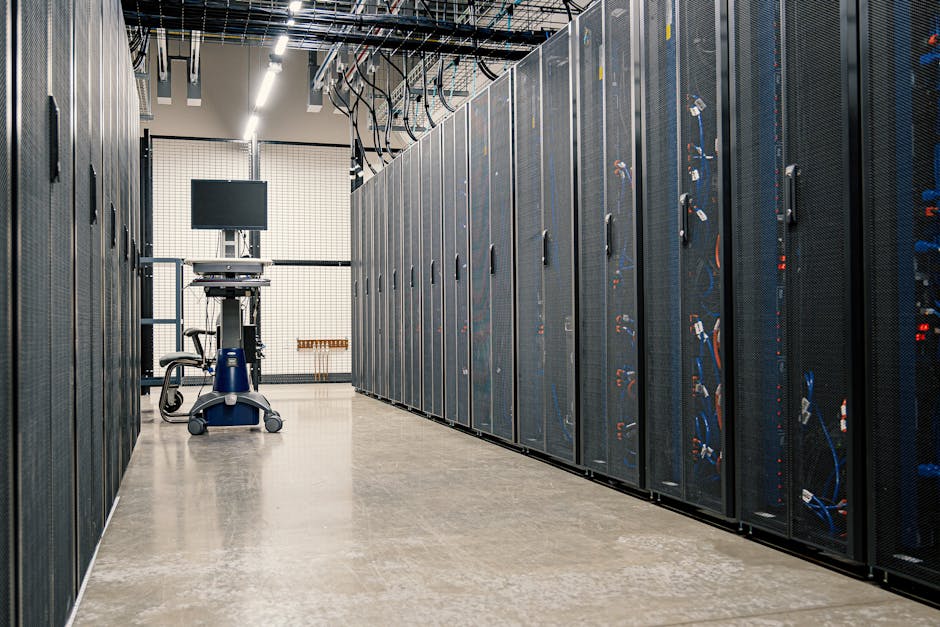

Billions at Stake in Limited Permanent Jobs (Image Credits: Pexels)
Nevada – Data centers have proliferated across the state since lawmakers approved tax incentives more than a decade ago, drawing major players in cloud computing and artificial intelligence. These facilities promise economic growth through jobs and investments, yet residents struggle to access basic details about the subsidies they fund. Public records experts now question whether the process complies with state transparency laws, raising alarms over corporate influence in what should be open government business.[1][2]
Billions at Stake in Limited Permanent Jobs
State officials approved 15 tax abatements for data centers since 2015, projecting $457 million in benefits before two projects withdrew. These deals target companies like Google and Switch, which operate multiple sites, particularly in Storey County. Construction has created thousands of temporary positions, fueling union growth in northern Nevada, but permanent roles number only about 300 statewide.[1]
The incentives cover 75 percent of personal property taxes on equipment for 10 or 20 years, plus a reduction of sales and use taxes to 2 percent. From fiscal 2017 to 2025, these breaks cost local governments over $537 million in forgone sales and use tax revenue alone. Officials highlight property tax payments from the massive buildings as a counterbalance, yet no comprehensive tracking exists for overall tax contributions or economic ripple effects.[2]
Strict Rules, Murky Compliance Checks
Qualifying projects must meet clear thresholds within five years. For shorter abatements, firms commit to 10 full-time Nevada-resident employees earning at least the statewide average wage of $31.57 hourly, alongside $25 million in capital spending. Longer deals demand 50 jobs, the same pay floor, and $100 million invested. Construction crews also require at least half local hires, plus health insurance covering 65 percent of premiums.[3]
- 10-year abatement: 10 jobs, $25M investment
- 20-year abatement: 50 jobs, $100M investment
- All: Wages at 100%+ of state average; 50% NV construction workers
- Reporting: Biennial summaries on jobs, wages, expenditures
Thirteen active sites now undergo audits, supposed to occur every two years under contracts, though state reports reference five-year marks. The Governor’s Office of Economic Development releases aggregated findings biennially, but combines data center audits with other incentives, obscuring specifics.[1]
Audits Locked Behind Company Doors
Nevada law designates completed audits as public records under NRS 360.755, available post-appeals except for trade secrets. Sample agreements, however, grant companies veto power over releases if they show compliance. The office rejected a public records request for these documents, claiming only non-compliant files qualify for disclosure.
Jake Valentine, a lawyer with the ACLU of Nevada, called this arrangement problematic. “It seems to flip the statute itself on its head,” he said. Patrick File, a media law professor at the University of Nevada, Reno, noted that challengers often face lawsuits to enforce access, tilting the balance toward secrecy.[1]
Critics Demand Better Oversight
Researchers point to the low job bar relative to subsidy scale – roughly $1.5 million per position promised. Kasia Tarczynska of Good Jobs First argued for deeper scrutiny. “The bar is pretty low. There’s just so much more that the economic development office could be doing because the subsidies are so big,” she said.
GOED Director Tom Burns defended the approach, stating the agency follows legal advice and lacks authority over tax revenue details. Spokesperson Carli Smith attributed report ambiguities to wording issues, insisting results remain accurate. As data centers strain energy and water supplies amid the AI surge, calls intensify for reforms like frequent disclosures and environmental safeguards.[2]
State Senator Dina Neal, once a program backer, now probes the setup. “It’s almost like you’re auditing some, not all. What is the true contribution?” she asked.
Key Takeaways
- Nevada approved $457M in projected abatements for 13 active data centers.
- Public audits remain largely inaccessible, prompting legal concerns.
- Benefits lean toward construction jobs; permanent roles stay minimal.
The opacity surrounding these deals underscores a broader tension: luring tech giants versus safeguarding taxpayer interests. With facilities numbering around 70 statewide and demands rising, Nevada faces pressure to clarify if the incentives deliver promised value. What steps should lawmakers take next? Share your thoughts in the comments.