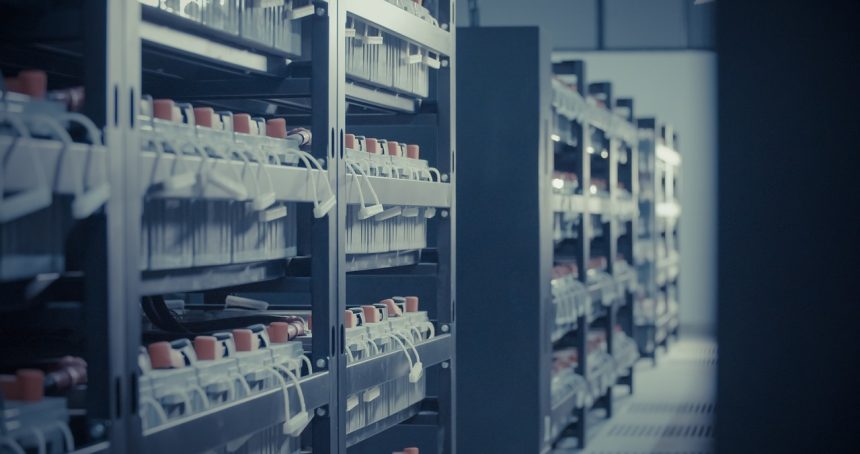

A Surge in Silicon Desert Infrastructure (Image Credits: Pixabay)
Nevada – The nation’s driest state faces mounting pressure from a surge in data centers fueled by artificial intelligence demands. These facilities, sprouting across Reno and Las Vegas regions, consume vast amounts of water for cooling and electricity to power servers. Lawmakers recently grappled with whether the state can sustain this growth without straining resources further.[1][2]
A Surge in Silicon Desert Infrastructure
Northern Nevada leads the expansion, particularly in Washoe and Storey counties. Operating capacity reached 713 megawatts statewide, with over 5,900 megawatts planned or under construction. The Tahoe-Reno Industrial Center near Sparks hosts major projects, drawing tech giants with tax incentives and available land.[3][4]
Southern Nevada, including Clark County, operates 426 megawatts, with 414 more planned. Companies like Google expanded in Henderson, while Flexential eyes upgrades in North Las Vegas. This growth mirrors national trends, but Nevada’s arid climate amplifies risks.[3][5]
Water Consumption Raises Alarms
In 2024, 23 data centers in Southern Nevada used over 716 million gallons, enough for 4,395 households annually. Google’s Henderson facility topped the list at 352 million gallons, sourced largely from the Colorado River. Such figures highlight cooling needs, where evaporative systems evaporate water irretrievably.[5]
Projections paint a starker picture. By 2033, medium-efficiency cooling could demand 9,647 acre-feet yearly, comparable to 31 golf courses or 27,600 households’ drinking water. Northern Nevada’s Truckee Meadows holds rights to over 4 billion gallons annually, but over half of state groundwater basins remain overallocated.[3][4] Southern Nevada banned new evaporative cooling in 2024 to conserve Lake Mead supplies.
- Closed-loop systems recycle water, slashing use to 1-3 million gallons per medium facility yearly – akin to 10-20 households.
- Indirect power generation adds 12,448 acre-feet annually.
- Treated wastewater pipelines offer mitigation, with 4,000 acre-feet capacity proposed.
- Backup diesel generators raise air quality flags.
Power Demands Dwarf Expectations
NV Energy revised forecasts upward, needing 50% more energy than two years ago, potentially doubling by 2030. Data centers drive 25,590 gigawatt-hours of load growth by 2033 – 56% of 2024’s total generation and 2.8 times Hoover Dam’s output. Comparisons to mining falter, as post-construction jobs stay nominal.[2][3][1]
The utility pursues geothermal and solar deals, like Google’s Clean Transition Tariff project. Still, supply chains, permitting, and rural workforce shortages hinder builds. Rates remain competitive, 55% below California’s, but cost-shifting fears linger.[6]
Balancing Incentives and Oversight
Nevada granted $13.3 million in property tax abatements and $225.6 million in sales tax breaks over fiscal 2023-2024. These lure firms, promising recession-proof revenue with low public service needs. Yet, critics question if benefits outweigh strains.[2]
In a March 25 legislative hearing, stakeholders urged transparency on usage and rates. Sierra Club’s Olivia Tanager warned: “Nevada is unfortunately falling behind in regulating this industry. It has impacts on our water, our air quality and on your utility bill.”[1] Nine states eye moratoriums; Nevada weighs special tariffs and developer-funded infrastructure.
| Region | Operating MW | Planned MW |
|---|---|---|
| Washoe/Storey | 286.5 | 5,500 |
| Clark | 426 | 414 |
Key Takeaways
- Data centers could consume water equal to thousands of households, but efficient tech and regs mitigate some risks.
- Power needs rival major dams, challenging clean energy goals.
- Legislators push for rules to protect ratepayers and resources.
Nevada stands at a crossroads, where tech promise clashes with desert realities. Responsible growth demands innovation in cooling, renewables, and policy. What do you think about balancing data centers and sustainability? Tell us in the comments.