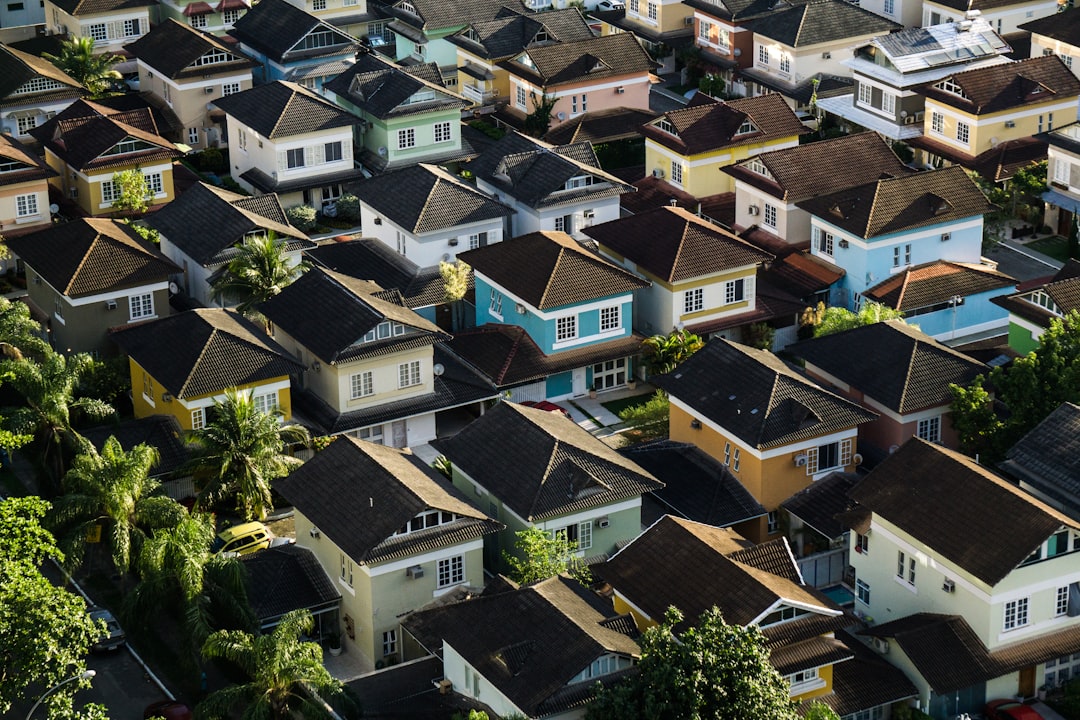

A Crisis in Numbers (Image Credits: Unsplash)
Las Vegas – Families across Nevada grapple with soaring housing costs that devour budgets and threaten stability. Average home prices hover around $440,000, while monthly rents approach $2,000, forcing many to choose between shelter and essentials like food and health care.[1][2] A recent letter from a local resident underscored the strain, highlighting a stark shortage where only 17 affordable units exist for every 100 extremely low-income renters.[1] This crisis demands that state leaders prioritize solutions to restore balance.
A Crisis in Numbers
Home prices in Nevada surged 53 percent since 2019, transforming the state from an affordable haven into a symbol of national struggles.[3] In the Las Vegas Valley, the median single-family home sold for about $482,000 in February 2026, with resale prices climbing steadily.[4] Rents reflect similar pressures, with fair market rates for a two-bedroom apartment requiring a full-time worker to earn $32.94 hourly just to cover costs without exceeding 30 percent of income.[5]
Households face a severe mismatch. Data reveals only 16 rental homes available and affordable for every 100 extremely low-income families statewide, creating a gap of roughly 78,000 units.[5] Many already allocate more than 30 percent of earnings to housing, leaving scant resources for other needs. Minimum wage earners would need multiple full-time jobs – up to 110 hours weekly – to afford a two-bedroom at market rates.
- Average Nevada home price: $440,000
- Average monthly rent: $2,000
- Affordable units per 100 low-income renters: 17
- Income needed for Las Vegas mortgage: $111,088 annually
- Housing wage for two-bedroom: $32.94 per hour
Families on the Brink
Everyday residents bear the brunt. Young workers like a 27-year-old Las Vegas food runner find homeownership elusive, as mortgage payments on a median home double pre-pandemic rents despite assistance programs.[3] Parents who bought homes decades ago watch their children rent indefinitely with roommates, perpetuating a cycle of instability.
The ripple effects extend beyond budgets. Overburdened housing costs erode community vitality, as families cut back on groceries, medical care, and education. In Clark County, population growth to 2.4 million fueled demand, yet construction lagged, exacerbating shortages. Institutional investors now hold 11 percent of single-family rentals in Las Vegas – triple the national average – further tightening supply.
Politicians Weigh In
Governor Joe Lombardo signed measures last year allocating $133 million to the Nevada Attainable Housing Account, funding projects in Las Vegas and Reno for middle-income buyers.[6] Additional $64 million supported developments and homebuyer aid. Federal figures like Senators Jacky Rosen and Catherine Cortez Masto advanced bills targeting corporate ownership and tariff exemptions on building materials to ease costs.
Democrats criticized approaches that overlook low-income needs, while Republicans eyed regulatory relief and investor curbs. Attorney General Aaron Ford proposed banning algorithmic rent hikes and unlocking federal lands – 84 percent of Nevada – for construction. Yet critics argue progress remains slow amid ongoing price records.
| Factor | 2019 Level | 2026 Level |
|---|---|---|
| Las Vegas Median Home Price | $250,000 (approx.) | $482,000 |
| Income Needed for Mortgage | $41,701 (2015 baseline) | $111,088 |
| Price Increase Since 2019 | – | 53% |
Paths Forward
Experts and residents alike point to proven strategies. Boosting affordable supply tops the list, alongside first-time buyer incentives and community investments. Easing land restrictions and streamlining permits could accelerate builds without compromising quality.
Targeted aid for low-income renters, such as expanded vouchers, addresses immediate gaps. Long-term, aligning wages with costs – especially in hospitality – offers relief. Local voices, like Las Vegas resident Erick Chavira, urged these steps in a recent public letter, emphasizing housing’s role in community strength.
Key Takeaways
- Nevada faces a 78,000-unit shortage for low-income households.
- Politicians allocated over $200 million recently, but demand outpaces supply.
- Income thresholds for homeownership tripled in a decade.
Nevada’s housing woes will not resolve without sustained focus from leaders. Bold action now can prevent deeper divides and foster resilient communities. What solutions would you prioritize? Share in the comments.