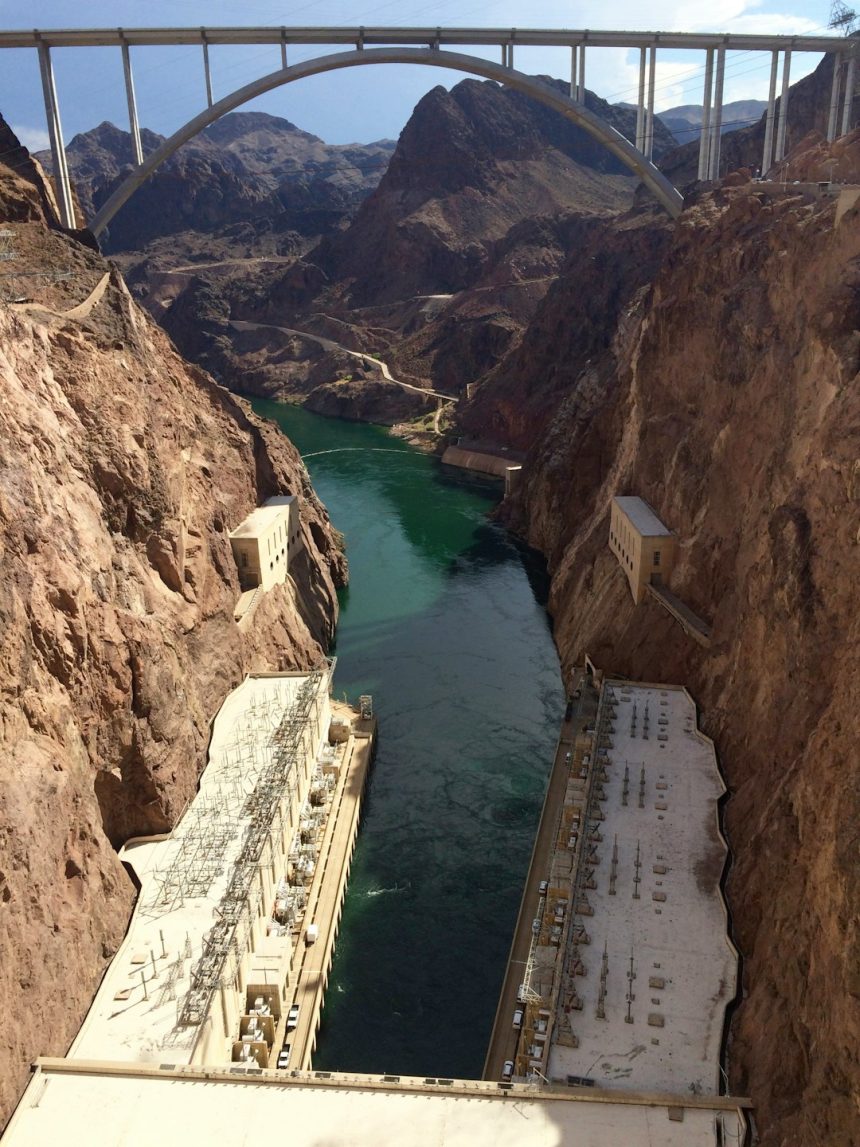

Risks of Out-of-State Dependence (Image Credits: Unsplash)
Las Vegas — A recent opinion piece highlighted the risks Nevada faces from its heavy dependence on California for energy needs.[1][2]
Risks of Out-of-State Dependence
Joseph Sanitate, a Las Vegas resident, argued in a letter published by the Las Vegas Review-Journal that reliance on California undermines the state’s control over its power supply. Such dependence exposes Nevada to external factors like policy shifts and supply disruptions in the neighboring state.
NV Energy maintains interconnections that allow imports and exports of electricity, with significant capacity directed toward California pathways. During peak demand or shortages, Nevada turns to these links, which can lead to higher costs and vulnerability.[3]
The utility’s decision to join the California Independent System Operator’s day-ahead market further ties Nevada’s grid operations to regional dynamics dominated by California.[4]
Fuel Imports Add to Vulnerabilities
Beyond electricity, Nevada imports nearly 86 percent of its transportation fuels from California refineries. Recent refinery closures in California threaten to drive up prices and create shortages for Nevada consumers.[5]
State lawmakers have responded with measures to study alternatives and reduce this reliance. A bill introduced earlier aimed to authorize feasibility studies for local refining options, underscoring growing concerns over fuel security.[6]
Analysts warn that California’s aggressive phase-out of fossil fuel infrastructure could push Nevada gas prices toward $7 per gallon if no action follows.[7]
Paths Toward Self-Sufficiency
Nevada possesses abundant resources for domestic energy production. Solar, geothermal, and natural gas offer viable options to bolster local generation and minimize imports.
- Expand solar and battery storage projects, as approved in NV Energy’s recent integrated resource plans.[8]
- Develop transmission lines to connect remote renewables within the state.[9]
- Explore fuel diversification, including potential partnerships beyond California borders.
- Strengthen regulatory frameworks to prioritize in-state resources over external markets.
- Invest in energy efficiency to curb demand growth amid population booms.
These steps could transform Nevada from a net importer to a potential exporter of clean energy.[10]
Recent Developments Signal Change
Efforts to address fuel dependency gained traction in early 2026, with state officials examining ways to onshore supply chains. NV Energy continues to balance renewables with reliable baseload sources as coal plants transition to natural gas.[11]
Public discourse, including Sanitate’s letter, amplifies the urgency for policymakers to act decisively. Dependence not only risks affordability but also hampers economic growth in a state powered by tourism and industry.
Key Takeaways
- Nevada imports substantial electricity capacity and 86% of fuels from California, heightening exposure to disruptions.[5]
- Local resources like solar and geothermal provide a foundation for greater self-reliance.
- State initiatives aim to study alternatives, but faster implementation remains essential.
Nevada stands at a crossroads: continue outsourcing its energy needs or build a resilient, homegrown system. Securing energy destiny promises stability for residents and businesses alike. What steps should Nevada prioritize next? Share your thoughts in the comments.