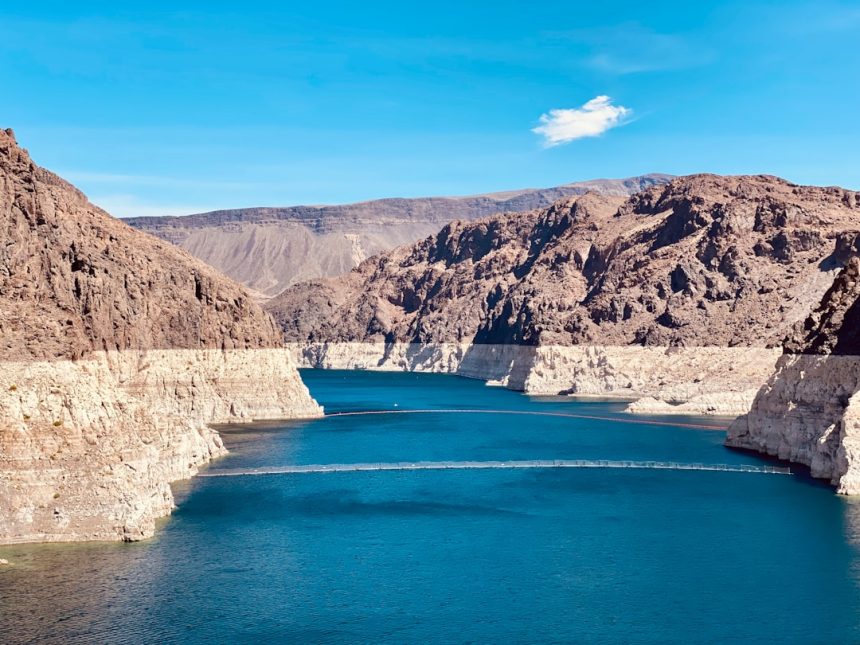
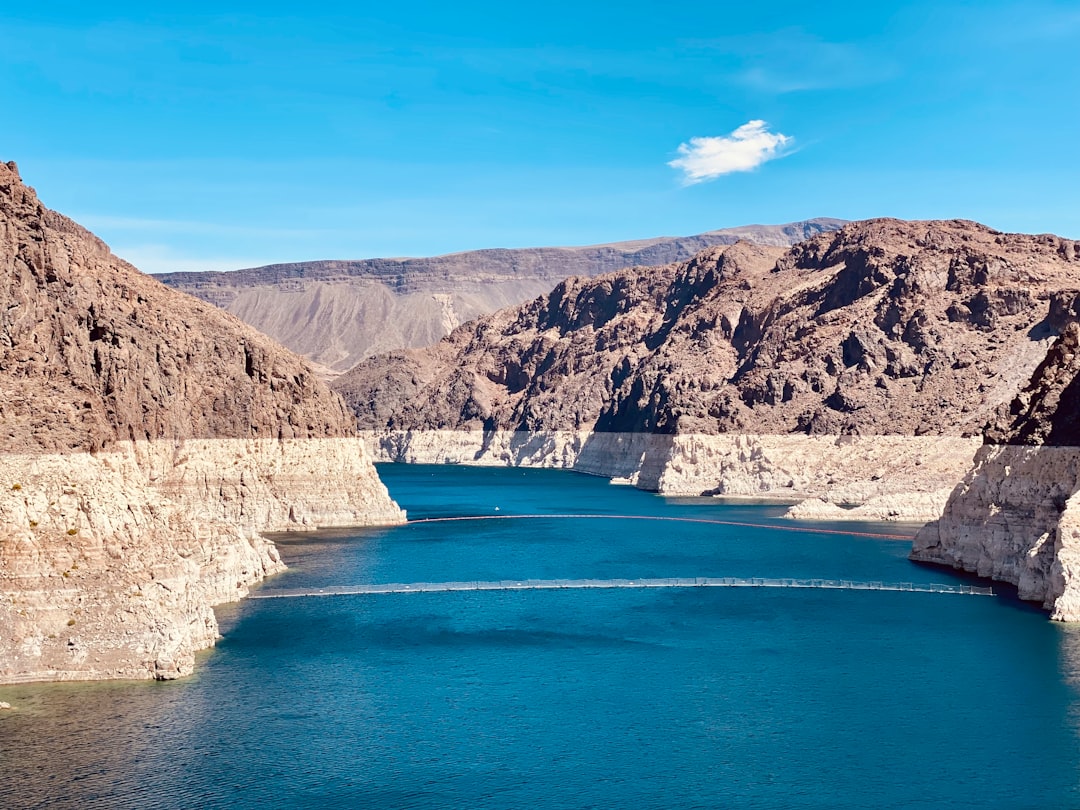

Nevada Sets the Standard with 85% Water Reuse (Image Credits: Unsplash)
Las Vegas – Tensions rise among the seven Colorado River basin states as they race toward an October deadline to forge a new water management agreement. Failure to reach consensus could prompt federal officials to enforce cuts to longstanding allocations. Nevada, with its minimal share and exemplary conservation record, insists on equitable consideration in these high-stakes talks.[1][2]
Nevada Sets the Standard with 85% Water Reuse
Nevada recycles 85 percent of the Colorado River water it withdraws, outpacing all other basin states by a wide margin. Researchers from UCLA analyzed data and confirmed this lead, with Arizona at 52 percent and California at just 22 percent. Upper basin states like Wyoming and Utah reused virtually none.[1]
These efforts translated into concrete savings. In 2025, Nevada consumed a net 198,000 acre-feet from the river, well below its 300,000 acre-foot annual allocation – the smallest among the states. Two decades earlier, the state nearly exhausted its full entitlement despite a smaller population.[1]
Population Boom Meets Dramatic Use Reductions
Southern Nevada added roughly 876,000 residents between 2002 and 2025, yet per capita water use dropped 58 percent over that span. The region, home to 74 percent of the state’s population, accounts for less than 5 percent of Nevada’s total water supply while driving 70 percent of its economy.
Conservation programs fueled this progress. The Southern Nevada Water Authority spearheaded initiatives that saved billions of gallons, including rebates for grass removal and efficient technologies. Golf courses converted 900 acres to desert landscaping, and resorts – employing 16 percent of the workforce – consumed only a fraction of the state’s water.
Key measures include:
- Grass removal rebates, yielding 203 billion gallons saved since 1999.
- Water-efficient business technologies, conserving 24 billion gallons since 2001.
- Water Smart Homes program, building nearly 17,000 efficient units and saving 14 billion gallons.
- Prohibitions on new grass installations and evaporative cooling in commercial buildings.
- Golf course water budgets reduced to 4 acre-feet per irrigated acre annually.
Agriculture Dominates Usage, Sparing Urban Areas
Up to 80 percent of Colorado River water supports agriculture across the basin, dwarfing urban residential demands. Las Vegas Valley draws 90 percent of its supply from the river, serving 70 percent of Nevada’s population. Yet the area’s efficient practices shield it from disproportionate blame in the drought crisis.[1]
State leaders highlight this disparity. John Entsminger, general manager of the Southern Nevada Water District, emphasized readiness to defend Nevada’s interests. “We are thoroughly prepared to fight like hell if it comes to that,” he stated.[1]
| State | Water Reuse Rate |
|---|---|
| Nevada | 85% |
| Arizona | 52% |
| California | 22% |
| Wyoming/Utah | Nearly 0% |
Post-2026 Talks Stall Amid Uneven Contributions
The Bureau of Reclamation’s post-2026 process addresses expiring guidelines for Lakes Powell and Mead operations. A draft environmental impact statement emerged in January 2026, but states remain divided. Lower basin states, including Nevada, propose additional conservation while urging upper basin cuts.[2]
Nevada aims for 86 gallons per capita daily by 2035, building on current momentum. Ongoing restrictions target nonfunctional grass and pool sizes starting in 2027. These steps position the state as a model, even as Lake Mead’s levels hover critically low after a 160-foot drop since 2000.
A UCLA study participant noted the rarity of Nevada’s environmental edge: “It’s not every day that Nevada has some serious environmental bragging rights.”[1]
Key Takeaways
- Nevada reduced per capita use 58% amid population growth, reusing 85% of river water.
- Smallest allocation yet outsized conservation sets it apart from agricultural-heavy users.
- Federal intervention looms if states miss October deal, underscoring need for equity.
Nevada’s track record proves conservation works in the desert – a blueprint for the basin. As talks continue, will other states match this commitment? What do you think about Nevada’s approach? Tell us in the comments.