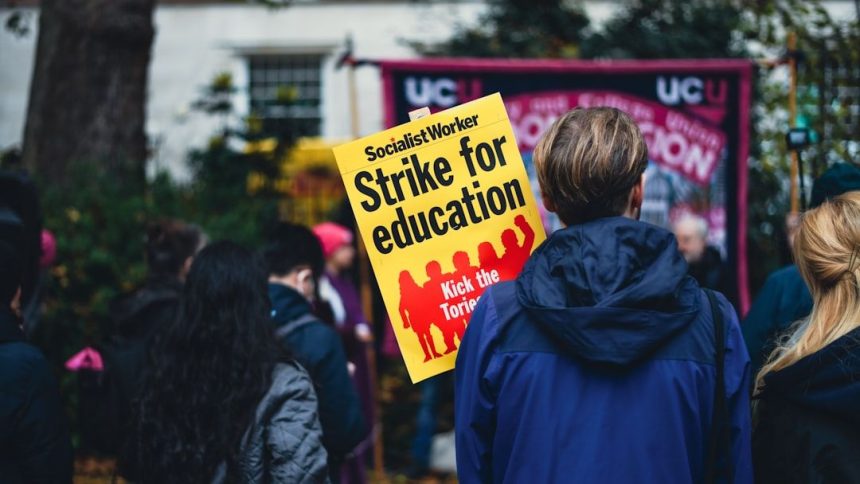
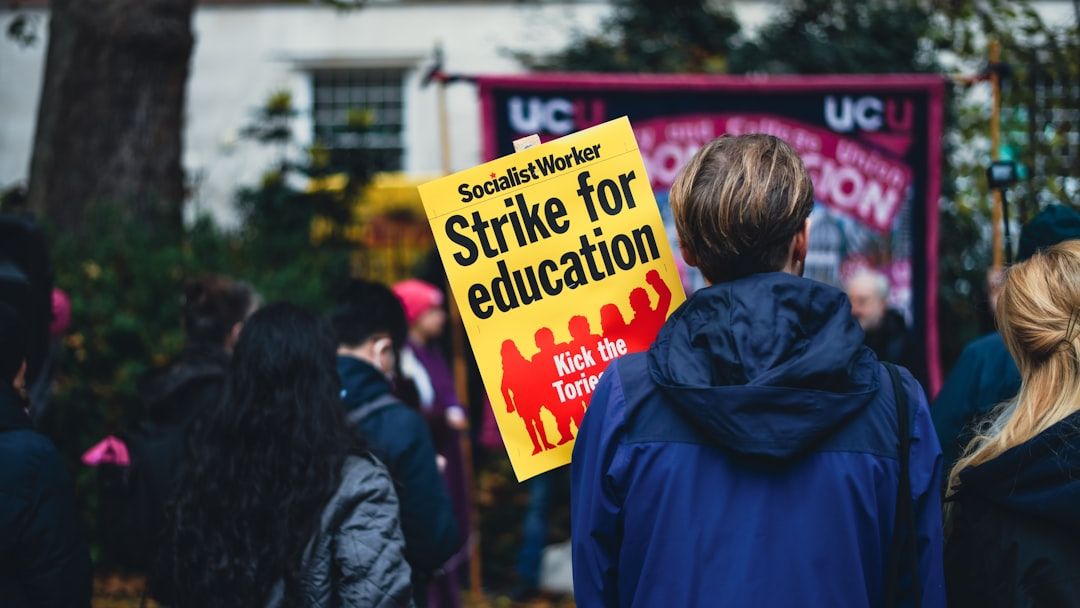
Roots of the Historic Walkout (Image Credits: Unsplash)
Santa Fe Springs — Striking teachers and district officials returned to the bargaining table Monday in the Little Lake City School District, where a leadership transition added fresh momentum to the ongoing dispute.[1][2] The district, which serves communities across Santa Fe Springs, Norwalk, and parts of Downey, marked its first teacher walkout in 154 years when educators walked off the job on April 16.[3] Now entering its third week, the strike highlights tensions over pay, class sizes, and support services amid financial pressures.
Roots of the Historic Walkout
The conflict simmered for months before erupting into action. Educators with the Little Lake Education Association authorized the strike with 94 percent support earlier in April, protesting midyear changes to healthcare plans that spiked premiums for some by as much as $1,400 monthly.[4] Union leaders argued these shifts amounted to substantial pay cuts, compounded by proposals for larger classes and reduced special education staffing.
District administrators countered that rising healthcare costs statewide forced tough choices. Officials pointed to depleted reserves and declining enrollment, which dropped student numbers from over 4,000 five years ago to about 3,500 today.[3] They also noted heavy spending on outside contractors, which consumed 20 percent of the budget—far above state averages—while striving to maintain fiscal solvency.
Superintendent’s Sudden Exit Sparks Change
Jonathan Vasquez, the district’s superintendent, accelerated his retirement last week, stepping away effective Monday due to health and family concerns.[2] He had planned to depart over the summer, but the move came amid mounting pressure from the prolonged strike.
The school board responded swiftly during a tense Sunday meeting attended by hundreds of teachers and supporters. They unanimously selected Monica Johnson, a veteran district employee who served as assistant superintendent of educational services since 2018, to lead as interim superintendent.[5][2] Johnson, who began her career as a teacher and principal in the district, pledged to prioritize stability for students and urgent resolution.[2]
Resumed Talks Amid High Stakes
Both sides convened Monday following a recent lull in discussions, with the new leadership injecting potential for progress. Previous sessions, including one last Thursday, ended without agreement despite the district offering six healthcare options covering 85 to 90 percent of costs—though most tied to class size increases.[4] Union representatives presented counterproposals but left the table late that evening.
Partner offer
Teachers remain firm on core demands: fully funded healthcare without premium hikes, capped class sizes, and bolstered special education resources. LLEA President Maria Pilios emphasized the union’s resolve, stating, “We’re willing to stay here and wait until they meet our demands, no matter how long it takes.”[2] District leaders, including outgoing Superintendent Vasquez, stressed the need to balance employee needs with long-term financial health, warning that overspending could invite state oversight.[4]
Complicating matters, the union launched a recall effort against all five board members, gathering signatures and mailing intent notices last week. Attendance has dipped as the strike drags on, though schools persist on a shortened schedule ending at 1:30 p.m., staffed by substitutes paid $500 daily.[3] Parents and educators alike voiced frustration over disrupted routines and strained classroom conditions.
Board President Jasmine Sanchez hailed Johnson’s appointment as a step toward “experienced leadership” and purposeful advancement. Yet teachers chanted skepticism at the board meeting, questioning whether the change would yield real concessions.
Effects Ripple Through Classrooms and Community
The roughly 200 striking educators patrol picket lines at the district’s nine schools, drawing support from parents and labor allies like Teamsters Joint Council 42. Families in this predominantly Latino, low-income area—78 percent qualify for free or reduced meals—navigate modified days and uncertainty.[1]
Interim Superintendent Johnson faces immediate tests. “Our focus is clear – ensuring stability for our students today while actively working to bring students and teachers fully back together,” she said.[2] As Monday’s talks unfolded, the path forward hinged on whether this new era could bridge the divide over resources and respect.
With the strike now rivaling some of California’s longer recent walkouts, resolution remains elusive. The coming days will reveal if Johnson’s arrival marks a turning point or merely prolongs the standoff in this tight-knit educational community.
Partner offer
Planning a trip to Vegas?
Compare hotel rates and show tickets on VEGAS.com.