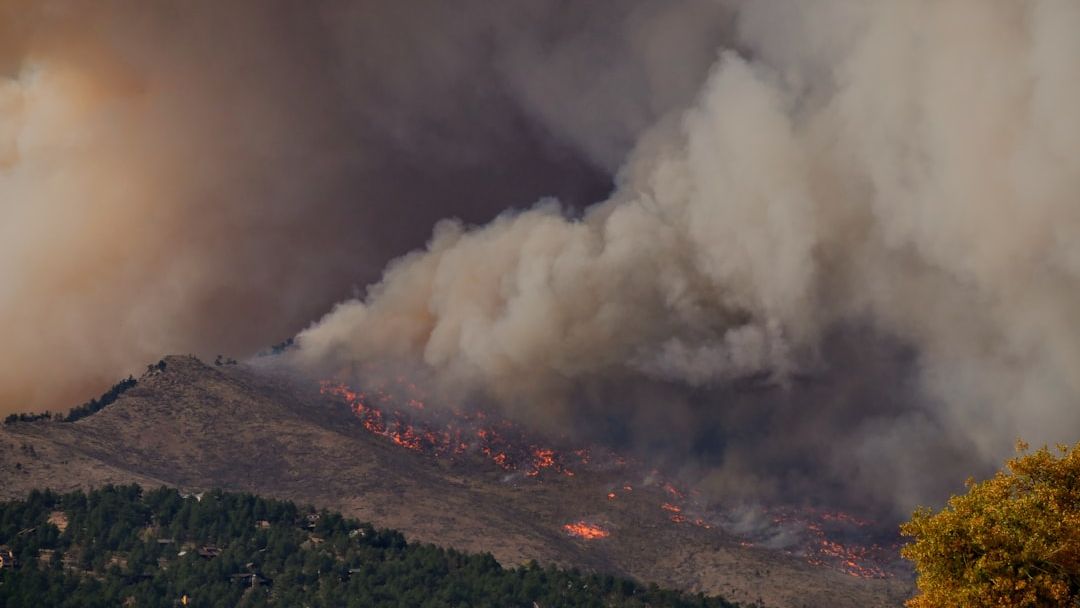
After Snowy Winter Delays Prevention, New Jersey Faces Rising Wildfire Risk – Image for illustrative purposes only (Image credits: Unsplash)
New Jersey – The state’s Forest Fire Service has issued an elevated risk warning for wildfire spread across parts of the state and into Delaware. The alert comes as spring conditions align in ways that could allow fires to move quickly through dry vegetation. Officials note that the usual window for prevention work narrowed sharply this year.
Why the Timing Matters
Wildfire season in the region typically runs from March through May. Fewer acres have burned so far than in most years, yet that statistic offers little comfort. The real concern centers on what did not happen during the winter months. Prescribed burns, the controlled fires used to clear underbrush, were largely postponed because of heavy snow. Without those treatments, layers of dry fuel remain on the forest floor. That buildup can turn a small spark into a fast-moving blaze once winds pick up.
Partner offer
Current Conditions Fuel Concern
The service pointed to a specific set of weather factors that prompted the alert. Humidity levels fell, daytime temperatures climbed into the 80s, and southwest winds gusted as high as 30 miles per hour. Those elements together create the kind of environment where fires can spread rapidly. The announcement was made earlier this month. It covers Delaware and targeted sections of New Jersey where the combination of dry fuels and gusty winds poses the greatest threat. Fire managers continue to monitor the situation closely.
Prevention Work Delayed
Prescribed burns serve as the primary tool for reducing wildfire intensity. Crews set small, managed fires under safe conditions to remove the dead leaves, twigs, and brush that would otherwise feed larger blazes. When snow and cold weather push those operations later into the season, the window for safe burning shrinks. This year the delay left more combustible material in place. Fire officials have said the result is a higher chance that any new ignition could grow quickly. The service has not reported any large fires yet, but the elevated alert reflects the potential for rapid change.
What matters now
- Monitor local fire restrictions and air-quality alerts.
- Avoid outdoor burning until conditions improve.
- Report any smoke or flames immediately to local authorities.
Looking Ahead
Fire managers expect conditions to remain variable through the rest of the season. Continued dry spells or strong winds could keep the risk elevated even if rainfall returns. The service plans to resume prescribed burns as soon as weather permits. Residents in wooded areas are encouraged to clear defensible space around homes and to follow any burn bans that may be issued. The current alert serves as a reminder that preparation remains the most effective defense against wildfire.
Partner offer
Planning a trip to Vegas?
Compare hotel rates and show tickets on VEGAS.com.