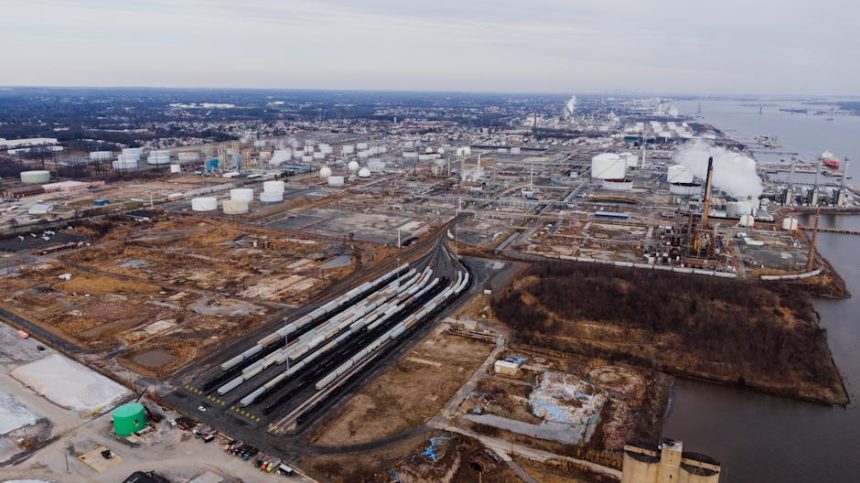
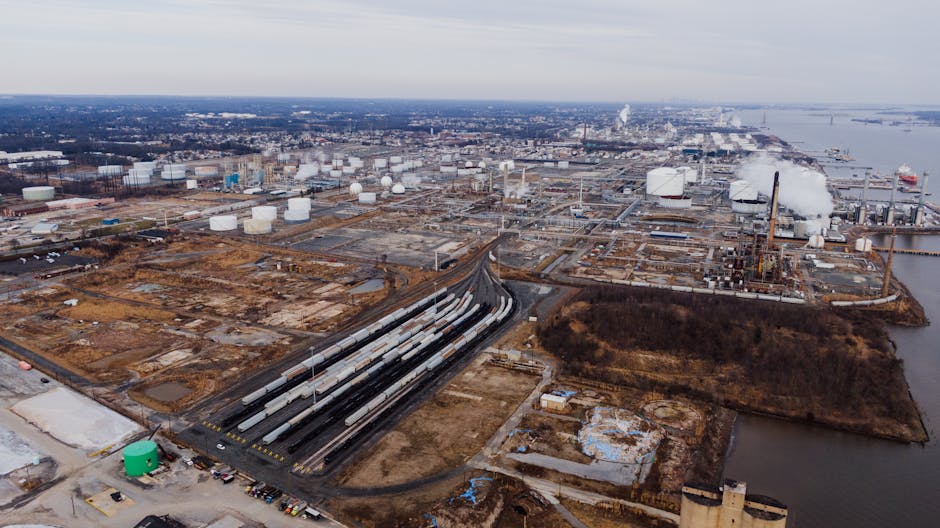

New Jersey Leads the Nation in Superfund Sites as EPA Funding Cuts and Staff Reductions Threaten Cleanups – Image for illustrative purposes only (Image credits: Pexels)
New Jersey residents living near long-contaminated industrial areas now confront slower progress toward safer conditions following reductions in federal environmental staff. The state holds nearly 9 percent of all Superfund sites nationwide, a larger share than any other. These locations include former chemical plants where toxic byproducts have leached into soil, oil-filled lagoons, fields with septic waste, and rivers carrying chemical pollutants, many of which have remained hazardous for decades.
The Scale of Contamination Across the State
New Jersey’s concentration of these sites stems from its history of heavy industry and manufacturing. Chemical facilities once operated throughout the region, leaving behind residues that continue to affect groundwater and surface soil. Open lagoons filled with oil waste and fields saturated with septic materials add to the variety of hazards that require specialized remediation techniques.
Many of these locations have sat untouched or only partially addressed for years. The sheer number of sites places unique demands on cleanup crews, who must prioritize based on immediate risks to nearby populations. Without sufficient personnel, even routine assessments and monitoring become difficult to maintain at a consistent pace.
Staffing Reductions Slow Ongoing Work
U.S. Rep. Frank Pallone Jr. has noted that regional staffing serving the state has been cut by a third under the current administration. This reduction has made meaningful advancement on Superfund cleanups nearly impossible, according to his assessment. Fewer experts available for site evaluations and oversight directly limits the number of projects that can move forward each year.
Partner offer

Superfund work typically involves detailed soil testing, containment planning, and long-term monitoring to ensure contaminants do not spread further. With reduced teams, agencies must stretch existing resources across more locations than before. The result is extended timelines for even the most pressing cases, leaving some communities waiting longer for visible improvements.
Effects on Local Communities and Health
People residing close to these sites often experience uncertainty about the safety of their water supplies and outdoor spaces. Children playing in nearby parks or families relying on local wells face potential exposure to lingering chemicals until full remediation occurs. The delays compound existing concerns about long-term health outcomes in affected neighborhoods.
Local officials and residents have watched as federal support for these efforts has contracted. This shift places greater pressure on state resources, which may not fully compensate for the lost capacity. Everyday decisions about property use and development near these areas now carry added caution.
What Comes Next for Cleanup Efforts
Observers point to several developments worth monitoring in the months ahead:
- Continued assessments of staffing levels at regional EPA offices.
- State-level attempts to fill gaps in technical expertise.
- Updates on which specific sites receive priority funding despite the constraints.
- Public reports on any measurable slowdown in completed cleanups.
The current situation leaves the timeline for restoring these locations uncertain. Many sites will require sustained attention over years, and the reduced federal presence raises questions about how quickly that work can advance.
Partner offer
Planning a trip to Vegas?
Compare hotel rates and show tickets on VEGAS.com.