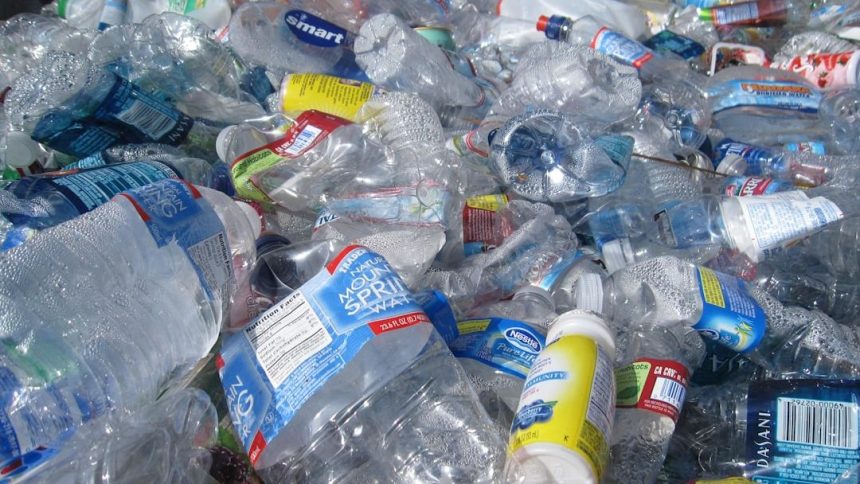


New York Plastics Law Advances Amid Debate Over ‘Chemical Recycling’ – Image for illustrative purposes only (Image credits: Unsplash)
Albany, New York – State lawmakers are moving forward with measures designed to cut plastic waste, yet the conversation has quickly turned to the merits of chemical recycling as a potential solution. Environmental advocates argue the technology falls short of its promises, while industry representatives maintain it offers a practical path forward. The debate highlights broader tensions between ambitious waste-reduction goals and the realities of current recycling methods.
Legislation Takes Shape in Albany
The bill under consideration would impose new requirements on plastic producers and expand collection programs across the state. Supporters say the changes would reduce the volume of plastic entering landfills and waterways over time. Lawmakers have already cleared early hurdles in committee, signaling momentum for the package before the session ends.
Details include targets for recycled content in packaging and fees tied to hard-to-recycle materials. These provisions aim to shift responsibility upstream to manufacturers rather than leaving disposal costs entirely to local governments. Progress so far reflects growing public pressure on single-use plastics, though final passage remains uncertain.
What Chemical Recycling Actually Involves
Chemical recycling breaks plastics down at the molecular level, often through heat or chemical processes, to create new feedstocks. Proponents describe it as a way to handle mixed or contaminated plastics that mechanical recycling cannot manage. The approach differs from traditional melting and reforming, which works best with clean, sorted materials.
Critics note that many chemical recycling facilities still produce significant emissions and require substantial energy inputs. They also point out that the output frequently becomes fuel rather than new plastic, limiting the circular benefit. These distinctions matter because they affect whether the technology truly supports long-term waste reduction.
Environmental Groups Raise Key Questions
Advocates emphasize that chemical recycling has not yet demonstrated consistent results at scale in New York or elsewhere. They worry the process could create new pollution streams while diverting attention from proven strategies like source reduction and reuse programs. Some lawmakers have echoed these concerns during recent hearings.
Uncertainty remains around emissions data and the true recovery rates for different plastic types. Without clearer benchmarks, groups argue, it is difficult to justify public investment or regulatory incentives for the technology. They continue to push for stronger language in the bill that prioritizes prevention over end-of-pipe solutions.
Industry Pushes for Inclusion of Advanced Methods
Plastics producers and trade associations have urged legislators to recognize chemical recycling as a legitimate tool. They contend that excluding it would hinder innovation and leave certain waste streams unaddressed. Company representatives have highlighted pilot projects that convert plastic into usable materials, though independent verification of those claims varies.
The pushback centers on the idea that a narrow definition of recycling could slow progress toward circular economy goals. Industry voices stress the need for flexible policies that accommodate emerging technologies while meeting environmental targets. This stance has kept the debate active as the bill moves through both chambers.
What matters now: The outcome will shape whether New York treats chemical recycling as a core strategy or a limited supplement. Lawmakers face a choice between immediate waste cuts and longer-term technological bets whose full impacts are still unfolding.
Next Steps and Remaining Uncertainties
Negotiations continue on definitions, oversight mechanisms, and funding for infrastructure. Any final version will likely include reporting requirements to track actual performance of approved recycling methods. Observers expect further amendments before a floor vote.
The broader picture shows New York joining other states wrestling with similar trade-offs. How the legislation resolves the chemical recycling question could influence policy elsewhere, yet the science and economics continue to evolve. Lawmakers will need to balance ambition with evidence as they finalize the measure.