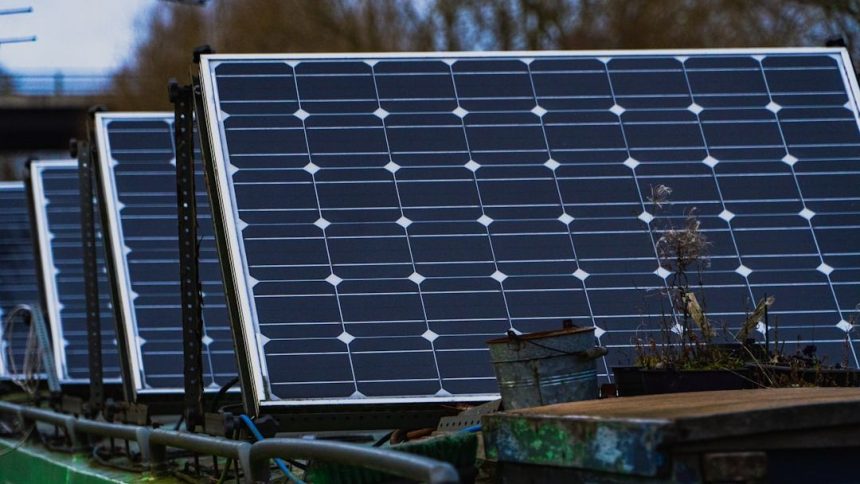
North Carolina groups fight regulator’s order to cancel solar for 2026 – Image for illustrative purposes only (Image credits: Unsplash)
North Carolina’s top utility regulator issued an abrupt order last month that stopped Duke Energy from moving forward with new solar farm investments for the year. The decision caught the clean energy sector off guard and added pressure to an industry already dealing with federal tariffs and shifting national policies. In response, businesses and advocacy organizations have now filed a formal motion asking the regulator to withdraw the order entirely.
Details Behind the Regulatory Order
The order directly targets Duke Energy’s planned solar projects, preventing the utility from advancing investments that had been in development. Regulators cited concerns over costs and grid integration as the basis for the halt, though the move surprised many observers who expected continued support for renewable expansion in the state.
Industry participants noted that the timing amplified existing difficulties. Federal tariffs on imported solar equipment had already raised project costs, and broader policy uncertainty at the national level had slowed financing for new facilities. The state-level order compounded those headwinds at a moment when developers were preparing construction timelines.
Response From Clean Energy Advocates
Clean energy businesses and advocacy groups quickly organized to contest the decision. Their motion argues that the regulator exceeded its authority and failed to consider the long-term benefits of solar development for ratepayers and the state’s energy mix. The filing requests that the order be vacated so that approved projects can proceed without further delay.
Partner offer
Supporters of the motion emphasize that solar remains one of the lowest-cost resources available for meeting growing electricity demand in North Carolina. They point out that halting investments now risks missing opportunities to add reliable, locally generated power that can help stabilize rates over time.
Broader Stakes for the State’s Energy Future
The dispute highlights ongoing tensions between traditional utility planning and the rapid growth of renewable resources. North Carolina has set ambitious clean energy targets, yet regulatory actions like this one can create uncertainty that affects investment decisions across the sector.
Developers and advocates warn that repeated interruptions could discourage new entrants and slow the pace of solar deployment statewide. They argue that consistent policy signals are essential if the state hopes to attract the capital needed for large-scale projects that support both economic growth and emissions reductions.
Key points at stake: continued solar investment, cost impacts on customers, and alignment with state clean energy goals.
The motion remains pending before the regulator, with a decision expected in the coming weeks. Industry observers will watch closely to see whether the order stands or whether the challenge succeeds in restoring momentum for solar development in North Carolina.
Partner offer
Planning a trip to Vegas?
Compare hotel rates and show tickets on VEGAS.com.