


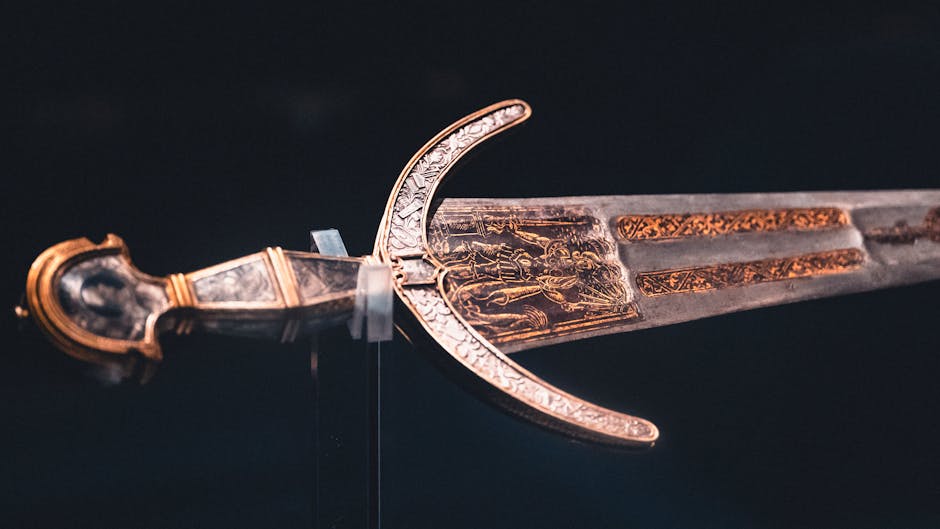

Hiker uncovers 1,500-year-old gold sword relic similar to Excalibur hidden under tree – Image for illustrative purposes only (Image credits: Pexels)
A routine walk through the countryside near Sandnes took an unexpected turn when a local resident spotted something glinting beneath the roots of a fallen tree. The object turned out to be a finely crafted gold fitting once attached to the scabbard of a high-status sword from the sixth century. Archaeologists at the University of Stavanger quickly recognized its rarity and historical value.
The Moment of Discovery
The finder, a father of two out for a morning stroll in the Austrått district, noticed the gleam while passing a storm-damaged tree near the hill known as Riaren. At first the piece looked like ordinary debris caught in the exposed roots. Closer inspection revealed intricate serpentine patterns and delicate beaded gold threads that suggested skilled craftsmanship from long ago.
Officials at the Archaeological Museum confirmed the artifact measures roughly six centimeters across and weighs just over an ounce. Its rectangular shape and decorative style match a small group of similar objects known from northern Europe, making this the first recorded example from Rogaland county.
Life in the Migration Period
The sixth century marked a time of upheaval across Scandinavia as communities navigated shifting power structures and environmental pressures. Elite warriors often carried swords whose scabbards featured ornate gold mounts as symbols of rank and authority. Researchers believe the fitting once adorned the weapon of a local leader whose influence extended across the southwestern coast.
Such items rarely survive intact because gold was frequently melted down or buried in ritual deposits. The survival of this piece offers direct evidence of wealth and technical expertise that existed centuries before the Viking Age began.
Why the Find Matters
Archaeologists describe the discovery as evidence of an important center of power in the region during a turbulent era. The location near Sandnes may have served both political and ceremonial functions, where valuable objects were sometimes offered to the gods in times of crisis. Only about seventeen comparable gold fittings have been documented across northern Europe, underscoring how exceptional the find remains.
Further study will examine the alloy composition and any microscopic traces that could reveal the sword’s original owner or the circumstances of its deposition. Museum staff have already begun conservation work to preserve the delicate surface details for future display and research.
Looking Ahead
The artifact now resides at the Archaeological Museum in Stavanger, where it joins other Migration Period treasures from the area. Its presence adds another layer to the story of early Norwegian society and the people who shaped it. For the hiker who made the find, the moment serves as a reminder that history can surface in the most ordinary places when conditions align.


