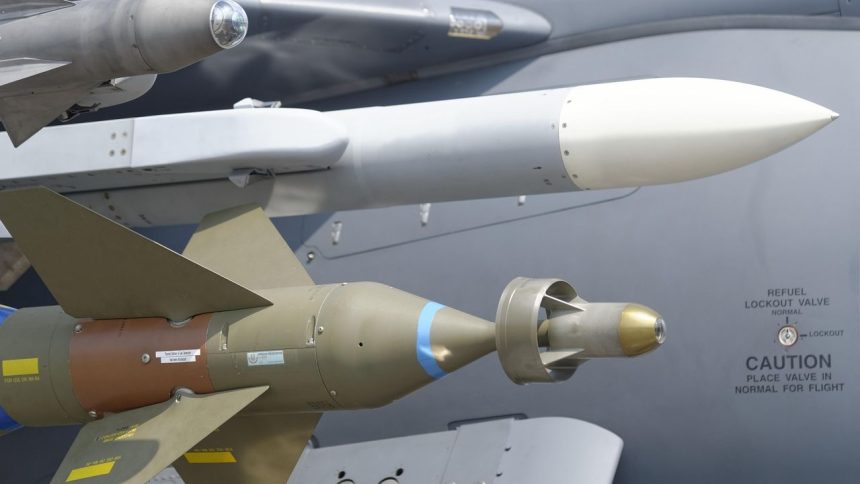


Norway defends its decision to cancel missile system sale to Malaysia – Image for illustrative purposes only (Image credits: Pixabay)
Malaysia’s naval modernization program has hit a significant roadblock after Norway revoked export licenses for a key anti-ship missile system. The decision prevents delivery of the Naval Strike Missile and related launcher components meant for the country’s new littoral combat ships. Kuala Lumpur has already paid 95 percent of the contract value, leaving officials to weigh legal remedies and compensation claims while questioning the reliability of future European defense agreements.
Background of the 2018 Contract
Malaysia signed the agreement in 2018 with Norway’s Kongsberg Defense & Aerospace to equip its littoral combat ships with the Naval Strike Missile system. The missiles formed a central part of a broader effort to upgrade the navy’s capabilities against regional maritime threats. Delivery was scheduled to support operational readiness for the new vessels, which were already under construction as part of the modernization drive.
The contract represented one of Malaysia’s major investments in advanced naval weaponry from a European supplier. Work had progressed steadily until recent policy adjustments in Oslo altered the course of the project. The sudden halt has left the ships without the planned missile armament and forced Malaysian defense planners to reassess timelines and alternatives.
Norway’s Updated Export Policy
Norwegian authorities have strengthened oversight of sensitive defense technologies in response to evolving security conditions across Europe and beyond. Exports of the most advanced systems are now restricted to allies and closest partners, a shift the foreign ministry described as necessary given recent global developments. The ministry noted that the change regrettably affects Malaysia but reflects a broader recalibration of export controls.
Officials in Oslo emphasized that the policy applies uniformly and stems from careful review rather than any specific bilateral dispute. They confirmed that Prime Minister Jonas Gahr Støre personally conveyed the rationale during a direct call with Malaysian Prime Minister Anwar Ibrahim. Norway continues to value its overall relationship with Malaysia and has expressed interest in maintaining dialogue on other areas of cooperation.
Malaysia’s Response and Concerns
Anwar Ibrahim raised strong objections during the phone conversation, warning that the unilateral reversal undermines confidence in European defense suppliers. He described signed contracts as binding commitments that cannot be treated lightly, stating they are “not confetti to be scattered in so capricious a manner.” The prime minister added that if suppliers can renege without consequence, their value as strategic partners diminishes sharply.
Malaysian officials have highlighted the direct effect on naval readiness, noting that the missing missiles leave a gap in the littoral combat ship program. The government is now reviewing legal avenues and possible claims for compensation to address the financial and operational losses already incurred. The episode has prompted wider discussion within Malaysia about diversifying defense procurement sources.
Stakeholders and Next Steps
The cancellation touches several key parties beyond the two governments. Kongsberg Defense & Aerospace faces the loss of a completed contract, while Malaysia’s navy must adjust training and deployment schedules for the affected ships. Regional security analysts are watching how the move influences other ongoing defense deals between Southeast Asian nations and European manufacturers.
Key developments to monitor include:
- Outcome of Malaysia’s legal and compensation review process
- Any adjustments to the littoral combat ship delivery timeline
- Potential new suppliers or alternative missile systems under consideration
- Further high-level talks between Oslo and Kuala Lumpur on defense cooperation
Both sides have signaled willingness to continue constructive engagement despite the current disagreement.
Implications for Future Defense Partnerships
The episode illustrates how shifting global security priorities can quickly reshape long-standing commercial agreements in the defense sector. For Malaysia, the immediate priority remains restoring operational capability for its naval fleet while protecting investments already made. Norway’s policy adjustment, though framed as a general measure, has created ripple effects that extend well beyond the single canceled transaction.
Observers note that the episode may encourage other countries to seek firmer contractual safeguards when dealing with European suppliers. The unresolved questions around compensation and readiness will likely shape the tone of future bilateral discussions between the two nations.