
Well Done, NWS – Image for illustrative purposes only (Image credits: Unsplash)
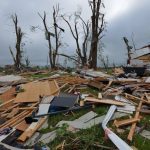
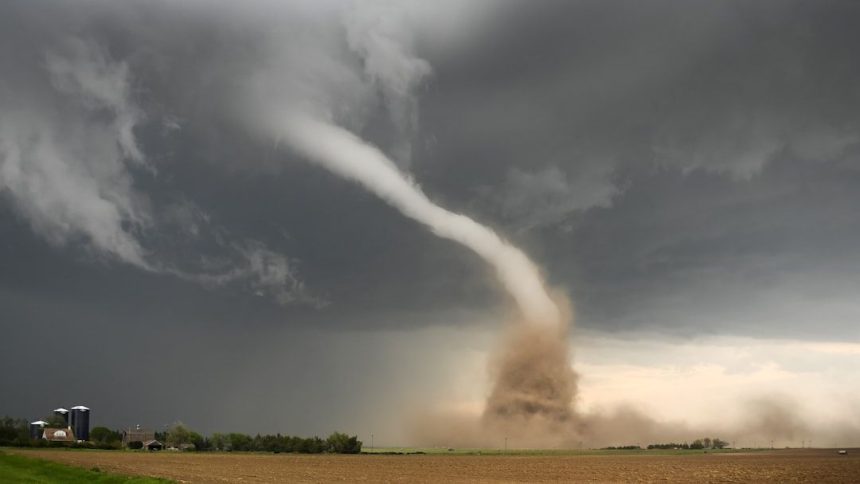
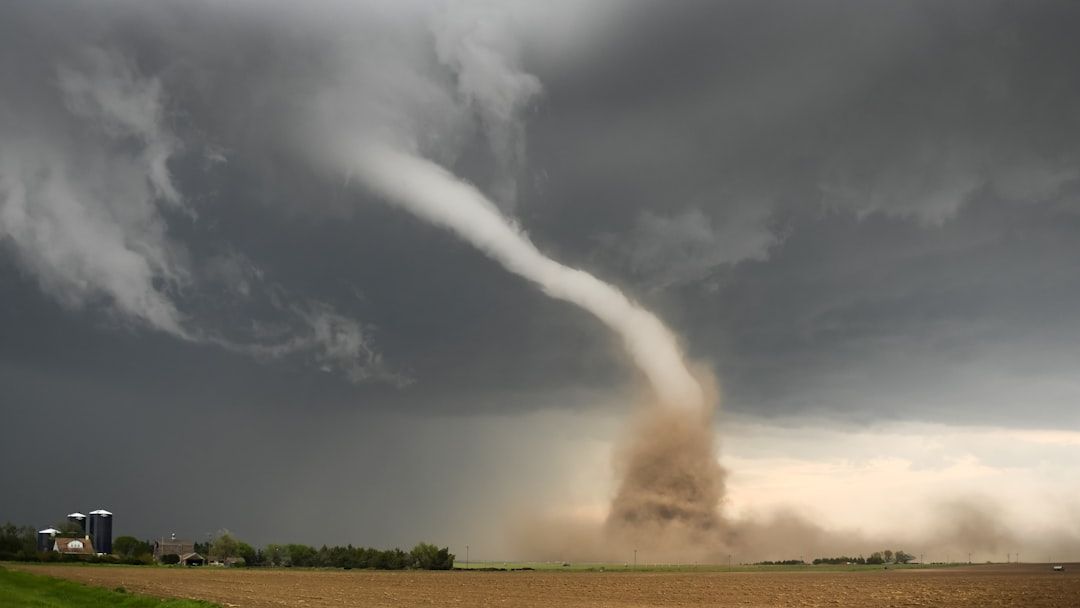
Violent tornadoes tore through portions of the South in recent days, leaving widespread destruction in their path. The National Weather Service issued detailed forecasts and advance warnings that gave communities critical time to prepare. Observers have noted that these alerts likely reduced the human toll despite the intensity of the storms.
Why the Timing of Alerts Made a Difference
Effective forecasting relies on rapid detection and clear communication. In this case, the NWS delivered both, allowing residents to seek shelter before the worst conditions arrived. Severe damage to homes and infrastructure followed, yet the advance notice appears to have limited casualties.
Communities in the affected areas often face repeated threats during peak seasons. Reliable warnings help shift the focus from reaction to protection. This recent performance reinforces how such systems function under pressure.
The Broader Value of Consistent Forecasting
Public safety depends on trust in official sources during fast-moving weather events. When forecasts align closely with actual conditions, people respond more readily to instructions. The outcome here shows the practical results of that alignment.
Agencies like the NWS operate with limited resources yet maintain high standards for accuracy. Continued investment in technology and staffing supports these outcomes. Residents benefit directly when warnings arrive early enough to matter.
What Matters Now
The recent events highlight the ongoing need for strong forecasting infrastructure. Communities should review local alert systems and shelter plans to stay ready for future threats. Sustained support for agencies responsible for these warnings remains essential to protecting lives in high-risk regions.
Accurate information remains one of the most effective tools available against severe weather. The performance of the NWS in this instance offers a clear reminder of that fact. Continued vigilance and preparation will determine how well similar situations are handled going forward.