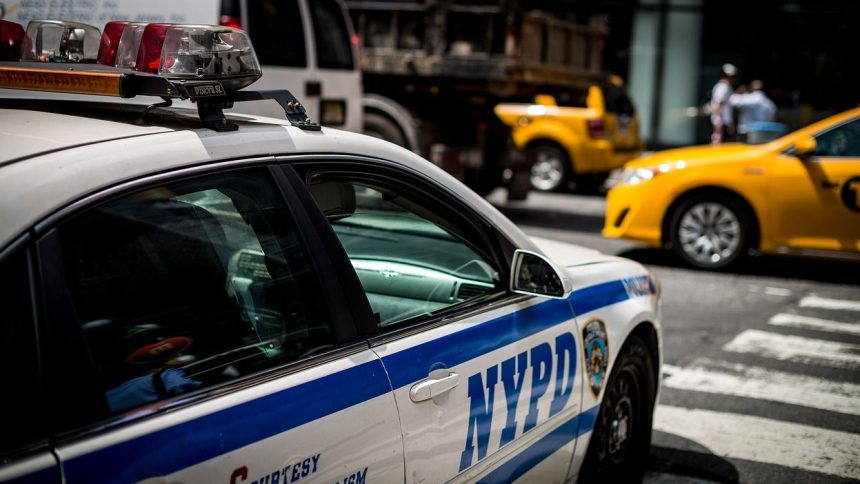

Why NYC keeps getting safer despite Mamdani and Albany – Image for illustrative purposes only (Image credits: Pixabay)
New York City – Police Commissioner Jessica Tisch reported major crime plunging 9.5 percent across the five boroughs through the first four months of 2026.[1][2] Murders hit an unprecedented low of 19 in April alone, surpassing previous records from 2014 and 2017.[1] Year-to-date figures stood at 76 homicides, the best start in decades.[2] These gains persisted even as the NYPD navigated constraints from City Hall and state lawmakers.
April’s Striking Declines
Murders in April marked a historic benchmark, with just 19 cases citywide.[1] This figure beat the prior low of 21 set years earlier. Shootings, robberies, grand larceny autos, burglaries, and felony assaults all fell compared to April 2025.[2]
The Bronx led with sharp reductions, including the fewest murders ever in April at four and shootings down over 58 percent.[1] Burglaries dropped 21.5 percent citywide, while auto thefts declined 20.2 percent.[1] Retail thefts also eased by 17.7 percent. Though some categories like rape rose due to expanded legal definitions, the overall trend pointed downward.[1]
Tisch’s Data-Driven Approach
Commissioner Tisch attributed the drops to strategic hiring and focused deployments.[1] Recruits added before recent policy shifts bolstered a “zone policing” model that targets high-risk areas.[2] “A lot of what you’re seeing in crime numbers… are seeds that we planted over a year ago now that are really sprouting,” she noted.[1]
The NYPD’s Winter Violence Reduction Plan extended into spring, emphasizing foot patrols and gun seizures.[3] Early 2026 already showed murders at 54 for the first quarter, a 28 percent decrease from 2025 and the lowest on record.[3] Shooting incidents tied historic lows at 139.[3]
Partner offer
Challenges from City Hall and Albany
Mayor Zohran Mamdani’s administration halted plans to hire 5,000 additional officers as one of its first moves.[2] This decision came amid the mayor’s push for reforms, including reduced police roles in mental health responses and scrutiny of specialized units.[2] State-level changes from Albany, often labeled as lenient criminal justice reforms, continued to limit enforcement against repeat offenders.[2]
Despite these hurdles, Tisch retained support from NYPD ranks and pressed forward with precision tactics.[2] Crime levels remained above 2019 pre-reform baselines in some areas, underscoring ongoing pressures.[2]
Gains in Key Neighborhoods
Public housing developments saw crime fall 8.7 percent year-to-date, with 1,721 incidents versus 1,886 the prior year.[1] Transit crime dipped slightly, and hate crimes dropped over 35 percent in April.[1]
- Bronx murders: down 15.5 percent year-to-date.
- Staten Island: zero homicides in 2026 so far.
- Public housing gun violence: safest start on record.[3]
These improvements highlighted benefits for the city’s most vulnerable residents.
As summer approaches, Tisch outlined an expanded violence reduction plan deploying up to 3,800 officers to hotspots.[1] New Yorkers can take heart in the momentum, provided effective leadership endures against policy crosscurrents. The streets grow safer, one targeted patrol at a time.
Partner offer
Planning a trip to Vegas?
Compare hotel rates and show tickets on VEGAS.com.