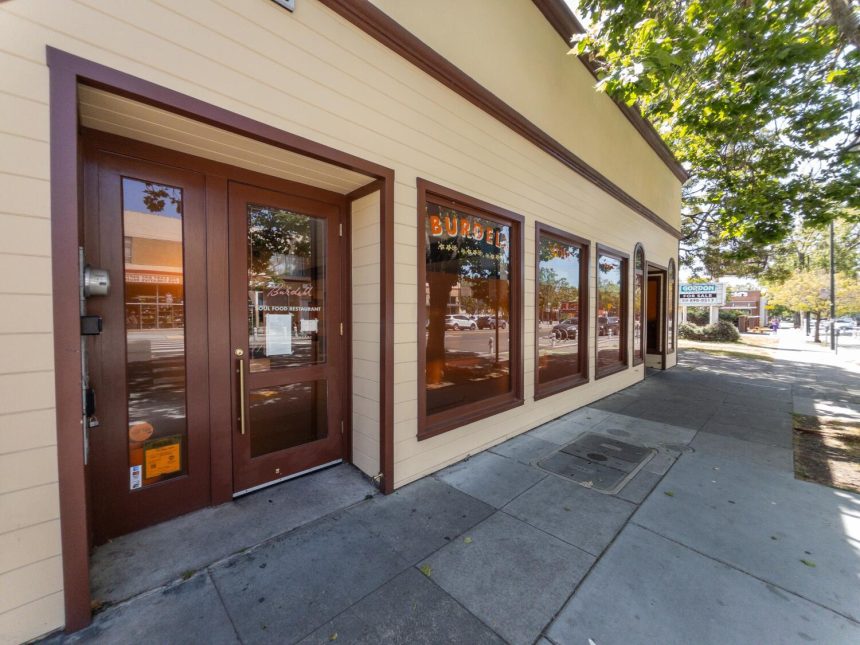
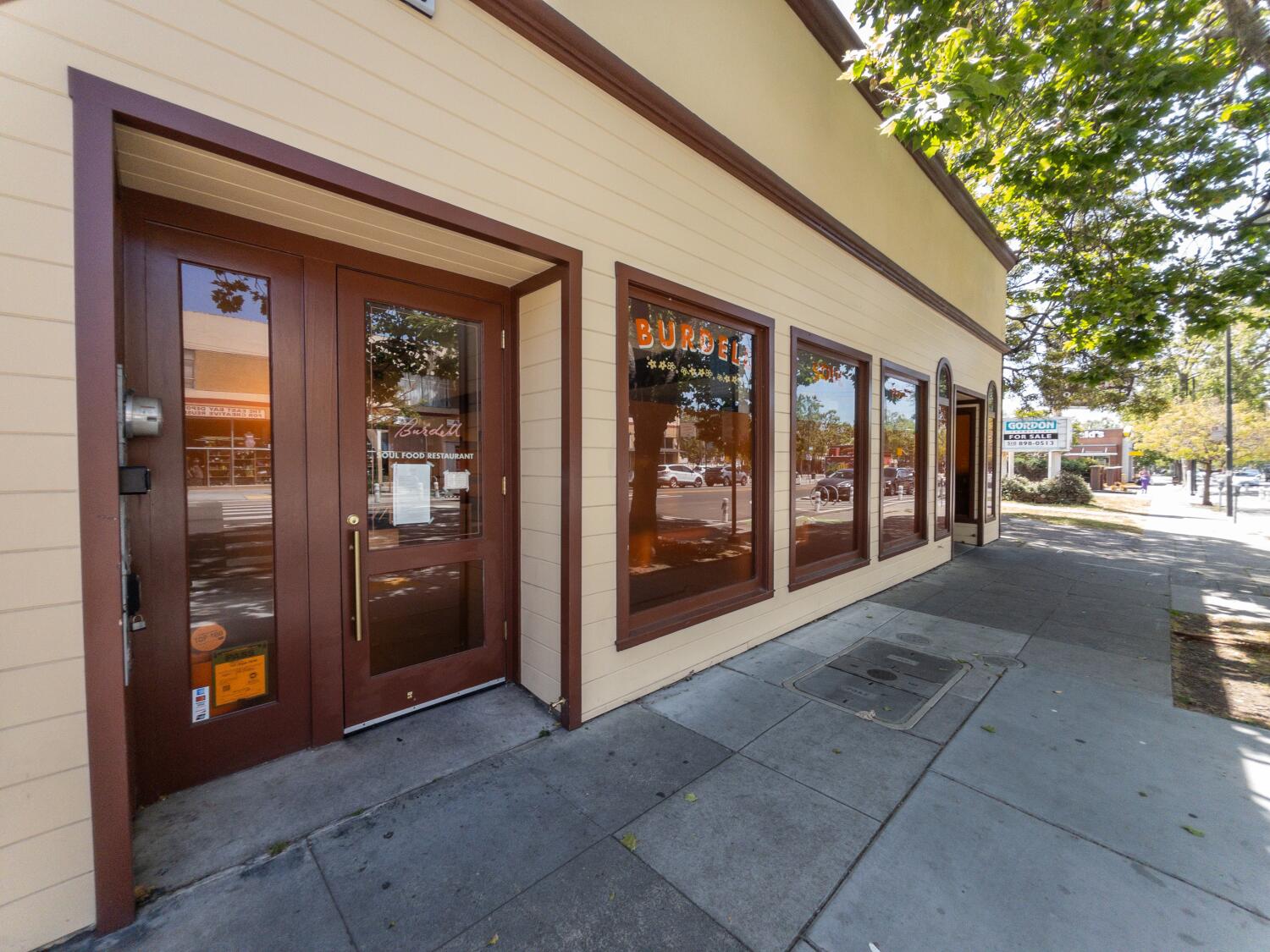
A Bold Shift from Tips to Stability (Image Credits: Ca-times.brightspotcdn.com)
Oakland – Acclaimed soul food restaurant Burdell found itself at the center of a fierce online storm after a viral complaint exposed its longstanding no-tip policy tied to the origins of American tipping culture.[1][2]
A Bold Shift from Tips to Stability
Chef Geoff Davis opened Burdell in 2023, naming it after his grandmother, with a commitment to fair pay that set it apart from day one. The restaurant replaced traditional tipping with a 20% service charge, a move implemented during its 2022 pop-up phase. This fee covers 40% of hourly payroll, ensuring consistent livable wages for all staff – from servers to cooks and dishwashers – regardless of customer generosity.[1]
Davis designed the policy to eliminate wage disparities that plague many kitchens. Front-of-house workers often earn more through tips, while back-of-house roles, frequently held by Black and Latino employees, lag behind. At Burdell, pay averages double Oakland’s $17.34 minimum wage, and full-time staff receive 75% healthcare coverage. Receipts explain the choice clearly: “Tipping in the US has an ugly past, allowing the continuation of underpaid labor. We don’t like that history. Included on your check is a 20% Service Charge which we use to pay hourly staff a consistent and livable wage, not dependent on archaic tipping customs or chance. No need to add anything else. Thank you! Burdell <3.”[1][3]
Viral Reddit Post Ignites the Firestorm
The controversy erupted on February 3, 2026, when a diner posted a receipt photo to r/EndTipping, a forum advocating tip-free systems, headlined “What the f is this.” The user claimed surprise at the fee, despite its prominent menu listing. The post exploded with over 28,000 upvotes and 1,500 comments, prompting a wave of one-star Yelp and Google reviews from non-local users.[2][3]
Yelp began monitoring Burdell’s page amid the influx. Davis noted the irony: critics targeted a policy aligning perfectly with the subreddit’s goals. Many attacks veered into insults against Oakland, DEI initiatives, and the restaurant’s Black ownership, echoing prior backlash after accolades like Food & Wine’s 2025 best U.S. restaurant honor and San Francisco Chronicle’s Top 100 No. 1 spot.[4]
From Complaints to Violent Threats
Tensions peaked after a New York Post article framed the fee as combating the nation’s “racist past,” drawing national attention. Davis reported “crazy voicemails,” profanity-laced emails labeling it a “20% racism fee,” and threats to burn the restaurant or commit violence. “It’s exhausting and scary, not just for me but for our staff,” he said.[1][2]
Despite the hate, local support surged. Reservations filled, including Valentine’s Day, with notes affirming the mission. Davis stood firm: “We aren’t doing anything crazy. We didn’t invent service charges.”[1]
Unpacking Tipping’s Post-Slavery Roots
Tipping arrived from Europe but expanded after the Civil War, as employers paid formerly enslaved Black workers minimally, relying on gratuities – like Pullman porters serving white passengers. A 2015 study found high-end waiters earning five times more than dishwashers, reinforcing racial divides.[1]
- Service fees stabilize income across roles.
- They fund benefits like healthcare.
- Upscale peers like Kato (18%) and Coucou (20%) use similar models.
- California law treats fees as business property, unlike tips.
Key Takeaways
- Burdell’s fee promotes equity but sparked outsized rage via social media amplification.
- Tipping’s history underscores ongoing wage debates in hospitality.
- Restaurateurs balance rising costs with fair pay amid diner pushback.
Burdell’s saga reveals deep divides over labor practices, where good intentions meet cultural flashpoints. As service charges proliferate, will diners adapt or resist? Share your views in the comments.