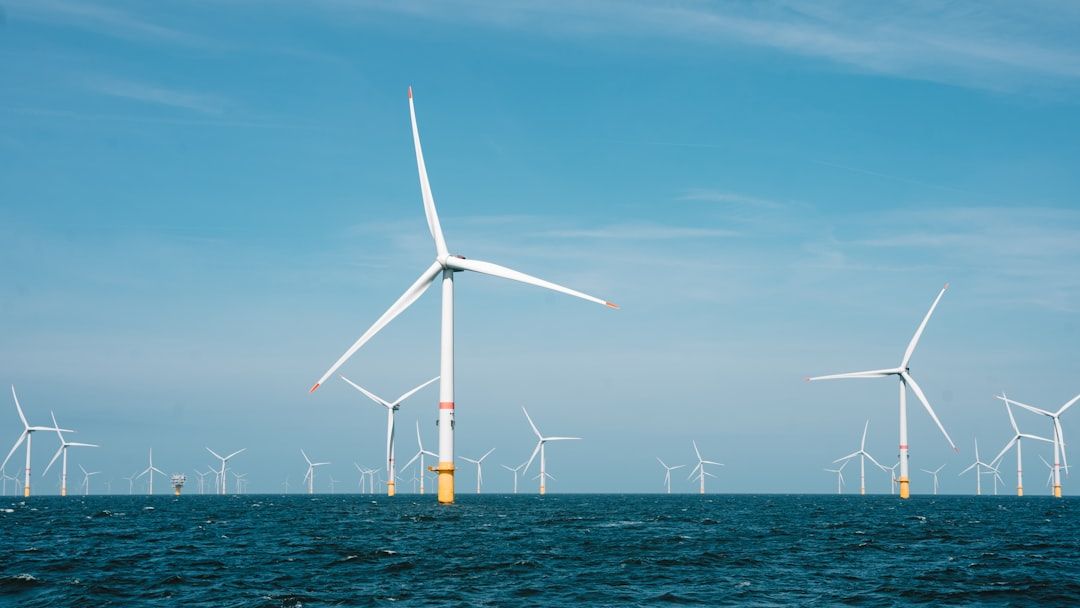
Fact brief – Were the 2022 whale deaths off the US East Coast caused by offshore wind development? – Image for illustrative purposes only (Image credits: Unsplash)
In 2022, a notable number of whale strandings and deaths drew attention along the US East Coast. Claims quickly surfaced linking these incidents to emerging offshore wind projects. Scientific reviews and federal assessments, however, revealed no causal connection between wind development activities and the whale mortality.
Regulators and researchers emphasized established causes while highlighting safeguards in wind farm operations. The episode underscored ongoing challenges for marine mammals amid human activities at sea.
Primary Causes of the Strandings
Authorities identified vessel strikes and entanglements in fishing gear as the leading factors behind the 2022 whale deaths. The National Oceanic and Atmospheric Administration (NOAA) tracked these incidents and consistently pointed to such human-related maritime hazards. Necropsies on affected humpback whales, for instance, often showed evidence of propeller wounds or gear wrapping.
These threats have persisted for years, predating recent wind surveys. Commercial shipping and fishing operations remain dominant in the region, where whales migrate seasonally. Data from NOAA’s monitoring programs reinforced that wind-related noise or construction played no detectable role.
Assessing Offshore Wind’s Role
Surveys for wind farms involve geophysical mapping, but levels of acoustic disturbance stayed well below thresholds known to harm whales. Construction phases incorporate strict protocols, including pauses during migration peaks. Once turbines spin, their underwater noise proves far quieter than passing cargo ships or seismic surveys from oil exploration.
Partner offer
Environmental impact statements for projects like Vineyard Wind underwent rigorous federal review. The Bureau of Ocean Energy Management concluded that risks to whales remained minimal under regulated conditions. Independent acoustic studies measured operational turbine sounds at levels insufficient to drive behavioral changes or strandings.
Safeguards in Wind Farm Development
Developers follow vessel speed limits, typically capped at 10 knots in whale hotspots, to prevent collisions. Real-time monitoring via aerial surveys and passive acoustic buoys detects whale presence, triggering work halts. Seasonal restrictions further align construction away from peak migration windows.
These measures evolved from lessons in European wind farms, where large-scale operations have operated for years without elevated whale mortality. US guidelines draw from NOAA’s marine mammal protection frameworks, ensuring compliance through mandatory reporting.
| Cause | Evidence from 2022 | Wind Link? |
|---|---|---|
| Vessel Strikes | Propeller scars on multiple humpbacks | No |
| Fishing Gear Entanglement | Gear found on stranded whales | No |
| Wind Surveys/Construction | No acoustic or injury matches | No |
Fossil Fuels’ Broader Toll on Oceans
Offshore oil and gas activities deploy intense sonar arrays that disrupt whale navigation over vast areas. Spills, like the Deepwater Horizon disaster, killed over a million seabirds and poisoned marine food webs. Climate change from fossil fuel emissions exacerbates pressures through ocean acidification and shifting prey distributions.
Acidification erodes shellfish shells and weakens coral ecosystems, indirectly stressing whale populations. Warmer waters alter migration patterns, forcing whales into busier shipping lanes. Responsibly sited wind farms, by contrast, displace some of these fossil-derived harms without introducing comparable risks.
Key Takeaways:
- NOAA attributes most deaths to ships and gear, not wind.
- Wind operations produce less noise than routine maritime traffic.
- Regulations minimize risks during all project phases.
- Fossil activities pose systemic threats to marine life.
Federal data continues to affirm that offshore wind advances clean energy goals while upholding marine protections. Ongoing vigilance ensures that whale conservation keeps pace with coastal development.
Partner offer
Planning a trip to Vegas?
Compare hotel rates and show tickets on VEGAS.com.