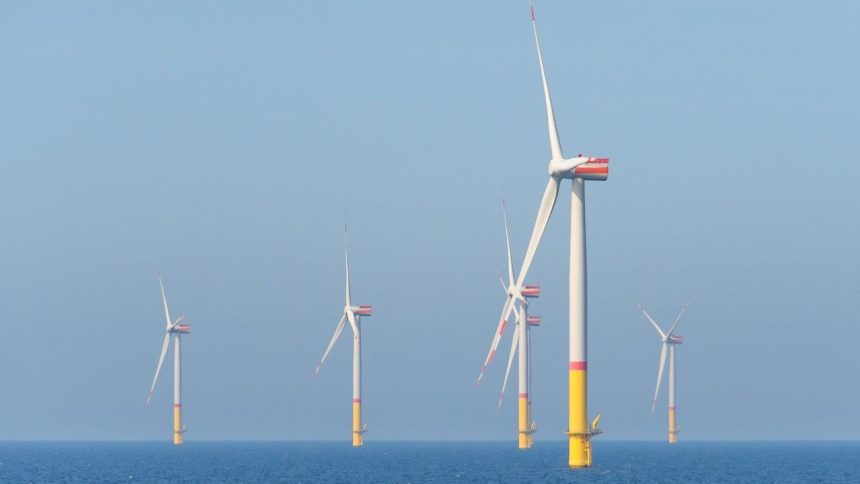


Turbines’ Hidden Hazard to Detection Systems (Image Credits: Pixabay)
The Bureau of Ocean Energy Management fast-tracked approvals for 13 sprawling offshore wind projects stretching from Massachusetts to Virginia. These initiatives, central to the previous administration’s clean energy push, underwent reviews on marine life and fishing impacts. Yet radar disruptions from the turbines’ enormous blades pose ongoing threats to air traffic control and defense systems that regulators never fully resolved.[1][2]
Turbines’ Hidden Hazard to Detection Systems
Each turbine’s blades whip through the air, producing Doppler signals that radar operators mistake for aircraft or missiles. This clutter swamps screens with false echoes, erodes coverage, and creates blind spots. Developers promised software fixes, but federal testing painted a grimmer picture.
The Department of Energy’s Wind Turbine Radar Interference Mitigation program tested tools extensively. Results showed they failed to meaningfully boost surveillance performance. Benjamin Karlson, who oversaw the work at Sandia National Laboratories, declared there was no silver bullet solution. The program’s 2023 update to Congress extended timelines for safe operations to 2035, even as offshore and weather radars joined the list of challenges.[1]
Global Powers Hit the Brakes
Nations worldwide confronted the same issue and acted decisively. Sweden rejected 13 Baltic Sea proposals in late 2024 after calculations showed turbines would cut missile warning times from two minutes to one. Finland halted more than 200 initiatives over defense worries.
The United Kingdom committed 1.5 billion pounds to overhaul its radar infrastructure. Even China curbed projects near Fujian province to safeguard surveillance facing Taiwan. These moves underscored radar interference as a profound vulnerability, not a tweakable annoyance.[2]
Cracks in America’s Oversight Framework
BOEM’s process sidestepped comprehensive checks. The Defense Department reviewed only military assets, ignoring civilian air traffic and security radars. The Federal Aviation Administration handled airspace within 12 nautical miles of shore, leaving most of the roughly 460 East Coast turbines unchecked.
BOEM relied on developers’ quick scans. Revolution Wind and Vineyard Wind filings flagged likely interference but labeled assessments preliminary and non-binding. No full evaluations followed. Mitigation plans deferred testing until turbines spun up, often years post-approval. This left regulators without firm evidence of safety.[1]
Offshore wind gained priority status, with risks recast as future fixes. The resulting paper trail proved too flimsy when the incoming administration sought suspensions. Courts upheld the approvals, citing prior clearances and developer investments. Turbines now rise, embedding the flaws into reality.
Enduring Risks and a Call for Reform
Aviation faces heightened collision dangers from cluttered skies, especially for low-fliers like helicopters and rescue craft. Modern threats – drones, low missiles – thrive in such gaps. The East Coast’s radar landscape has shifted irreversibly without proven safeguards.
“Congress now has an opportunity – and an obligation – to correct this flawed process by requiring rigorous, upfront, full-footprint review of radar impacts on air safety and national security before any further offshore wind projects proceed to construction or operation.”[1]
Lawmakers hold the power to demand pre-build scrutiny. The stakes demand nothing less than settling these risks before more steel pierces the horizon.