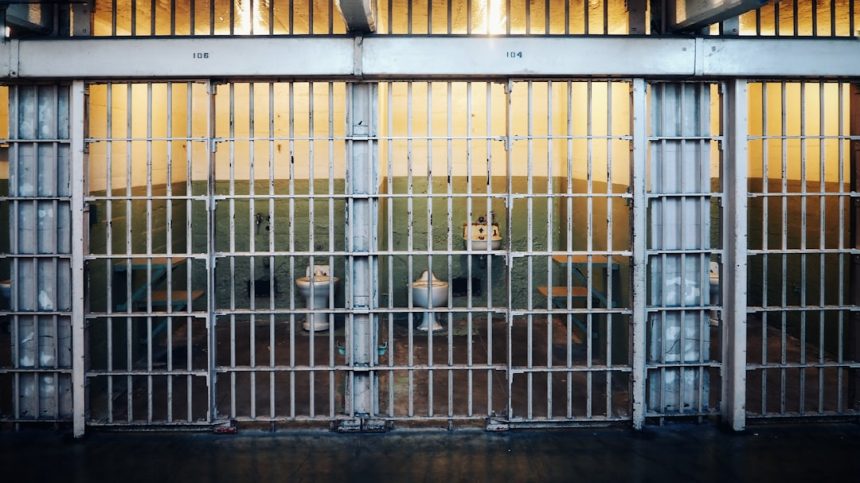


Self-inflicted deaths in reception prisons – Image for illustrative purposes only (Image credits: Unsplash)
Reception prisons serve as the initial point of entry for thousands of people each year, often straight from court on remand or awaiting sentence. These facilities now stand out in official data as environments carrying elevated risks for self-inflicted deaths. A fresh learning lessons bulletin from the Prisons and Probation Ombudsman draws on five years of investigations to underline the urgency of better support during those first critical days and weeks.
Reception Prisons Carry Distinct Pressures
Unlike longer-term establishments, reception prisons handle high volumes of new arrivals under tight operational demands. Many individuals enter with immediate mental health needs, substance withdrawal issues, or the shock of sudden custody. The bulletin notes that these conditions combine to create a high-risk setting where established safety procedures can prove difficult to apply consistently from the moment of arrival.
Official analysis shows reception prisons record one of the highest rates of self-inflicted deaths across all prison functions. This pattern has prompted the Ombudsman’s researchers to examine cases in detail rather than treat them as isolated incidents.
Five Years of Data Reveal Early Vulnerabilities
The bulletin reviews 170 self-inflicted deaths that occurred in reception prisons between December 2020 and November 2025. Within that sample, 19 people, or 11 per cent, died within the first 48 hours of arrival. A further 51 cases, representing 30 per cent, took place between the third day and the end of the first month.
These figures point to a concentrated period of danger immediately after entry. The Ombudsman has described the numbers as both shocking and saddening, calling for renewed focus on screening and support at the earliest stage of custody.
Repeat Issues Identified Across Investigations
Investigators found recurring themes in the cases examined. Shortcomings in initial risk assessment, delays in opening or following Assessment, Care in Custody and Teamwork plans, and gaps in communication between staff all appeared repeatedly. The bulletin stresses that many of these problems mirror findings from earlier reviews, suggesting that lessons from past tragedies have not yet translated into sustained operational change.
Reception prisons often operate under significant pressure from court schedules and population churn. This environment can limit the time available for thorough handovers or personalised welfare checks, factors the Ombudsman links directly to the elevated death rates observed.
Practical Steps for Safer Arrivals
The bulletin sets out targeted recommendations aimed at reception staff and senior managers. These include strengthening first-night protocols, improving access to mental health support within hours of arrival, and ensuring that information from court or police escorts reaches the right people without delay.
Implementation will require both additional resources and cultural shifts inside establishments. The Ombudsman’s office continues to monitor progress through its ongoing fatal incident investigations and will publish further updates as patterns evolve.
What matters now: Every new arrival deserves immediate, consistent attention to their safety and wellbeing. The data make clear that the first 48 hours and first month represent windows where timely intervention can make the difference.