


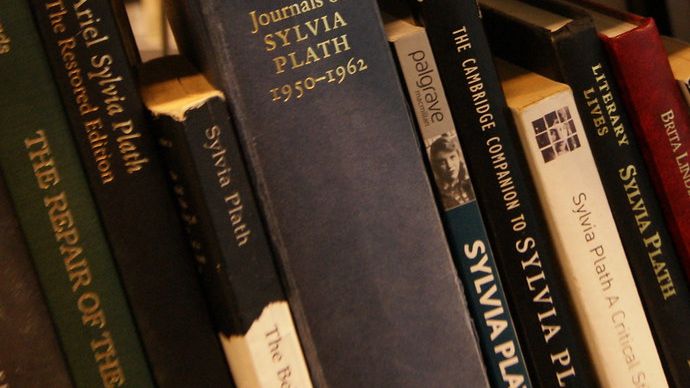
Have you ever wondered what it’s like to pour your soul into one incredible book and then vanish from the literary scene? Some authors burst onto the stage with novels that changed the way we see the world. Then, silence. No sequels, no second novels that anyone remembers, just one blazing masterpiece left behind. Whether it was by choice, tragedy, or circumstance, these writers created works that have outlasted entire careers of prolific authors. So let’s dive in.
1. Harper Lee – “To Kill a Mockingbird”


Harper Lee’s To Kill a Mockingbird is an icon of American literature, and honestly, it’s the kind of book that makes you believe one great story is worth more than a dozen mediocre ones. Though she published a book in 2015 which was marketed as a sequel, it was found to be the first draft of To Kill a Mockingbird, thus making her only a one-time hit. Lee shied away from public life and never truly followed up her 1960 masterpiece with another novel.
She won the 1961 Pulitzer Prize, as well as the Presidential Medal of Freedom in 2007. The story of Scout Finch, her father Atticus, and the racial tensions of 1930s Alabama has become required reading in classrooms across America. Lee herself remained a mystery, avoiding interviews and public scrutiny. Her reluctance to publish again remains one of the most intriguing decisions in modern literature.
2. Margaret Mitchell – “Gone with the Wind”

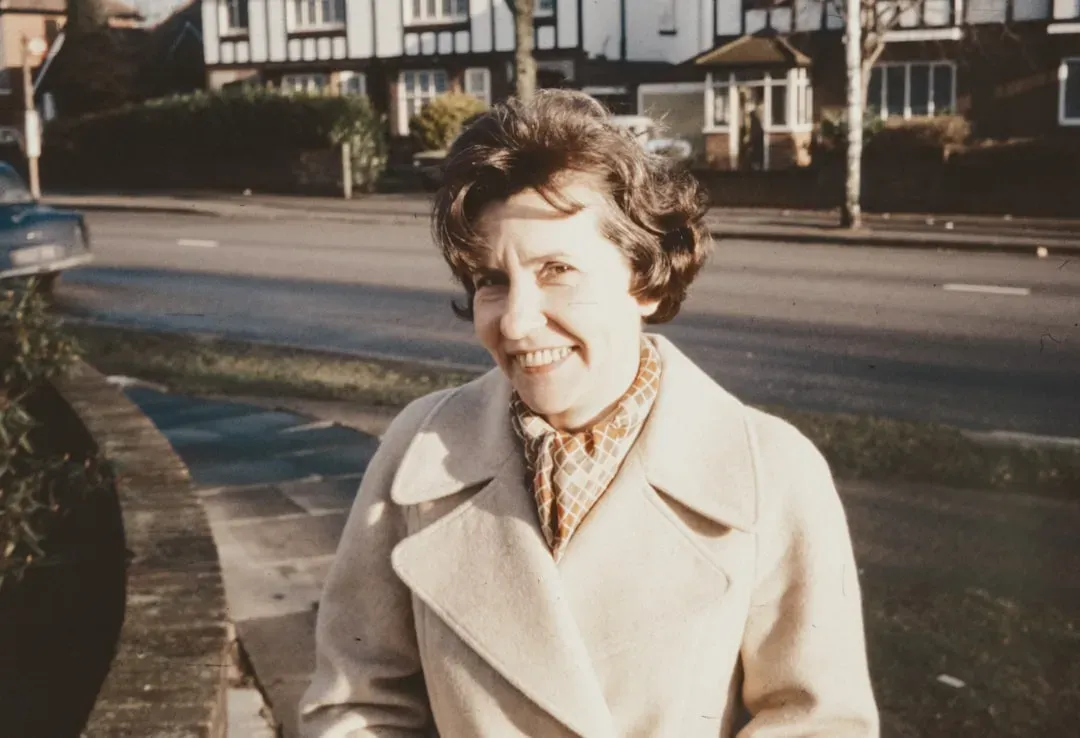
Gone With the Wind (1936) was Margaret Mitchell’s only novel, published at 36. Set against the backdrop of the American Civil War, the epic tale of Scarlett O’Hara became one of the most successful novels ever written. The novel was published in 1936 and sold more than a million copies in the first six months, a phenomenal feat considering it was the Great Depression era.
Mitchell wrote only one novel that was published during her lifetime, the American Civil War-era novel Gone with the Wind, for which she won the National Book Award for Fiction for Most Distinguished Novel of 1936 and the Pulitzer Prize for Fiction in 1937. For many years after Gone With the Wind’s release, Mitchell insisted that, because of the disruption the book caused in her life, she had no intention of ever writing again. By the late 1940s, though, much of the excitement had waned, and she was considering ideas for a new novel. Sadly, on August 11, 1949, Mitchell and her husband were crossing a street in Atlanta on their way to a movie theater when she was struck by a speeding car. She suffered extensive internal injuries and a skull fracture, and she died five days later.
3. J.D. Salinger – “The Catcher in the Rye”

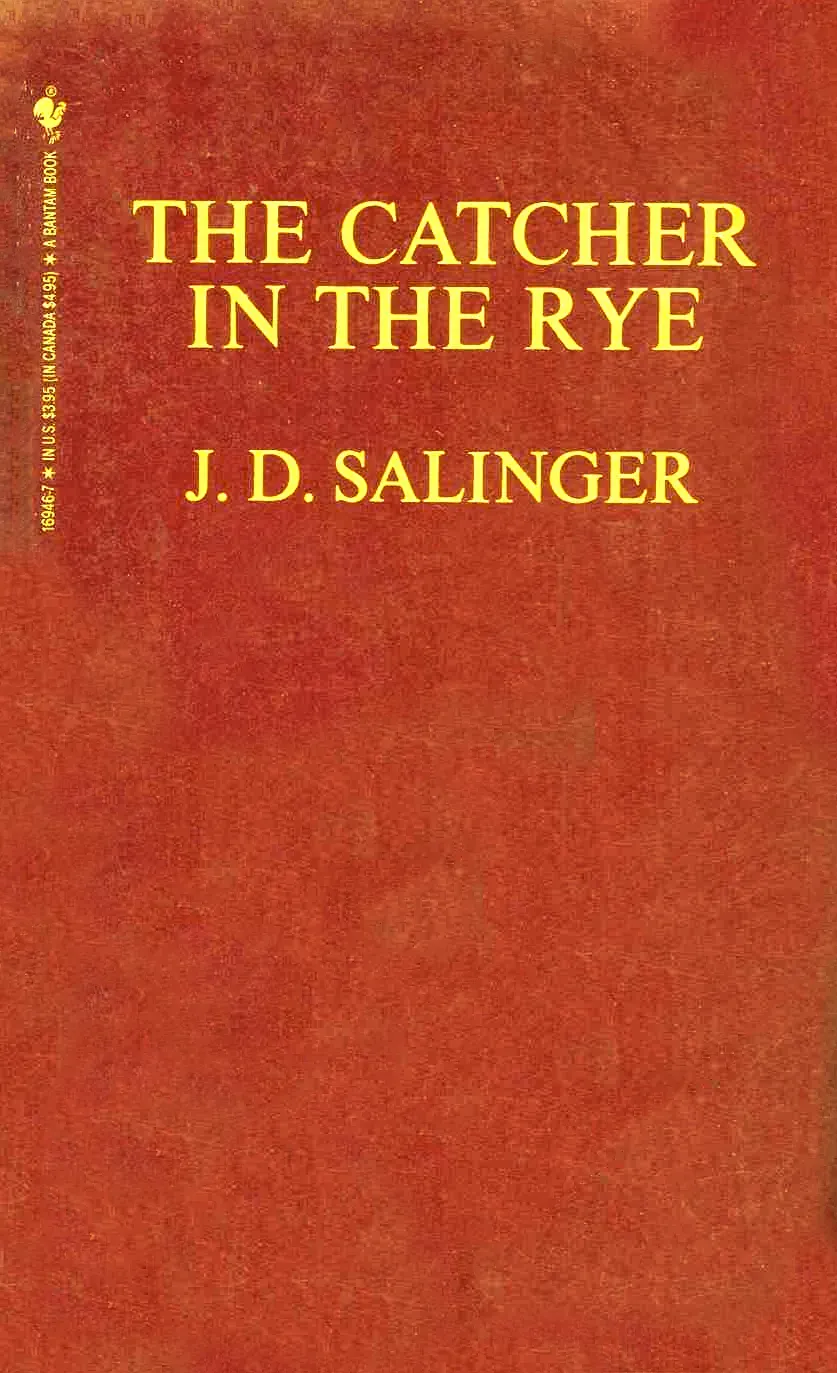
Let’s be real: when people think of Salinger, they think of one book. J.D. Salinger was 32 when he published his only novel, The Catcher in the Rye (1951). The story of Holden Caulfield’s angst-ridden journey through New York became the voice of teenage rebellion.
Salinger’s The Catcher in the Rye is an iconic title of teenage angst and alienation – but while lots of casual and seasoned readers alike would be hard pressed to name another Salinger title, there are actually two: the 1953 short story collection Nine Stories, and the 1961 novel Franny and Zooey. Still, Catcher overshadows everything else. After its success, Salinger became increasingly reclusive, spending his later years hidden away in rural New Hampshire. He published sparingly and lived out of the public eye until his death in 2010.
4. Oscar Wilde – “The Picture of Dorian Gray”

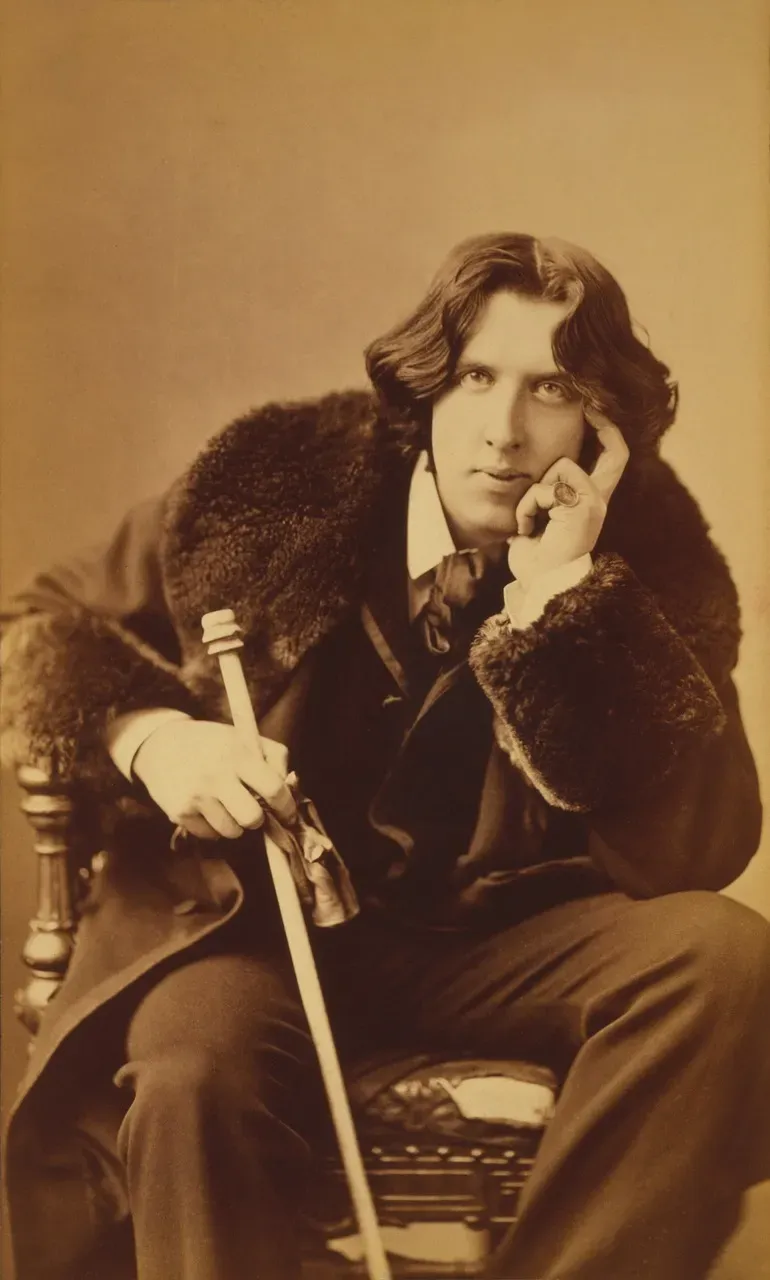
Oscar Wilde wrote poetry, short stories, critical essays, plays, book reviews, and hundreds of letters, but he published only one novel, The Picture of Dorian Gray. A shorter novella-length version was published in the July 1890 issue of the American periodical Lippincott’s Monthly Magazine, while the novel-length version was published in April 1891.
The haunting tale of a man whose portrait ages while he remains young shocked Victorian England with its dark themes and perceived immorality. The book scandalized Victorian England and was used as evidence against Wilde during his trial in 1895, in which he was convicted of charges related to homosexuality. Though Wilde was a celebrated playwright, his single novel remains a towering work of Gothic literature. His downfall was swift and brutal, and he died in poverty in 1900.
5. Emily Brontë – “Wuthering Heights”


There’s something hauntingly poetic about Emily Brontë’s legacy. Bronte died about a year after the book was published so she never knew the success of her only novel. Wuthering Heights, with its wild moors and tempestuous love story between Heathcliff and Catherine, was unlike anything readers had seen before.
Emily Brontë died in 1848 of tuberculosis, just one year after writing her magnum opus. She was only thirty years old. The novel was initially met with mixed reviews, but over time it became recognized as one of the greatest works in English literature. Her brief life left behind a singular masterpiece that continues to captivate readers with its raw emotion and gothic intensity.
6. Sylvia Plath – “The Bell Jar”

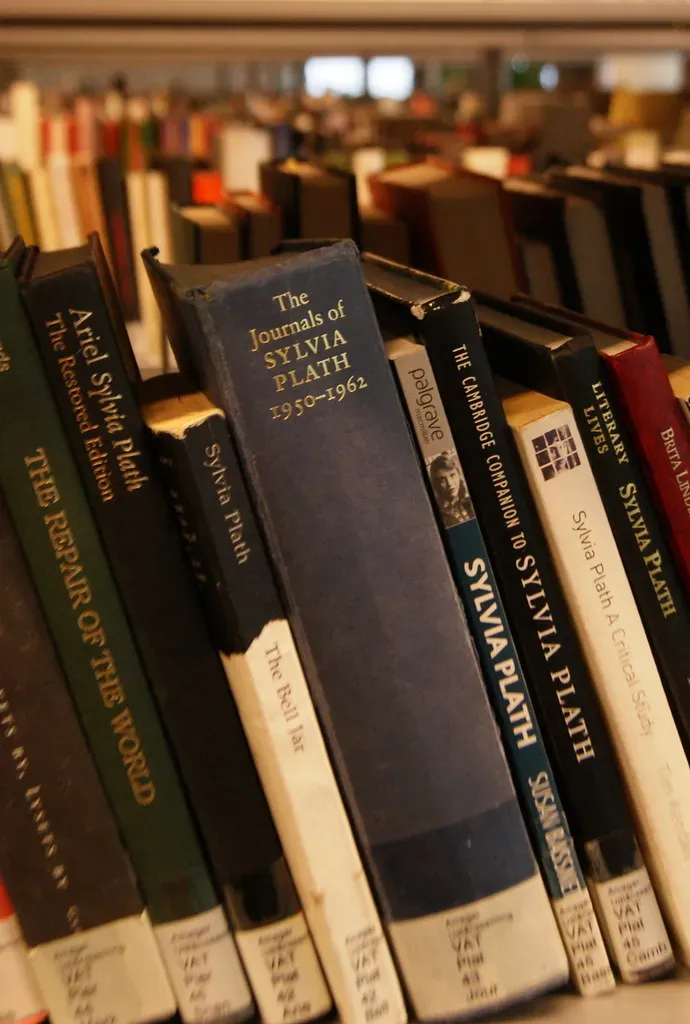
The Bell Jar is the only novel written by the American writer and poet Sylvia Plath. The novel was first published in January 1963 under the pseudonym Victoria Lucas and later released posthumously under her real name. The semi-autobiographical work follows Esther Greenwood’s descent into mental illness during a summer internship in New York City.
It received positive reviews, the ‘Times Literary Supplement’ calling it a “considerable achievement” and Laurence Lerner in ‘The Listener’ calling it “a brilliant and moving book.” Less than a month after the book was published on February 11th, 1963, Sylvia Plath took her own life. Though Plath was primarily known as a poet, The Bell Jar has become a defining work about mental health, feminism, and the pressures facing women in the 1950s. In the United States, the book became an instant best-seller, and has since been translated into more than forty languages.
7. Anna Sewell – “Black Beauty”

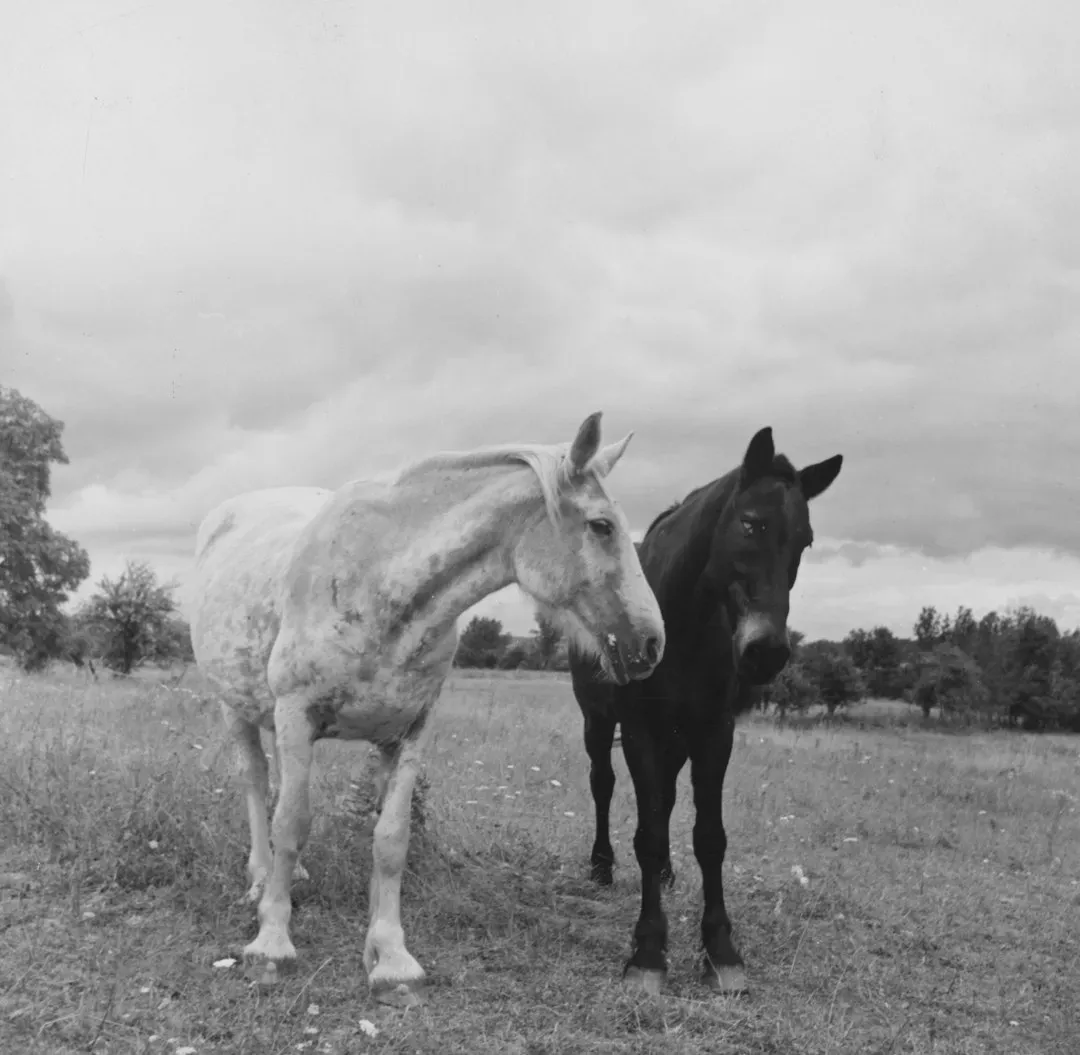
Boasting a sale of over 50 million copies, Anna Sewell’s one and only novel, Black Beauty, was written in the last years of Sewell’s life and published – to great fanfare – just five short months before the writer’s death in 1878. The story, told from the perspective of a horse, was groundbreaking.
Having an animal as the narrator was a new concept in the 18th century and the novel went onto be one most beloved horse stories of all time. Sewell wrote the book partly as a plea for the humane treatment of animals, and it became one of the best-selling books ever published. She died never knowing the full extent of her novel’s impact on animal welfare movements worldwide.
8. Ralph Ellison – “Invisible Man”

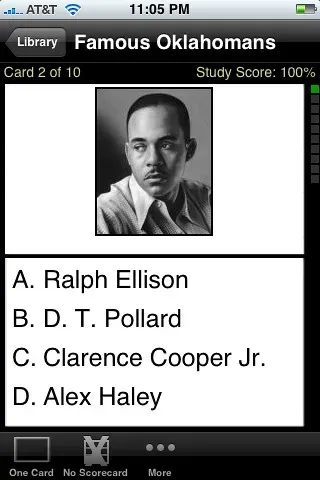
Ralph Ellison has actually written and published several texts despite being most widely recognized for Invisible Man – which won him the 1953 National Book Award. In terms of fiction, Invisible Man was the only novel published during the writer’s life, but a second novel, Juneteenth – compiled from Ellison’s notes – was published five years after the author’s death.
The powerful story of an unnamed Black narrator navigating racism and identity in mid-century America remains a cornerstone of American literature. Ellison spent decades working on a follow-up novel, but it remained unfinished at his death. His first novel, though, cast such a long shadow that it’s hard to imagine anything matching its brilliance.
9. John Kennedy Toole – “A Confederacy of Dunces”

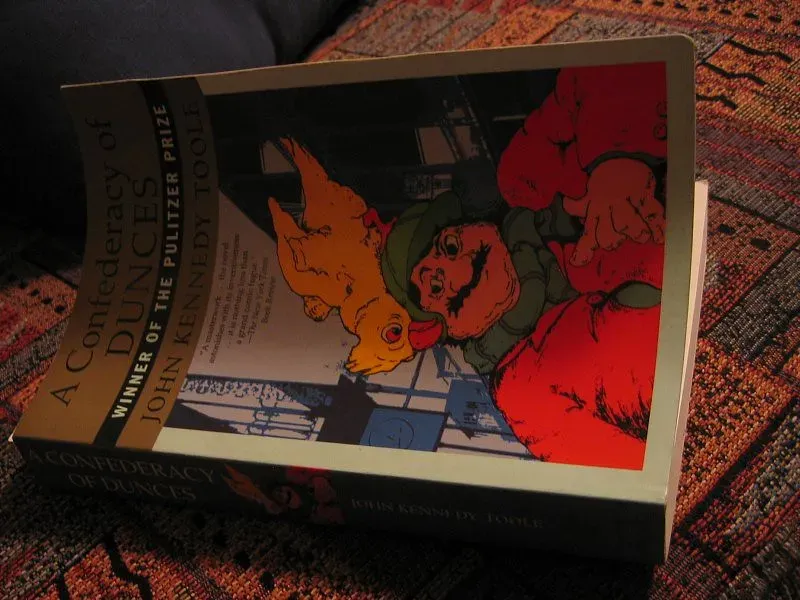
A Confederacy of Dunces is a picaresque novel written by John Kennedy Toole, published in 1980, 11 years after the author died by suicide at the age of 31. The book was published through the efforts of writer Walker Percy and Toole’s mother, Thelma Toole. In 1981, it won the Pulitzer Prize for Fiction, granting posthumous recognition to John Kennedy Toole.
The comic masterpiece follows the misadventures of Ignatius J. Reilly, an eccentric and obese man navigating New Orleans in the 1960s. Despite several revisions, the book was rejected by publishers, and after the book was rejected by another literary figure, Hodding Carter Jr., Toole shelved the novel. Suffering from depression and feelings of persecution, Toole left home on a journey around the country. He stopped in Biloxi, Mississippi where he died by suicide. After his death, his mother brought the manuscript to the attention of novelist Walker Percy, who was crucial in the book’s publication. It’s one of literature’s most bittersweet success stories.
10. Boris Pasternak – “Doctor Zhivago”


While Boris Pasternak was primarily a poet, his novel Doctor Zhivago became his most recognized work internationally. The sweeping epic set during the Russian Revolution and its aftermath won him the Nobel Prize for Literature in 1958, though he was forced to decline it under pressure from Soviet authorities. The novel was banned in the Soviet Union for decades.
Pasternak’s lyrical prose and the forbidden love story at the heart of Doctor Zhivago captured the imagination of readers worldwide. Though he wrote poetry throughout his life, this single novel defined his legacy in the West. He died in 1960, two years after the international publication of his masterpiece, never fully able to enjoy its global success.
The ending leaves you thinking: what defines literary success? Is it about the number of books published, or the lasting impact of just one unforgettable story? What would you choose?


