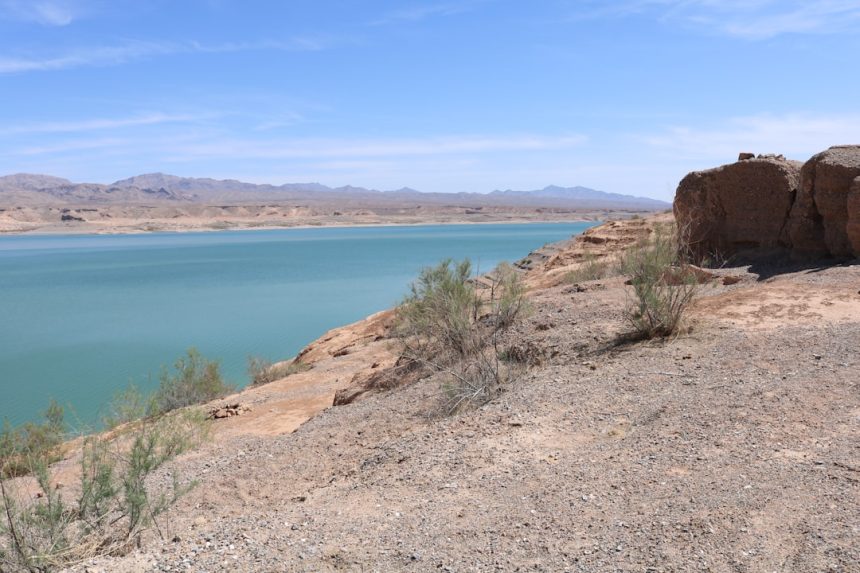

A Birthday Trip Turns Deadly (Image Credits: Unsplash)
Willow Beach, Ariz. — A spontaneous hike along the Arizona Hot Springs Trail at Lake Mead National Recreation Area ended in heartbreak exactly one year ago, when a New York woman collapsed from heat-related illness. Her close friend, who tried desperately to save her, returned to the site this week still grappling with profound loss. The incident highlighted the hidden perils of desert trails, even in spring.[1]
A Birthday Trip Turns Deadly
Tina-Marie Cox organized a celebratory outing during her birthday week in Las Vegas. Janice McCall, a 47-year-old mother of three from Niagara Falls, New York, joined the group for the 2.5-mile trek to natural hot springs along the Colorado River. McCall, described by Cox as an introvert seeking change from her stagnant life back home, had shown signs of fatigue the previous day while walking the Strip.[1]
About 30 minutes into the hike, Cox scouted ahead and returned to find McCall unresponsive on a pile of scorching rocks. Cox, drawing on her experience as a former police officer, nurse, and U.S. Air Force member, checked for a pulse. It was faint, and McCall’s eyes appeared dilated. The group panicked as Cox struggled to get cell service, dialing 911 71 times before connecting.[1]
Hours of Desperate Rescue Operations
What followed was a grueling six-hour search-and-rescue effort. Park rangers, helicopters, and ground teams mobilized, but the extreme terrain and heat complicated the response. Even one trained ranger required evacuation during the operation. Temperatures neared 90 degrees Fahrenheit that day, about 10 degrees hotter in the canyon than at higher elevations.[1]
The next day, rangers rescued 28 hikers, including two dozen children with special needs, from the same trail due to heat distress. McCall’s death marked one of 26 heat-related fatalities recorded by the Mohave County Medical Examiner’s Office in 2025.[1]
Enduring Grief and Social Fallout
Cox described the loss as surreal, with everyday triggers like rocks, sunlight, or the scent of oranges — reminiscent of McCall — bringing fresh pain. Back in Niagara Falls, a city plagued by economic decline and past environmental scandals like Love Canal, Cox faced community blame upon returning for the funeral. She delivered a eulogy titled “If I Had Known” to address the whispers.[1]
Though McCall’s immediate family offered support, the ordeal isolated Cox socially. She holds herself accountable but emphasizes the unpredictability of heat illness. This week, she placed a memorial vase at the trailhead inscribed with: “Please remember Jan’s light. Be safe. Be aware. Know before you go.”[1]
Expert Warnings on Desert Hiking Risks
Search-and-rescue ranger Kathryn Vollinger noted that canyon trails amplify heat risks, urging informed planning. Alan Gegax, leader of the VegasHikers group, avoids Lake Mead in peak heat, opting for cooler Mount Charleston routes. He stressed that early symptoms like mental confusion lead to fatal errors without immediate shade or cooling.[1]
Craig McVeay, president of the National Association for Search and Rescue, explained how denial delays recognition of heat stroke. Peak incidents occur just before and after summer closures, from May 15 to September 30. Advances like satellite texting now aid remote locations.
- Carry ample water — at least one gallon per person for strenuous hikes.
- Hike early morning or evening to avoid peak sun.
- Recognize symptoms: dizziness, nausea, confusion, rapid pulse.
- Travel in groups and inform others of your plans.
- Check weather and trail conditions via official apps.
Climate Change and Calls for Action
Erratic weather patterns, linked to climate change, challenge traditional trail closure schedules. Cox launched an online petition urging national parks to improve signage, as faded warnings dotted the trail. Rangers now emphasize pre-hike decisions to mitigate risks.[1]
“High temperatures increase the complexity and risk of response operations,” stated Interior Department spokesman Max Dotson.
Key Takeaways:
- Heat illness strikes quickly in canyons, often 10° hotter than forecasts.
- Group hikes and preparation save lives; solo or unprepared treks prove deadly.
- Memorials and petitions signal a community demand for better prevention.
The story of Janice McCall serves as a stark reminder: desert beauty conceals lethal dangers. As temperatures rise, will parks adapt fast enough? Share your thoughts in the comments.