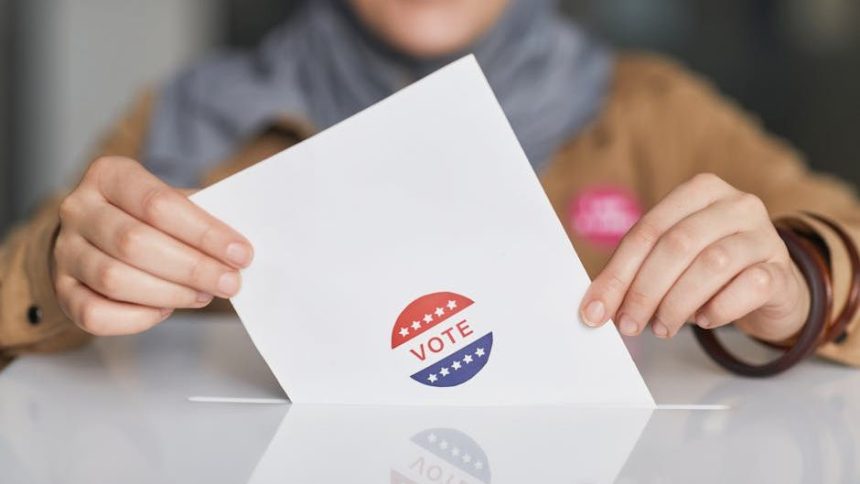
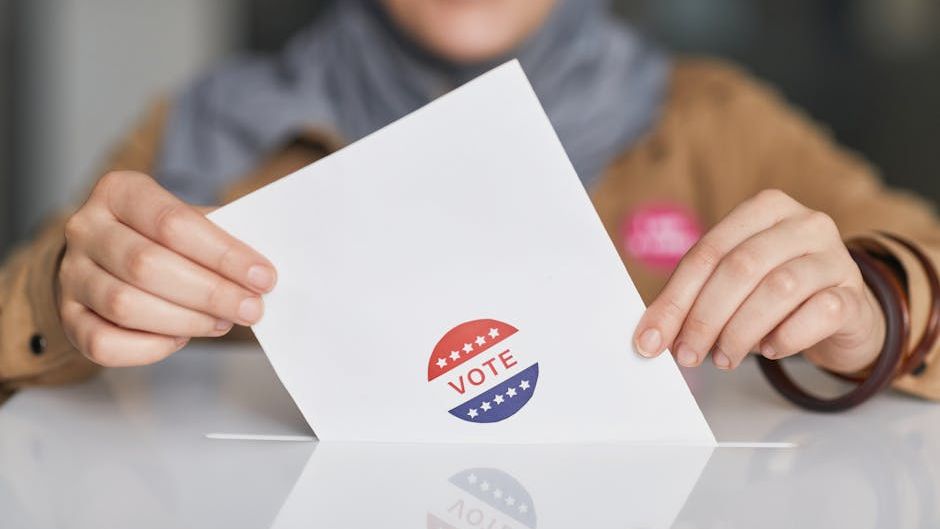
AP Decision Notes: What to expect in Oregon’s primaries – Image for illustrative purposes only (Image credits: Pexels)
Oregon voters will decide nominations for governor and other state and federal offices in Tuesday’s primary, with Democratic Gov. Tina Kotek seeking a second term against nine challengers in her party. Republicans have fielded 14 candidates, including several current officeholders and former NBA player Chris Dudley. A statewide ballot measure that would increase vehicle fees and gas taxes to fund road and bridge repairs also appears on the ballot, set against rising fuel prices tied to the ongoing Iran conflict.
Contested Races Shape the November Landscape
The governor’s contest stands out for its size on both sides. Kotek faces a large Democratic field, while the Republican side includes Marion County Commissioner Danielle Bethell, state Rep. Ed Diehl, state Sen. Christine Drazan and Dudley, who previously ran for the office in 2010 and captured nearly half the general-election vote that year.
Incumbents are seeking renomination for the U.S. Senate seat and all six U.S. House districts, with only one congressional race lacking a primary opponent. The outcome of these contests will determine which candidates advance to the general election in November, when control of state government and the congressional delegation will be at stake.
Mail Voting and Key Deadlines Drive Participation
Oregon has relied on vote-by-mail since the 1990s, so most ballots arrive through the postal service or drop boxes. Ballots must reach county offices or drop boxes by 8 p.m. local time on Tuesday, with mailed ballots required to carry a postmark by that deadline and arrive by May 26 to be counted.
Partner offer
As of Friday, more than 513,000 ballots had already been returned. Nearly all counties operate on Pacific time, placing the cutoff at 11 p.m. Eastern time, while a small portion of the state on Mountain time closes at 10 p.m. Eastern. Counties may extend drop-box hours if needed.
Turnout Patterns and Early Results Offer Clues
Registration figures show roughly 3.1 million active voters statewide, including about 988,000 Democrats and 737,000 Republicans. In recent cycles, Democratic primary turnout has ranged from 420,000 to 492,000 ballots, while Republican participation has fallen between 300,000 and 370,000.
The Associated Press plans to release results throughout Tuesday night and the following days as mail ballots are processed. Smaller counties may report Election Day votes first, while larger ones will add batches over time. The AP will declare winners only after determining that remaining ballots cannot change the outcome.
Ballot Measure and National Issues Add Context
Measure 120 would raise gas taxes and vehicle fees to support transportation projects. The proposal arrives as fuel prices have climbed steadily since the start of the Iran war, giving voters a direct say on infrastructure funding at a time when national politics also influences state races.
Kotek has positioned herself against federal policies under President Donald Trump, a strategy that echoes historical midterm patterns in which the president’s party often faces headwinds. The primary results will clarify which candidates and messages resonate most with Oregon voters ahead of the general election.
Partner offer
Planning a trip to Vegas?
Compare hotel rates and show tickets on VEGAS.com.