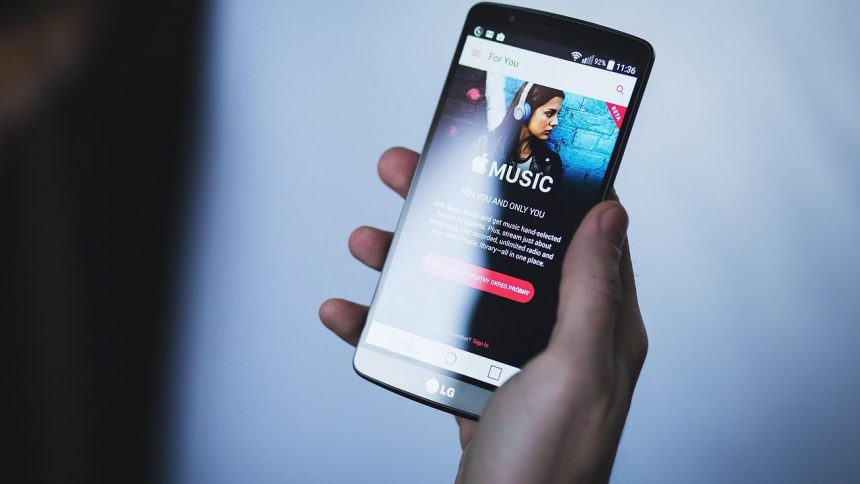
Every family gathering seems to have one. Someone older reaches for the aux cord, puts on a classic rock track, and casually drops a comment about how music “just isn’t what it used to be.” Younger people in the room go quiet, or roll their eyes so hard it’s practically audible. This particular friction between generations is older than the record player itself, though it’s never quite gone away.
What makes these opinions especially sharp in 2026 is that younger listeners today are arguably more musically literate and widely informed than any generation before them. Gen Z’s tastes fall across a wider spread than previous generations, which makes sense because they’re the first generation to have full easy access to the entire history of recorded music. Telling that kind of listener that music peaked in 1973 isn’t just wrong. It’s a little insulting.
“They Don’t Even Play Real Instruments”

This is probably the most well-worn complaint in the boomer playbook, and it lands badly every single time. The assumption is that musical value is directly tied to the presence of guitars, drums, and a bass line you can see being performed on stage. Electronic production, beat-making, and even DJ sets get dismissed as something lesser.
Younger fans push back because the technical craft behind modern production is genuinely demanding. The DJ replaced the rock star as the center of popular youth music culture, as Millennial-aged artists drove tastes, and these styles became infused by pop and hip-hop artists alike. Dismissing an entire era of creative work because no one is holding a Fender simply doesn’t hold up as a serious argument in 2026.
“Rap Isn’t Really Music”

Few opinions generate more immediate frustration among younger listeners than this one. Hip-hop is not a fringe genre or a passing trend. It’s been the dominant force in global popular music for well over two decades, and its roots go deep. The birth of hip-hop began on August 11, 1973, when DJ Kool Herc was hosting a back-to-school party and tried a new musical technique on a turntable, extending an instrumental beat to let people dance longer while rapping during the breakdancing.
The genre has continued evolving at a remarkable pace since then. Rap is a fairly new genre of music, only around 50 years old, yet the genre changes so frequently. A Spotify study shows rap and R&B are the biggest genres for Gen Z. Calling that “not music” doesn’t reflect reality. It reflects unfamiliarity.
“Music Was So Much Better Back in the ’60s and ’70s”
This is perhaps the most understandable boomer opinion, even if it regularly provokes groaning from younger audiences. Research suggests that what we listen to between the ages of 13 and 16 is formative for our musical tastes, and this bias reaches across all generations. So when a boomer insists the Beatles were the peak of human creative achievement, they’re partly describing a psychological imprint, not an objective truth.
The problem is when that personal history gets presented as universal fact. Other studies suggest that music discovery peaks around age 24 and that stagnation sets in one’s early 30s, as less time and energy can be devoted to seeking out new music. Younger fans interpret this kind of nostalgia not as wisdom, but as someone who stopped listening decades ago and never quite caught up.
“Streaming Is Killing Music”
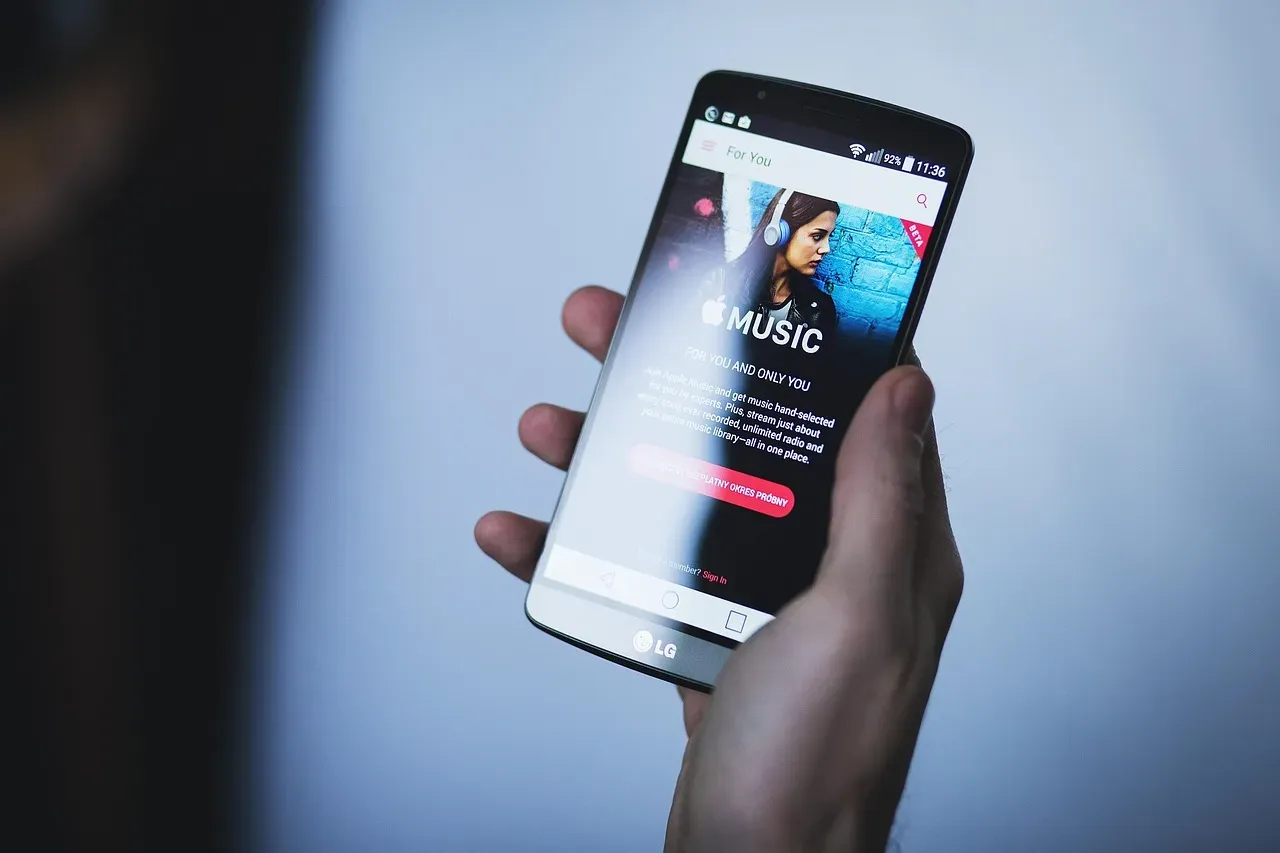
Boomers who came up buying vinyl and cassettes can feel a genuine sense of loss when they see younger people skipping through songs on a phone. That emotional reaction is real. The conclusion drawn from it, though, often goes too far. Streaming hasn’t killed music. It’s completely restructured who gets to hear it, how often, and from where.
According to Edison Research, on average Gen Z spends 3 hours and 43 minutes a day listening to music, approximately 40 minutes more than the rest of the U.S. population. That’s not a generation that’s disengaged from music. Gen Z’s more passive, algorithm-driven discovery process signals a shift in how music reaches younger audiences. While past generations might have scoured liner notes or dug through record store bins, Gen Z expects music to find them. Different approach, not a lesser one.
“Nobody Buys Physical Music Anymore, It’s Such a Shame”
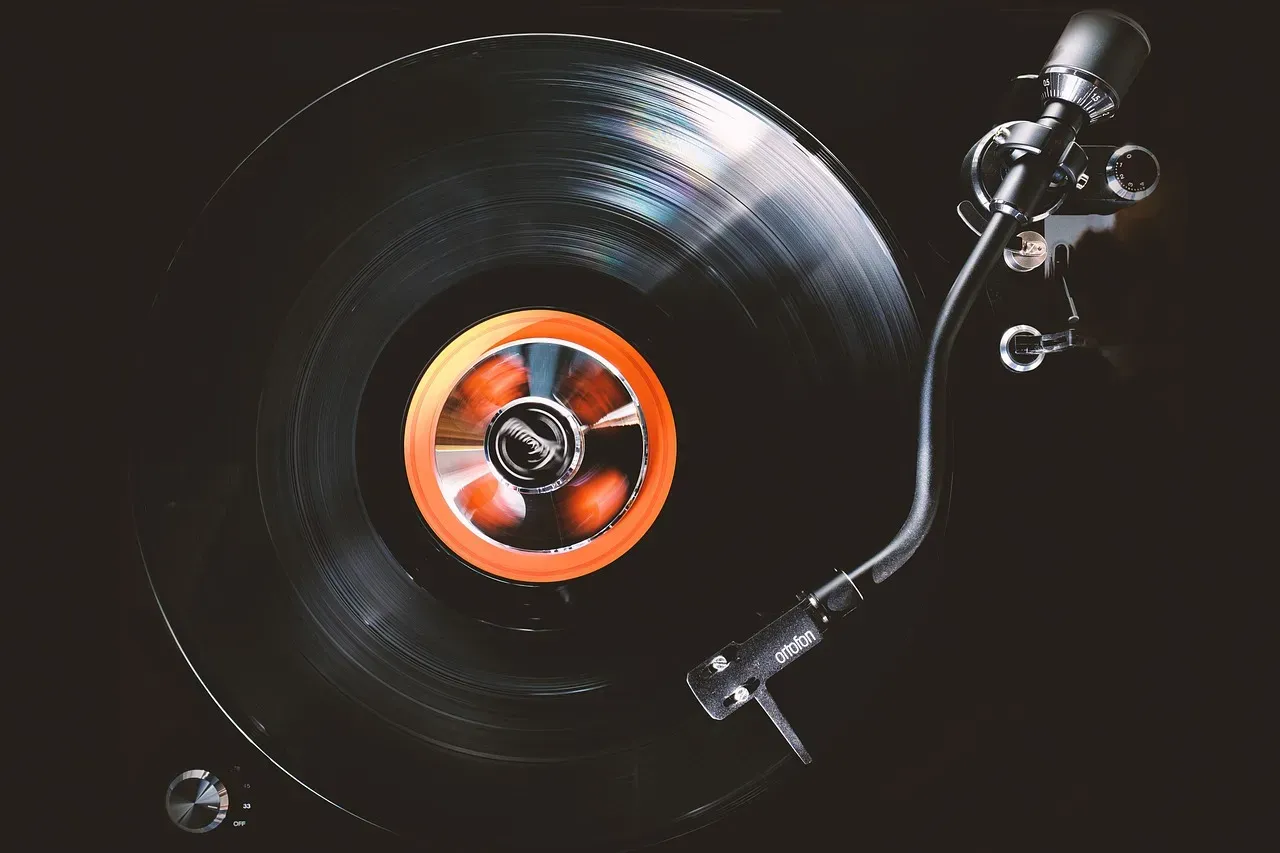
This one is ironic, because it turns out younger people actually do buy physical music. Quite a lot of it. Boomers who lament the death of the record store are often unaware that vinyl has been quietly booming for years, partly driven by the very generations they presume don’t care. Since 2016, vinyl album sales increased from 13.1 million to 49.6 million in 2023, with over 224 million vinyl records purchased during that period, largely driven by younger buyers who grew up entirely in the streaming era.
Partner offer
A report by MusicWeek shows that for Gen Z fans, vinyl is less about the feeling of nostalgia and more about a break from digital life, polling larger numbers than both Millennials and Gen X. Boomers often dismiss this resurgence as a “hipster” trend, but when a trend has been growing, evolving, and attracting new participants for more than 25 years, it’s clear that something deeper is going on.
“Today’s Artists Don’t Write Their Own Songs”
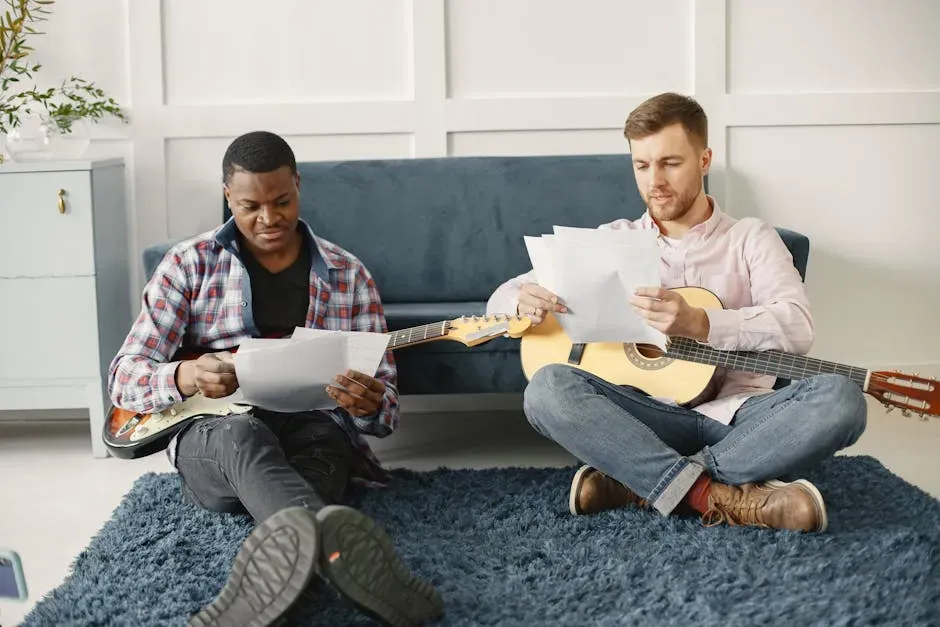
The idea that modern pop artists are somehow fraudulent because they co-write with producers and professional songwriters is a persistent complaint, and it has a pretty short memory. Collaboration has been central to popular music since its early commercial days. The Brill Building in New York was churning out hits written by teams of professional songwriters for decades, long before anyone expected performers to compose their own material.
Music is a powerful cultural and emotional force, and preferences for genres have evolved over time, reflecting the unique sociological and psychological dynamics of each generation. Co-writing, co-production, and collaborative creation aren’t signs of inauthenticity. They’re simply how modern music-making works, at scale and at speed, in a world where an artist might release music across multiple formats and markets simultaneously.
“Pop Music Is Just Noise With No Meaning”
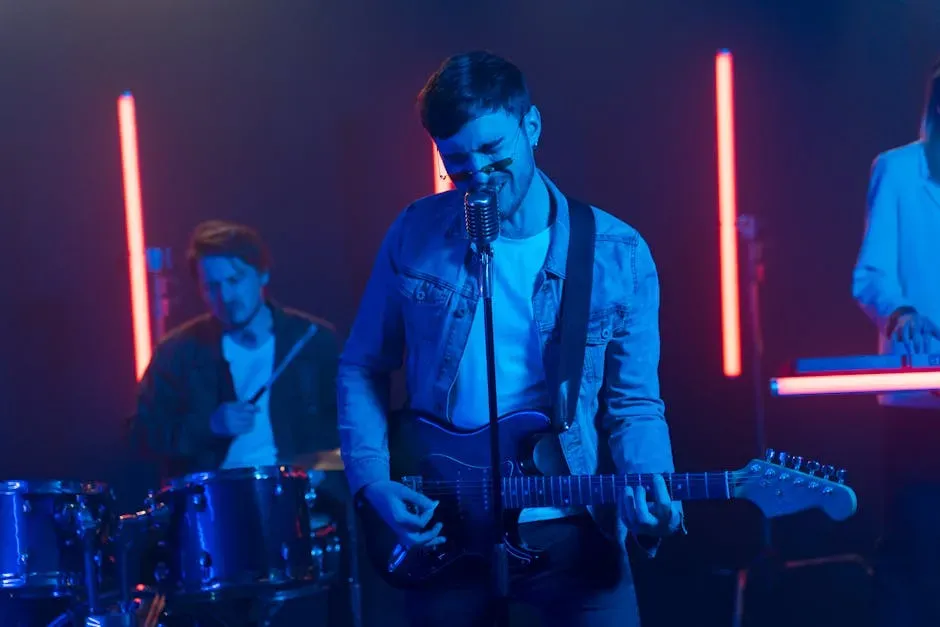
Younger generations are consistently drawn to music that mirrors their actual emotional and social reality. Generation Z, having gone through financial instability, political division, and the challenges of a global pandemic, have fostered a sense of caution, and they find it easier to relate to artists that are more sensitive with their lyrics and instrumental delivery. Calling that “just noise” misses the entire point of what those songs are doing for the people listening to them.
Gen Z’s preference for music that promotes inclusivity, social justice, and emotional authenticity mirrors their commitment to creating a better world. Gen Z also listens to more sad songs than any other generation, and Spotify reported that the word “sad” is the most searched term globally for Gen Z when it comes to looking for music. That’s not shallow consumption. That’s people using music to process difficult things.
“Radio Was How You Really Discovered Music”
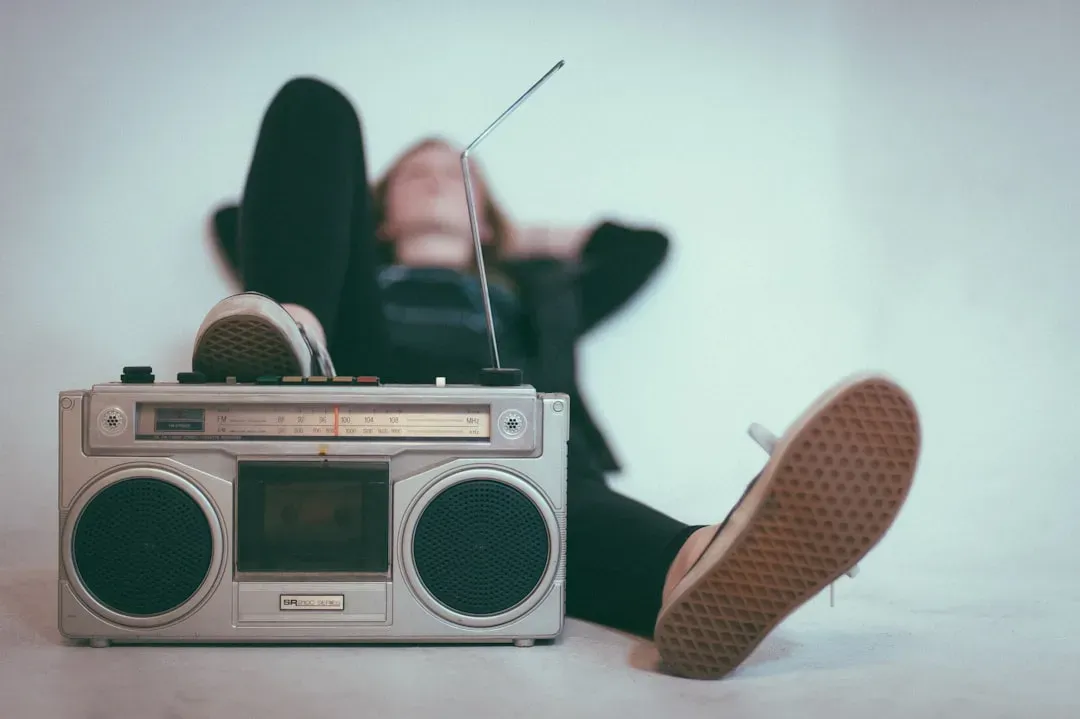
For boomers, radio was the primary cultural pipeline. You waited to hear your song. You taped it off the airwaves. You called a station to request it. That relationship with discovery was genuinely meaningful, and it’s understandable that people who experienced it would view it as the gold standard. The trouble is presenting it as superior to everything that followed.
Social media reigns supreme for Gen Z and Millennials as a music discovery source, each at around half of respondents. Radio is still a key player for Boomers at around four in ten, but has far less influence on Gen Z at roughly one in five. Whether through radio, record stores, MTV, or early peer-to-peer file sharing, discovering new music was an active process that defined youth identity. Today’s equivalent of that active discovery just looks different, and it’s no less real for it.
“Concerts Aren’t What They Used to Be”

The complaint that modern live shows are overly produced, too dependent on visuals, or lacking the raw spontaneity of a Woodstock or a 1970s arena tour is one that surfaces regularly. It tends to frustrate younger fans who have grown up with a completely different but equally vivid live music culture. Stadium tours from artists like Beyoncé and Taylor Swift have redefined what a concert experience can look like, attracting audiences in the tens of millions.
During birth phases of musical evolution, there is agreement among generations about what’s popular, but as a new generation emerges, conflict emerges between the aging establishment who are content with more of the same and the younger generation who want something new. That dynamic applies perfectly to live performance. Younger fans aren’t attending inferior shows. They’re attending different ones, built for a different era, with different expectations baked in from the start.
“K-Pop and Latin Pop Aren’t Real Genres”
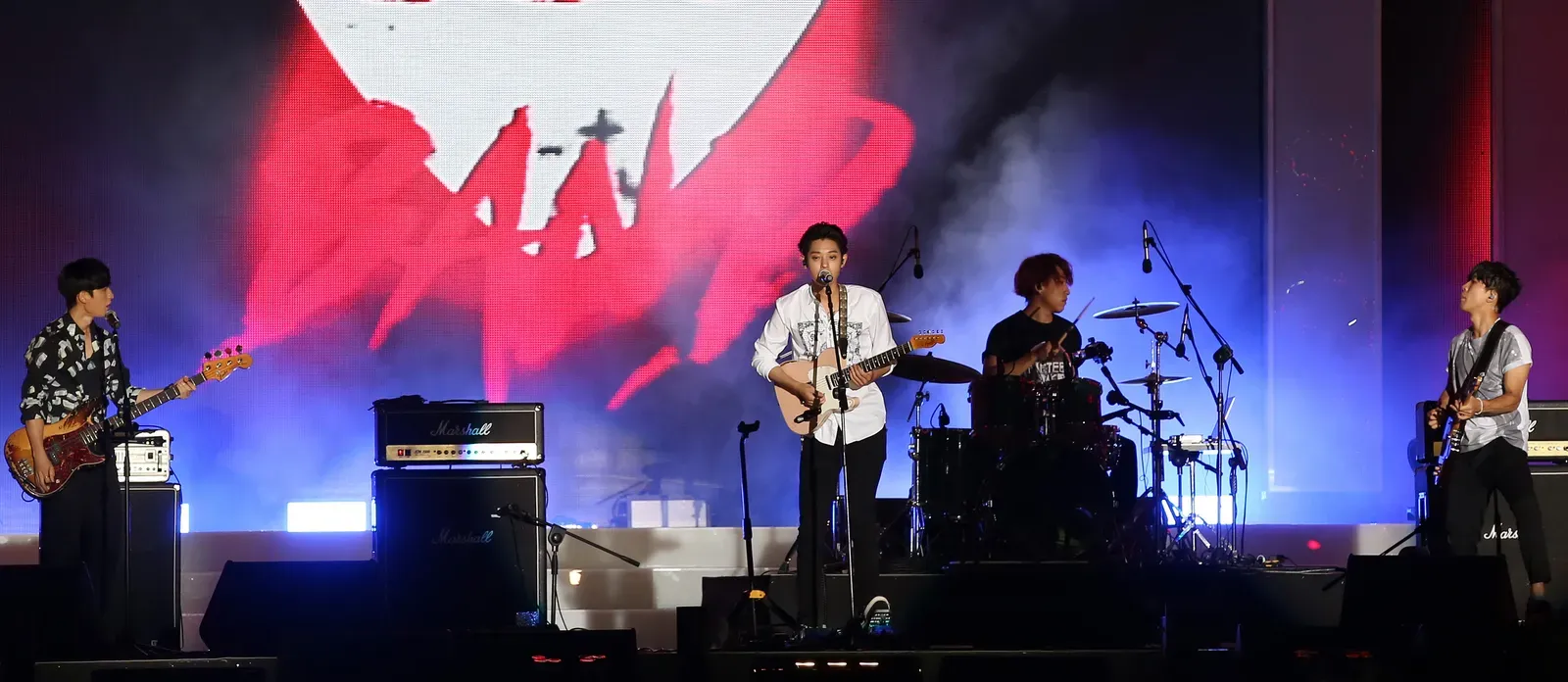
Dismissing entire musical traditions rooted in non-English-speaking cultures is a specific kind of boomer opinion that lands especially badly with younger audiences who grew up in a genuinely global music landscape. K-pop, reggaeton, Afrobeats, and Latin trap have not just entered the mainstream. In many streaming markets, they dominate it. Generation Z grew up in an era of unprecedented connectivity and accessibility to music, and with platforms like Spotify and YouTube, they explore an even wider range of genres, including K-pop, EDM, and rap.
If you’re 20, music from the 1980s is just as accessible as music being released now. It’s all contemporary and you start to hear it and judge it differently. A generation that has always had the entire world’s music at their fingertips isn’t going to draw the same cultural borders that an older generation grew up with. Calling a genre “not real” because it originated in Seoul or Lagos simply reflects a narrower world than the one younger fans actually inhabit.
Partner offer
Planning a trip to Vegas?
Compare hotel rates and show tickets on VEGAS.com.