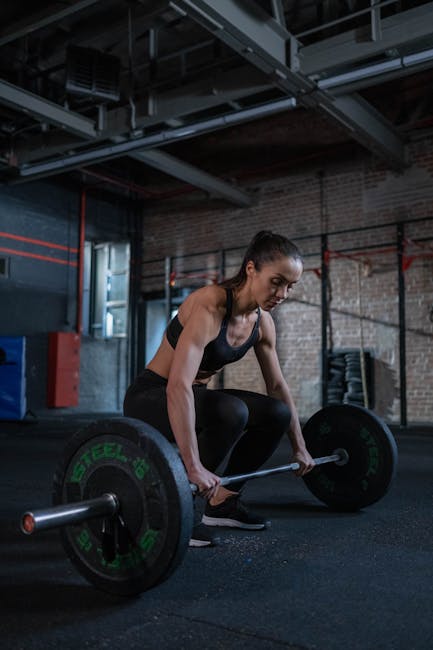
Women Reap Unique Rewards from Lifting Weights (Image Credits: Pexels)
Research continues to highlight the transformative effects of resistance training on women’s health, from staving off chronic diseases to enhancing longevity. Yet many women steer clear of gym weight rooms, deterred by unwelcoming atmospheres and lingering misconceptions. Experts now urge gyms to adapt, fostering environments where women feel empowered to lift.
Women Reap Unique Rewards from Lifting Weights
A study of nearly 400,000 adults found that women who strength trained two to three days a week reduced their risk of death from cardiovascular disease by 30 percent.[1] This edge over men underscores how muscle-building exercises deliver outsized benefits for females, countering vulnerabilities like osteoporosis and age-related muscle loss.[2]
Resistance training activates bone-forming cells, yielding denser bones crucial for women prone to thinning later in life.[3] It also combats menopause-related weight gain, metabolic issues like diabetes, and even cognitive decline. During pregnancy, such exercises ease fatigue, lower complication risks, and support smoother deliveries. Brad Schoenfeld, a professor of exercise science, described it bluntly: “The bottom line is, resistance training is a cure for all sorts of issues.”[2]
Unseen Barriers Keep Women on the Cardio Side
Gym weight areas often feel dominated by grunting, muscular men, leaving women intimidated and opting for treadmills instead. Many report self-consciousness about their bodies, fearing judgment in spaces filled with fitter crowds. A mother named Daisy Arauza captured this: she hesitated due to postpartum changes, viewing gyms as realms for the already toned.
Lack of familiarity with equipment and etiquette compounds the issue, alongside outdated fears of bulking up – despite low testosterone making significant muscle gain rare for women. Stares, comments, and a “hard-core” culture further alienate newcomers. One woman quit her membership when childcare vanished, unwilling to navigate such vibes without family support.[2]
Partner offer
Practical Steps to Redesign Gym Culture
Gyms can start with education: introductory sessions demystify weights, teaching proper form and norms without overwhelming beginners. Behavioral scientist Michelle Segar stressed realistic messaging over perfection pressure, noting women often fixate on perception rather than feeling empowered.[2]
Here are targeted changes experts recommend:
- Host women-only hours or bootcamps to build confidence in low-pressure settings.
- Offer on-site childcare, enabling mothers to prioritize health seamlessly.
- Promote community through clubs like Girl Gains, where women cheer each other’s progress.
- Boost female representation via diverse trainers and signage like “The gains look good on you.”
- Pair strength with favorites – stronger muscles enhance Pilates, running, or yoga.[4]
Signs of Progress in Inclusive Fitness Spaces
Initiatives like Girl Gains, founded by college student Elisabeth Bradley, now span dozens of campuses, blending education with camaraderie. Women-only gyms provide safe havens free from stares, fostering bonds that spill into daily life. One lifter at such a facility noted a profound sense of community absent in mixed environments.
These models prove scalable: small-group classes and mentorship turn novices into regulars. As representation grows, hesitation fades, aligning with national guidelines for twice-weekly sessions. Trainers in supportive spots report higher retention among women, who then inspire peers.
Key Takeaways
- Strength train 2-3 days weekly for 30% lower heart disease mortality risk.
- Gyms thrive by prioritizing education, childcare, and women-only options.
- Empowering spaces build lasting habits, benefiting body and mind alike.
Resistance training offers women a potent tool against aging’s toll, yet its promise hinges on gyms evolving beyond intimidation. Simple shifts toward inclusion can unlock these gains for millions. What steps have you seen – or taken – to make fitness welcoming? Share in the comments.
Partner offer
Planning a trip to Vegas?
Compare hotel rates and show tickets on VEGAS.com.