The history of science has long been dominated by familiar male names, yet women have made extraordinary contributions that have fundamentally shaped our understanding of the world. Despite their remarkable discoveries, women still only represent one third of researchers globally, and their work rarely gains the recognition it deserves. In 2024, the scientific community faced another sobering reminder of this disparity. Not a single female researcher was awarded a Nobel Prize in the Sciences in 2024. This stark reality underscores a persistent pattern where brilliant women in science continue to work in the shadows, their groundbreaking achievements overlooked or attributed to male colleagues.
The landscape of gender inequality in scientific research remains troubling even as we move through 2025. According to the World Economic Forum, women made up only 28.2% of the STEM global workforce in 2024, while in non-STEM fields, women comprised 47.3% of the workforce. This disparity extends beyond simple representation. At U.S. universities, most research dollars are going to senior women scientists, and their younger counterparts are missing out on the large grants that can advance science and careers, with the gap persisting between junior men and women. The women profiled here broke barriers, conducted groundbreaking research, and changed the course of human knowledge. Their stories deserve to be told.
Rosalind Franklin: The Forgotten Architect of DNA
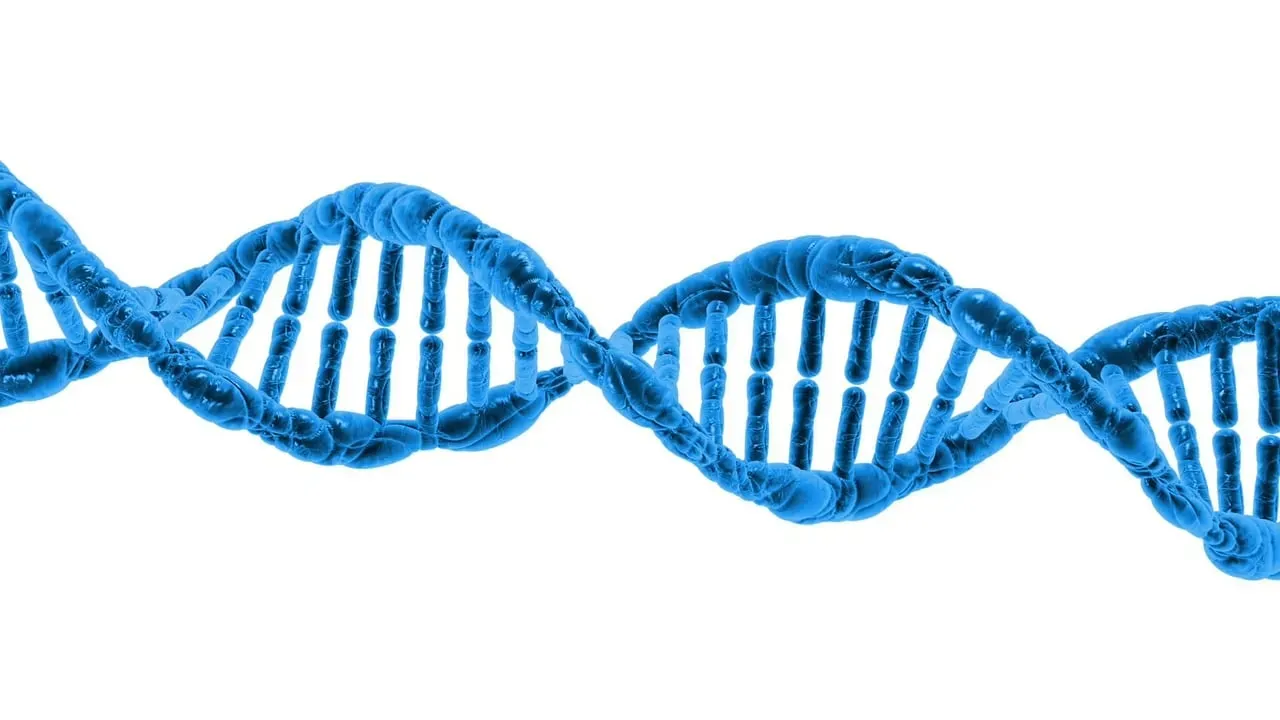
Rosalind Franklin was an English chemist and X-ray crystallographer whose work was central to the understanding of the molecular structures of DNA, RNA, viruses, coal, and graphite. She patiently struggled through more than 100 hours of photographic exposure to capture the B form of DNA, and while her Photo 51 and related data were integral to the 1953 discovery of the double helix structure of DNA, her contribution went largely unrecognized for nearly 50 years. Working at King’s College London from 1951 to 1953, Franklin captured the now-famous Photograph 51 in May 1952, an X-ray diffraction image that would prove crucial to understanding DNA’s structure.
Unknown to Franklin, Watson and Crick saw some of her unpublished data, including photo 51 shown to Watson by Wilkins, and using Franklin’s photograph and their own data, Watson and Crick created their famous DNA model, though Franklin’s contribution was not acknowledged. Franklin’s involvement in cutting-edge DNA research was halted by her untimely death from cancer at age 37 in 1958, passing away in London on April 16, 1958. Good fortune accompanied Watson, Crick and Wilkins, as in 1962 they shared the Nobel Prize for the discovery of the DNA structure, unfortunately not the case for Franklin, who died well before the Nobel committee could have considered the significance of her contribution. Her legacy continues to inspire scientists worldwide, with the European Space Agency naming an ExoMars Rover in her honor in 2019.
Chien-Shiung Wu: The First Lady of Physics
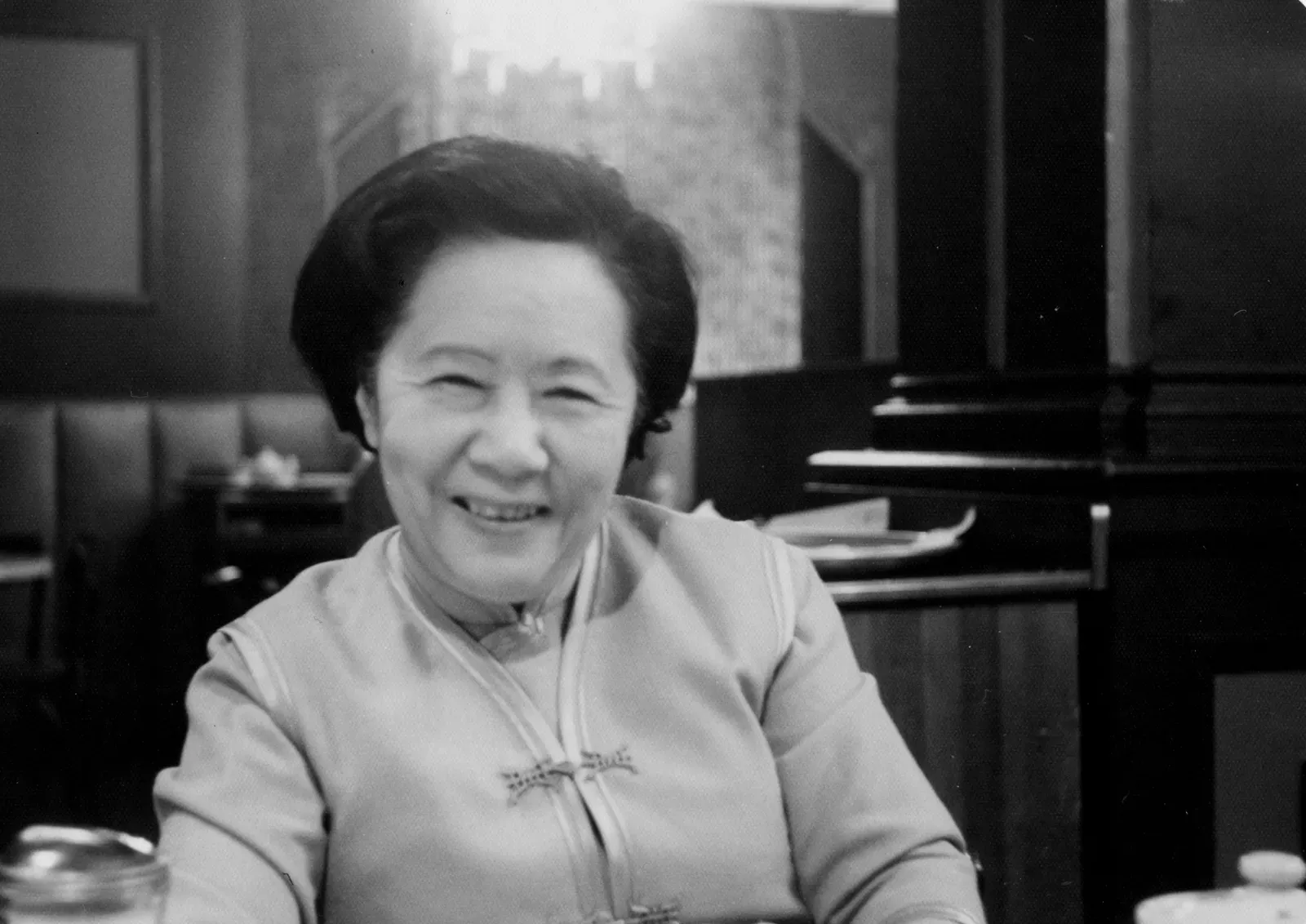
Chien-Shiung Wu was a Chinese-American particle and experimental physicist who made significant contributions in nuclear and particle physics, worked on the Manhattan Project helping develop the process for separating uranium isotopes by gaseous diffusion, and is best known for conducting the Wu experiment, which proved that parity is not conserved. Born in China in 1912, Wu came to the United States in 1936 to pursue graduate studies at UC Berkeley. In 1944, she joined the Manhattan Project at the Substitute Alloy Materials Lab at Columbia University, and when the B Reactor at Hanford mysteriously shut down soon after it began operating, Wu helped identify poisoning by xenon-135 as the culprit.
Her most significant contribution came in 1956 when she conducted the groundbreaking Wu experiment. She was approached by theoretical physicists Tsung Dao Lee and Chen Ning Yang who asked her to devise an experiment to prove their theory that the law of conservation of parity did not hold true during beta decay, and her experiments proved that identical nuclear particles do not always act alike. This discovery resulted in her colleagues Tsung-Dao Lee and Chen-Ning Yang winning the 1957 Nobel Prize in Physics, while Wu herself was awarded the inaugural Wolf Prize in Physics in 1978. In 1975, her pay as a professor was raised to be equal to that of her male colleagues, a stark reminder of the gender discrimination she faced throughout her career. Her expertise earned her the nickname “First Lady of Physics.”
Lise Meitner: The Mother of Nuclear Fission
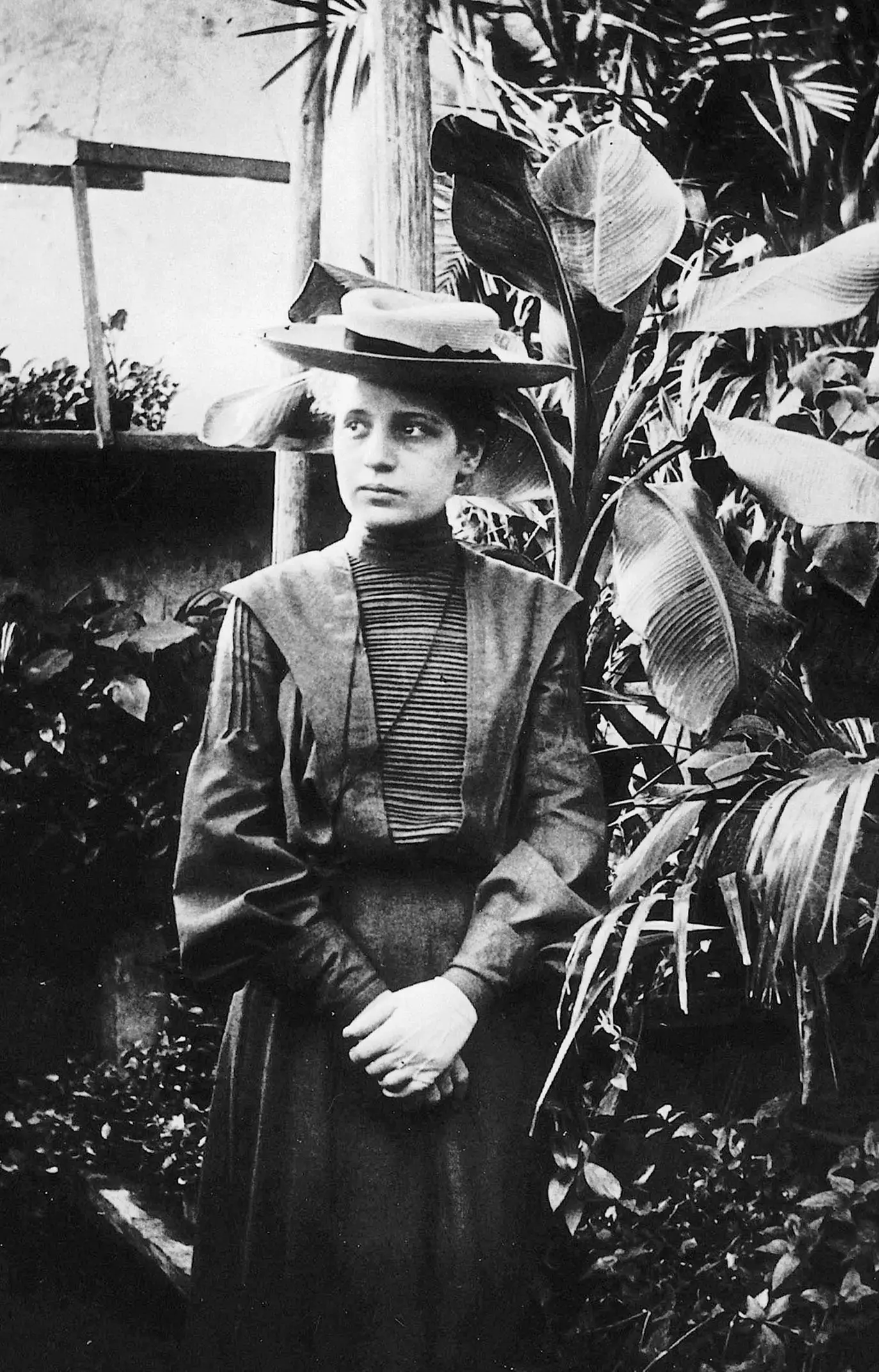
Lise Meitner was an Austrian physicist whose theoretical insights proved crucial to understanding nuclear fission, yet her contributions were systematically overlooked. Working alongside chemist Otto Hahn for three decades, Meitner fled Nazi Germany in 1938 due to her Jewish heritage. Despite her forced departure, she continued to collaborate with Hahn from abroad, providing the theoretical explanation for the nuclear fission experiments he conducted. Her calculations and insights were essential to understanding how uranium atoms could be split, releasing enormous amounts of energy.
In 1966, Meitner was finally recognized for her contributions to nuclear fission when the US awarded her the Enrico Fermi Award alongside Hahn and Strassman. However, when Hahn received the Nobel Prize in Chemistry in 1944 for the discovery of nuclear fission, Meitner’s name was conspicuously absent. Many historians believe her Jewish heritage and forced exile played a role in this omission. She passed away in 1968, having spent her later years advocating against nuclear weapons despite her role in the research that made them possible. Her story exemplifies how political circumstances and gender bias combined to deny recognition to one of physics’ most brilliant minds.
Jocelyn Bell Burnell: Discoverer of Pulsars
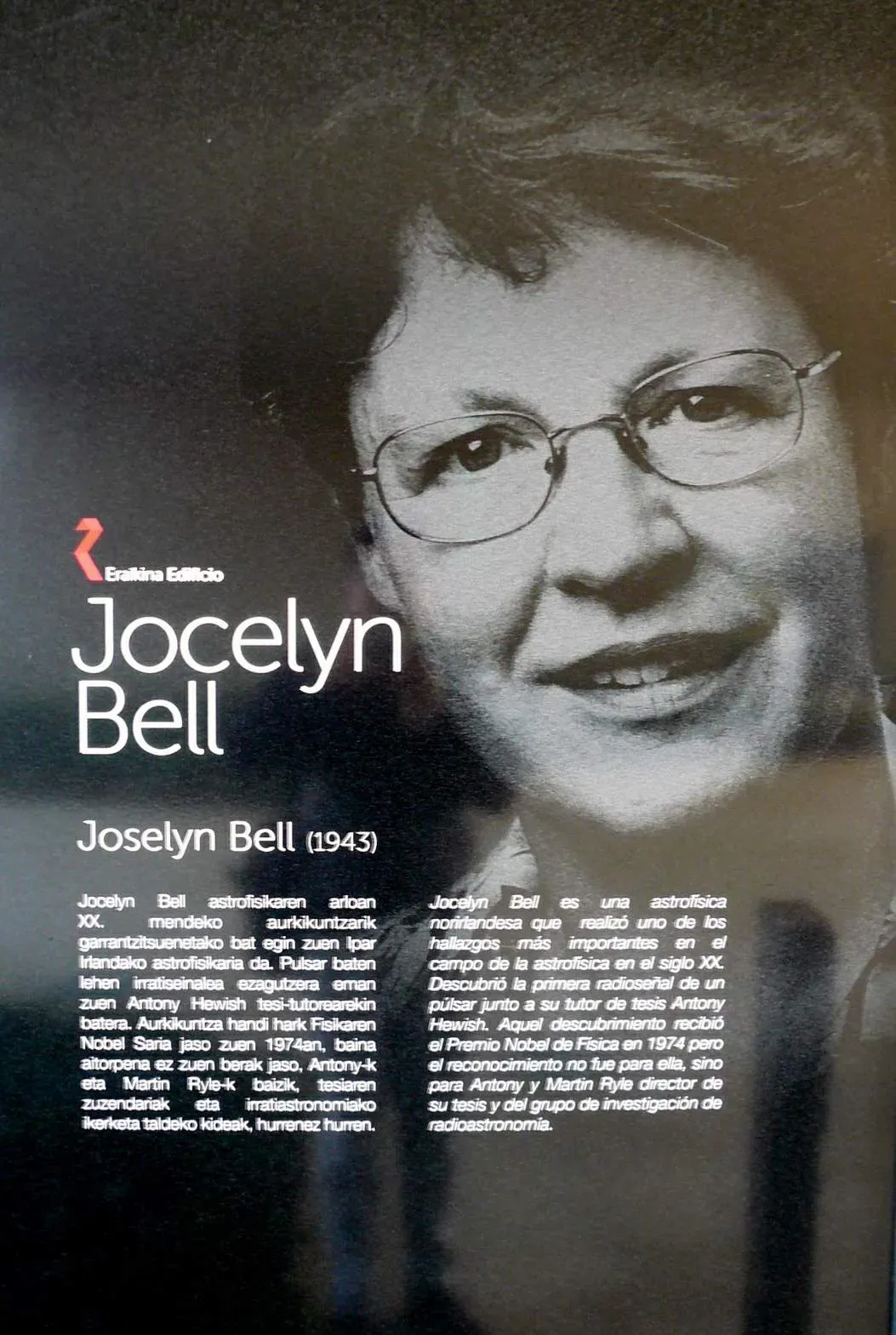
Jocelyn Bell Burnell was a doctoral student in radio astronomy at Cambridge University in the late 1960s who was the first in her lab to discover the astronomical object that would lead to the identification of pulsars, yet despite her obvious contributions, she was not included in the all-male citation when her team won the physics Nobel Prize for this work in 1974. As a graduate student, Bell Burnell meticulously analyzed radio signals from space, identifying an unusual pattern that would revolutionize astronomy. These rapidly pulsing radio signals came from neutron stars spinning at incredible speeds, objects previously unknown to science.
The discovery of pulsars opened entirely new avenues for understanding stellar evolution and the extreme physics of collapsed stars. Twenty-five years after being robbed of the Nobel, Burnell won the Special Breakthrough Prize and donated all three million dollars to England’s Institute of Physics to fund underrepresented figures including women, refugees and ethnic minorities. Her grace in handling this injustice and her commitment to supporting future generations of scientists demonstrates remarkable character. Bell Burnell has spoken openly about the discrimination she faced and continues to advocate for women and minorities in science, turning her own experience of being overlooked into a force for positive change in the scientific community.
Alice Ball: Pioneer of Leprosy Treatment
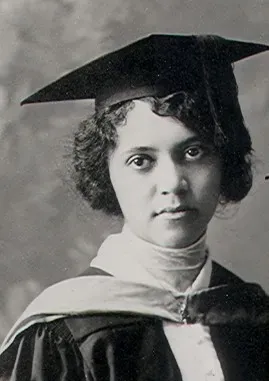
Leprosy is a devastating, highly stigmatized bacterial infection, and traditionally one of the most common methods for treating contagious patients was no treatment at all, with oil from the chaulmoogra tree being difficult to apply and unable to be injected, until in 1916, African American chemist Alice Ball discovered a breakthrough in treatment. At just twenty-three years old, Ball became the first woman and first African American to earn a master’s degree from the University of Hawaii. Her groundbreaking method of isolating the active compounds in chaulmoogra oil made it possible to inject the treatment directly, dramatically improving its effectiveness.
Tragically, Ball died at the age of twenty-four in 1916, before she could publish her findings. The university president who took over her research initially failed to credit her work, instead calling the treatment the “Dean Method.” It took decades before Ball received proper recognition for her discovery, which became the most effective treatment for leprosy until the development of antibiotics in the 1940s. Her method helped thousands of patients, particularly those suffering in isolation in leprosy colonies. In 2000, the University of Hawaii finally honored her legacy by dedicating a plaque to her memory and establishing a scholarship in her name, acknowledging the young chemist whose brilliance was nearly erased from history.
Eunice Foote: First to Demonstrate the Greenhouse Effect
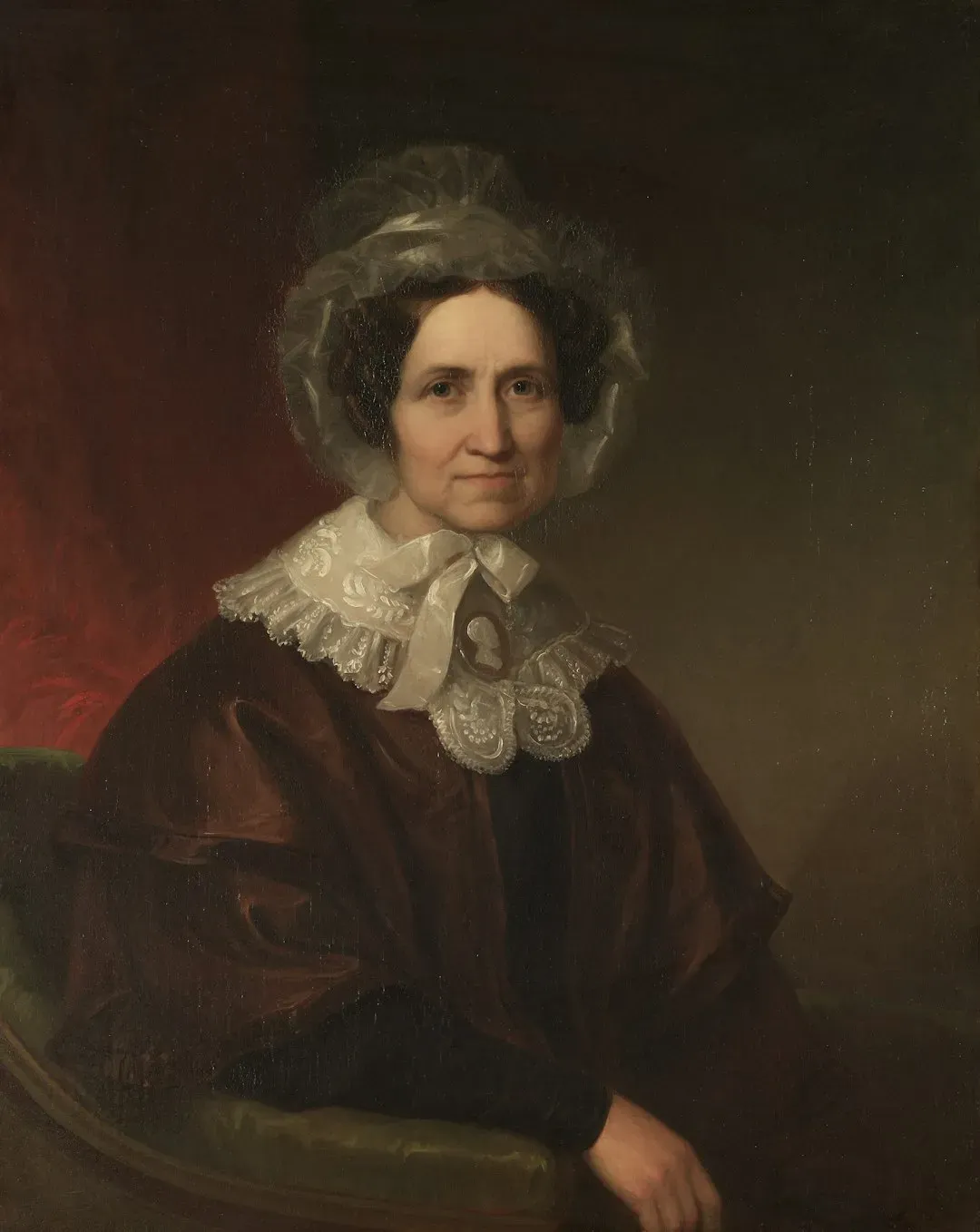
The greenhouse effect, the gradual warming of Earth’s atmosphere, is one of the foundational discoveries of climate science that is often credited to British scientist John Tyndall, but it was actually the pioneering scientist and women’s rights activist Eunice Foote who first theorized and demonstrated the greenhouse effect. In 1856, three years before Tyndall’s work, Foote conducted experiments showing that carbon dioxide trapped heat more effectively than other gases. She even speculated that changes in atmospheric carbon dioxide levels could alter Earth’s temperature, a prescient observation about climate change made more than 150 years ago.
Despite presenting her findings at the American Association for the Advancement of Science, Foote’s work was largely ignored by the scientific establishment. As a woman, she was not permitted to present her own research at the conference, and a male colleague read her paper on her behalf. Her contributions were forgotten for over a century until historians rediscovered her publications in recent years. Foote’s erasure from climate science history reflects the systemic barriers women faced in having their scientific work taken seriously. Today, as climate change dominates scientific discourse, her pioneering research finally receives the recognition it always deserved, highlighting how gender bias has shaped not just who gets credit, but which discoveries are remembered at all.
Katherine Johnson: The Human Computer Who Sent Astronauts to Space
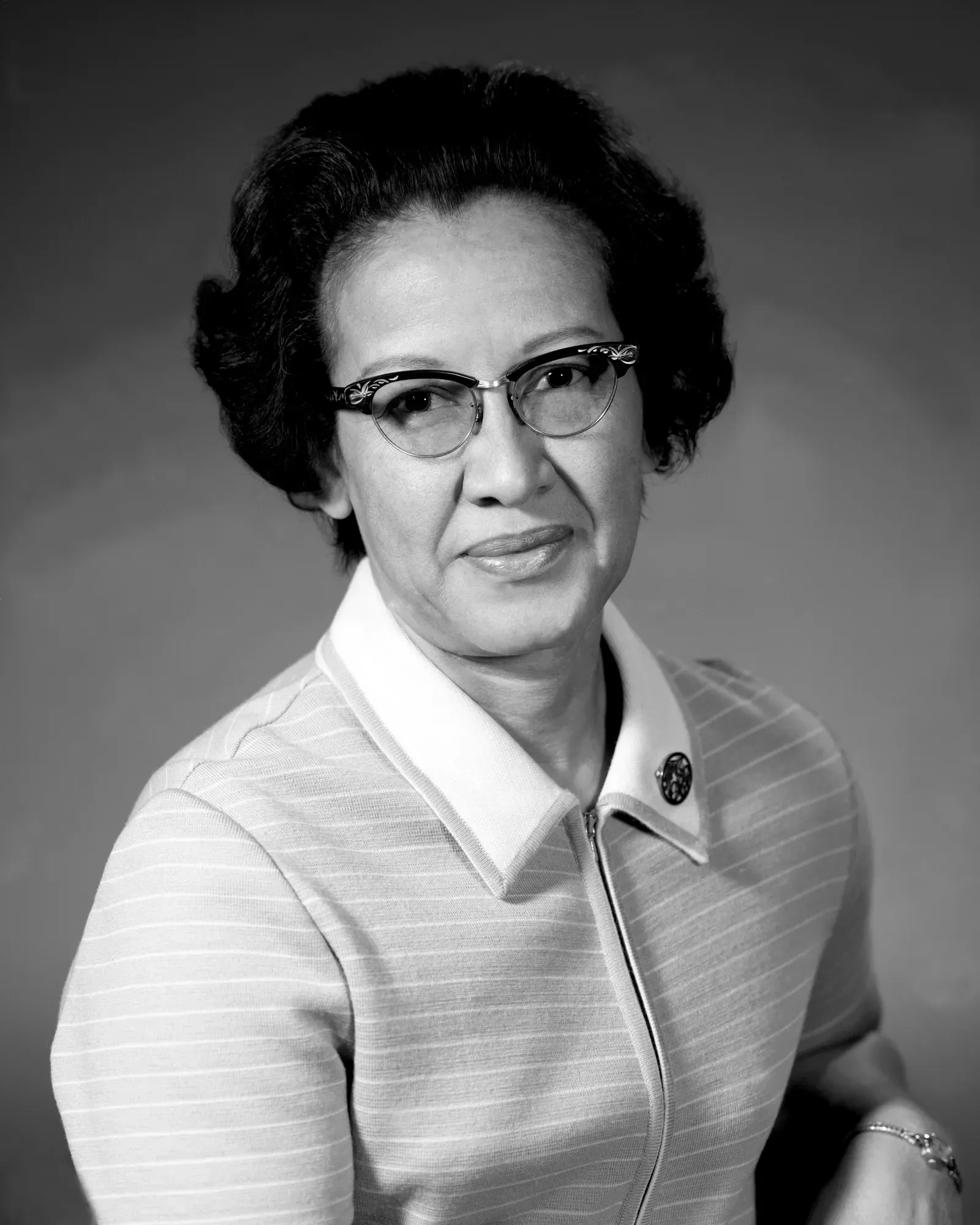
Katherine Johnson confirmed the trajectory analysis that took Alan Shepard, the first American to travel into space, verified the calculations that plotted John Glenn’s orbit around Earth, and helped to hire and promote women in NASA careers, but likely due to the fact that she was Black and a woman, it took years for her to get proper recognition, finally receiving the Presidential Medal of Freedom in 2015 from Barack Obama, and when she died in 2020 at the age of 101, NASA’s Washington DC headquarters were named in her honor. Working as a mathematician at NASA during the space race, Johnson’s calculations were essential to the success of American space missions.
Johnson began her career when human “computers” performed complex mathematical calculations by hand, work that was essential but rarely acknowledged. Her precision and expertise became legendary at NASA, with astronauts specifically requesting that she verify computer calculations before missions. John Glenn famously refused to fly until Johnson had personally checked the numbers. Her story gained widespread recognition with the 2016 film “Hidden Figures,” which brought attention to the contributions of Black women mathematicians at NASA. Johnson’s late recognition illustrates how intersecting barriers of race and gender kept brilliant scientists in the shadows, even as their work made history possible.
The Matilda Effect and Ongoing Challenges

In 1993, American historian Margaret Rossiter dubbed the systematic suppression of women’s contributions to scientific progress the “Matilda effect,” after US rights activist Matilda Joslyn Gage. This phenomenon, where women’s scientific achievements are attributed to male colleagues or simply forgotten, remains evident today. Studies have shown that female scientists often face systemic barriers that hinder their career advancement and recognition. A recent UNESCO report, Changing the Equation: Securing STEM Futures for Women from 2024, unearthed an alarming statistic, finding that over a third of women reported sexism, harassment, or gender-based violence as being a top challenge.
The statistics paint a sobering picture of persistent inequality. In 2023, a UN report found that women made up only 35% of STEM graduates and 22% of the STEM workforce in the G20 countries. Beyond representation, women face tangible disadvantages in funding and compensation. A study found that female authors of scientific work earn, on average, five to six percent less than their male counterparts, with the gap remaining even after accounting for individual and job-related factors and not being reflective of any lower quality of work by women. These barriers compound over careers, limiting opportunities for advancement and ensuring that brilliant minds continue to be overlooked simply because of their gender.
The women profiled here represent only a fraction of those whose contributions have been marginalized or forgotten. From Rosalind Franklin’s crucial X-ray crystallography to Katherine Johnson’s precise calculations that sent humans to space, these scientists fundamentally changed our world. Their stories illuminate not just individual brilliance, but the systemic barriers that have kept women’s achievements in the shadows. Recognizing these overlooked pioneers is not merely about correcting historical records. It is about acknowledging that science advances through diverse contributions and that progress requires ensuring all voices are heard and valued.