



The Nobel Prize in Literature comes with massive prestige. Authors who win it suddenly find their names etched into history. Their speeches get analyzed, their personal lives become public interest, and their book sales often skyrocket. At least, that’s what we assume happens.
But here’s the thing – not every Nobel laureate becomes a household name. Some incredible novels, despite carrying that golden stamp of approval, vanish into obscurity. They sit quietly on library shelves, gathering dust while everyone argues about whether the latest Booker winner deserved their prize. It’s puzzling, really. These books were deemed worthy of the world’s most celebrated literary honor, yet most readers couldn’t name them if their life depended on it.
Let’s explore some of these forgotten gems. You might be surprised by what slipped through the cracks.
Sully Prudhomme’s “La Justice” (1901)

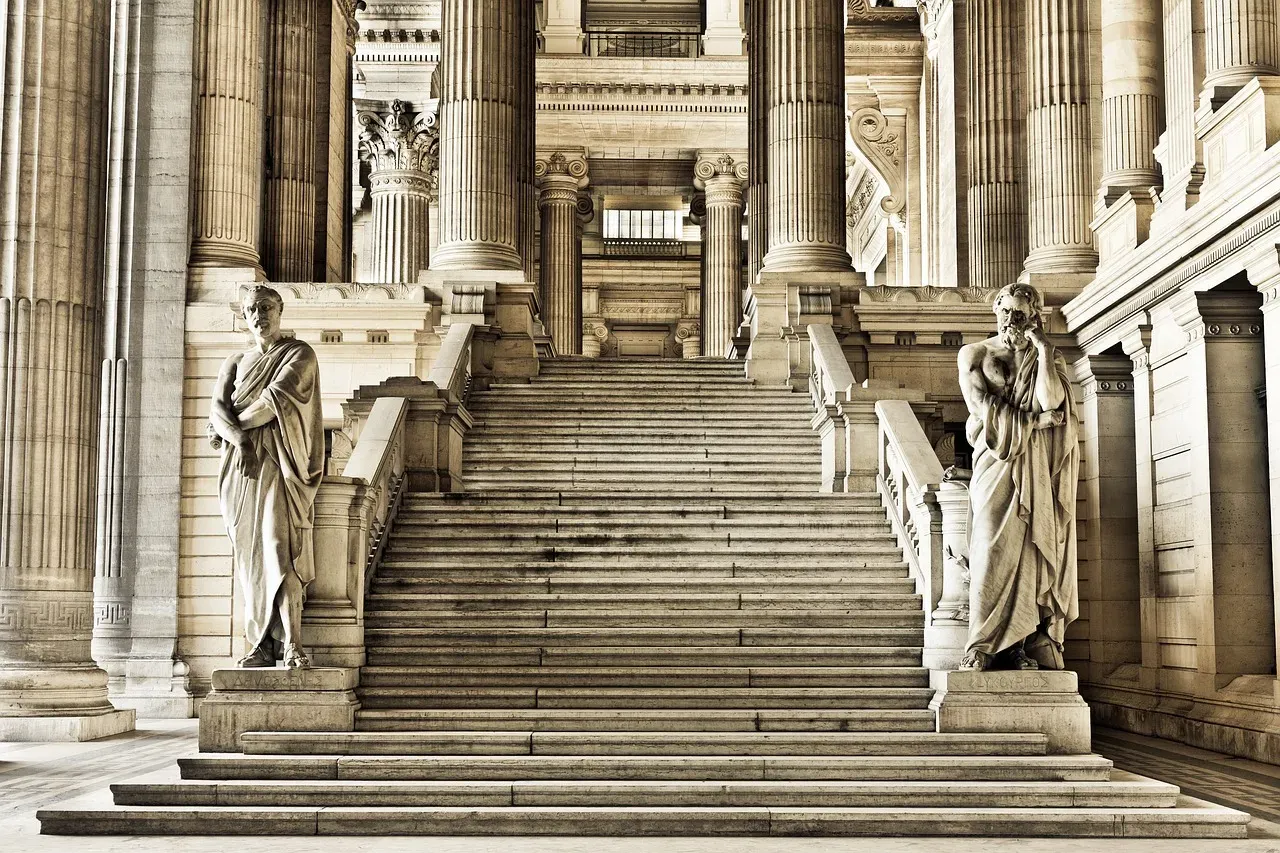
Sully Prudhomme was the very first person to win the Nobel Prize in Literature, back when the award was shiny and new. His philosophical poem “La Justice” explores morality, society, and the human condition with remarkable depth. The French poet believed literature should elevate the soul, and he certainly tried.
Yet today, almost nobody reads him. Even in France, his work feels like a museum piece – respected but rarely touched. Part of the problem might be timing. He won at a moment when the Nobel committee was still figuring out what they valued, and philosophical poetry simply doesn’t capture modern attention the way novels do.
His dense, contemplative style requires patience. We live in an age of instant gratification, and Prudhomme demands you slow down and think. That’s not exactly a winning formula for mass appeal.
Grazia Deledda’s “Reeds in the Wind” (1926)

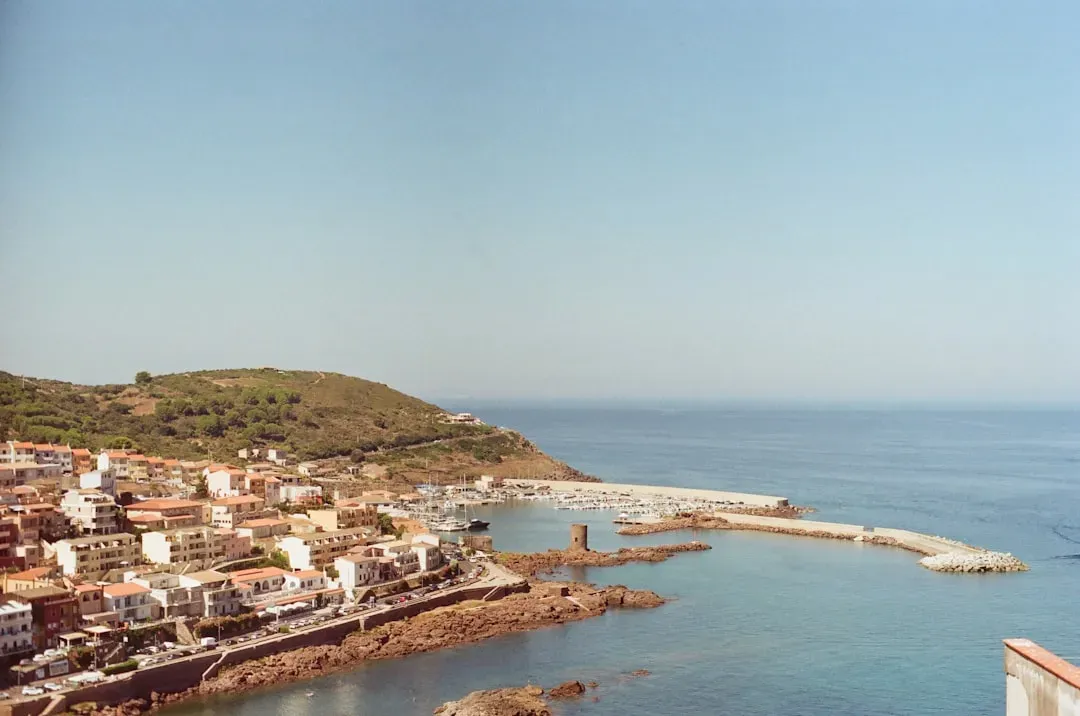
Grazia Deledda brought rural Sardinia to life with stunning authenticity. “Reeds in the Wind” tells the story of a declining aristocratic family struggling against poverty and pride. The landscape itself becomes a character, harsh and beautiful, shaping the people who live there.
She was only the second woman to win the Nobel Prize in Literature, which should have cemented her legacy. Instead, she’s been largely forgotten outside Italy. Maybe it’s because her work feels deeply rooted in a specific place and time, making it harder for global audiences to connect.
Or maybe we just got distracted by louder voices. Either way, her prose captures something raw about human dignity that still resonates if you give it a chance.
Sigrid Undset’s “Kristin Lavransdatter” (1928)


This massive Norwegian trilogy follows a woman’s life in medieval Scandinavia, from passionate youth through difficult marriage to spiritual awakening. Undset spent years researching the period, and it shows. Every detail feels lived-in and real.
The books won her the Nobel Prize, but good luck finding someone under fifty who’s read them. Part of the challenge is length – we’re talking over a thousand pages total. That’s a serious commitment in an era when people complain about books being too long at three hundred pages.
Still, the emotional honesty is breathtaking. Kristin makes terrible choices, hurts people she loves, and struggles with faith and desire in ways that feel completely contemporary despite the medieval setting. It’s just that getting through all those pages requires dedication most readers don’t have anymore.
Frans Eemil Sillanpää’s “People in the Summer Night” (1939)


Finnish literature rarely breaks through internationally, and Sillanpää proves why that’s unfortunate. His novel captures one midsummer night in rural Finland, following various characters as they experience love, loss, and everything between. The prose has this dreamy, almost hypnotic quality.
He won the Nobel Prize partly for bringing Finnish life to global attention. But translation challenges probably hurt his legacy. Something gets lost when you move between languages, especially with a writer so attuned to the rhythms and textures of his native tongue.
Also, let’s be real – “meditative novel about Finnish farmers” is not exactly grabbing readers by the collar. The book requires you to sink into its mood rather than race through plot twists. Most modern readers simply aren’t interested in that kind of experience.
Halldór Laxness’s “Independent People” (1955)


Icelandic literature got its moment in the spotlight with Laxness, who wrote about stubborn sheep farmers battling impossible odds. “Independent People” follows Bjartur, a man so determined to remain independent that he destroys everything he touches. It’s bleak, darkly funny, and absolutely brilliant.
So why isn’t everyone reading it? Possibly because it’s relentlessly harsh. Bjartur makes terrible decisions, and we watch his family suffer for his pride. There’s beauty in the writing, but it’s beauty wrapped around something deeply uncomfortable. Not exactly beach reading.
The Icelandic landscape looms over everything, cold and unforgiving. Laxness makes you feel that harshness in your bones. It’s powerful stuff, just not particularly fun.
Nelly Sachs’s “Eli: A Mystery Play of the Sufferings of Israel” (1966)


Nelly Sachs wrote poetry and plays about the Holocaust, trying to capture the unspeakable. “Eli” presents the horrors through a young shepherd boy who becomes a chimney sweep in Nazi-occupied territory. It’s symbolic, spiritual, and devastating.
She shared the Nobel Prize with Shmuel Yosef Agnon, and both have faded from popular consciousness despite writing about history’s darkest chapter. Perhaps because we’ve become oversaturated with Holocaust narratives, or perhaps because her mystical approach feels difficult for modern readers.
The play demands engagement with its symbolism. It won’t hand you easy answers or comfortable catharsis. That’s probably exactly why it matters, but it’s also why most people avoid it.
Harry Martinson’s “Aniara” (1974)


Swedish poet Harry Martinson wrote an epic poem about a spaceship carrying refugees from a destroyed Earth, drifting endlessly through space. “Aniara” blends science fiction with profound meditation on humanity’s future. It’s weird, ambitious, and genuinely unsettling.
He shared the Nobel Prize that year, and the selection proved controversial. Some critics thought the Swedish Academy was being too nationalist by honoring one of their own. That controversy may have tainted his legacy unfairly.
Also, epic poetry about space doesn’t fit neatly into any marketing category. Is it science fiction? Literary fiction? Poetry? When something defies easy categorization, it tends to slip through the cracks, no matter how good it is.
Vicente Aleixandre’s “Shadow of Paradise” (1977)


Spanish surrealist poetry doesn’t exactly dominate bestseller lists, which explains why Aleixandre remains obscure outside Spain. “Shadow of Paradise” creates lush, dreamlike landscapes where desire and nature intertwine in ways that feel both erotic and spiritual.
The Nobel committee praised his “creative poetic writing which illuminates man’s condition in the cosmos.” Beautiful words, but they don’t exactly tell you what to expect when you open his books. His imagery can be challenging, requiring readers to embrace ambiguity and emotional resonance over literal meaning.
During Franco’s dictatorship, he remained in Spain when many intellectuals fled. That isolation may have limited his international reach, even after winning the prize.
Elias Canetti’s “Auto-da-Fé” (1981)


Canetti’s only novel tells the story of a reclusive sinologist whose carefully ordered world collapses into madness. “Auto-da-Fé” is dark, claustrophobic, and intensely psychological. The protagonist’s descent feels inevitable and horrifying.
He won the Nobel Prize decades after writing the book, which might explain why it never caught fire. By the time he got recognized, literary tastes had shifted dramatically. Plus, it’s not an easy read. The main character is deeply unlikeable, and the whole thing has this oppressive atmosphere that makes you want to put it down and go outside.
But that discomfort is kind of the point. Canetti was writing about intellectual isolation and the fragility of rational order. He succeeded brilliantly, just not in a way that makes people want to recommend it at book clubs.
Jaroslav Seifert’s “The Poetry of Jaroslav Seifert” (1984)


Czech poetry rarely travels well, and Seifert’s work exemplifies the challenge. His poems blend personal memory with Prague’s history, creating intimate portraits of ordinary moments. The Nobel committee called him “an instrument of catharsis.”
But translation issues plague his legacy. Poetry depends so heavily on sound, rhythm, and wordplay that moving between languages inevitably loses something crucial. What reads beautifully in Czech can feel flat in English.
He also wrote during Czechoslovakia’s complicated political era, and his work reflects that specific context. Readers without that background might struggle to appreciate the full weight of his references and allusions. It’s a shame, because his tenderness toward everyday life feels genuinely moving.
Claude Simon’s “The Flanders Road” (1985)


French nouveau roman writer Claude Simon constructed novels that rejected traditional narrative structure. “The Flanders Road” recreates fragmented memories of war and defeat, with sentences that spiral and loop back on themselves. It’s challenging, experimental, and absolutely not for everyone.
The Nobel Prize recognized his innovative approach to storytelling, but experimental literature rarely finds mass audiences. Readers generally want clear plots and relatable characters, and Simon deliberately denied them both. His work demands active participation, forcing you to construct meaning from fragments.
That’s brilliant if you’re into it, but most people aren’t. They want to relax with a book, not wrestle with it.
Wole Soyinka’s “The Interpreters” (1986)


Soyinka became the first African Nobel laureate, and “The Interpreters” showcases why he deserved the honor. The novel follows a group of young Nigerian intellectuals navigating post-independence society, trying to figure out what their country’s future should look like.
So why isn’t everyone reading it? Partly because African literature still struggles for recognition outside the continent. Western publishing has been slow to embrace African voices, and even Nobel recognition couldn’t fully overcome that barrier.
The novel also requires some knowledge of Nigerian culture and history to fully appreciate. Soyinka doesn’t hold your hand or explain context. He assumes you’ll do the work, which is refreshing but can alienate casual readers.
Conclusion
These overlooked masterpieces prove that even the Nobel Prize can’t guarantee lasting fame. Reading tastes change, translation challenges persist, and sometimes brilliant books just slip through the cracks of cultural memory. That doesn’t make them less valuable. If anything, their obscurity makes discovering them feel like finding hidden treasure.
Maybe some books aren’t meant for mass audiences. Maybe they’re waiting for the right reader at the right moment to unlock their power. The Nobel committee recognized their worth, and that matters, even if the reading public moved on. These novels still exist, still wait on shelves, still offer their particular visions to anyone willing to look.
What do you think about these forgotten Nobel winners? Have you read any of them? Tell us in the comments.


