


History has a habit of forgetting certain people. Specifically, a certain kind of person. Women whose ideas were borrowed, whose research was stolen, whose labor built the foundation of the modern world, often without so much as a footnote in the textbook.
Whether supporting war efforts abroad, fighting discrimination at home, or inventing new scientific methods, women are equally responsible for the growth of a free, modern society as men. Yet history textbooks have been written and curated largely by men, who have time and again squeezed women out of the narratives. The result? A vast, glittering gallery of forgotten greatness. Let’s change that, one story at a time.
Rosalind Franklin: The Woman Behind the Double Helix

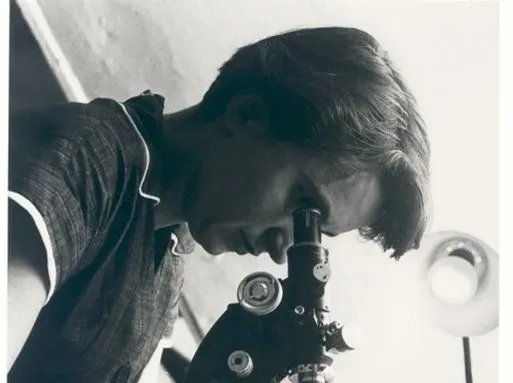
Here is a story that still makes scientists genuinely angry. In school, children learn that the double helix structure of DNA was discovered by Watson and Crick, but it was crystallography expert Rosalind Franklin who took the game-changing X-ray known as “Photo 51” in 1952. Taking the photo itself was a huge challenge, but it took Franklin another year to fully interpret and describe the double helix structure we know today.
After seeing Franklin’s photo and her unpublished notes, scientists Francis Crick and James Watson announced their discovery to the world without sharing the credit with her. They were awarded the Nobel Prize in Physiology or Medicine in 1962. Franklin received nothing.
Franklin died from ovarian cancer in 1958, possibly a result of her work with radiation, but her work on viruses and DNA continued to change the fields of science after her death. One of history’s most consequential scientific thefts, still not fully reckoned with.
Katherine Johnson: The Human Computer Who Got America to the Moon

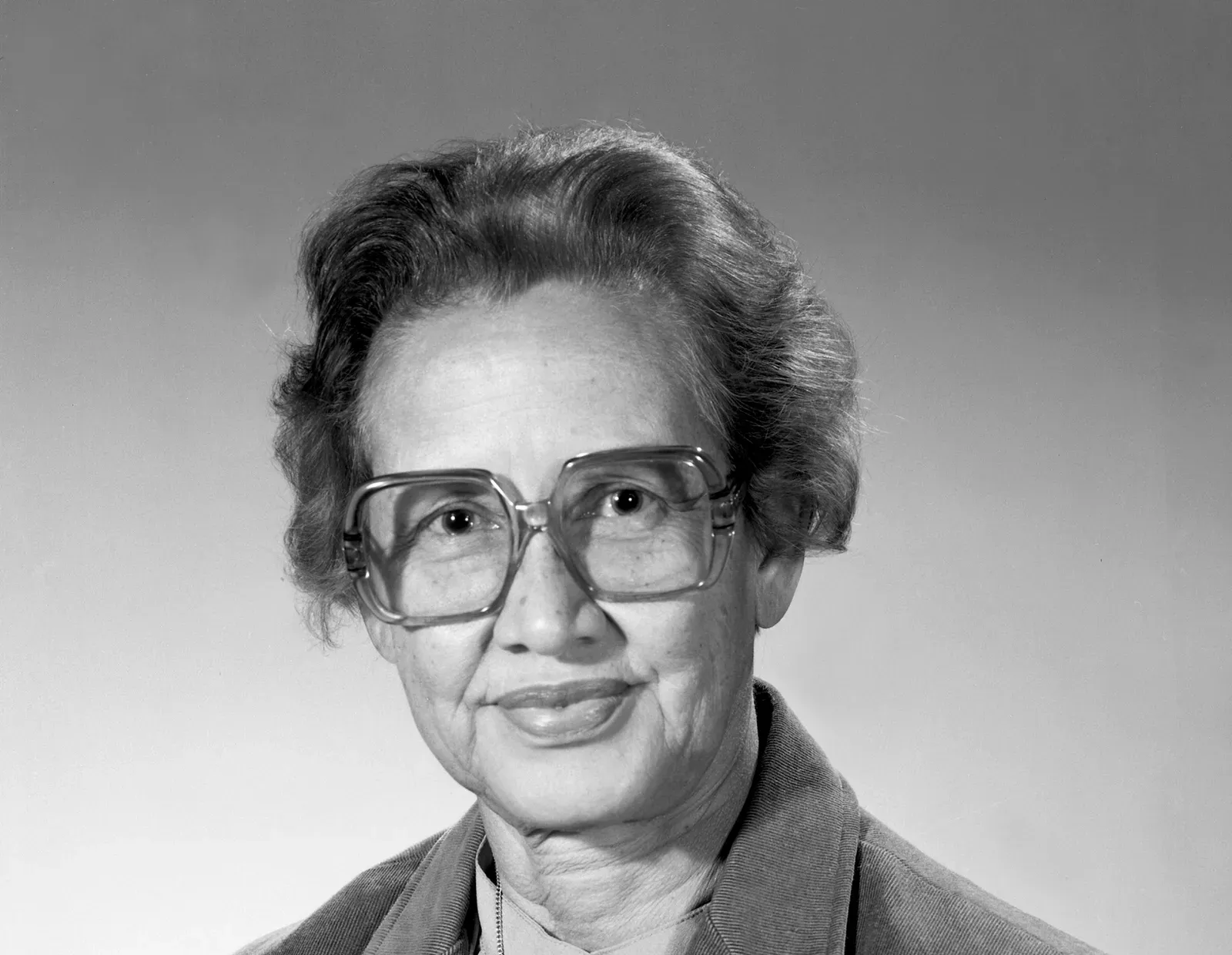
Katherine Johnson was an American human computer whose calculations of orbital mechanics as a NASA employee were critical to the success of the first and subsequent U.S. crewed spaceflights. During her 33-year career at NASA and its predecessor, she earned a reputation for mastering complex manual calculations and helped pioneer the use of computers to perform tasks previously requiring humans.
The computers had been programmed with the orbital equations for John Glenn’s Friendship 7 mission, but the astronauts were wary of putting their lives in the care of electronic machines. As part of the preflight checklist, Glenn asked engineers to get Johnson to run the same numbers by hand. “If she says they’re good,” the astronaut reportedly said, “then I’m ready to go.”
At 1950s and 60s NASA, women’s place was considered lowly. They didn’t speak at meetings or get their names acknowledged as authors of reports. In 1960, Johnson’s efforts helped her become the first African American and the first woman to have her name on a NASA research report. It took until 2016, and the blockbuster film “Hidden Figures,” for the wider world to truly know her name.
Lise Meitner: The Physicist Denied the Nobel Prize 48 Times

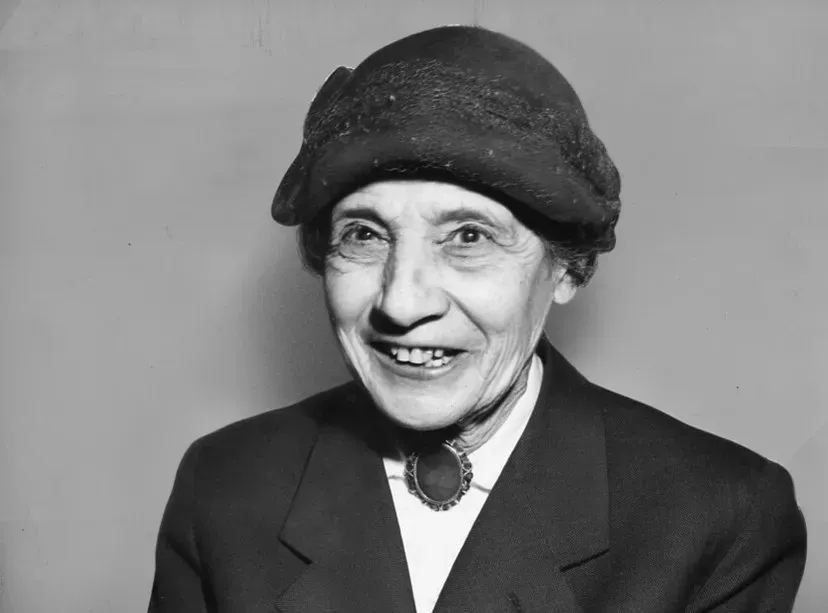
Austrian-Swedish Lise Meitner was dubbed “the German Marie Curie” by Einstein himself. Meitner was the first woman to be a professor of physics in Germany, though the Nuremberg Laws and Anschluss forced her to flee her home. She discovered nuclear fission while in exile, but it was her male collaborator who won the Nobel Prize.
When a Nobel Prize was awarded to Hahn for “his discovery of the fission of heavy nuclei” in 1945, Meitner was never mentioned. She was nominated 48 times for Physics and Chemistry Nobel Prizes but never won. Forty-eight times. Let that sink in.
In 1966, Meitner was finally recognized for her contributions to nuclear fission when the U.S. awarded her the Enrico Fermi Award alongside Hahn and Strassman. She passed away two years later. Recognition came, but only barely in time.
Frances Perkins: The Architect of the American Worker’s Rights

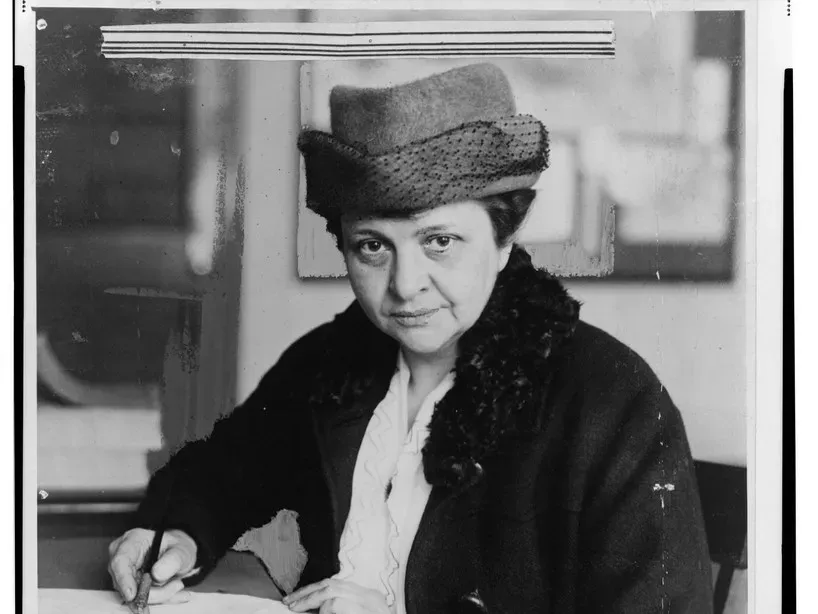
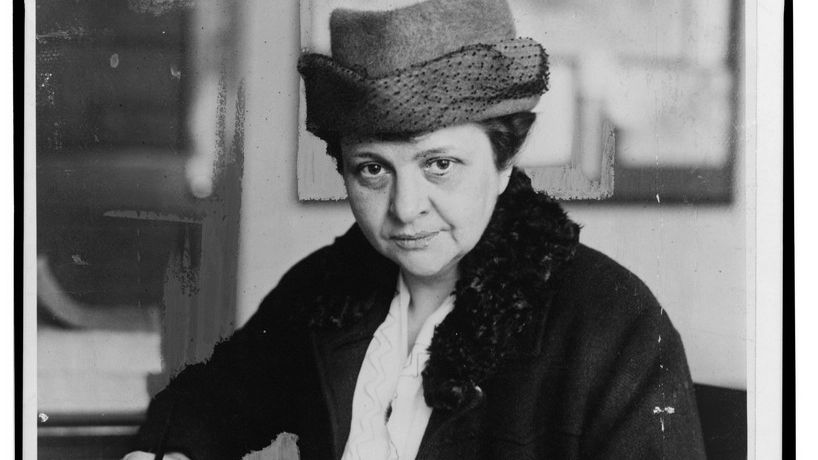
Honestly, this one might be the most staggering omission of all. Frances Perkins, FDR’s Secretary of Labor and the first woman to serve as a cabinet secretary, was the driving force behind the New Deal, credited with formulating policies to shore up the national economy following the nation’s most serious economic crisis and helping to create the modern middle class.
She was a central force behind the Social Security Act of 1935, which created a retirement program for workers, unemployment insurance, and mandated compensation for work-related accidents. Perkins also drafted the Fair Labor Standards Act of 1938, banning child labor and establishing a minimum wage and 40-hour work week.
Many Americans have never heard of Frances Perkins, and some only know her because of her historic appointment as the first woman cabinet secretary. However, she was also the longest-serving labor secretary in American history, a key architect of the New Deal, and an advocate for immigrants at the helm of the Immigration Naturalization Service. The weekend you enjoy every week? She helped build it.
Eunice Newton Foote: The First Scientist to Describe the Greenhouse Effect


Climate change is one of the defining conversations of our era. Few people know that the scientific foundation for it was laid by a woman who was not even allowed to present her own findings. The greenhouse effect is a discovery often credited to British scientist John Tyndall. But it was actually the pioneering scientist and women’s rights activist Eunice Foote who first theorized and demonstrated it. In the 1850s, she performed a series of experiments filling glass cylinders with different gases, placed them in the sun, and measured temperature changes. Her findings demonstrated that the sun’s rays are warmest when shining through carbon dioxide.
In 1857, she published her groundbreaking findings in the American Journal of Science, but was largely overlooked. She even had to ask a male colleague to present her findings at a scientific conference because she was not allowed to do so herself.
Despite publishing her results three years before Tyndall, he was credited with discovering the greenhouse effect until recently. Today, climate scientists seeking to right past wrongs are pushing to give Foote her due credit and recognition for her early discoveries. A woman who essentially predicted the climate crisis, erased from the story.
Mary Anning: The Fossil Hunter Who Rewrote Paleontology

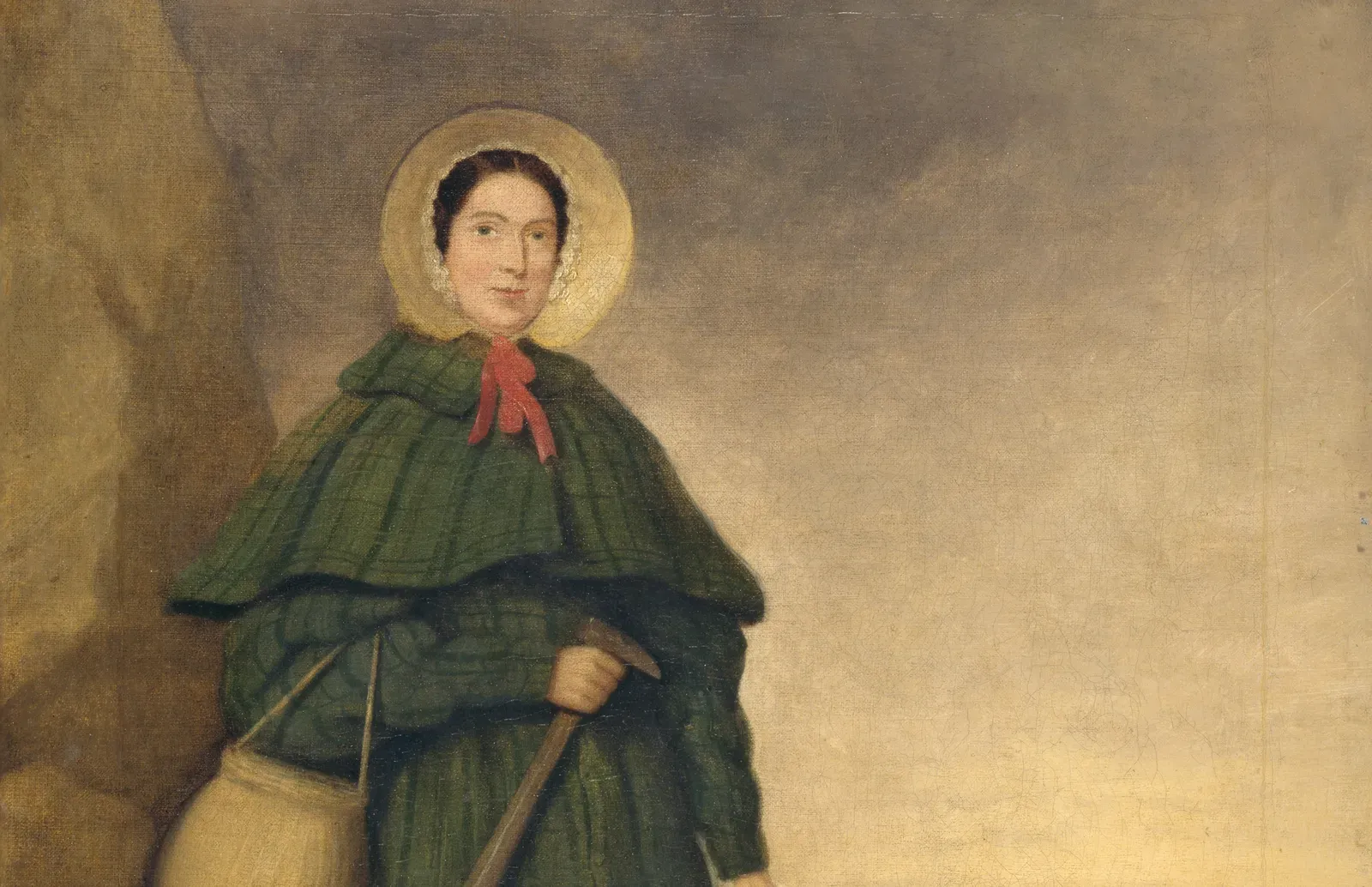
Born in Lyme Regis, England, Mary Anning is known to some as one of the greatest fossilists to date. Many social factors of the era worked against her. Anning came from an impoverished family, lacked a formal education, and the fact that she was a woman kept her out of scientific discussions, even when she contributed the fossil evidence.
Alongside her brother, Anning discovered one of the first significant ichthyosaur fossils, which provided the data for the very first scientific paper on the specimen. She is also credited with finding one of the first complete plesiosaur fossils, discovering the fossil fish which drew an evolutionary bridge between sharks and rays, and uncovering fossilized feces that provided key information to deduce the diets of ancient animals.
Think about that. A self-taught working-class woman, scrambling up cliff faces in 19th century England, producing discoveries that reshaped human understanding of prehistoric life. None of this kept her from shaping the growing paleontological science and shedding light on some of evolution’s big mysteries. Yet she was barred from the scientific societies that freely used her work.
Alice Ball: The Chemist Who Cured Leprosy, Then Lost Her Name

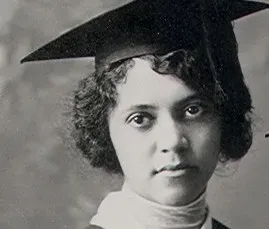
This story is one of the most heartbreaking in the entire gallery of forgotten women. Ball was a pioneering African American chemist who developed the first effective treatment for leprosy. She tragically died at only 24 years old, and her work was initially credited to a man. It took decades for her contributions to be acknowledged, even though her method saved countless lives.
Let’s be real: a 24-year-old woman developed a cure that helped patients who had been suffering for centuries, and a male colleague simply published the research as his own. Her method, known as the “Ball Method,” was renamed by the man who stole it.
It was not until the early 2000s that the University of Hawaii officially recognized Ball’s contribution with a commemorative plaque and the designation of a Ball Day. Historically, science has been a male-dominated field. Despite dramatic increases in representation over the last 40 years, globally fewer than 30 percent of researchers today in STEM careers are women. Alice Ball’s story shows exactly how that imbalance was engineered.
Annie Jump Cannon: The Woman Who Classified 350,000 Stars

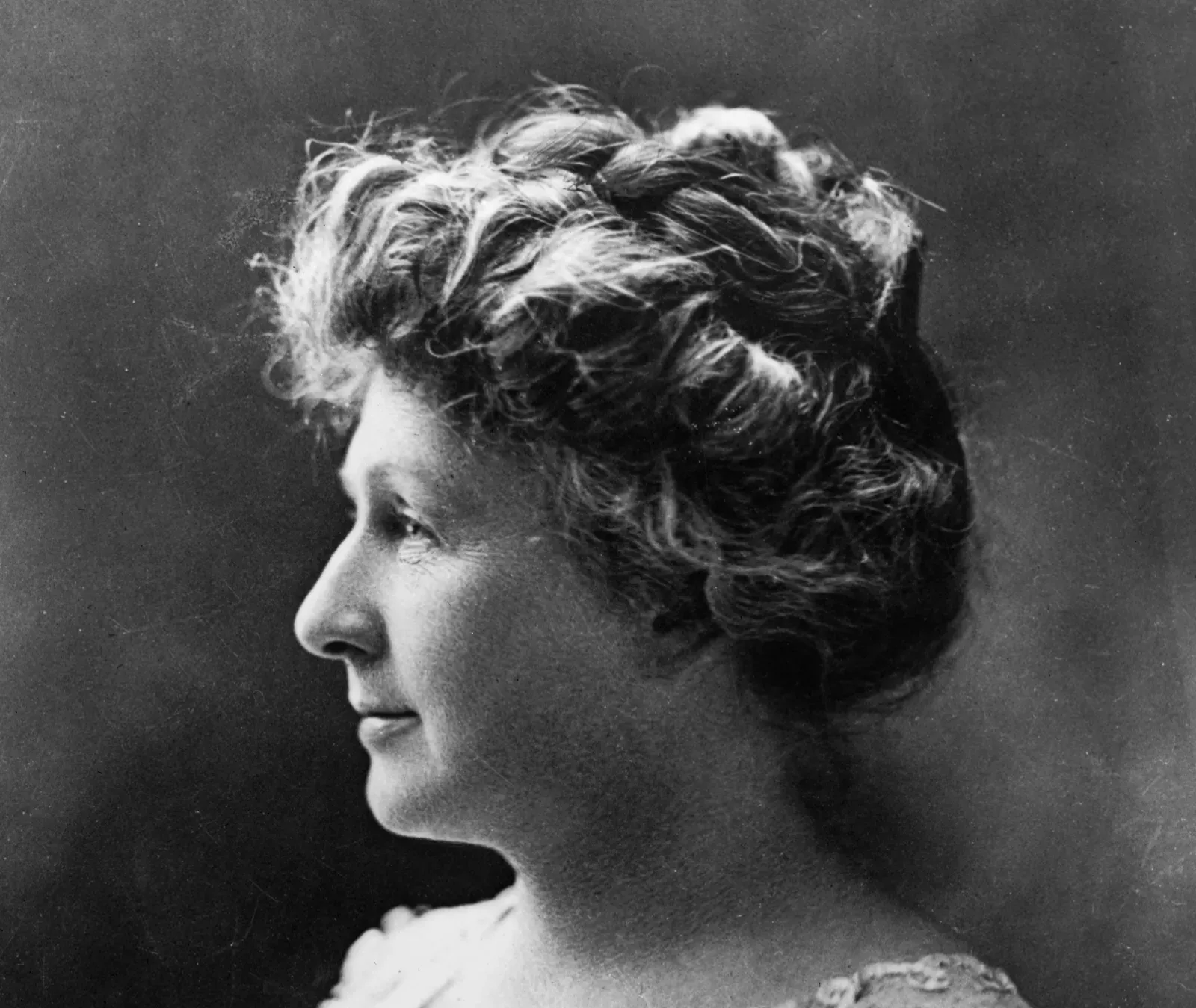
Originally hired as a “female computer,” the term used in the late 19th century for those who did calculations, Annie Jump Cannon performed work that was considered unspecialized and tedious. Yet her legacy would soon be written in the stars. Cannon is the astronomer best known for coming up with the current system of stellar classification.
Over the course of her distinguished life, Cannon classified the spectra of over 350,000 stars. Legend has it that she could look at any stellar spectra and classify it in just three seconds. Critics note that Edward Charles Pickering, director of the Harvard College Observatory, received much more credit than the women who did the work.
Annie Jump Cannon’s enduring achievement was dubbed the Harvard, not the Cannon, system of spectral classification. Cannon is the poster child for a remarkable woman who got squeezed out of male-written and male-dominated history books. Every time we name a star type, we are, unknowingly, using her work.
Marthe Gautier: Who Discovered the Chromosome Behind Down Syndrome

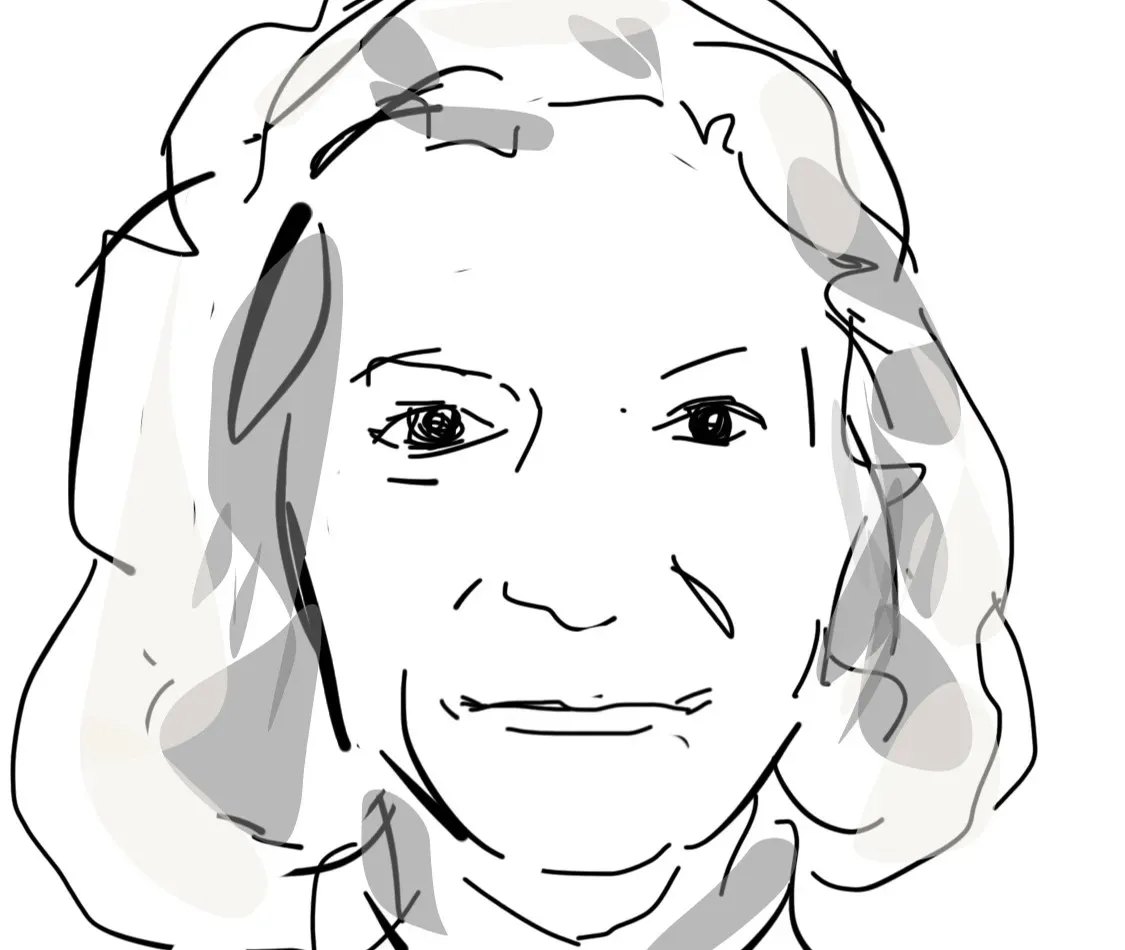
In 1993, American historian Margaret Rossiter dubbed the systematic suppression of women’s contributions to scientific progress the “Matilda effect,” after U.S. rights activist Matilda Joslyn Gage. Few cases illustrate this “Matilda effect” more clearly than that of Marthe Gautier.
Gautier discovered that people with Down’s syndrome had an extra chromosome in 1958. When she was unable to identify the exact chromosome with her lower-power microscope, she lent her slides to geneticist Jerome Lejeune. She was then “shocked” to see the discovery published six months later, with Lejeune’s name first and hers second, and her name misspelled.
It was not until 1994 that the ethics committee of France’s INSERM medical research institute concluded that Lejeune was unlikely to have played the “dominant” role in the discovery. Even today, the role played by women in scientific history is under-represented in school textbooks. It took 36 years to begin correcting the record on just this one case.
Patsy Takemoto Mink: The Forgotten Architect of Title IX

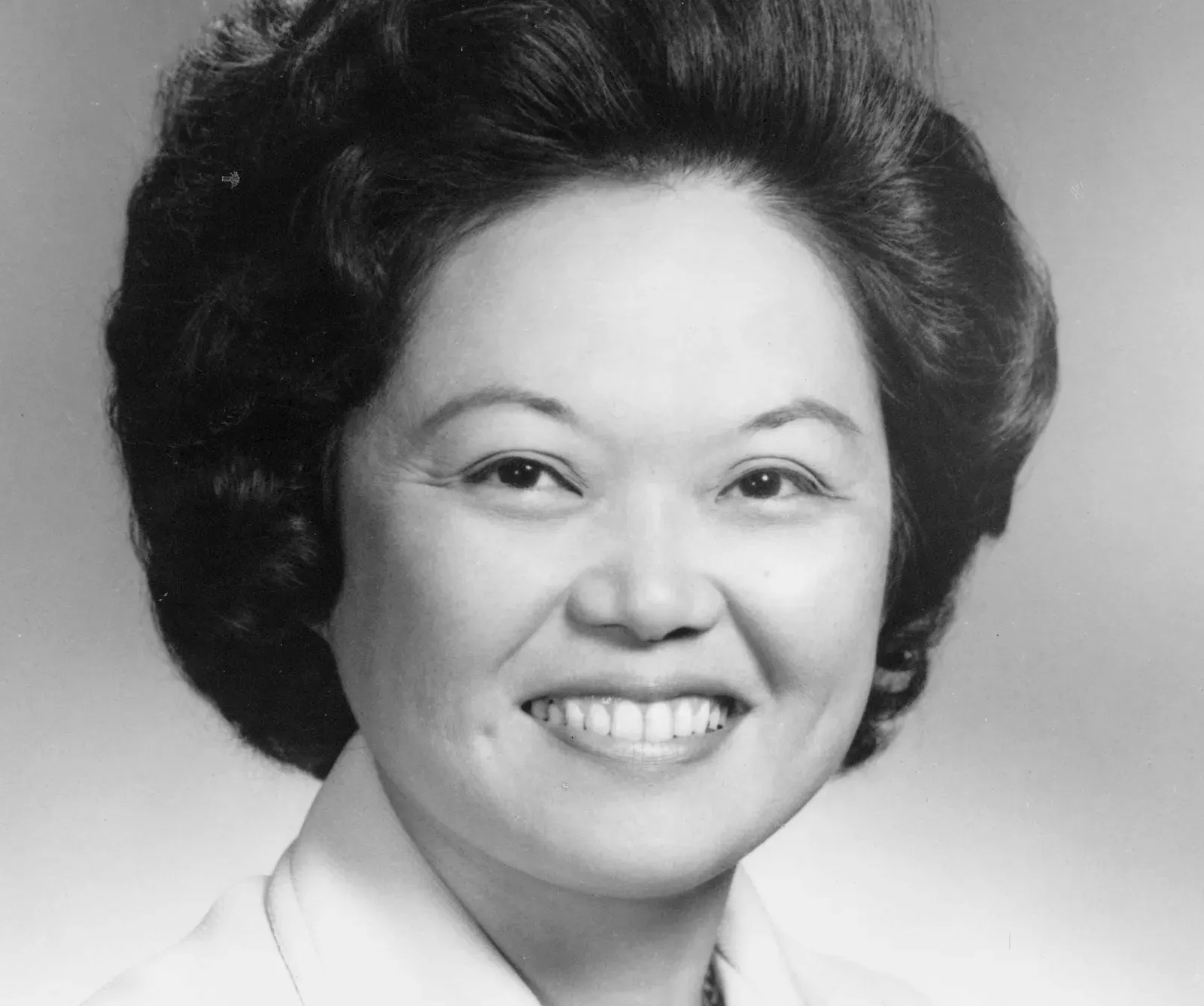
The daughter of Japanese immigrants, Mink studied at the University of Nebraska and, despite rampant racism, became a campus leader against segregation, successfully lobbying to end her institution’s discriminatory policy. After getting a law degree and passing the bar exam, Mink ran for a seat in the U.S. House of Representatives in 1964, and she won. She served in Congress from 1964 to 1977, and from 1990 to 2002.
Her signature and most impactful piece of legislation was Title IX. Usually credited primarily to her co-sponsor, Indiana Senator Birch Bayh, the law banned gender discrimination in school programs, sports, and activities. It allowed for women’s sports to be more prominent and receive funding commensurate with that of men’s programs.
Title IX transformed American women’s athletics and academic opportunity. Millions of girls and young women have grown up competing in sports, earning scholarships, and accessing equal education because of this law. There are countless women of the past who’ve played a role in shaping the world as we know it today. Unfortunately, because of various factors, from systemic sexism to male historians downplaying women’s achievements, many women who deserve credit don’t get their due. Patsy Mink is a perfect, infuriating example of exactly that.
Conclusion: The Gallery Is Far From Complete

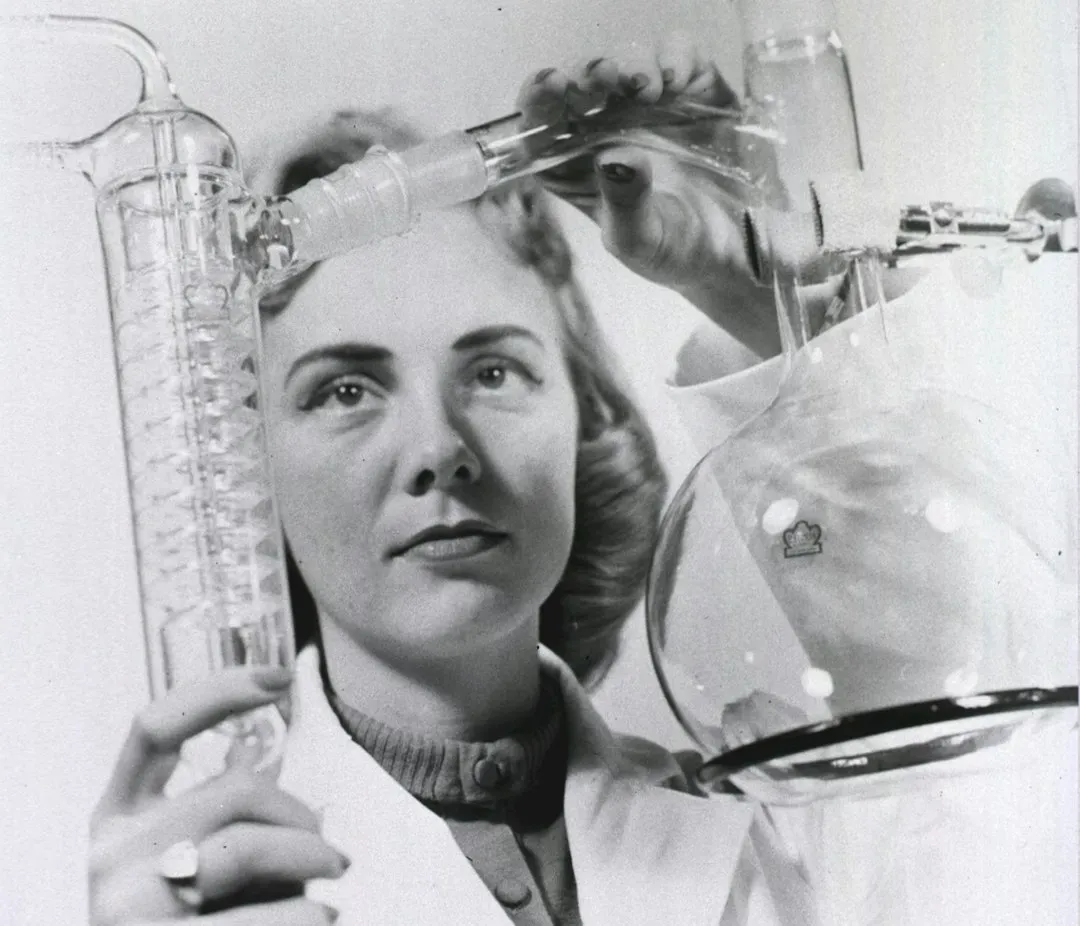
These ten women are not anomalies. They are representative of a much larger, largely invisible archive of erased contributions. The pattern is consistent: a woman does groundbreaking work, a man takes the credit, and history moves on. It took decades, sometimes over a century, for each of these stories to surface.
The good news is that the reckoning is real. Researchers, historians, and educators are actively working to restore these names to the record. The “Matilda effect,” as historian Margaret Rossiter named it, is now a recognized phenomenon in scientific literature, and awareness of it is growing fast.
Still, awareness alone is not enough. The next generation of students deserves to open a textbook and find these women already there, not stumble upon them by accident years later. History does not erase people on its own. People erase people. Which means people can choose to remember, too. Who else do you think history has been getting wrong?


