There’s something magical about a debut album that hits so perfectly, the artist can never quite recapture that lightning in a bottle. You know the ones. They arrive seemingly out of nowhere, reshape the musical landscape, and leave us wondering how anyone could follow up something so flawless. It’s not that these artists went on to make bad music. Far from it. Many continued to release critically acclaimed work. But that first record? It was something else entirely.
Let’s be real, most musicians spend years honing their craft before releasing their debut. They pour everything they have into that moment. Every emotion, every risk, every bold idea gets thrown into the mix. The result can be explosive. Sometimes, though, that initial burst of creativity sets a bar so impossibly high that even the artist themselves can’t climb back over it. So let’s dive into fifteen debut albums that absolutely nailed it the first time around.
The Velvet Underground & Nico – A Revolution in Sound

When The Velvet Underground dropped their first album in 1967, nobody knew what hit them. Lou Reed and company created something so ahead of its time that it barely registered commercially. The album sold poorly at first, yet its influence spread like wildfire through the underground music scene.
That iconic banana cover designed by Andy Warhol became one of the most recognizable images in rock history. The music inside was raw, experimental, and unapologetically dark. Songs like “Heroin” and “I’m Waiting for the Man” tackled subjects most artists wouldn’t touch with a ten foot pole.
The Velvet Underground went on to make three more studio albums, each interesting in its own right. None of them, however, carried the same revolutionary impact as that first record. It remains the blueprint for alternative rock, punk, and countless other genres that followed.
Guns N’ Roses – Appetite for Destruction Changed Everything
In 1987, five guys from Los Angeles released what would become the best selling debut album in American history. Appetite for Destruction sold over thirty million copies worldwide and redefined hard rock for a generation. Every single track on that record could have been a single.
Axl Rose’s voice was unlike anything on the radio. Slash’s guitar work was both technical and deeply soulful. The band captured something dangerous and real that had been missing from rock music for years. They weren’t playing characters. They were living it.
Guns N’ Roses released Use Your Illusion I and II four years later, which were commercial successes. But those double albums felt bloated and overly ambitious compared to the lean, mean punch of Appetite. Nothing they did afterward came close to matching that debut’s raw energy and perfect song selection.
The Strokes – Is This It Saved Rock Music
Let’s talk about 2001. Rock music was supposedly dead, killed off by boy bands and pop divas. Then five guys from New York showed up with Is This It and suddenly guitar music mattered again. The album sounded fresh yet timeless, like it could have been recorded in 1977 or 2021.
Julian Casablancas sang through a lo-fi filter that made every word sound urgent and immediate. The guitar interplay between Nick Valensi and Albert Hammond Jr. was intricate but never showy. Songs were short, sharp, and addictive. The whole thing clocked in at just over thirty-six minutes.
The Strokes have released five more albums since then. Some are quite good. None have captured the same cultural moment or achieved the same perfect balance between accessibility and edge. Is This It remains their masterpiece, the album everyone returns to.
Lauryn Hill – The Miseducation Stood Alone

Lauryn Hill released The Miseducation of Lauryn Hill in 1998 and basically dropped the mic. She swept the Grammys, taking home five awards including Album of the Year. The record blended hip hop, soul, and reggae in ways that felt completely natural and unprecedented at the same time.
Her lyrics were deeply personal yet universally relatable. She rapped, she sang, she preached, she confessed. Every track felt essential. The production was warm and organic, featuring live musicians alongside hip hop beats. It was a complete artistic statement from start to finish.
Hill has released virtually no new music in the decades since. The occasional live performance and unplugged session, sure. But no follow-up album has materialized. Whether by choice or circumstance, The Miseducation remains her only solo studio album. Maybe she knew nothing could top it. Honestly, she was probably right.
Rage Against the Machine – Fury From the First Note

Rage Against the Machine’s self-titled debut from 1992 exploded with a fury that few records before or since have matched. Tom Morello made his guitar sound like a DJ’s turntables. Zack de la Rocha spit politically charged lyrics with genuine rage. The rhythm section was impossibly tight and heavy.
The album was a perfect storm of punk energy, metal heaviness, hip hop rhythm, and radical politics. It arrived at exactly the right moment culturally, speaking to a generation’s frustration with authority and inequality. The music was innovative without being inaccessible.
The band released three more studio albums, all excellent in their own right. Evil Empire and The Battle of Los Angeles expanded their sound and maintained their political edge. Yet that first album remains their most cohesive and impactful work. It’s the one that announced their arrival and changed the game forever.
Arctic Monkeys – Whatever People Say I Am, That’s What I’m Not

In 2006, four teenagers from Sheffield released the fastest selling debut album in British history. Whatever People Say I Am, That’s What I’m Not sold over three hundred thousand copies in its first week. Alex Turner wrote lyrics about nightclubs, taxi rides, and Saturday nights with a wit and observational skill beyond his years.
The music was raw and energetic, captured with a garage band aesthetic that made it feel immediate and real. Songs like “I Bet You Look Good on the Dancefloor” became instant anthems. The album documented a specific time and place in British youth culture with photographic accuracy.
Arctic Monkeys have evolved considerably over seven albums. They’ve experimented with different sounds, from psychedelic rock to lounge music. Their later work is arguably more sophisticated and musically ambitious. But that debut captured something irreplaceable, a moment of youthful energy and sharp-eyed observation they couldn’t recreate even if they wanted to.
Jeff Buckley – Grace Was Ethereal Perfection
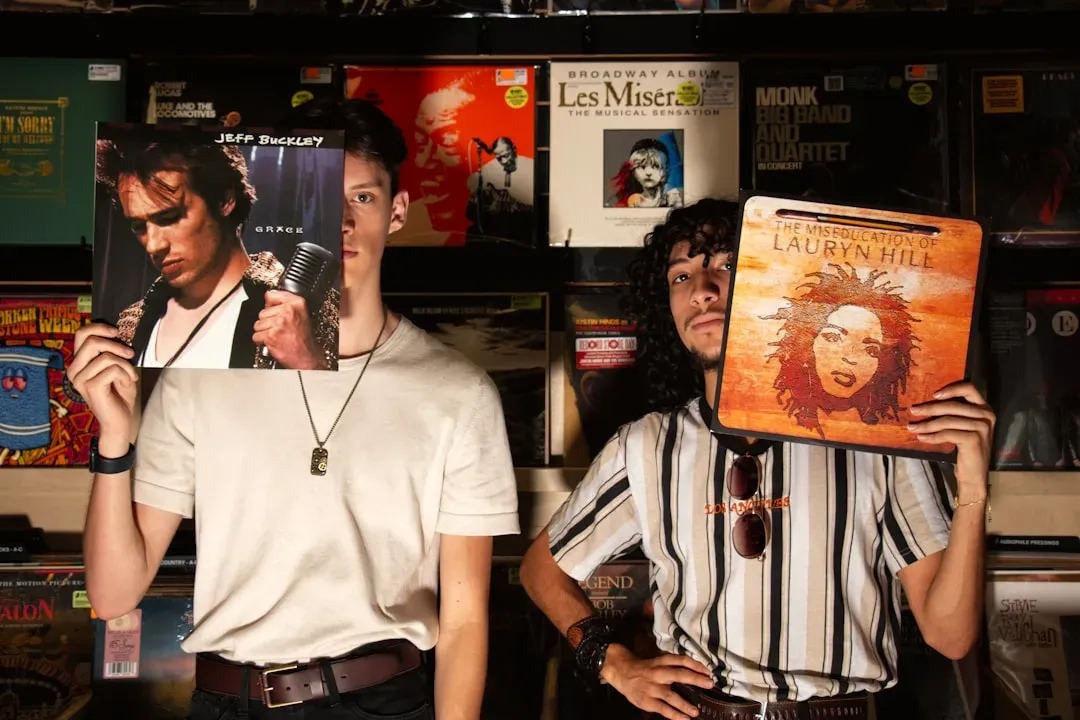
Jeff Buckley’s Grace, released in 1994, remains one of the most hauntingly beautiful albums ever recorded. His voice could soar from a whisper to a wail within seconds, conveying emotion that felt almost supernatural. The production was lush but never overdone, letting Buckley’s vocals and guitar work shine through.
His cover of Leonard Cohen’s “Hallelujah” became definitive, overshadowing hundreds of other versions. Original compositions like “Last Goodbye” and the title track showcased his songwriting talent. The album moved seamlessly between rock, jazz, and soul influences without ever feeling scattered.
Tragically, Buckley drowned in 1997 before completing his second album. We’ll never know if he could have topped Grace. The sketches and demos that were released posthumously show promise but lack the cohesion of his debut. Grace stands as his complete artistic statement, untouchable and timeless.
Stone Roses – The Madchester Moment Captured

The Stone Roses’ 1989 debut album arrived at the perfect moment to define the Madchester scene. The band combined jangly guitars influenced by 1960s rock with dance beats and psychedelic touches. Ian Brown’s vocals were cool and detached, floating over the groove rather than dominating it.
Songs like “I Wanna Be Adored” and “She Bangs the Drums” became generational anthems in the UK. The album’s cover art, created by guitarist John Squire, was as iconic as the music inside. Everything about the record felt fresh and exciting, like a new chapter in British rock was beginning.
The Stone Roses took five years to release their follow-up, Second Coming. By then, the moment had passed. The second album was heavier and bluesier, abandoning much of what made the debut special. The band imploded soon after. That first album remains their legacy, a perfect snapshot of a time and place that could never be recreated.
Wu-Tang Clan – Enter the Wu-Tang (36 Chambers)

Nine rappers from Staten Island changed hip hop forever with Enter the Wu-Tang in 1993. The production by RZA was grimy and minimal, built on dusty soul samples and kung fu movie clips. Each member brought a distinct personality and flow to the mic. The result was chaotic, innovative, and absolutely magnetic.
Songs like “C.R.E.A.M.” and “Protect Ya Neck” became instant classics. The album’s sound was deliberately rough around the edges, rejecting the polished production that dominated mainstream rap at the time. Wu-Tang brought street credibility and artistic experimentation together in a way that felt completely new.
The group released several more albums as a collective, plus countless solo projects from individual members. Some of those records are excellent. None of them captured the same lightning, that moment when nine hungry artists came together with something to prove. Enter the Wu-Tang remains the gold standard, the template that everything else is measured against.
Oasis – Definitely Maybe Defined Britpop

Oasis burst onto the scene in 1994 with Definitely Maybe, an album dripping with swagger and ambition. The Gallagher brothers made no secret of their intention to become the biggest band in the world. Based on this debut, it seemed entirely possible they would achieve it.
Every song was an anthem. “Live Forever,” “Supersonic,” “Cigarettes and Alcohol” – each one sounded like it was meant to be shouted back by thousands of people in a stadium. The production was deliberately huge, with walls of guitars and Liam Gallagher’s sneering vocals cutting through everything.
What’s the Story Morning Glory?, released the following year, was even more commercially successful. It produced bigger hits and sold more copies. But it lacked the raw hunger and perfect confidence of Definitely Maybe. That debut captured the band at their most fearless, before the in-fighting and ego battles took over. It’s the purest expression of what Oasis was supposed to be.
Patti Smith – Horses Kicked Down Doors
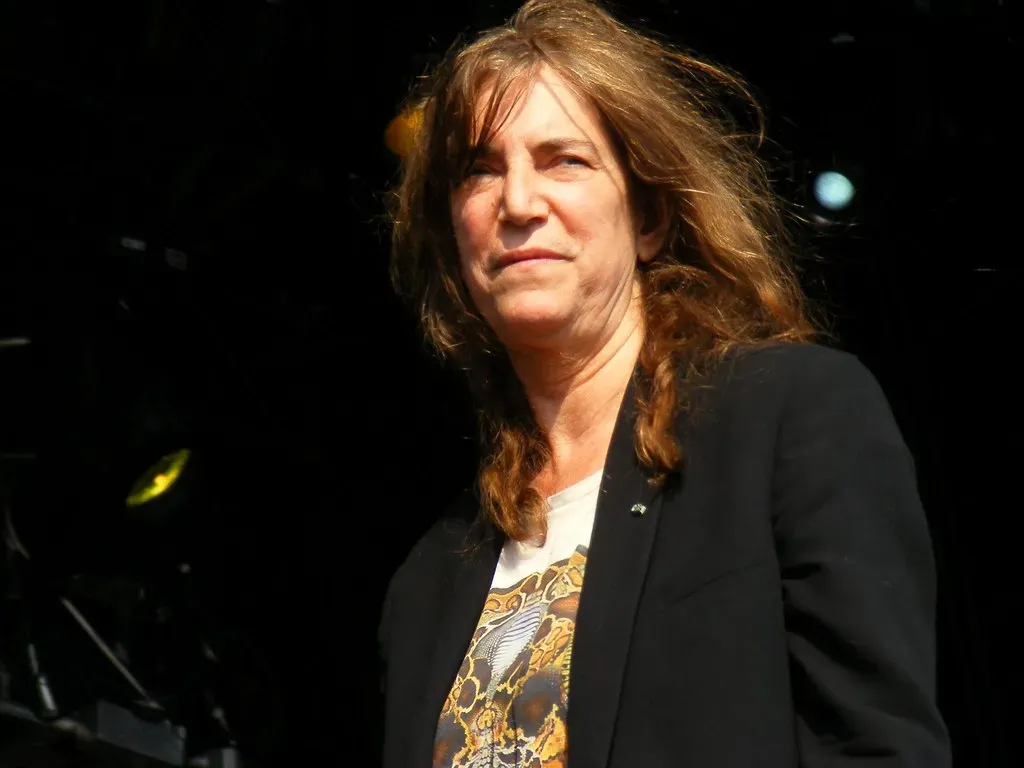
Patti Smith’s Horses arrived in 1975 and immediately established her as punk rock’s poet laureate. The album opened with her declaring “Jesus died for somebody’s sins but not mine” over a hypnotic guitar line. Right from the start, she was taking no prisoners and asking no permission.
The record blended rock and roll with spoken word poetry, creating something that felt both primitive and highly artistic. Smith’s voice was raw and untrained in the best possible way. Songs sprawled and shifted, refusing to conform to standard pop song structures. It was challenging music that still managed to be deeply moving.
Smith released numerous albums over the following decades, including the acclaimed Wave and Easter. She remained an important and respected artist throughout her career. But Horses was the statement that changed everything, the moment when she kicked down the door for female artists in punk and alternative rock. Nothing she did later quite matched its revolutionary impact.
The Libertines – Up the Bracket Was Lightning in a Bottle
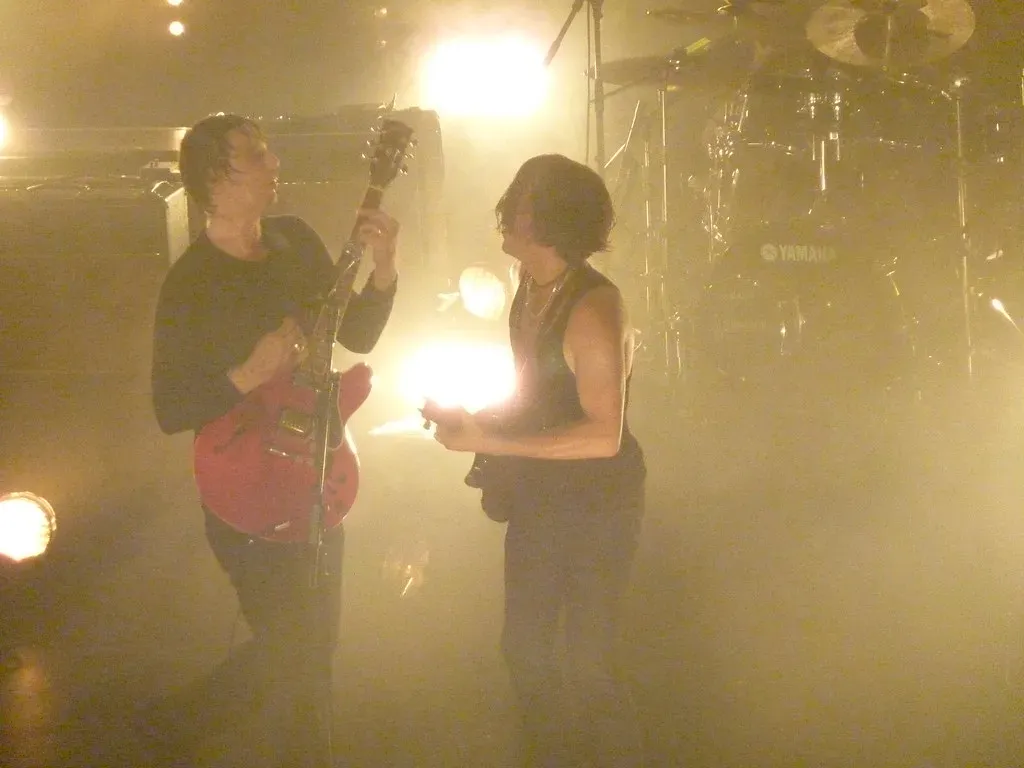
The Libertines’ 2002 debut Up the Bracket captured two brilliant songwriters at the peak of their creative partnership. Pete Doherty and Carl Barât wrote together with an almost telepathic connection, creating songs that felt both timeless and urgently contemporary. The guitars tangled together in ways that were messy but melodic.
Produced by Mick Jones of The Clash, the album had a raw energy that felt distinctly British. Songs about London life and romantic chaos came across as genuine rather than calculated. The band’s chemistry was palpable in every track. You could hear the friendship and tension that made them special.
Drama and addiction tore the band apart before they could properly follow up. Their self-titled second album had moments of brilliance but lacked the cohesion of Up the Bracket. Various reunions have produced serviceable music but never recaptured that initial magic. The debut remains their defining work, a document of a partnership that burned too bright to last.
N.W.A – Straight Outta Compton Shook the World

N.W.A released Straight Outta Compton in 1988 and immediately became the most dangerous group in America. The album’s unflinching portrayal of police brutality and street life was unlike anything mainstream audiences had heard. It was confrontational, unapologetic, and absolutely necessary.
Dr. Dre’s production was revolutionary, creating the sound that would define West Coast hip hop for the next decade. Ice Cube’s lyrics were sharply observational and furiously angry. Eazy-E’s voice cut through tracks with personality and charisma. Together, they created something that felt like a news report from the front lines.
The group’s follow-up album Niggaz4Life topped the charts but lacked Ice Cube, who had left after a financial dispute. The remaining members could never quite recapture what made that first album special. Individual solo careers produced classic albums, particularly from Cube and Dre. But as N.W.A, that debut was their moment, the record that changed hip hop and popular culture forever.
Joy Division – Unknown Pleasures Created Darkness

Joy Division’s 1979 debut Unknown Pleasures remains one of the most influential albums in post-punk history. Ian Curtis’s baritone vocals conveyed existential dread and urban alienation like nothing before it. The music was sparse and atmospheric, creating space for that darkness to resonate.
Martin Hannett’s production was groundbreaking, using studio effects to make the band sound both intimate and vast. Songs like “Disorder” and “She’s Lost Control” built tension without ever fully releasing it. The album’s iconic cover, showing radio waves from a pulsar, became one of rock’s most recognized images.
The band released one more album, Closer, before Curtis’s suicide in 1980. Closer is arguably as good as Unknown Pleasures, maybe even better in some ways. But the debut got there first, establishing the template for everything that followed. The surviving members formed New Order and achieved massive commercial success. Yet nothing they did could match the dark power of that first Joy Division record.
Boston – Selling Millions From the Basement

Boston’s self-titled 1976 debut became one of the best selling debut albums of all time, moving over seventeen million copies. Tom Scholz had recorded most of the album in his basement using equipment he’d built himself. The result was a rock sound so polished and powerful it redefined what was possible in home recording.
Songs like “More Than a Feeling” and “Peace of Mind” were perfectly crafted rock anthems. Scholz’s guitar tones were revolutionary, inspiring countless imitators. Brad Delp’s vocals soared effortlessly over the meticulously produced tracks. Every note felt intentional and perfectly placed.
Boston released several more albums over the years, all featuring Scholz’s signature sound. None came close to matching the debut’s impact or sales. Part of the problem was timing. Scholz was a perfectionist who took years between albums. By the time follow-ups arrived, the musical landscape had shifted. That first album captured a moment perfectly, creating arena rock that felt both massive and personal. Everything after was chasing that initial success.
Conclusion

These fifteen albums represent something rare in music, that perfect storm where talent, timing, and pure inspiration align to create something unrepeatable. The artists behind them went on to varied careers. Some remained successful, others faded away, a few never got the chance to try again. But that debut? It stands forever as proof of what they were capable of at their absolute peak.
Here’s the thing about debut albums. They often carry a hunger and fearlessness that success inevitably tempers. These artists had nothing to lose and everything to prove. They threw everything they had at the wall, and it stuck in ways that surprised even them. Following up perfection is an impossible task. Sometimes the best thing you can do is appreciate that first moment of genius for what it was. What do you think about it? Tell us in the comments.