Ever wonder how different your favorite novels might have been if their authors had gone with their gut instinct? Some of the most iconic endings in literature nearly took a completely different turn. Writers agonize over their final chapters, sometimes rewriting them multiple times or being pressured by editors, friends, or even readers to change course entirely.
What’s fascinating is that these alternate endings weren’t just minor tweaks. We’re talking about completely different fates for beloved characters, opposite moral conclusions, and endings that would have fundamentally changed how we remember these stories. Let’s dive into the books that almost ended in ways that would have shocked us all.
Pride and Prejudice Nearly Had a Much Darker Fate for Elizabeth
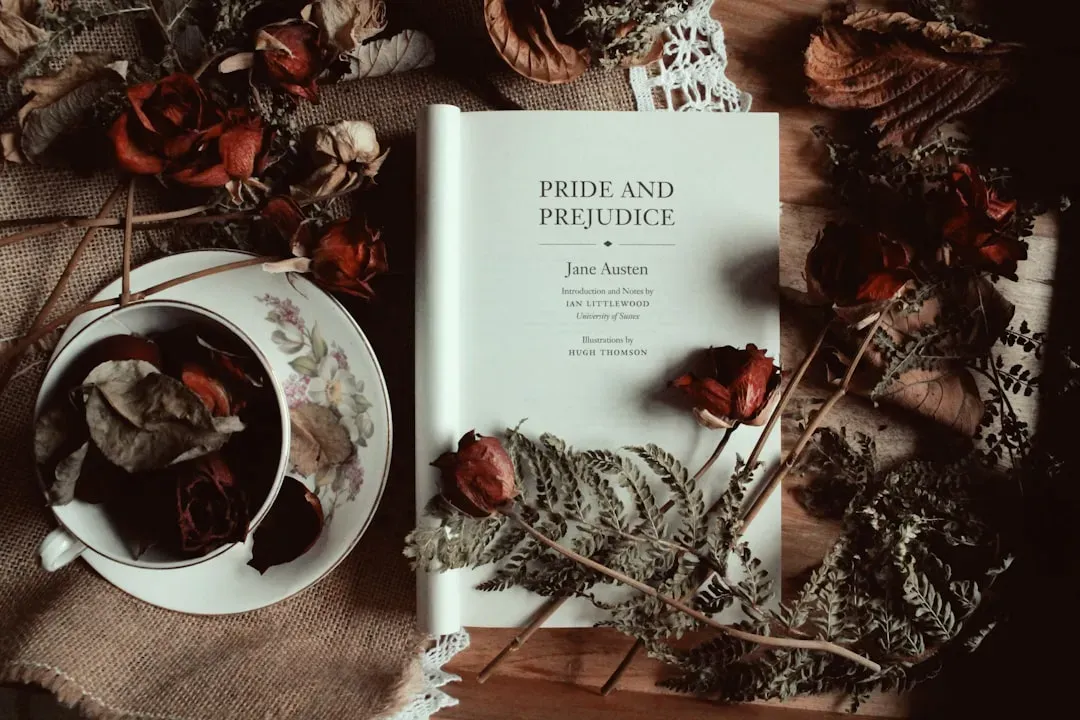
Jane Austen’s beloved romance almost concluded without its happy ending. In early drafts, Elizabeth Bennet was set to reject Mr. Darcy permanently, choosing independence over marriage. Austen wrestled with whether Elizabeth should remain single as a statement about women’s autonomy in Regency England.
The original ending would have seen Elizabeth living contentedly as a spinster, caring for her family and finding fulfillment outside of marriage. Austen’s own experience as an unmarried woman heavily influenced this version. Her sister Cassandra reportedly convinced her that readers needed the satisfaction of seeing Elizabeth and Darcy together.
Today, we can barely imagine the novel without its romantic resolution. The chemistry between Elizabeth and Darcy has become the gold standard for literary romance. Without their union, the entire arc of Darcy’s character growth would feel incomplete and unsatisfying.
Great Expectations Originally Ended With Pip Alone and Heartbroken
Charles Dickens wrote a bleaker conclusion to his classic novel. In the original ending, Pip encounters Estella years later on a London street, they exchange brief pleasantries, and part ways forever. Estella has remarried after her abusive first husband’s death, and Pip remains alone, accepting that some loves are never meant to be.
Dickens’s friend, the novelist Edward Bulwer-Lytton, read the manuscript and urged him to give readers more hope. He argued that the somber ending was too depressing for Victorian audiences who had invested so much emotion in Pip’s journey. Dickens reluctantly agreed and rewrote the final chapter.
The published version hints at a possible future for Pip and Estella, with their reunion in the ruins of Satis House suggesting redemption and new beginnings. Critics still debate which ending is superior, with many arguing the original was more honest and emotionally powerful.
Little Women Was Almost a Manifesto Against Marriage

Louisa May Alcott despised the ending publishers forced on her. Jo March was never supposed to marry Professor Bhaer or anyone else. Alcott wanted Jo to remain single, become a successful writer, and prove that women didn’t need husbands to find happiness or fulfillment.
Publishers and readers demanded a romantic ending, flooding Alcott with letters insisting Jo marry Laurie. Out of sheer spite, Alcott created Professor Bhaer, a character she intentionally made older and less attractive than Laurie, just to thwart expectations. She called the romantic subplot “morally unnecessary.”
Alcott based Jo on herself, and like Jo, she never married. She viewed the forced romantic conclusion as a betrayal of her own values and the feminist ideals she hoped to promote. The original ending would have been revolutionary for its time, presenting a woman choosing career over marriage without regret.
The Great Gatsby Almost Let Gatsby Survive
F. Scott Fitzgerald toyed with allowing Jay Gatsby to live. In one version of the ending, Gatsby survives the shooting but faces prosecution for Myrtle’s death. The novel would have concluded with Gatsby imprisoned, his dreams destroyed but his life spared, forced to confront the emptiness of his pursuit.
Fitzgerald’s editor Maxwell Perkins questioned whether Gatsby’s death was necessary, suggesting that living with his shattered illusions might be a more devastating fate. They exchanged multiple letters debating the philosophical implications of each ending. Fitzgerald ultimately decided that Gatsby’s death was the only honest conclusion to his tragic obsession.
The symbolic power of Gatsby’s death in the pool, waiting for a phone call from Daisy that never comes, has become one of literature’s most haunting images. A living Gatsby would have diminished the novel’s critique of the American Dream and its exploration of how hope can become self-destruction.
A Clockwork Orange Had Its Final Chapter Removed
American readers missed the actual ending for decades. Anthony Burgess wrote a 21st chapter where Alex grows up, renounces violence, and contemplates starting a family. His American publisher removed this chapter entirely, believing American audiences preferred the darker, more cynical ending where Alex remains unchanged.
Burgess fought against this decision but ultimately lost. The removed chapter showed Alex’s redemption wasn’t about psychological conditioning or punishment but natural maturation. The original ending suggested that youthful rebellion and violence are phases people outgrow, not permanent character traits requiring authoritarian intervention.
Stanley Kubrick based his famous film on the American version, never knowing about the missing chapter. This created two distinct versions of the story with opposing messages about human nature and free will. The full British version wasn’t widely available in America until 1986.
1984 Nearly Offered a Glimmer of Hope
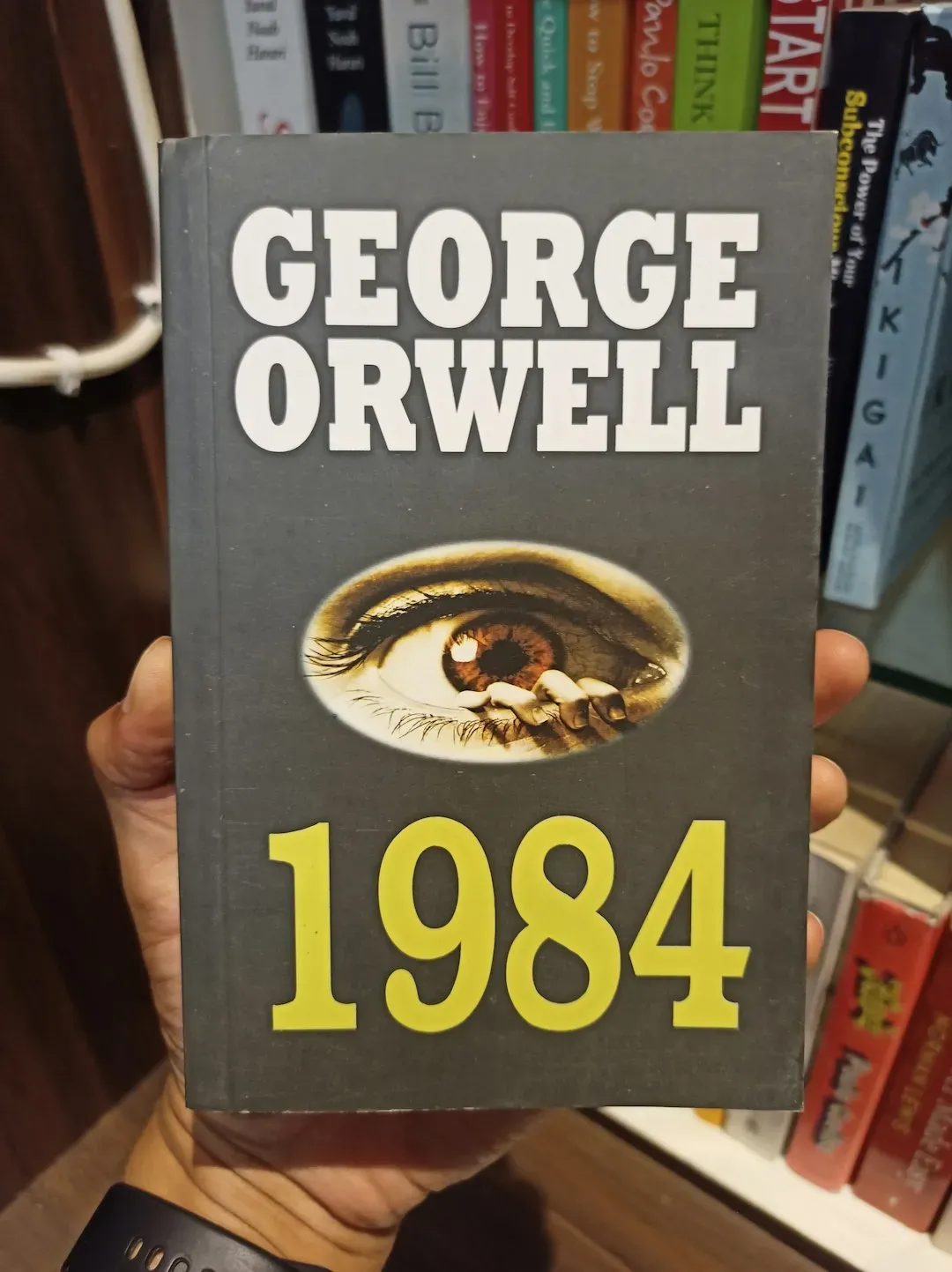
George Orwell considered a less bleak conclusion. In draft notes, Winston Smith’s final thoughts included a seed of doubt about his conversion, suggesting his love for Julia might survive even Room 101. Orwell wrote scenes where Winston maintains a hidden spark of rebellion in his mind despite outward compliance.
His publisher Fredric Warburg convinced him this undermined the novel’s warning about totalitarianism. The horror of Winston’s complete psychological destruction, genuinely loving Big Brother, delivered the most powerful message. A partially free Winston would have softened the critique of authoritarian mind control.
The published ending, with Winston’s total defeat and genuine love for Big Brother, remains one of literature’s most chilling conclusions. It demonstrates how totalitarian systems don’t just control behavior but actually rewrite human consciousness and emotion. Any hope would have neutered the novel’s devastating impact.
Of Mice and Men Almost Spared Lennie
John Steinbeck wrote an alternate ending where George couldn’t bring himself to shoot Lennie. Instead, George turns himself in to authorities, hoping for mercy from the legal system. Lennie would have been institutionalized rather than killed, and George would have lived with the guilt of abandoning his friend.
Steinbeck’s wife Carol read both versions and argued the mercy killing was more humane and emotionally honest. She believed George’s decision to spare Lennie the horror of being lynched by the mob represented the highest form of friendship and sacrifice. Steinbeck agreed after agonizing over the choice.
The published ending, with George shooting Lennie while describing their dream farm, has become one of American literature’s most devastating moments. It raises profound questions about mercy, friendship, and what we owe those we love when there are no good options remaining.
Gone With the Wind Had Three Different Potential Endings
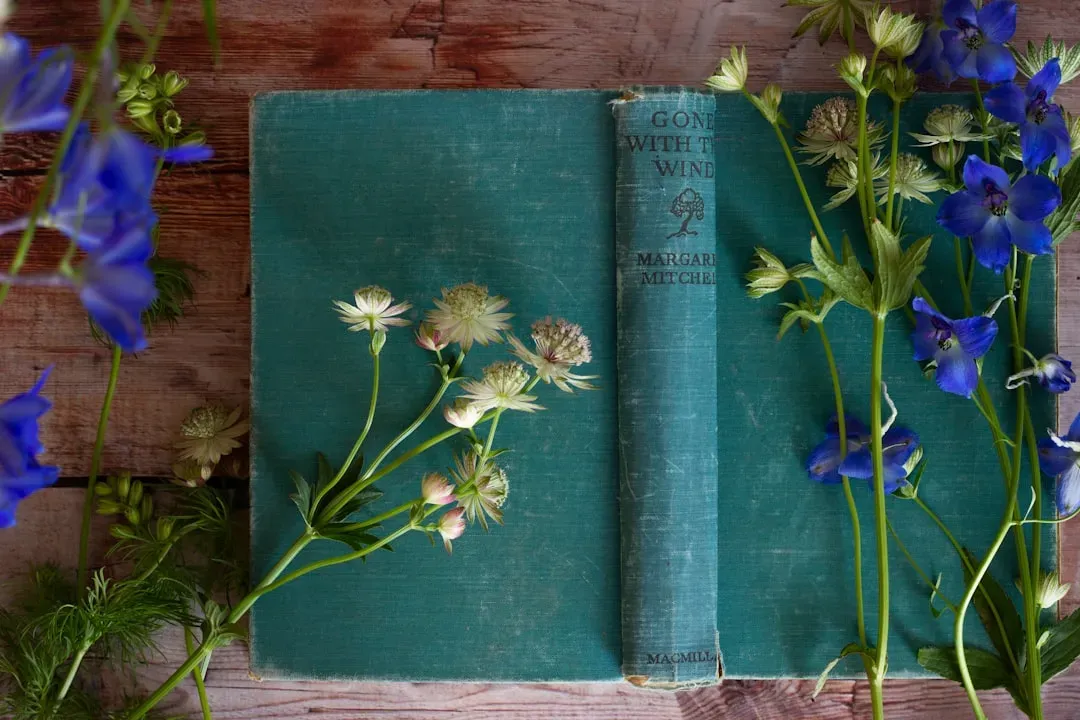
Margaret Mitchell rewrote the final chapter multiple times. One version had Scarlett successfully win Rhett back after a dramatic chase. Another showed Scarlett deciding to leave Tara and start fresh in Atlanta, embracing her independence without pursuing Rhett. The third, which was published, left their future ambiguous.
Mitchell’s editor at Macmillan pushed for clarity, wanting readers to know definitively whether Scarlett and Rhett reunited. Mitchell refused, insisting the ambiguity was essential to Scarlett’s character. She wanted readers debating Scarlett’s chances of winning Rhett back, just as Scarlett herself would obsess over it.
The iconic final line “Tomorrow is another day” only appears in the published version. Mitchell added it during final revisions to capture Scarlett’s eternal optimism despite devastating losses. It’s impossible to imagine the novel ending any other way, yet it almost did.
The Lord of the Flies Originally Had the Boys Rescued Much Earlier
William Golding’s first draft included rescue arriving before Simon’s death. The boys would have been saved while still clinging to some civilization, making the novel a much less dark commentary on human nature. Golding struggled with how far to push his characters into savagery.
His editor Charles Monteith challenged him to follow the logic of his premise to its darkest conclusion. If Golding truly believed civilization was a thin veneer over human brutality, he needed to show complete social collapse. This meant allowing the violence to escalate to murder before intervention arrived.
The delayed rescue transformed the novel from a boys’ adventure story into a profound exploration of evil and human nature. The naval officer’s arrival, viewing the boys’ war as child’s play while representing adult warfare, delivers the novel’s final devastating irony about humanity’s capacity for violence.
Catch-22 Almost Ended With Yossarian Dying

Joseph Heller wrote a version where Yossarian doesn’t escape but instead gets killed in a meaningless accident, proving the absurdist point that survival means nothing in a senseless war. The ending emphasized that there’s no escape from institutional madness, only different forms of entrapment or death.
Heller’s friend and fellow writer Nelson Algren read this version and called it too nihilistic, arguing it denied readers any sense of resistance being possible. Algren believed the novel needed at least one character who successfully rejects the system, even if that rejection is morally complicated. Heller reconsidered his approach.
The published ending, with Yossarian deserting to Sweden, offers a controversial form of hope. His escape doesn’t solve anything or defeat the system, but it proves individual resistance is possible. Some critics argue the original ending would have been more consistent with the novel’s absurdist philosophy.
Frankenstein Had a More Ambiguous Original Conclusion

Mary Shelley’s first manuscript ended without definitively showing the creature’s death. Victor Frankenstein dies, but the creature disappears into the Arctic landscape with his fate uncertain. This ambiguity suggested the creature might survive, leaving the consequences of Victor’s creation unresolved and potentially ongoing.
Her husband Percy Shelley and their publisher convinced her readers needed closure. They argued the monster’s declared intention to self-immolate needed to be witnessed, not left to imagination. Mary reluctantly added the scene where Walton sees the creature drifting away on an ice raft, heading toward his funeral pyre.
The clearer ending provides moral resolution but eliminates the unsettling possibility that the creature survives, forever carrying Victor’s scientific sin into the world. The ambiguous version would have left readers wondering if humanity’s dangerous creations can ever truly be destroyed or if they persist beyond their creators’ control.
To Kill a Mockingbird Nearly Revealed Tom Robinson Was Guilty

Harper Lee’s early drafts included a shocking twist. Evidence would emerge suggesting Tom Robinson actually committed the crime but couldn’t receive a fair trial due to racism, creating a moral dilemma about justice versus prejudice. Lee wanted to explore whether justice can exist independent of truth in a prejudiced society.
Her editor Tay Hohoff strongly opposed this version, arguing it would undermine the novel’s moral clarity and confuse its message about racial injustice. Hohoff believed making Tom guilty would give racist readers an excuse to dismiss the book’s critique of prejudice. Lee ultimately agreed and rewrote Tom as unambiguously innocent.
The published version’s straightforward innocence strengthened the novel’s impact as a moral lesson about prejudice. Tom’s clear innocence and wrongful conviction made the injustice undeniable. The alternate ending would have created a more complex but potentially less powerful statement about racism in the justice system.
The Catcher in the Rye Almost Ended With Holden’s Suicide

J.D. Salinger wrote a much darker conclusion. Holden’s breakdown would escalate to a suicide attempt, making explicit what the published version only hints at regarding his mental state. The novel would have ended with Holden hospitalized after a serious attempt on his life rather than the ambiguous recovery suggested in the final chapter.
Salinger’s editor at Little, Brown convinced him this was too bleak and would overshadow the novel’s themes about adolescent alienation and authenticity. The suicide would transform Holden from an antihero readers could relate to into a cautionary tale, fundamentally changing the book’s tone and impact.
The published ending leaves Holden’s future uncertain but possible, maintaining hope that treatment and time might help him. This ambiguity has fueled decades of debate about whether Holden recovers or remains trapped in his alienation. A definitive tragic ending would have eliminated this productive uncertainty.
Wuthering Heights Originally Had Catherine and Heathcliff Reunite

Emily Brontë’s initial version included a supernatural reunion where Catherine’s ghost appears to Heathcliff with greater clarity, and they’re shown together in death beyond any doubt. The ending would have been more explicitly romantic and less ambiguous about whether their love transcends death.
Brontë’s publisher worried this was too Gothic and supernatural for contemporary tastes, suggesting she tone down the ghost elements. The published ending leaves their reunion ambiguous, with only Lockwood’s report of locals claiming to see the ghosts wandering the moors together.
The subtle ending proved more powerful, letting readers decide whether the ghosts are real or symbolic. The restraint heightened the novel’s haunting quality rather than diminishing it. An explicit supernatural reunion would have turned their tragic love story into something closer to a fantasy.
Animal Farm Almost Let the Animals Win
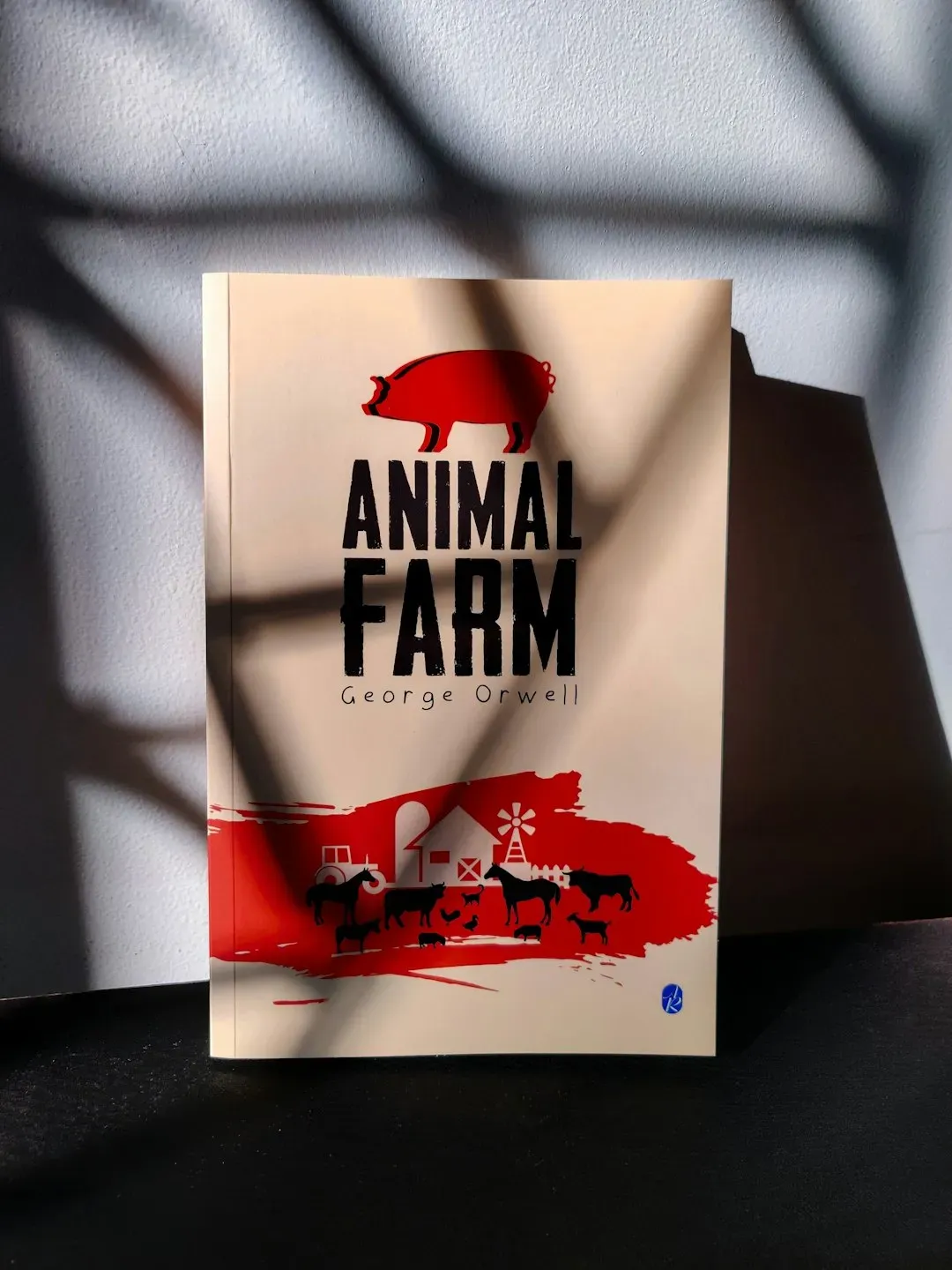
George Orwell drafted a version where the farm animals successfully revolt against the pigs, establishing true equality. This hopeful ending would have suggested that recognizing tyranny and fighting it could succeed, offering an optimistic view of revolutionary potential despite initial failures.
Orwell ultimately rejected this as dishonest based on his observations of Soviet communism and human political behavior. He believed power inevitably corrupts and that revolutions typically replace one tyranny with another. The darker ending where the pigs become indistinguishable from humans reflected his pessimistic but honest assessment of political reality.
The published ending’s bleakness delivers Orwell’s warning about totalitarianism more effectively than any hopeful conclusion could have. The image of pigs and humans playing cards together, impossible to tell apart, crystallizes how revolutionary ideals inevitably betray their origins. A happy ending would have undermined the entire allegory.
The Grapes of Wrath Had a Less Controversial Final Scene
John Steinbeck wrote a conventional ending where the Joad family finds stable work and modest prosperity in California, rewarding their perseverance with traditional success. This would have fit the American Dream narrative rather than challenging it, offering hope that hard work eventually pays off.
Steinbeck’s wife Carol read this version and called it a cop-out that betrayed everything the novel said about economic injustice. She pushed him toward the controversial breastfeeding scene, arguing the novel needed to end with an image of humanity and sacrifice rather than false comfort. Steinbeck rewrote the ending entirely.
The published ending, with Rose of Sharon nursing a starving stranger, shocked readers and was banned in many places. Its raw humanity and rejection of conventional resolution made it unforgettable. The safe ending would have turned a radical novel about economic injustice into just another rags-to-riches story.
Conclusion
These alternate endings reveal how fragile our beloved classics truly are. A different editorial decision, a persuasive friend, or an author’s last-minute doubt could have given us entirely different stories. The endings we know and love were often the result of intense debate, multiple revisions, and difficult choices between competing visions.
It makes you wonder what other masterpieces might exist in discarded drafts and forgotten manuscripts. Every published ending represents a road taken, with others abandoned along the way. Which of these alternate endings would you have preferred? Tell us in the comments.