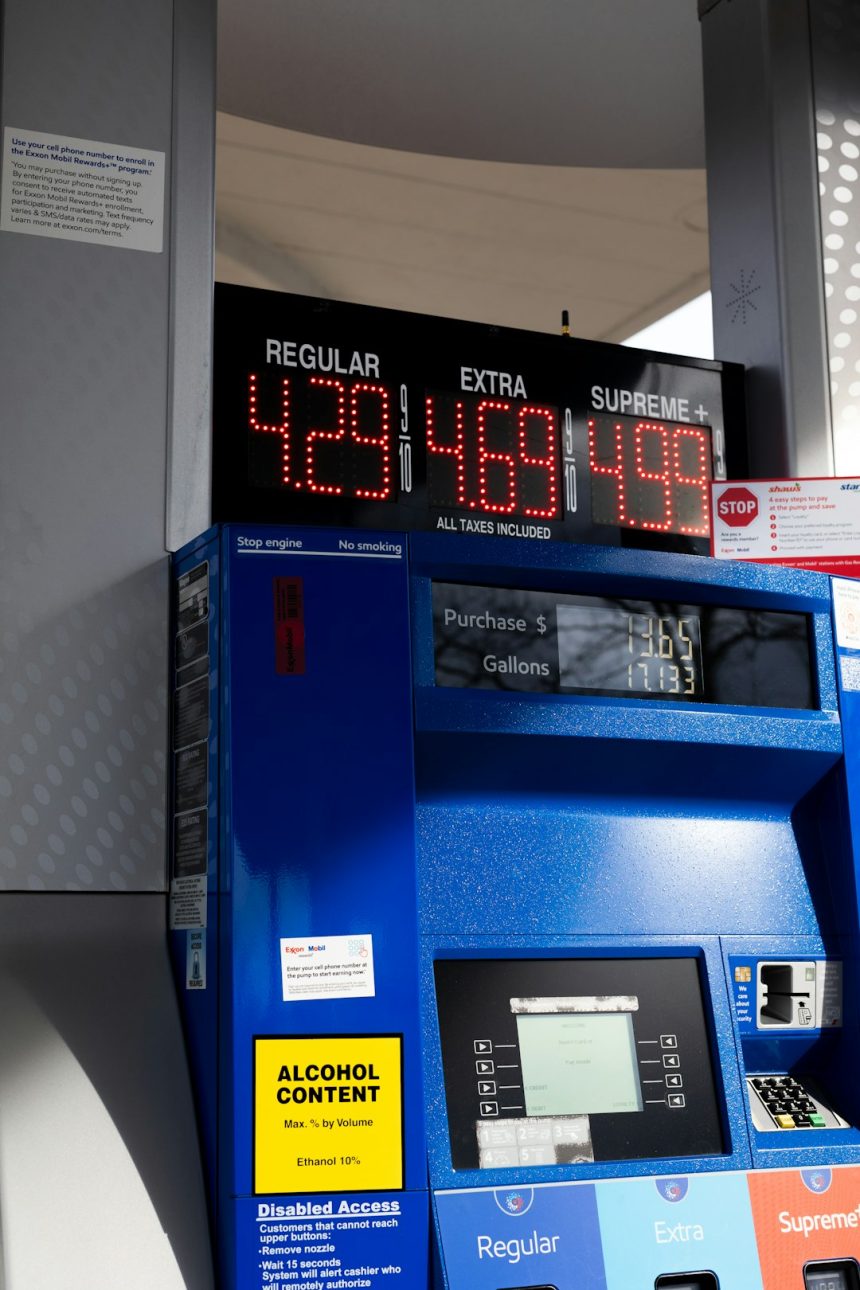
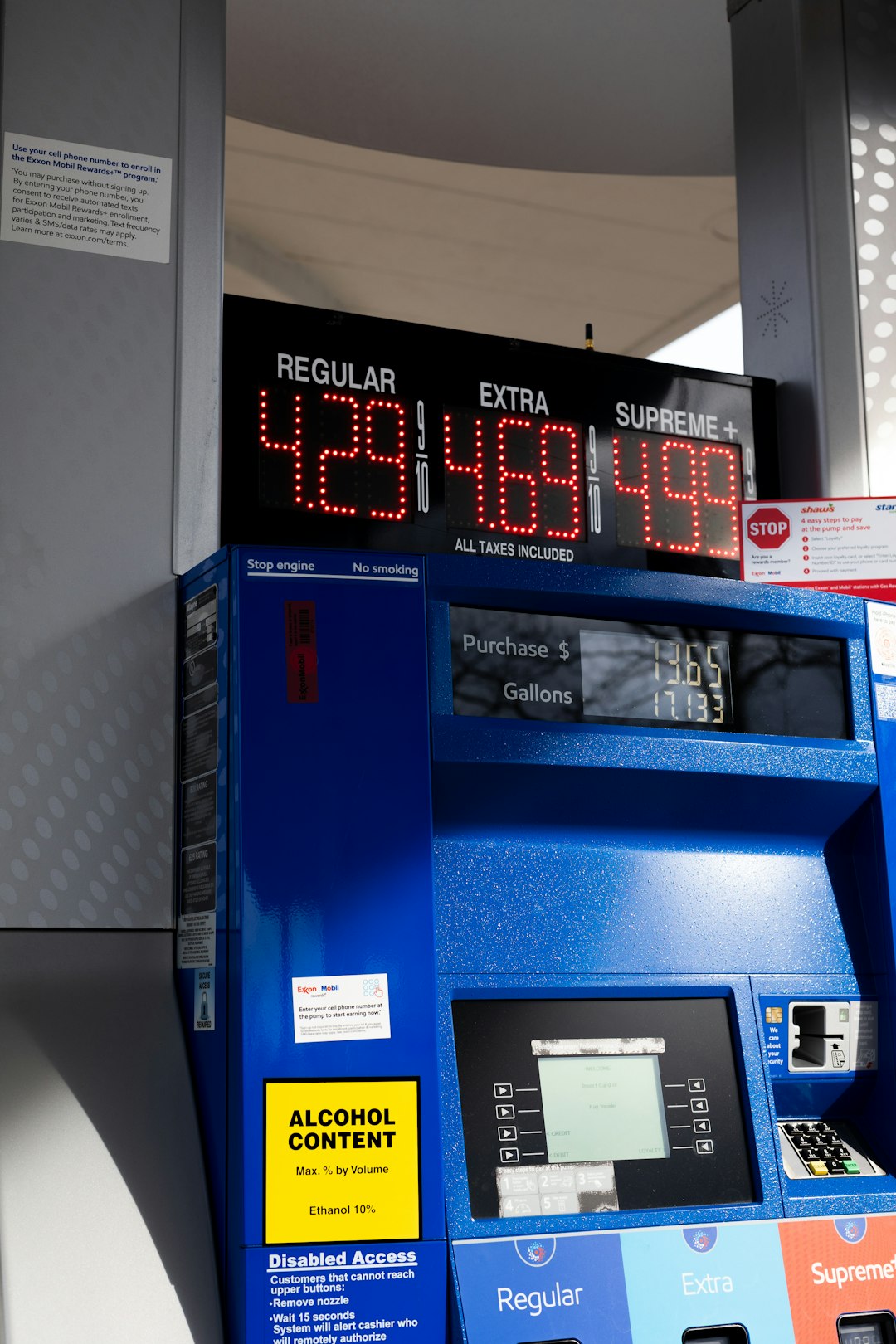
Oil Markets Reel from Geopolitical Tensions (Image Credits: Unsplash)
United States – Motorists across the country encountered sticker shock at fuel stations recently, with prices climbing to their highest marks since 2023. The extended conflict involving Iran disrupted key oil supply chains worldwide, leading to elevated costs that rippled through global markets. Households now grapple with these steeper expenses at a time when everyday driving remains essential for millions.
Oil Markets Reel from Geopolitical Tensions
The war in Iran triggered immediate volatility in international oil trade. Production facilities and shipping routes faced interruptions, which tightened supply and lifted benchmark prices. Energy analysts noted how such regional instability often amplifies costs far beyond the conflict zone.
Governments and traders scrambled to adjust. Stockpiles provided some buffer, yet demand from recovering economies kept pressure on. This dynamic marked a stark reminder of the Middle East’s outsized role in global energy.
American Drivers Confront Sharp Fuel Hikes
At pumps nationwide, average gas prices surged to levels unseen for nearly three years. Commuters and truckers alike reported higher tabs for routine trips. Stations in urban and rural areas reflected this uniform uptick.
The rise compounded existing economic strains. Delivery services and logistics firms passed costs to consumers, embedding fuel expenses into broader price tags. Long-haul drivers felt the brunt most acutely, as margins thinned rapidly.
Household Budgets Under Siege Worldwide
Families everywhere adjusted spending amid the fuel crunch. Grocery runs and school commutes became pricier propositions. Vacation plans shifted toward staycations for many.
Low-income households bore disproportionate loads. Public transportation offered limited relief in sprawling suburbs. Economists highlighted how persistent high energy costs eroded disposable income over time.
Ripple Effects on Daily Life and Economy
The price jump altered routines in tangible ways. Parents weighed carpooling more seriously. Businesses curtailed non-essential travel.
Here are some key areas affected:
- Daily commutes: Extra dollars per tank added up weekly.
- Freight transport: Higher shipping fees trickled into retail goods.
- Leisure activities: Road trips faced second thoughts amid uncertainty.
- Rural living: Isolation amplified reliance on personal vehicles.
- Inflation pressures: Energy costs fed into wider economic indicators.
Outlook Remains Uncertain Amid Stalemate
Resolution of the Iran conflict appeared distant, sustaining oil market jitters. Alternative suppliers ramped up output where possible, but lags persisted. Consumers hoped for diplomatic breakthroughs to ease the strain.
Energy diversification efforts gained renewed focus. Electric vehicles and renewables drew investor interest, though adoption trailed far behind gasoline dependence. Policymakers debated relief measures without clear consensus.
As gas prices underscore the fragility of global energy ties, drivers pondered their next fill-up. The situation served as a call to monitor developments closely. What steps will you take to manage rising fuel costs? Share your thoughts in the comments.
- Iran war disruptions elevated oil costs globally, hitting US pumps hardest since 2023.
- Households faced budget squeezes from higher commuting and travel expenses.
- Future relief hinges on conflict resolution and energy shifts.