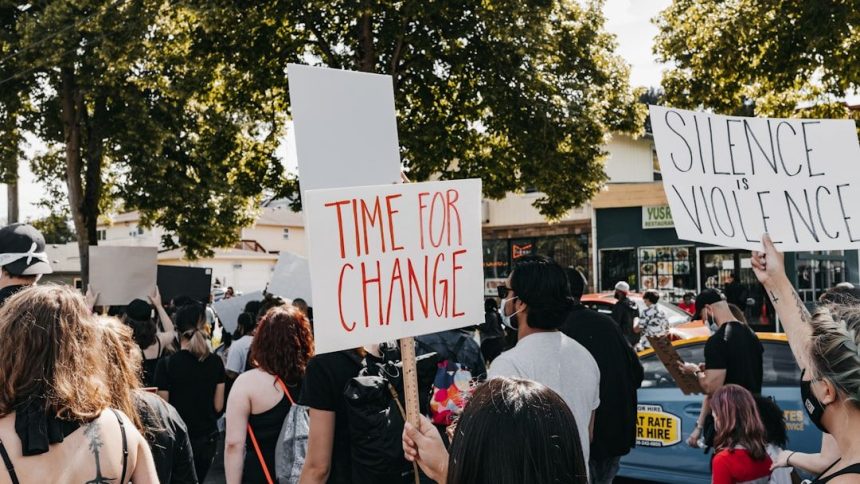
Las Vegas demonstrators closed businesses and gathered in the streets during January 2026 in response to ICE-related killings in Minnesota, sparking a conversation about what makes protests both effective and safe. Over a thousand events nationwide were scheduled in response to the shootings. The wave of activity in Southern Nevada has local leaders and organizers talking openly about balancing First Amendment rights with public order.
First Amendment Rights Meet Public Safety Concerns
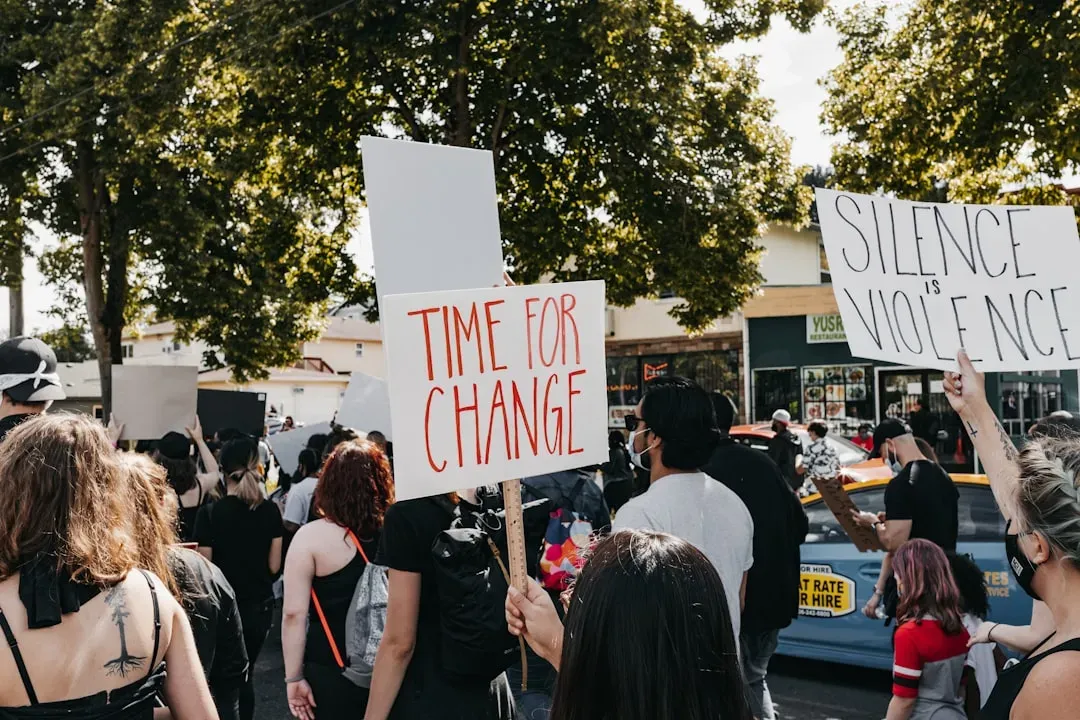
Under both county and city laws, a protest may be deemed unlawful if participants engage in violence, vandalism, or threats. Oversized wooden, metal, or plastic poles are not allowed at public protests unless they meet specific size and safety limits. Protesters must stay on sidewalks unless a permit allows them to march in the street, and blocking driveways or intersections is not allowed without authorization.
Local reporting from February 2026 emphasized how community leaders see the demonstrations as exercises of constitutional rights rather than threats to order. The tension lies in ensuring that passionate expression doesn’t tip into disruption or danger. It’s a line that both police and organizers agree must exist, even if they sometimes disagree on where exactly to draw it.
Organizer Voices Shape the Tone of Demonstrations
Minister Stretch Sanders organized events to keep momentum going, saying actions would be taken every week whether through protest or engaging local officials. Sanders, a longtime Las Vegas activist and minister, has spent years building credibility in the community. Sanders held a Black Lives Matter rally on June 5, 2020 at Kianga Isoke Palacio Park, and his experience with organizing peaceful gatherings has made him a trusted figure among both participants and officials.
Local February 2026 reporting framed Sanders’s approach as centered on leadership tone and structure. The idea is simple but powerful: when organizers set expectations for peaceful conduct and communicate clearly with participants, the crowd tends to follow. It sounds straightforward, yet in practice it requires constant vigilance, clear messaging, and a willingness to redirect energy when emotions run high.
How “Mobilization Meets Organization” Creates Lasting Impact
Local Las Vegas reporting from February 2, 2026 described the concept that “mobilization meets organization” offers a pathway to lasting change beyond a single protest. Think of mobilization as the spark – the moment when people flood the streets because something has moved them deeply. Organization is what turns that spark into sustained pressure: coordinated actions, strategic planning, and long-term community engagement.
Sanders said a protest means nothing when folks don’t come because they don’t have food to eat. His approach includes addressing basic community needs alongside direct action. This combination prevents burnout and keeps people engaged beyond one rally or march, creating a foundation for real policy shifts rather than just headlines.
January 11 Federal Courthouse Demonstration Details
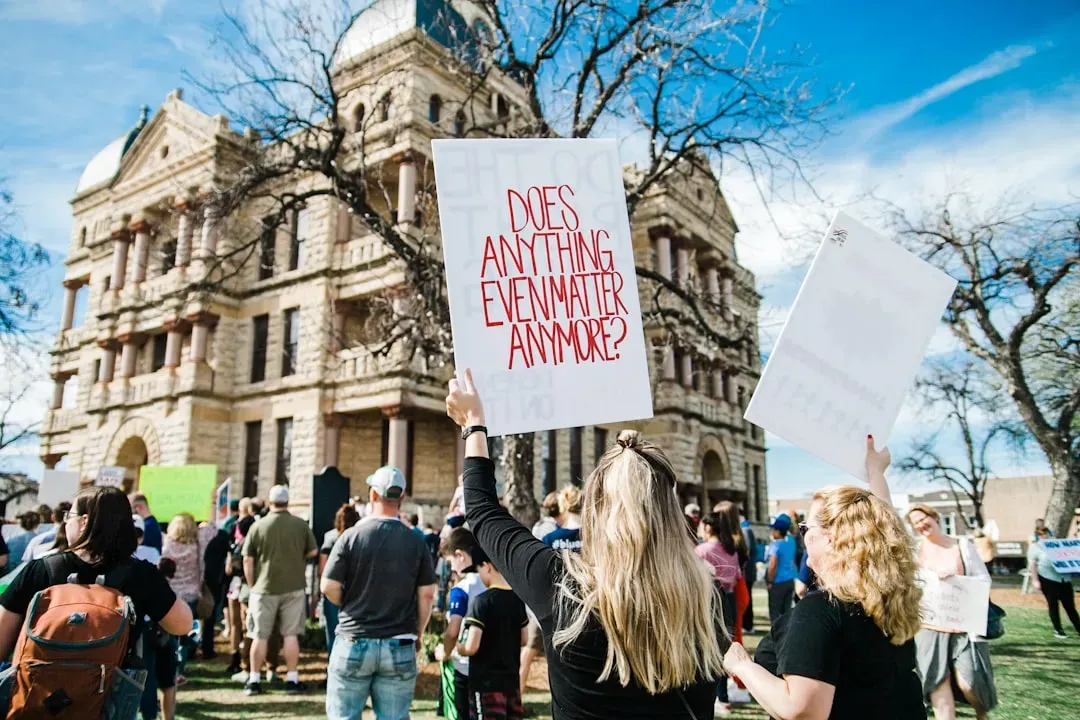
Protesters gathered outside the Federal Courthouse holding signs with the names of 32 individuals who have died at the hands of ICE in the United States. The event featured several speakers, including Nevada ACLU Director Athar Haseebullah, community organizer Gabriel Cornejo, Michael Kagan from the UNLV Immigration Clinic, and Noe Orosco of the Nevada Immigration Coalition.
The protest began with a prayer and included a funeral procession march, complete with a coffin, from the Federal Courthouse to the ICE headquarters and back. The symbolic nature of the event – carrying a coffin through downtown Las Vegas – was designed to honor those who died and make their stories visible to the broader public.
Business Closures as Economic Protest Strategy
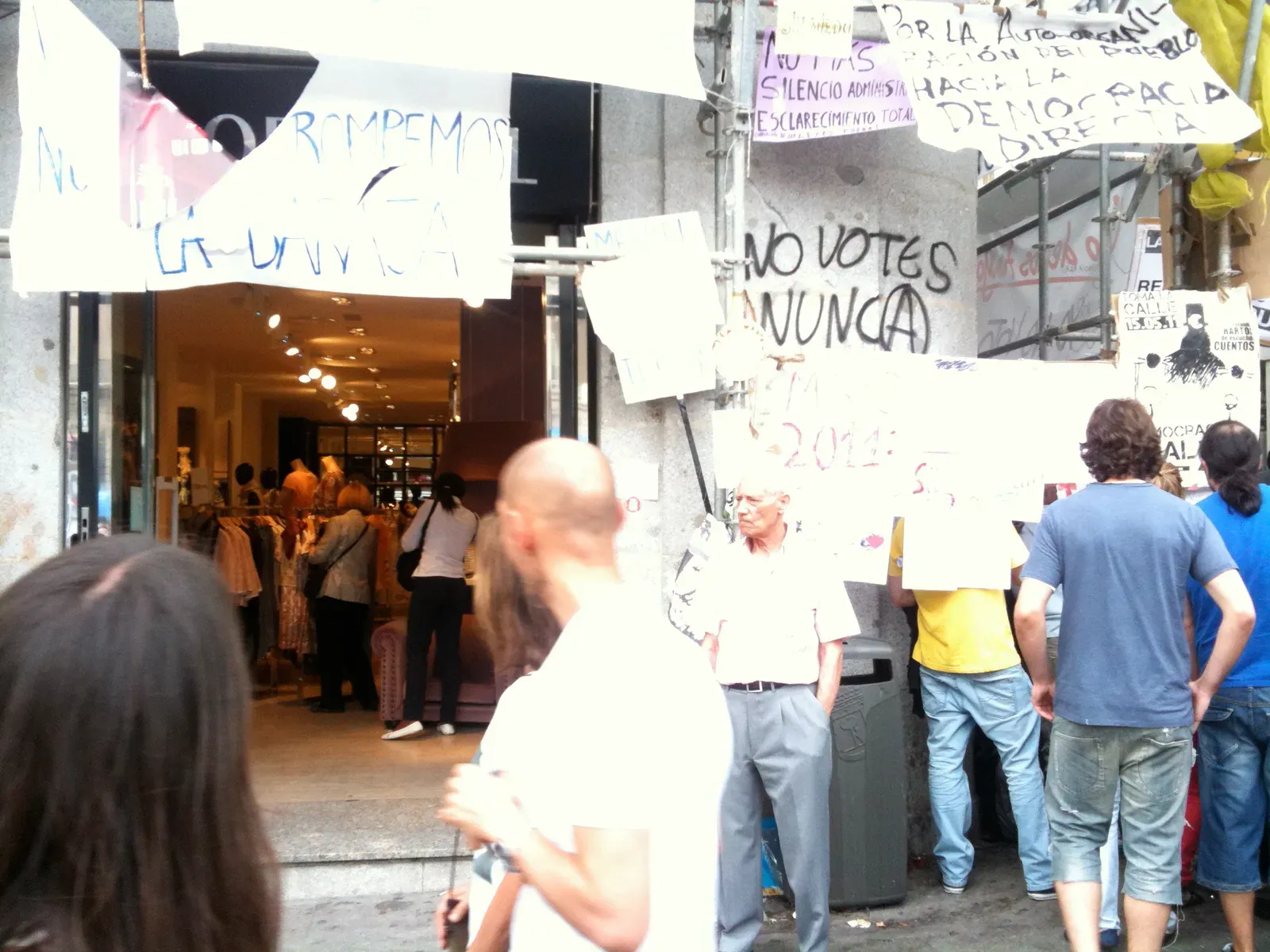
Las Vegas businesses closed their doors on Friday, January 30 in solidarity with nationwide “ICE Out of Everywhere National Day of Action,” calling for no work, no school and no shopping. Among the Las Vegas businesses were A 90s Kind of Vintage, Afterlife Tea and Boba Room, The Analog Dope Store, Jammyland, LV Plant Collective, Mojave Bloom Nursery, Tofu Tees, Venila Creamery and Yukon Pizza, all closing to show opposition to immigration enforcement actions.
Yukon Pizza, typically open until 9:30 p.m. on Fridays – their busiest day – remained closed all day. The decision wasn’t easy for small business owners already operating on thin margins. Yet many felt the moment demanded more than words, requiring a tangible sacrifice to demonstrate solidarity with affected communities.
Yukon Pizza’s Collective Decision and Community Response
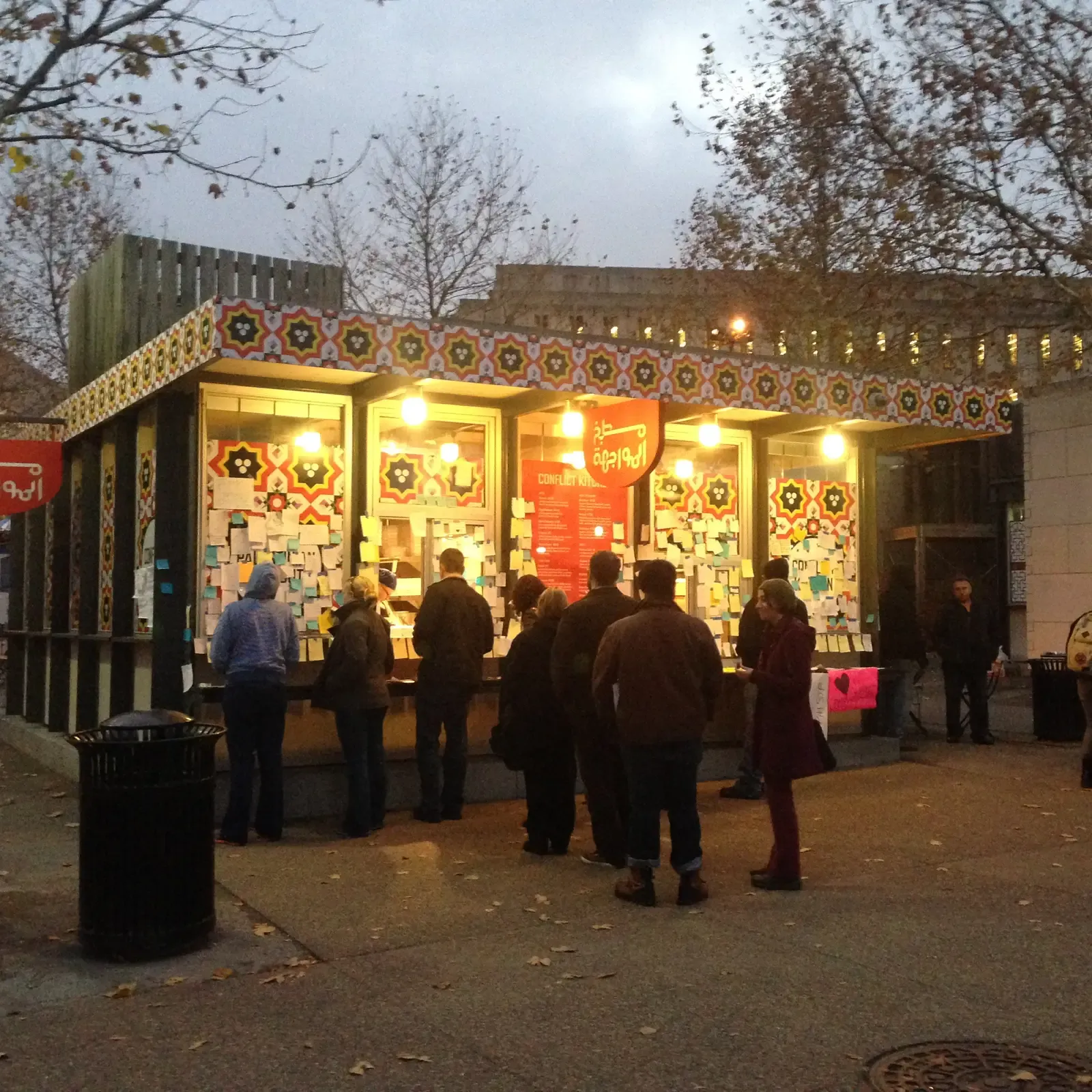
A Las Vegas Review-Journal business report published January 29, 2026 described Yukon Pizza’s closure as a collective decision by ownership, management, and staff. Co-owner Alex White said, “We have to use every chance and platform that we have to do something and to speak out”. The restaurant faced backlash for the move.
Around 14 people, some even as far as Lewisville, Texas, left negative reviews on Yukon Pizza’s page on Thursday and Friday, and Yelp temporarily stopped people from posting to the page. The tension between taking a public stand and facing economic consequences became a real-time case study for other businesses weighing similar decisions.
LVMPD Protest Guidelines and Prohibited Items
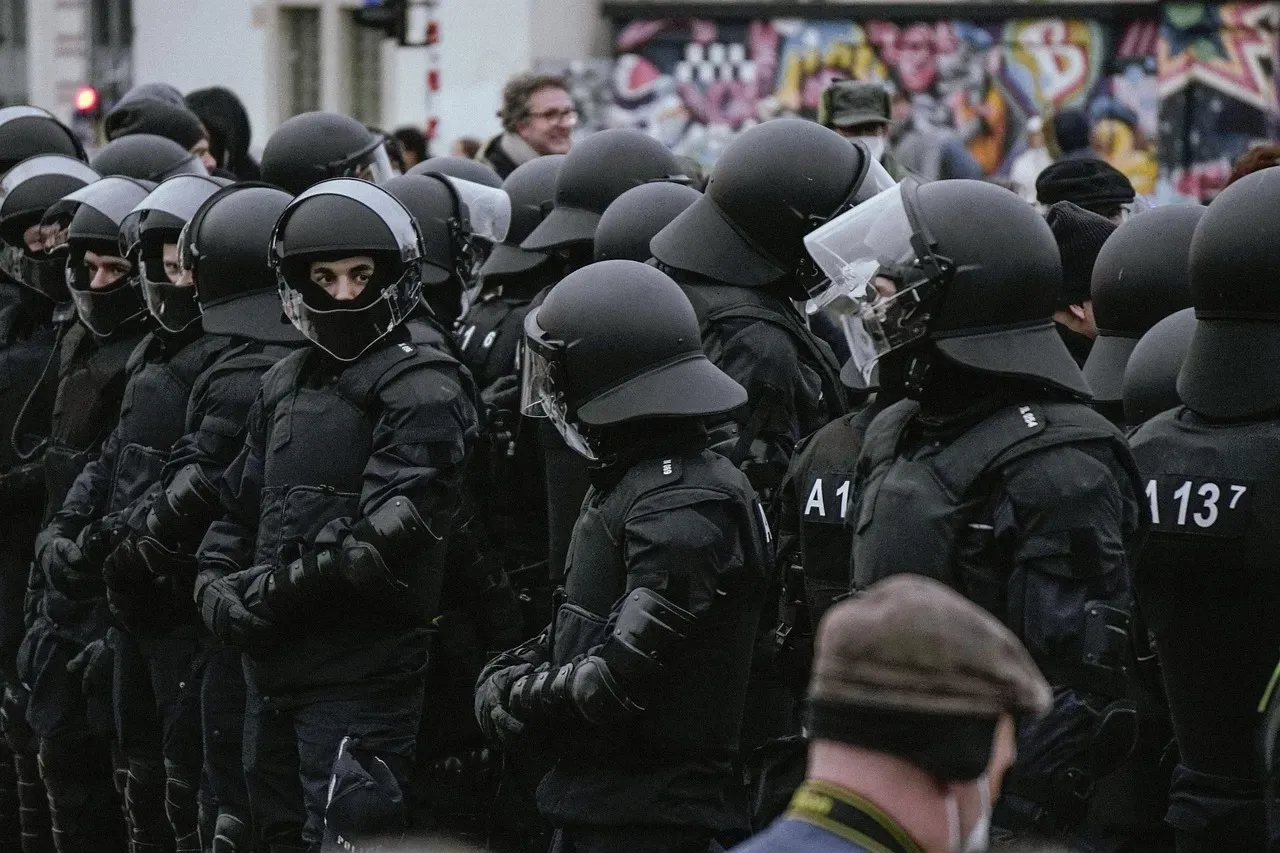
The most common violations of the law include damage of property, harming other protestors or bystanders, throwing rocks or bottles, and intentionally obstructing roadways, and possession of certain weapons at a protest is also against the law. The Las Vegas Metropolitan Police Department publishes protest guidance referencing Clark County and City of Las Vegas ordinances designed to protect peaceful assembly while minimizing risks.
Law enforcement may issue a dispersal order when illegal acts are taking place, and warnings must be given when feasible, usually announced in English and Spanish. The goal is to give participants a chance to comply before escalating to arrests or citations, though once a dispersal order is issued, everyone in the area must leave regardless of their individual involvement.
Recent Protest Activity Remains Peaceful in Las Vegas
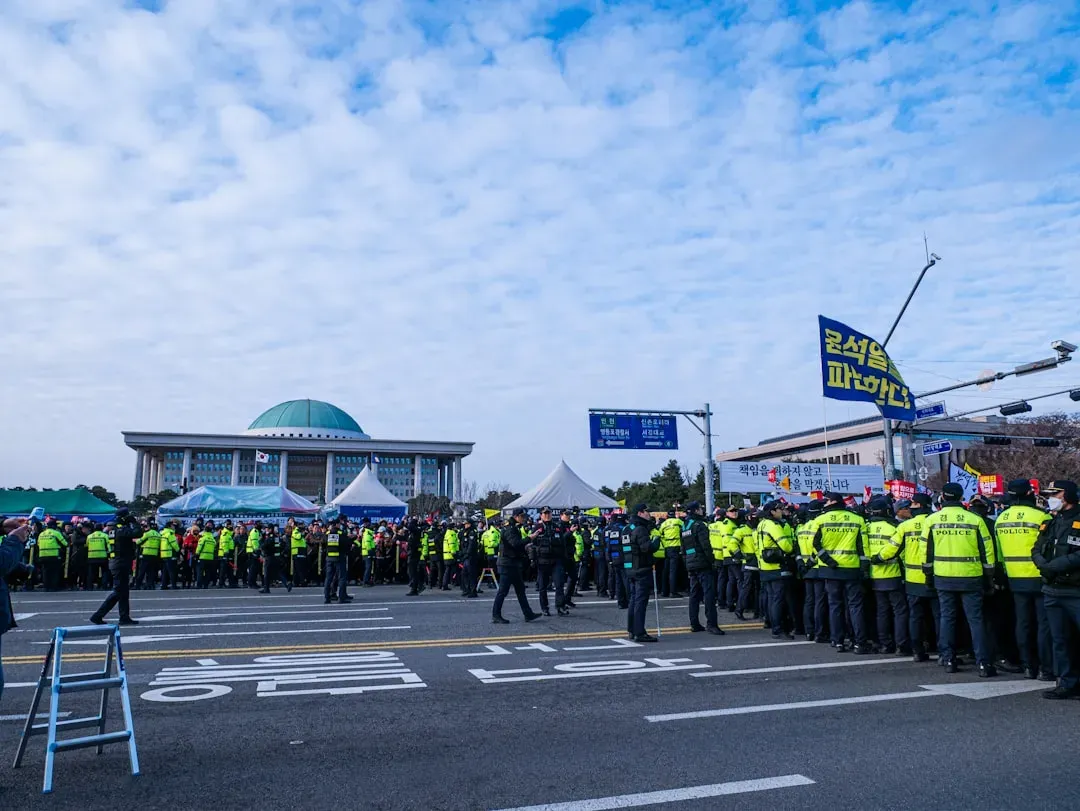
The protest in Las Vegas remained peaceful with Metro Police officers following the group through the night, and LVMPD issued four citations and no arrests were made. Hundreds of protestors marched through downtown Las Vegas on January 11, 2026 following a coffin that featured an image of Renée Good.
The relatively low number of citations during multiple large demonstrations suggests that both organizers and law enforcement succeeded in maintaining order. It’s a delicate dance: protesters want their voices heard without being silenced, and police want to ensure public safety without overreach. When both sides communicate and respect boundaries, peaceful outcomes become far more likely.
Violent Crime Context and Public Safety Data
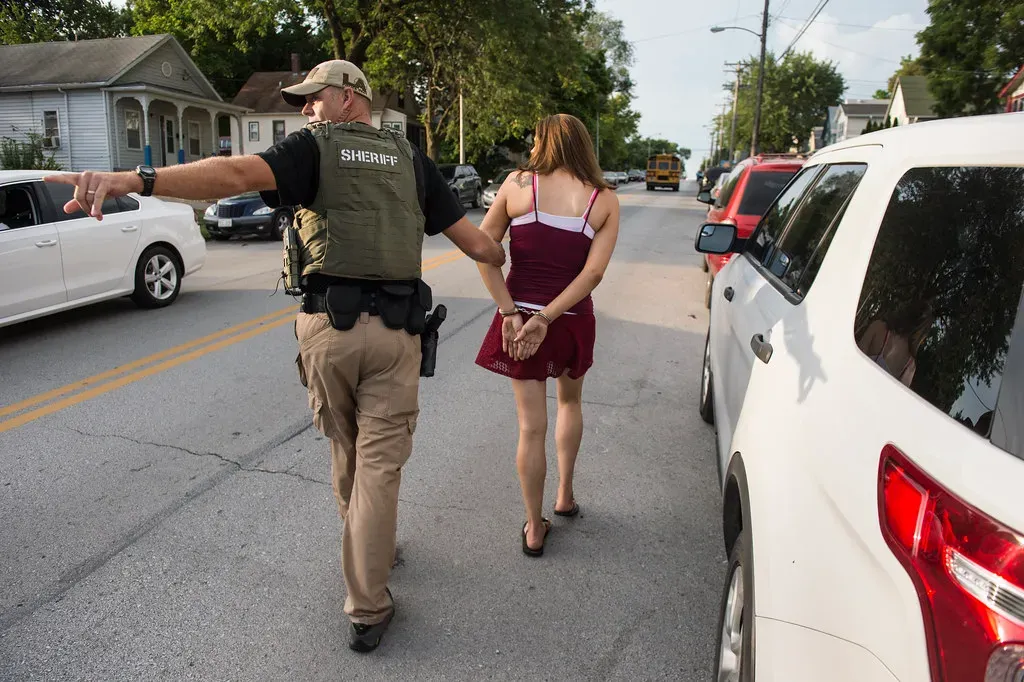
Nevada’s public crime data portal shows that for Las Vegas Metro Police Department, the Violent Crime Clearance Trend report lists Aggravated Assault “Number of Crimes” as 5,371 in 2024 and 5,708 in 2023. LVMPD also publishes a weekly crime statistical report broken down by area command and year-to-date totals, and it updates homicide statistics on an ongoing basis as classifications change.
This data provides crucial context for discussions about public safety. When demonstrators talk about community protection, they’re often referring to both safety from immigration enforcement and safety from violent crime. The numbers show that local law enforcement is tracking and addressing violent crime trends, even as debates over policing and immigration enforcement intensify.
De-Escalation Strategies and Law Enforcement Communication
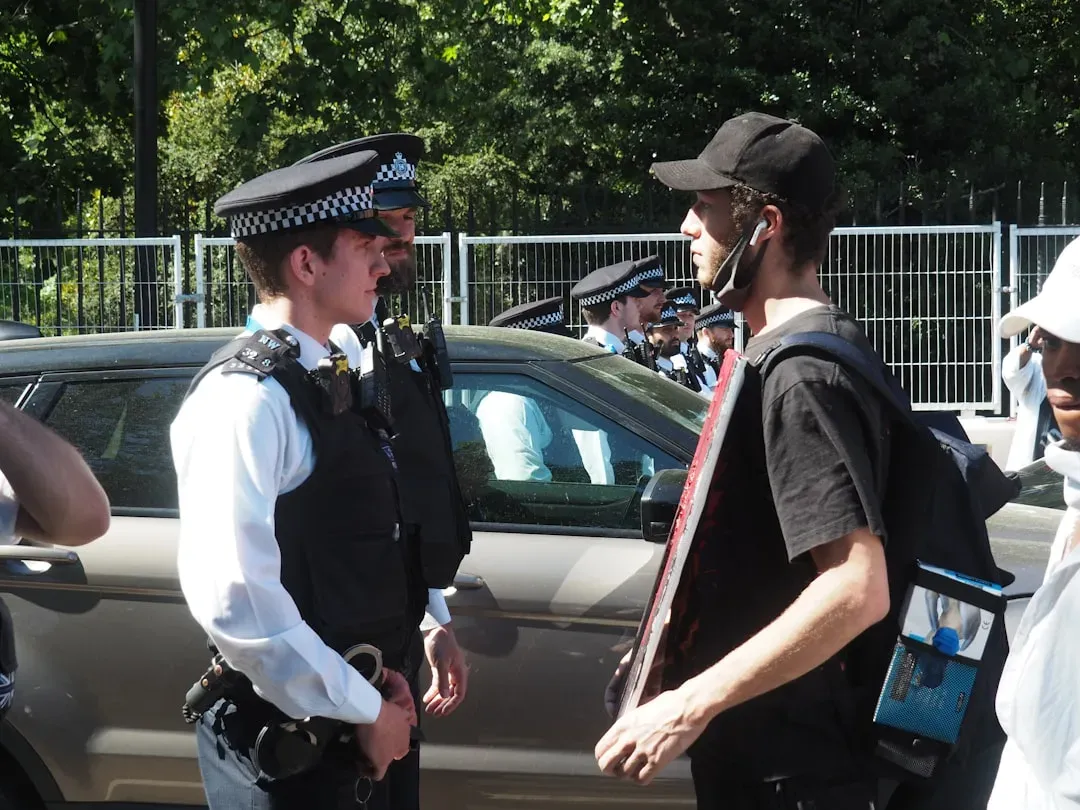
Local Las Vegas reporting published February 2, 2026 framed the new wave of demonstrations as focused on immigration enforcement while emphasizing the balance between First Amendment rights and public safety, quoting both community leaders and former law enforcement about de-escalation and communication. Effective de-escalation starts long before a protest begins: organizers coordinate with police about routes and timing, police make clear what will and won’t be tolerated, and both sides establish communication channels during the event.
The absence of major confrontations during the January and early February 2026 protests in Las Vegas reflects these behind-the-scenes efforts. Honestly, it’s easy to overlook how much coordination happens before a single sign goes up or a single chant begins. When that groundwork is solid, protests can unfold with intensity and passion while still respecting public order.
What do you think makes the difference between a protest that stays peaceful and one that doesn’t? Leadership matters, and so does the tone set from the very beginning – whether by organizers, participants, or the response they receive from authorities.