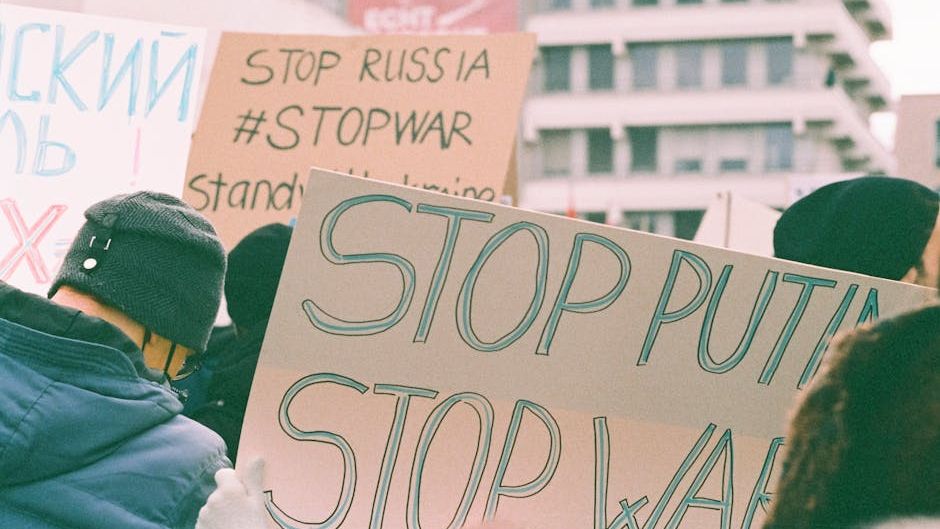

CARTOON: Losing the long game? – Image for illustrative purposes only (Image credits: Pexels)
Support for Russian President Vladimir Putin shows clear signs of erosion. This development points to mounting pressures on his leadership position. Observers track the trend as it unfolds against a backdrop of prolonged challenges.
Core Indicators of the Shift
The erosion appears in multiple layers of Russian society. Public sentiment has softened in key areas where backing once remained firm. This change reflects broader fatigue with extended conflicts and economic pressures.
Internal dynamics within the political system also reveal subtle adjustments. Allies and officials navigate the evolving landscape with greater caution. The overall pattern suggests a gradual recalibration rather than abrupt reversal.
Context Behind the Trend
Putin has long relied on a combination of stability messaging and national pride to maintain cohesion. Recent events have tested that foundation in ways that earlier periods did not. The result is a more fragmented base of support.
External factors play a role as well. International isolation and domestic resource allocation create additional friction points. These elements compound over time and contribute to the observed softening.
Potential Implications Ahead
Continued erosion could influence decision-making at the highest levels. Leaders often adjust strategies when core constituencies show hesitation. The coming months will clarify whether the trend accelerates or stabilizes.
Regional variations add another layer of complexity. Some areas display stronger resilience while others reflect sharper declines. This uneven distribution complicates any uniform assessment of the situation.
Looking Forward
The long-term trajectory remains uncertain. Sustained monitoring will determine if the erosion represents a temporary dip or a more structural change. Russian politics has weathered similar pressures before, yet each instance carries distinct characteristics.