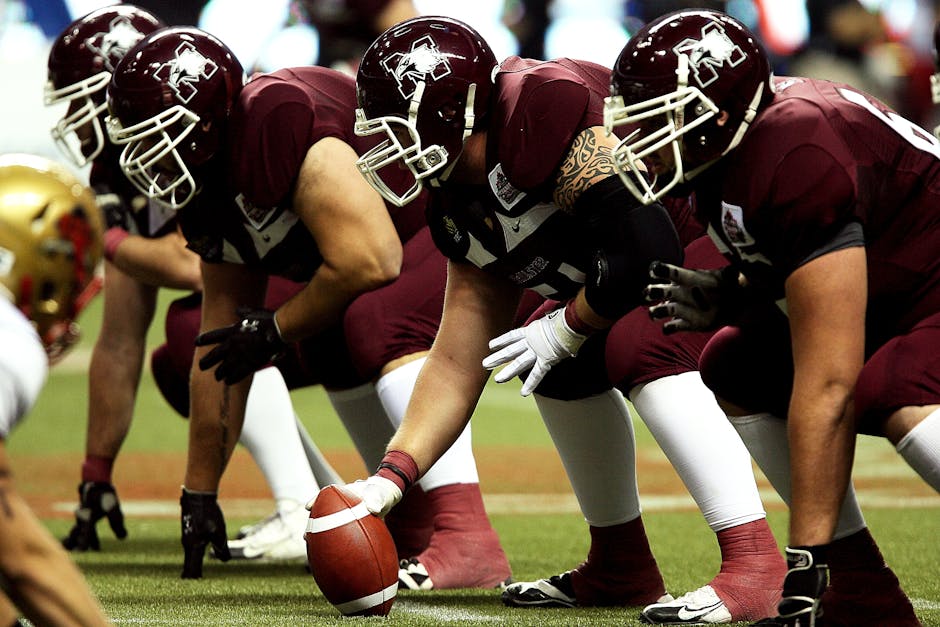

Tyler Linderbaum Anchors the Interior (Image Credits: Pexels)
Phoenix — The Las Vegas Raiders addressed longstanding issues along their offensive line this offseason through two pivotal hires. General manager John Spytek and head coach Klint Kubiak prioritized both personnel and expertise to support a shift to an outside zone blocking scheme. These changes aim to protect a projected rookie quarterback and create running lanes for the backfield.[1]
Tyler Linderbaum Anchors the Interior
The Raiders made headlines in free agency by signing center Tyler Linderbaum from the Baltimore Ravens. The deal established him as the highest-paid interior offensive lineman in NFL history. Kubiak highlighted Linderbaum’s physicality and leadership, noting his ability to make protections and line calls without coaches present.[1]
Linderbaum excelled in college and improved steadily as a professional. His style fits perfectly with the Raiders’ new system, where the center snaps the ball to the quarterback and directs traffic up front. Kubiak praised his tenacity: “He’s physical, he’s nasty, plays through the echo of the whistle, finishes games.” This addition provides immediate stability to a unit that struggled last season.[1]
Rick Dennison Brings Scheme Mastery
Offensive line coach Rick Dennison represents the other cornerstone of the Raiders’ plan. Kubiak insisted on his involvement before accepting the head coaching job. Their partnership spans decades, including a Super Bowl win with the Seattle Seahawks in February.[1][2]
Kubiak described Dennison as “as good as it gets” for his experience in the outside zone scheme and talent development. Dennison coached alongside Kubiak’s father, Gary, early in his career and collaborated with Klint in multiple cities. The Raiders view him as the key to unlocking better performance from the group. His arrival completes the offensive staff, with assistants like Ben Wilkerson supporting the effort.[2]
Returning Talent and Youthful Promise
Positive developments extend beyond new arrivals. Left tackle Kolton Miller, limited to four games last season due to injury, progressed well in recovery. Spytek expected him back on the field soon, potentially by mid-June’s veteran minicamp. His return bolsters the left side significantly.[1]
Third-year tackle DJ Glaze and second-year player Charles Grant offer competition and depth. Kubiak expressed excitement about their potential: “I think DJ is a really good young player and we’re developing Charles. So, I think we got three guys that can play.” Spytek, who drafted Grant in the third round last year, emphasized drafting and developing as the path to success. With 10 draft picks remaining, the Raiders plan further reinforcements.[1]
Scheme Transition Demands Precision
The shift to Kubiak’s outside zone scheme requires linemen who move well in space. Linderbaum’s intelligence and athleticism align ideally here. Dennison’s track record in similar systems will guide the installation process. The group must gel quickly to support rookie quarterback Fernando Mendoza, expected as the top draft choice.
Spytek outlined the philosophy: “You’ve got to draft those guys and develop them and re-sign them. That’s the formula.” Free agency splashes like Linderbaum complement this approach when opportunities arise. The Raiders hold ample cap space and picks to continue building.
Key Takeaways
- Tyler Linderbaum’s record deal brings Pro Bowl leadership to the center position.
- Rick Dennison’s hiring ensures scheme expertise from a Super Bowl-winning coach.
- Healthier Kolton Miller and developing talents like DJ Glaze add depth.
The Raiders positioned themselves for a turnaround in the trenches through these calculated steps. Success hinges on execution during training camp and beyond. As the draft approaches, further enhancements remain possible. What do you think of the Raiders’ offensive line strategy? Tell us in the comments.